GM revamps employee evaluation system to boost performance

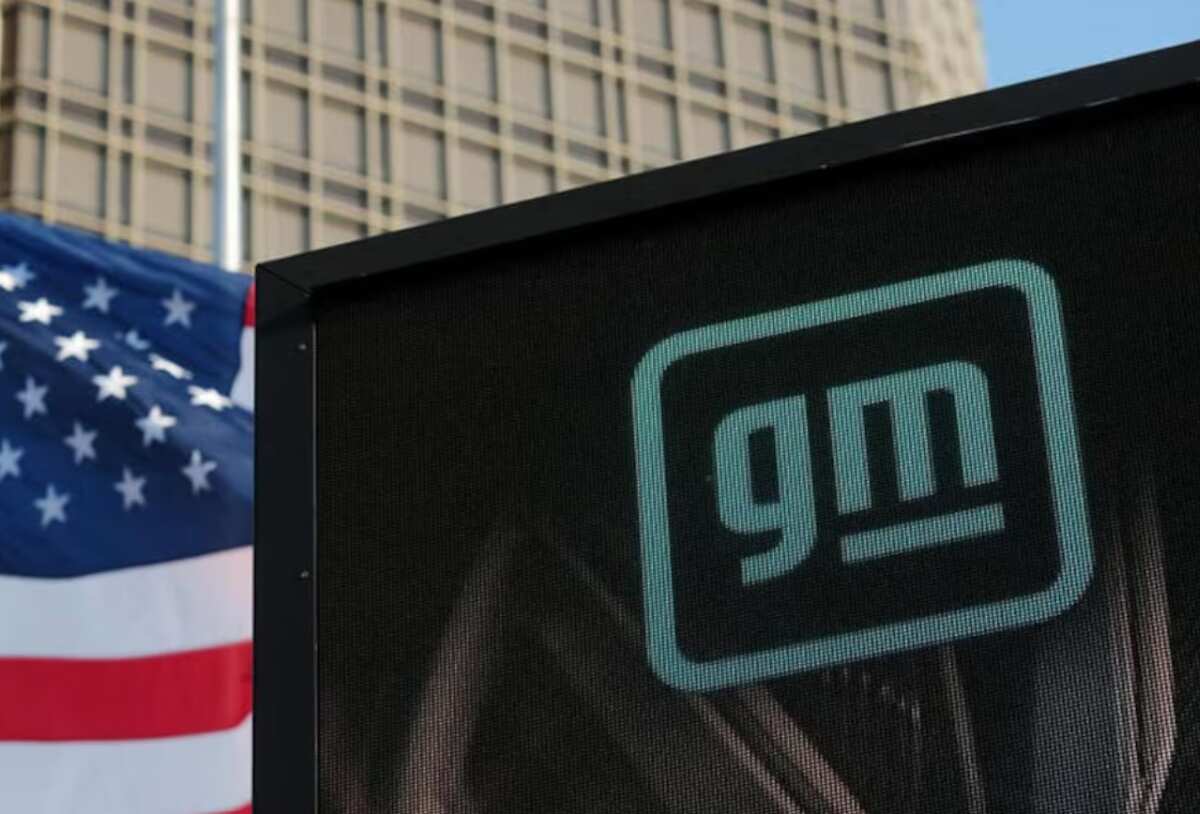
GM's latest initiative introduces a five-point performance rating scale.
In a bid to enhance competitiveness and attract top talent, General Motors (GM) is overhauling its employee performance evaluation system for its salaried workforce in the United States. The Detroit-based automaker aims to better reward high performers and encourage low performers to improve or exit the company.
New Performance-Based Reward System
GM's latest initiative introduces a five-point performance rating scale, replacing the previous three-category system. This change is designed to provide a more nuanced evaluation of employee performance. According to an internal memo, GM will now offer top-performing employees—those in the top 5%—bonuses amounting to 150% of their target, a significant increase over the previous structure.

"To ensure GM has the talent needed to achieve our ambitious goals, a more intentional process is required that sets clear expectations for performance and holds people accountable," the memo states.
Aligning with Industry Trends
This move comes as legacy automakers like GM and Ford are revising their performance evaluation systems to stay competitive with electric vehicle (EV) giants like Tesla and Rivian. These companies often offer stock-heavy compensation packages, which can be more attractive to potential employees.
)
Oxford United's new clothing line featured 'United 93' phase
)
Pentagon revives mandatory testosterone testing for male troops aged 30 and above
)
Mark Carney mimics Trump in hilarious moment over C$70 billion clean-energy investment; room erupts in laughter
)
Iran rebuilding nuclear facilities? New satellite images show Tehran may be rapidly restoring bombed Parchin base
)
It's a girl! Deepika Padukone and Ranveer Singh welcome their second child
)
FACT CHECK: Why did PM Modi ask Xi ‘is it okay’ at BRICS Summit? New video reveals...
)
Putin: European leaders using war rhetoric to save falling ratings
)
China may have gained access to US's classified F-35 jets; parts meant for repairs diverted to Hong Kong, sparking Pentagon inquiry
)
Arvind Kejriwal, family members, Delhi CM Rekha Gupta get SIR notices
)
Russia election: Moscow voting system hit by ‘powerful, continuous’ cyberattacks, says official
)
Cochin shipyard starts building Indian Navy's next-gen missile vessels
)
Claude led 26% of Anthropic's AI R&D work
)
Brigitte Bardot’s private collection set for Paris auction; key items and prices revealed
)
Why Ranveer Singh’s Dhurandhar missed India’s Oscar entry; FFI jury member reveals what happened
)
‘Will go to any extent’: Pakistan vows to defend Saudi Arabia amid Houthi attacks
&im=FitAndFill=(700,400))
Ananya Panday to Sharvari: 5 actresses serving major princess vibes
66 years of the Indus Waters Treaty: How India and Pakistan settled a bitter river dispute
)
The Verdict | When precision fails: US commits war crime in Minab school strike, UN finds
Russia attacks Ukraine with 174 drones, kills 8; 2 vessels hit in Black Sea
)
Trump signs Russia sanctions bill into law, targets Moscow’s energy sector
)
Pak: A series of counter terrorism operations in Khyber Pakhtunkhwa
)
Ajit Agarkar’s future as chief selector to be decided at right time, says BCCI secretary
)
Flying cars in UAE: Ras Al Khaimah signs deal with Chinese company to test new transport
)
Reacher star Alan Ritchson opens up about alleged blackmail, suicide attempt during difficult period
)
Africa is splitting, and a lot sooner than estimated, giving way to a new ocean
)
Trump bans CNN, MS NOW and Politico from White House over ‘FAKE NEWS’
)
Trump 2.0: Dark days ahead for America’s ‘imperial presidency’
)
New brain discovery could aid neurological disease studies
)
Drone strikes cooling tower at Russia's Kursk Nuclear Plant, IAEA confirms
&im=FitAndFill=(700,400))
How many F-35s does Britain, Japan and Israel have?
)
Tirupati Laddu ghee adulterated with chemicals, says ED, supplier arrested
)
IIT Bombay student dies by suicide, was caught seeking AI help during exams
)
Trump extends H-1B visa's $100,000 fee until September 2027: What it means for Indians?
)
Russia holds first parliamentary elections since the beginning of the Ukraine war
&im=FitAndFill=(700,400))
Meet top 5 Indian batters with fastest T20I centuries
)
Extreme warming in Indian Ocean added 695 billion tons of ice to Antarctica ice sheet
)
)
The new performance ranking system evaluates employees from "significantly exceeds expectations" to "does not meet expectations." Employee bonuses are directly linked to these rankings. GM employs about 53,000 salaried workers in the U.S., all of whom will be evaluated under this updated system during their year-end performance reviews.
A Culture of High Performance
A GM spokesperson highlighted the importance of fostering a culture that rewards high performance, which is crucial for attracting and retaining talent in a competitive industry. "GM is proud to have a culture where we foster and reward high performance, which will help us attract and retain top talent in a competitive industry environment. That includes everything from ensuring employees know what is expected of them, providing feedback so they can develop, and rewarding them for their performance," the spokesperson said.
Ford's Similar Approach
Ford CEO Jim Farley has also emphasized the importance of linking bonuses more closely with shareholder value. Farley noted that transforming the performance review system has been a crucial aspect of Ford's business transformation.
"We've learned that the right talent is not sufficient. Over the last two years, it's been imperative that we go to a right performance management system. It's a fundamental change in the way we're running the company," Farley said during an earnings call earlier this year.
GM estimates that about 70% of its workforce will fall into the "achieves expectations" category, receiving 100% of their target bonuses. Meanwhile, those in the "does not meet expectations" group, estimated at 5%, may face "appropriate action," including potential exit from the company.
Cost-Cutting Measures Amid EV Transition
The revamp of the performance evaluation system comes as major automakers are implementing cost-cutting measures to fund their transition to electric vehicles. This has included reducing white-collar positions and offering buyouts. GM offered buyouts to most of its salaried employees in March 2023 and laid off several hundred full-time contract workers in May. Ford and Stellantis have also reduced their workforce over the past year.
As GM navigates the challenges of the EV transition, this revamped evaluation system is part of its broader strategy to remain competitive and innovative in a rapidly evolving automotive landscape.
(Inputs from Reuters)