EV makers Nio, XPeng commit to EU market despite tariffs

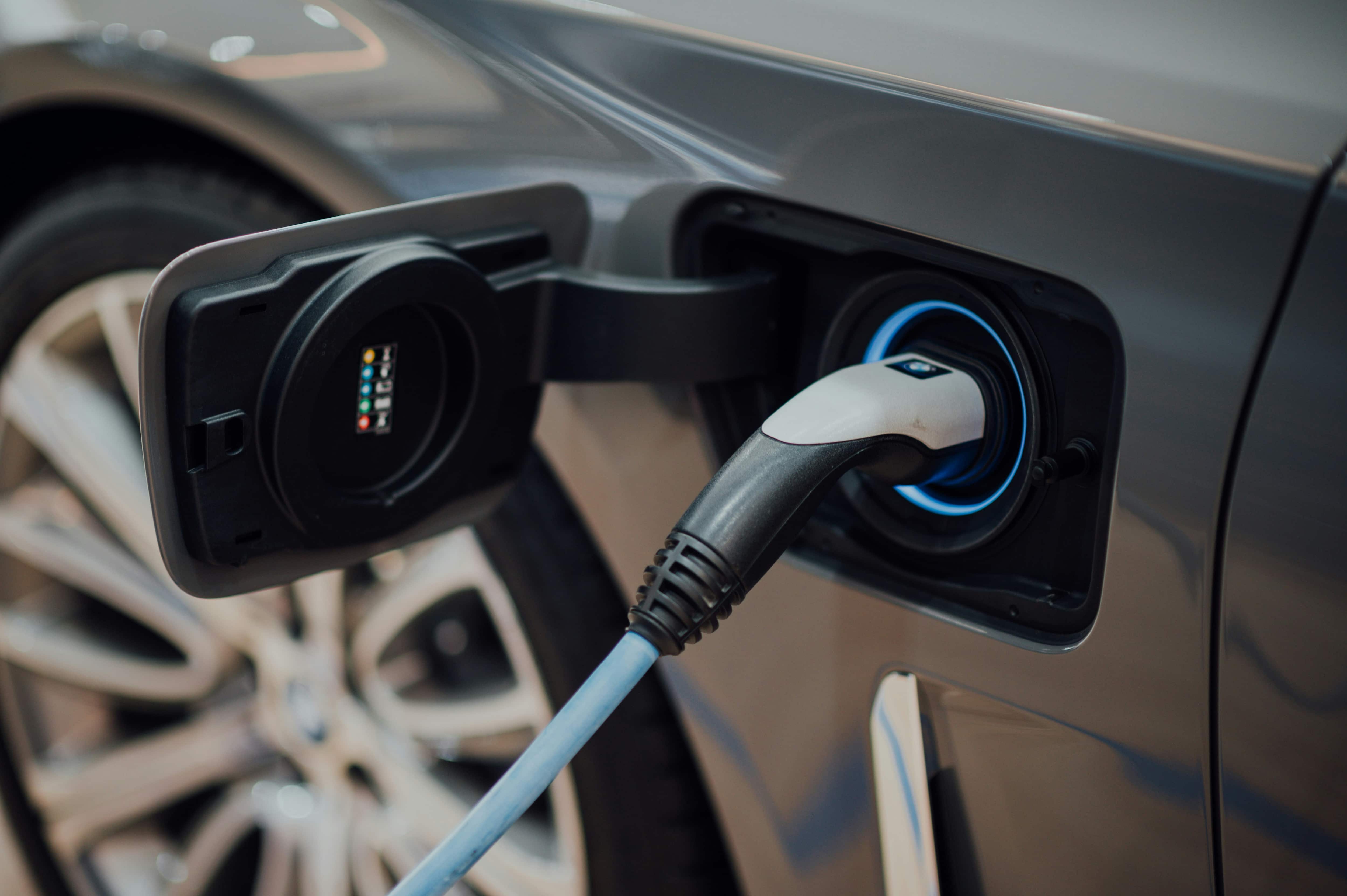
China has spent USD 230 billion on its EV ecosystem: Study (Photo: Unsplash)
Chinese electric vehicle manufacturers Nio and XPeng have reaffirmed their commitment to the European market, despite the recent imposition of tariffs by the European Union on Chinese-made electric vehicles (EVs). This development was reported by AFP on Thursday, highlighting the resilience of these companies in the face of new trade challenges.
The European Union has implemented provisional duties of up to 38 per cent on imported EVs from China, citing what they describe as "unfair" state subsidies. This move comes despite warnings from Beijing that such action could potentially trigger a trade war between the two economic powerhouses. The decision reflects growing concerns within the EU about the competitive advantage enjoyed by Chinese EV manufacturers, which are seen as benefiting from significant government support.
XPeng, a Chinese EV company known for its stylish and innovative designs, has explicitly stated its intention to maintain its presence in the European market, undeterred by the new tariffs. A representative from XPeng told AFP, "As a company with a global vision, XPeng will not change its strategy of exploring overseas markets. We will find ways to minimise the impact on consumers." This statement underscores the company's determination to adapt to the changing regulatory landscape while continuing to serve European customers.

Similarly, Nio, another prominent Chinese EV manufacturer that specialises in high-end models, has expressed its ongoing commitment to the European market. The company informed AFP that it is "closely monitoring" the EU's decision regarding the tariffs. Nio's spokesperson elaborated on their current stance, stating, "At this stage, Nio maintains the pricing of their current models in its European markets.
However, it cannot be ruled out that prices may be adjusted at a later stage as a result of these tariffs being imposed." This approach suggests a cautious strategy, with the company keeping its options open while assessing the full impact of the new duties.
Nio further emphasized its dedication to its European operations, declaring that it remains "fully committed to the European market." The company also expressed hope for a diplomatic resolution to the trade dispute, adding, "We hope to reach a resolution with the EU before definitive measures are enforced in November 2024." This statement indicates Nio's optimism that ongoing negotiations between China and the EU might lead to a more favourable outcome for Chinese EV manufacturers.
&im=FitAndFill=(700,400)&imwidth=180&imheight=135&format=webp&quality=medium)
Navratri 2026: 9 days, 9 forms of Goddess Durga and 9 colours- Check the complete list
&imwidth=180&imheight=135&format=webp&quality=medium)
Korean peninsula tensions escalate as North Korea launches multiple ballistic missiles, PACOM says 'no threat to US personnel'
&imwidth=180&imheight=135&format=webp&quality=medium)
Trump weighs firing Kimberly Guilfoyle as US ambassador to Greece amid misconduct allegations: Report
&imwidth=180&imheight=135&format=webp&quality=medium)
Anti-SIR protest in Mumbai: Protestors wear black masks & ribbons in Mumbai
&imwidth=180&imheight=135&format=webp&quality=medium)
UK PM Andy Birnham renews claims of Russian meddling in Brexit vote
&imwidth=180&imheight=135&format=webp&quality=medium)
BCCI rejects venue shift reports, India vs Sri Lanka 1st ODI to remain in Delhi
&imwidth=180&imheight=135&format=webp&quality=medium)
'Absolutely disgusting': Australia slams US plan to livestream Nidal Hasan's execution; Mike Johnson raises concerns, warns of terrorist propaganda
&imwidth=180&imheight=135&format=webp&quality=medium)
1,500 drones illuminate Mumbai sky as Cordelia Cruises unveils second ship, Cordelia Sky
&imwidth=180&imheight=135&format=webp&quality=medium)
Houthis warns US of 'painful response' if Washington joins Saudi war in Yemen as airlines suspend flights to Saudi Arabia
&imwidth=180&imheight=135&format=webp&quality=medium)
India Rejects Pakistan-China Boundary Commission, Tells Islamabad to Drop 'Theatrics' | GRAVITAS
&imwidth=180&imheight=135&format=webp&quality=medium)
Congress demands action against chief election commissioner
&imwidth=180&imheight=135&format=webp&quality=medium)
Apple HomeView smart home hub may launch soon with A18 chip, display and Siri controls: What to expect
&imwidth=180&imheight=135&format=webp&quality=medium)
'Turn approver, resign, we'll forgive you': Rahul Gandhi claims receiving messages from CEC Gyanesh Kumar
&imwidth=180&imheight=135&format=webp&quality=medium)
'I will not be silenced': Ilhan Omar alleges political intimidation after federal officers search her Washington home
&imwidth=180&imheight=135&format=webp&quality=medium)
Use AI as your ‘second brain’: Meta AI chief Alexandr Wang’s message to young people
&imwidth=180&imheight=135&format=webp&quality=medium)
Robotic surgery, advanced treatment: What is coming to this small Gujarat town?
&imwidth=180&imheight=135&format=webp&quality=medium)
Pakistan's government blames PTI for rise of terrorism in Khyber Pakhtunkhwa
&imwidth=180&imheight=135&format=webp&quality=medium)
‘This is just the start’: Maaya Rajeshwaran on historic ITF title, confidence boost and future goals
&im=FitAndFill=(700,400)&imwidth=180&imheight=135&format=webp&quality=medium)
How does a robot decide what to do next?
&imwidth=180&imheight=135&format=webp&quality=medium)
Trump says he 'may' meet North Korean leader Kim Jong Un during upcoming Asia trip
&imwidth=180&imheight=135&format=webp&quality=medium)
'Ouch!!! That must hurt': Kangana Ranaut hails Kamal Haasan's sharp reply to Elon Musk over Starlink row
&imwidth=180&imheight=135&format=webp&quality=medium)
Sidhu Moose Wala’s younger brother wins hearts by recreating late singer’s signature move at Toronto Hologram Show
&imwidth=180&imheight=135&format=webp&quality=medium)
UK school ditches technology, shifts from screen to pen and paper for learning
&imwidth=180&imheight=135&format=webp&quality=medium)
Opposition’s 10 demands in Supreme Court petition range from stay on SIR to audit of voter rolls
&imwidth=180&imheight=135&format=webp&quality=medium)
'I am thoroughly unamused': Judge slams Trump administration after 400 trees cut at Washington golf course
&imwidth=180&imheight=135&format=webp&quality=medium)
Portugal Federation confirms Cristiano Ronaldo’s return to national team despite suspension
&im=FitAndFill=(700,400)&imwidth=180&imheight=135&format=webp&quality=medium)
New OTT releases this week (October 12-18, 2026): Sacrifice, Koffee with Karan S9, Roadies Rebirth- 6 titles coming on Netflix, JioHotstar and more
&imwidth=180&imheight=135&format=webp&quality=medium)
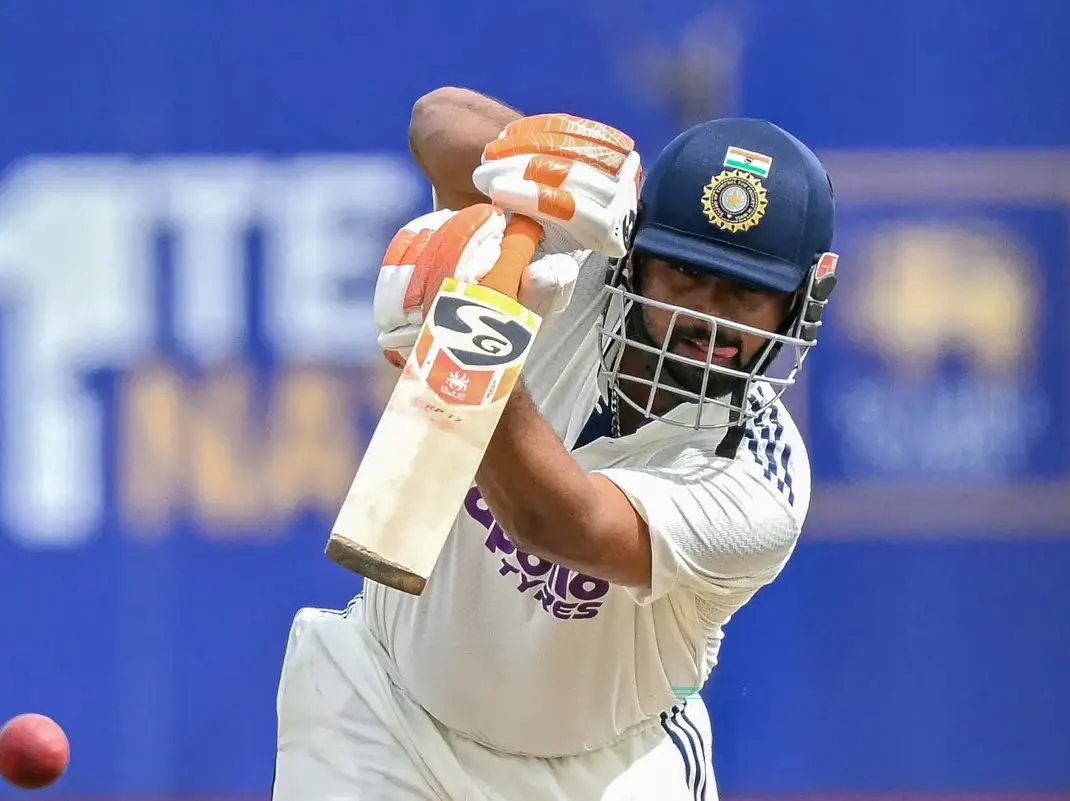
Rishabh Pant ruled out of India A squad for New Zealand tour, Kumar Kushagra named replacement
&imwidth=180&imheight=135&format=webp&quality=medium)
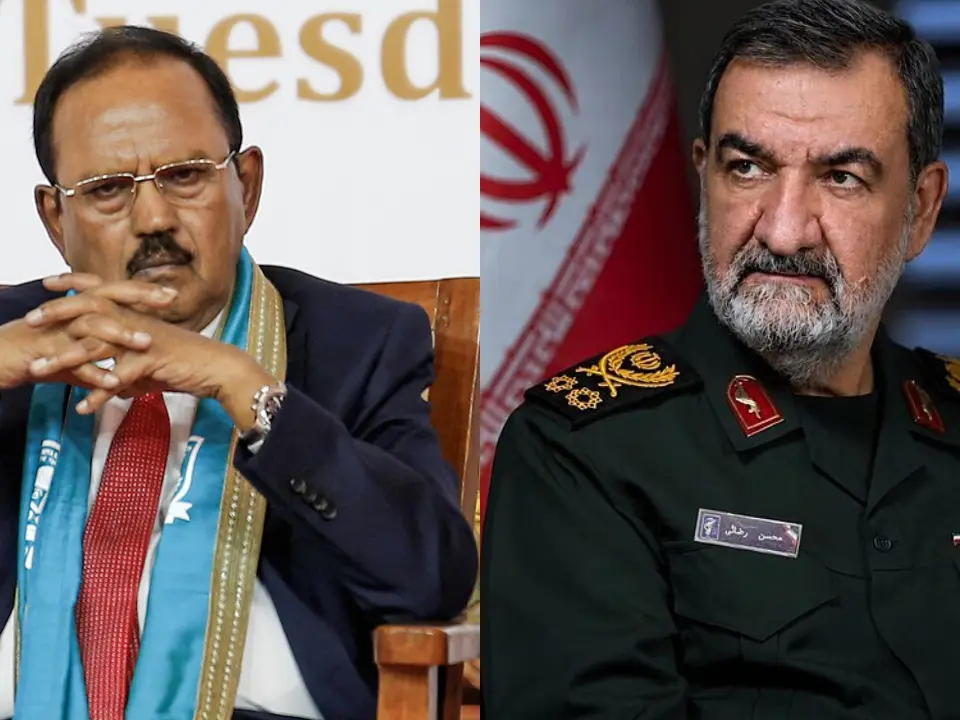
India's Ajit Doval, Iran's Mohsen Rezaei hold talks amid escalating West Asia tensions, discuss 'issues of mutual interest'
&imwidth=180&imheight=135&format=webp&quality=medium)
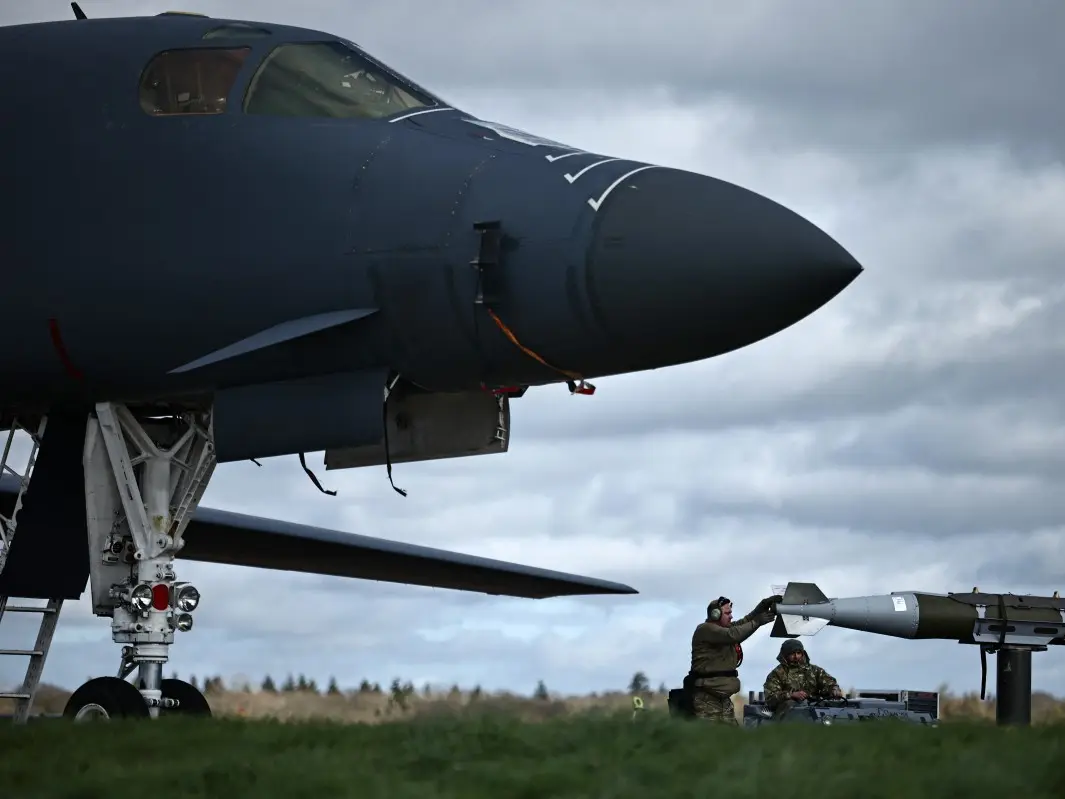
'Almost certainly': UK Prime Minister Andy Burnham says Iran's IRGC behind RAF Fairford threat
&imwidth=180&imheight=135&format=webp&quality=medium)
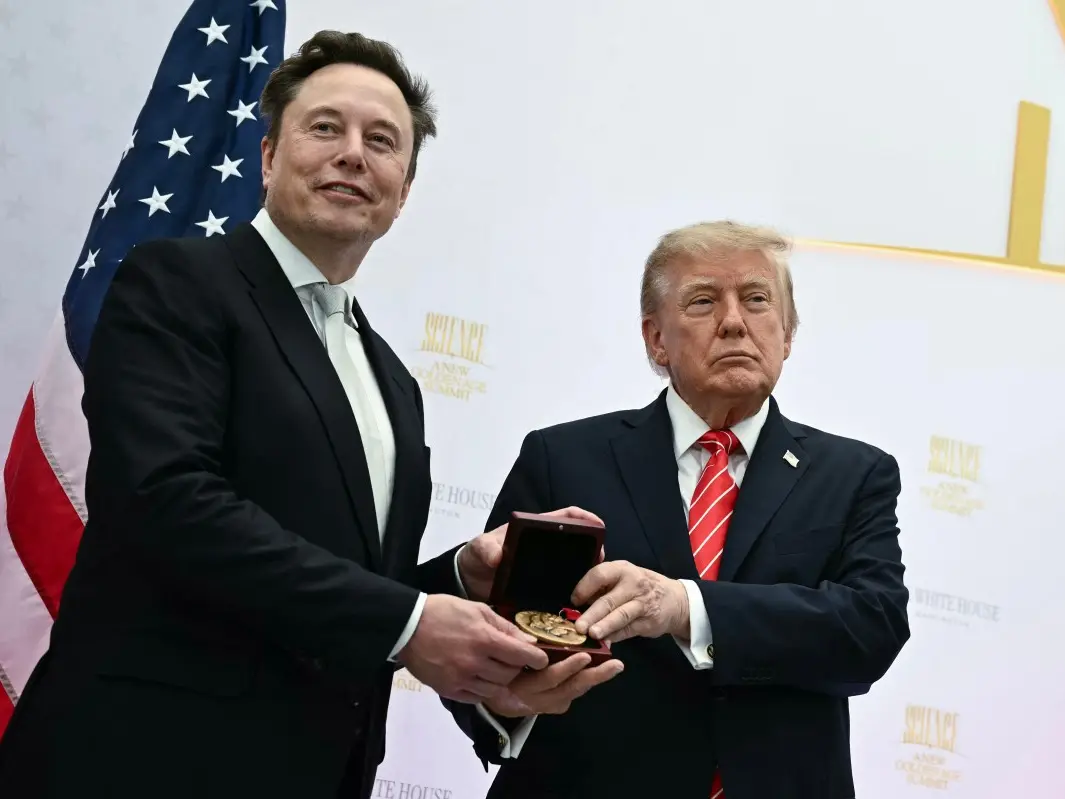
Elon Musk pumps $276 million into Republican campaigns ahead of US midterm elections
The implementation of these tariffs is set to begin immediately, with the provisional duties taking effect from Friday. However, the EU has planned for definitive duties to be enforced in November, which would remain in place for five years. This long-term measure is subject to approval by the EU's 27 member states, suggesting that there may still be room for diplomatic manoeuvring and potential adjustments to the tariff structure.
The situation highlights the complex interplay between international trade policies, industrial strategy, and the rapidly evolving global EV market. As Chinese manufacturers like Nio and XPeng continue to expand their presence in Europe, they face not only competitive challenges from established automakers but also regulatory hurdles that could significantly impact their business models and market positioning.
The responses from Nio and XPeng demonstrate the resilience and adaptability of these companies in the face of changing market conditions. Their commitment to the European market, despite the new tariffs, suggests a long-term strategic view that prioritises global expansion and brand establishment over short-term financial considerations. As the situation continues to develop, it will be crucial to monitor how these companies navigate the new regulatory landscape and whether their strategies prove successful in maintaining and growing their European market share.