European automakers face perfect storm as profits plunge


EU has hiked tariffs on Chinese electric vehicles
European automakers are facing their most challenging period in recent history as a convergence of global pressures threatens to reshape the industry landscape. On Monday, Stellantis became the latest major manufacturer to issue a stark profit warning, joining Volkswagen and others in painting a grim picture of the sector's immediate future. The announcement triggered a severe market reaction, with Stellantis shares plummeting nearly 15% to their lowest level since December 2022, contributing to a staggering 38% loss in market value this year.
The automotive sector's troubles extend far beyond Stellantis. Luxury carmaker Aston Martin saw its shares crash by up to 28%, touching a near two-year low, while Volkswagen's stock declined following its second profit warning in less than three months. These developments have erased billions in market value across the automotive sector, highlighting investors' growing concerns about the industry's ability to navigate multiple challenges simultaneously.
At the heart of these troubles lies a complex web of global market dynamics. In China, where German manufacturers have traditionally relied on for approximately one-third of their sales, a weakening economy and intensifying competition from domestic automakers have created a perfect storm. Chinese manufacturers are proving particularly adept at developing and producing electric vehicles more quickly and cost-effectively than their European counterparts, leading to a vicious price war that has squeezed margins across the board.

The European market offers little respite, with new car sales falling 18.3% in August to a three-year low. Major markets including Germany, France, and Italy have all experienced significant declines, with electric vehicle sales struggling despite the industry's push for electrification. This weakness in the home market has left European automakers particularly vulnerable to global pressures.
For Stellantis, the challenges are particularly acute in North America, where high inventory levels and weak sales have forced production cuts and deep discounts. The company has dramatically revised its financial projections, now expecting an adjusted profit margin between 5.5% and 7%, down from previous double-digit forecasts. Even more concerning is the prediction of negative cash flow between €5 billion and €10 billion ($5.6 billion).
Market analysts have been particularly critical of Stellantis's management, noting their slow response to addressing US inventory concerns and the conspicuous absence of key executives during investor calls. Bernstein analysts characterized the company's recent moves as "a drastic about-face" and emphasized that "significant effort" would be required to rebuild investor trust.
)
Justice eludes Air India 1985 bombing victims as Canada probe goes 'inactive' | Gravitas
)
Erdogan again raises Kashmir issue at UNGA, calls for dialogue under UN Charter
)
'Our team opened the gate of gold medals': Harmanpreet Kaur on India’s Asian Games final win
)
'Needs time away from the international scene': England white-ball captain Brook on pacer Brydon Carse's future
)
Four decades after leaving Kolkata, the Birlas may be coming back for more
)
The Verdict | Moral policing isn’t culture or discipline, it’s crime
)
Cyclone Arnab: Landfall expected before midnight tomorrow as IMD issues orange alerts across six states
)
Glitch in the matrix caught on camera: Woman vanishes after talking to reporter
)
Rani Mukerji's mother Krishna Mukerji passes away; Karan Johar, Jaideep Ahlawat visit actress
)
Asian Games 2026: India women's cricket team beats Sri Lanka by 147 runs for first gold
)
ICC plans T20I expansion and fewer ODIs in 2027–2031 FTP cycle: Report
)
Key accused in Bihar's Jamui molestation case, arrested after police shoot him in leg
)
'Mumma’s boy from Gwalior who dared to dream': Kartik Aaryan pens long note after first National Award win
)
Gravitas | Boosting NHS productivity could save 20,600 lives in UK annually: Report
)
US and China vie for AI dominance as calls grow for regulation | Gravitas
)
Yemen clashes kill 154 people in two days as cornered Saudi battles Houthi offensive | Gravitas
72nd National Film Awards: Kartik Aaryan receives Best Actor honour for Chandu Champion in Gujarat
)
Bomb scare in New York amid UNGA: Suspicious suitcase found near UN headquarters
)
IND vs JPN, one-off T20I: Japan captain Kendel on pushing India to the brink - ‘It was special’
)
Raaka creates history! Allu Arjun’s film secures Guinness World Record ahead of release
)
Saudi Arabia exits China-led mBridge digital currency platform amid Saudi-Houthi conflict
)
WION Iconic Tourism Summit and Awards 2026: Key voices to discuss India’s tourism future
)
National Film Awards 2026: Yami Gautam wins Best Actress for Article 370
)
World leaders repeatedly call Gaza crisis ‘genocide’ as Israel’s war dominates opening sessions of UNGA
)
WION Iconic Tourism Summit and Iconic Awards 2026: India's travel economy leaders gather in Delhi
)
American manufacturing is reshoring faster than its factory floors can absorb
&im=FitAndFill=(700,400))
New OTT releases this week (September 21-27, 2026): Shaque: Trust No One, Hunkkaar, Don’t Be Shy- 5 new titles coming to Netflix, Prime Video and more
)
Trump calls on nations to quit ‘rogue’ and ‘out-of-control’ International Criminal Court, rips UN
)
Who is Clavicular? The 20-year-old controversial 'Looksmaxxing' influencer charged with rape allegations
)
'This is normally what toddlers do': Why a psychiatrist is raising fresh questions about Trump’s recent behaviour
&im=FitAndFill=(700,400))
National Film Awards 2026: Kartik Aaryan, Mammootty, Yami Gautam, Randeep Hooda and other key winners
)
‘Strike a deal or drive Iran into hell’: Trump issues fresh warning to Tehran at UNGA
)
Trump calls Cuba a ‘failed state’ at UN, Cuban delegation walks out
)
Over 4,200 books withdrawn from circulation in J&K colleges, 94% from Kashmir
)
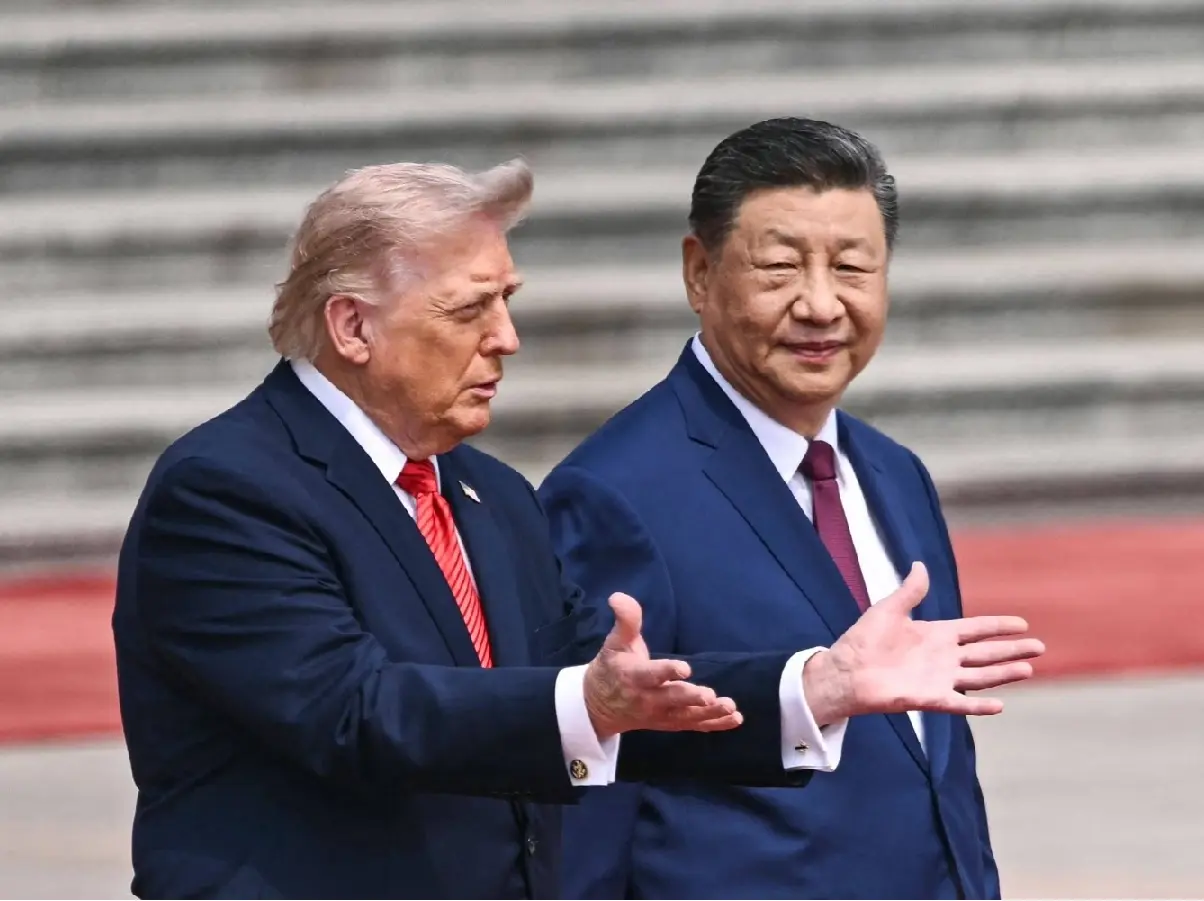
Trump’s China visa crackdown puts US universities, Chinese students in focus ahead of Trump- Xi summit
)
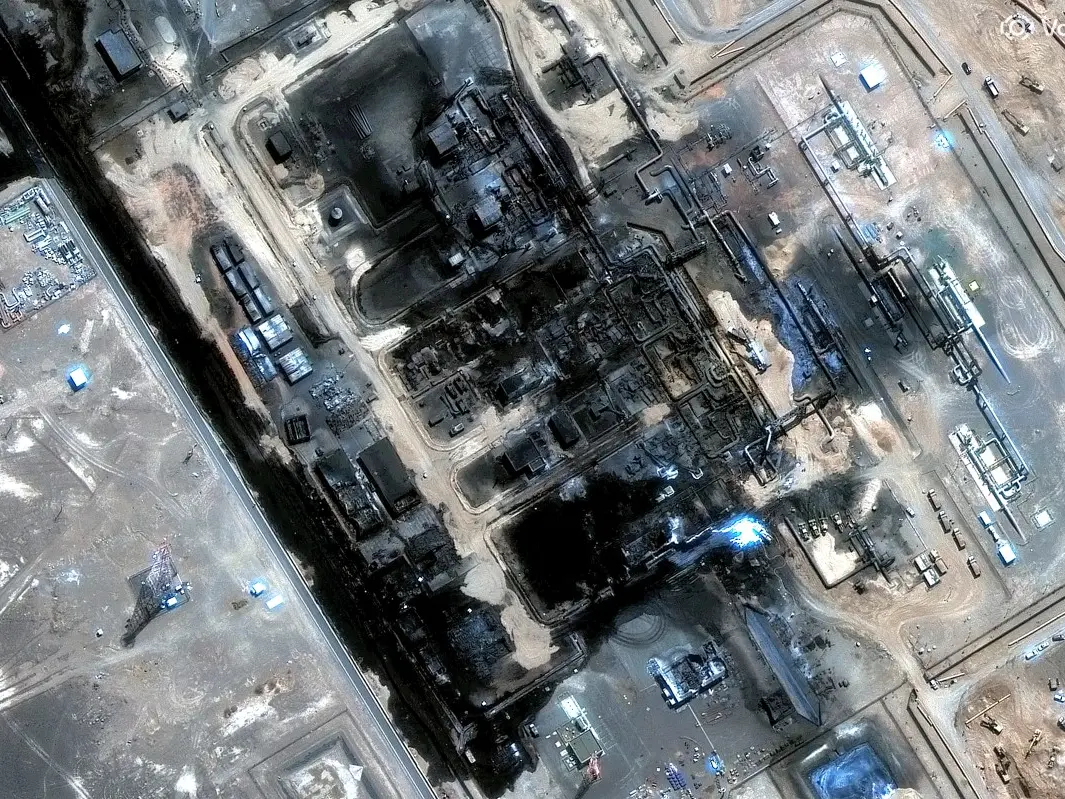
Explainer: Why rare-earth export licences and Board of Trade are US priorities ahead of Trump-Xi summit
)
Oil slips to $98 as Saudi Arabia restarts East-West oil pipeline
)
‘Shame on you’: Netanyahu vows to ‘tell the truth’ about Mamdani at UN ahead of New York visit
The structural challenges facing the European automotive sector are reflected in market valuations. Forward 12-month price-earnings ratios for major European carmakers hover around 3, significantly lower than their US rivals and Toyota. This disparity highlights the market's scepticism about European manufacturers' ability to successfully navigate the transition to electric vehicles while maintaining profitability.
The industry's struggles are also having ripple effects on labour relations. Volkswagen has warned of possible plant closures in Germany, setting the stage for tense negotiations with the powerful IG Metall union. The company faces the difficult task of balancing necessary cost-cutting measures with labour protection in a country known for its strong workers' rights.
As European automakers grapple with overcapacity issues and the need to accelerate electric vehicle development, they must also manage complex market conditions across multiple regions. The transition to electric vehicles is particularly challenging, as companies struggle to sell existing inventory while investing heavily in new, affordable models. The process of changing over production lines to new models further complicates matters, taking revenue-generating capacity offline at a time when cash flow is already under pressure.

