Delhi petrol pump owners defer strike after assurance from Transport Minister

Petrol pump
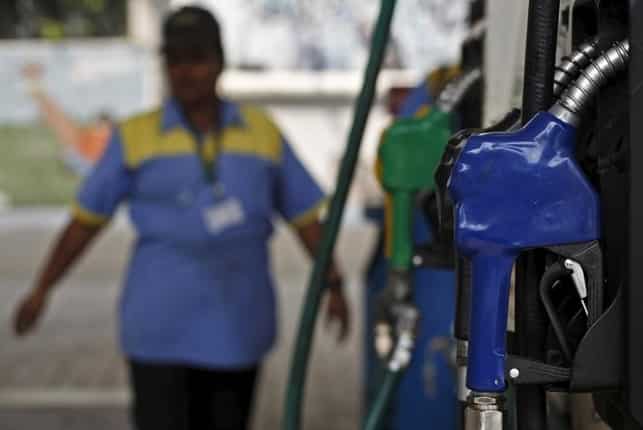
Petrol pump owners across Delhi have deferred their planned strike, allowing Pollution Under Control (PUC) certification centres to continue operations on Monday. This decision follows assurances from Transport Minister Kailash Gahlot that their demand for a fee hike is being reviewed.
Petrol pump associations had announced a strike, intending to halt PUC certification services starting Monday. Their primary demand was an increase in the fees for conducting emission tests, which have not been revised since 2011. However, after a series of discussions with government officials, the strike was postponed.
Government assurance

According to reports, the Transport Minister assured the petrol pump owners that their demand for a fee hike is under serious consideration. This assurance came after extensive talks aimed at preventing a disruption in the essential PUC certification services across the capital.
Current PUC certification process
PUC certificates are mandatory for vehicles to ensure they meet emission standards for pollutants such as carbon monoxide (CO) and carbon dioxide (CO2). The current fee structure for emission testing is Rs 60 for petrol and CNG-driven two and three-wheelers, INR80 for petrol four-wheelers, and INR 100 for diesel-run four-wheelers.
&im=FitAndFill=(700,400)&imwidth=180&imheight=135&format=webp&quality=medium)
Navratri 2026: 9 days, 9 forms of Goddess Durga and 9 colours- Check the complete list
&imwidth=180&imheight=135&format=webp&quality=medium)
Russian woman and Bihar boy's love story goes viral after she reaches India to marry him
&imwidth=180&imheight=135&format=webp&quality=medium)
Arijit Singh 9-city India stadium tour to start from January: Check venue and ticket prices
&imwidth=180&imheight=135&format=webp&quality=medium)
‘Hernia, aneurysm, injuries’: Salman Khan reveals health struggles behind his changing physique on Koffee With Karan 9
&imwidth=180&imheight=135&format=webp&quality=medium)
F1 set to return to Africa for first time since 1993
&imwidth=180&imheight=135&format=webp&quality=medium)
'Don't ever mess with nature!': Trump’s tiger attack post triggers social media backlash as victim's family issues heartbreaking tribute
&imwidth=180&imheight=135&format=webp&quality=medium)
US judge blocks Trump administration sanctions on human rights groups supporting Gaza war crimes investigation
&imwidth=180&imheight=135&format=webp&quality=medium)
Washington calls for 'de-escalation' as Ethiopia-Eritrea tensions fuel war fears
&imwidth=180&imheight=135&format=webp&quality=medium)
Trump's $100,000 H-1B fee: Why neither Republicans nor Democrats want to make it a 2026 US Midterm issue
&im=FitAndFill=(700,400)&imwidth=180&imheight=135&format=webp&quality=medium)
Which jobs are safest from humanoid robots?
&imwidth=180&imheight=135&format=webp&quality=medium)
US midterms: Trump rallies behind Husted as Brown mounts challenge in crucial Ohio race
&imwidth=180&imheight=135&format=webp&quality=medium)
‘Rise up, young patriots!’: American singer Mary Millben says US donors funding CJP, backs Modi govt
&imwidth=180&imheight=135&format=webp&quality=medium)
Nobel Peace Prize winner Navi Pillay calls on US to 'get back to' being defender of human rights
&imwidth=180&imheight=135&format=webp&quality=medium)
Iran war: Will Trump, Netanyahu escalate conflict ahead of crucial elections? | Race to Power
&imwidth=180&imheight=135&format=webp&quality=medium)
'People are angry. I understand that anger': Cornell President Michael Kotlikoff admits he failed to follow up on sexual assault report
&imwidth=180&imheight=135&format=webp&quality=medium)
Iranian woman, 23, handed death sentence for ‘blasphemy’ in social media post; appeals for help
&imwidth=180&imheight=135&format=webp&quality=medium)
'Turn approver, resign, we'll forgive you': Rahul Gandhi claims receiving messages from CEC Gyanesh Kumar
&imwidth=180&imheight=135&format=webp&quality=medium)
'Leakers should be shot': Trump rages over leak of US military plans to attack Iran, slams media
&imwidth=180&imheight=135&format=webp&quality=medium)
Somaliland celebrates after Trump calls it 'a totally different country', raise hopes of US recognition
&imwidth=180&imheight=135&format=webp&quality=medium)
‘My president, I mean my husband’: Trump's new press secretary Katie Zacharia's first briefing goes off the rails in 14 minutes
&imwidth=180&imheight=135&format=webp&quality=medium)
Mars is not for man: Human heart is too weak to survive the trip, study shows
&imwidth=180&imheight=135&format=webp&quality=medium)
Sheikh Hasina warns of 'deep sense of insecurity' among Bangladesh's minorities in Durga Puja message
&imwidth=180&imheight=135&format=webp&quality=medium)
FBI refutes media report claiming Kash Patel is in Russia for talks, says he is in Virginia
&imwidth=180&imheight=135&format=webp&quality=medium)
'Ouch!!! That must hurt': Kangana Ranaut hails Kamal Haasan's sharp reply to Elon Musk over Starlink row
&imwidth=180&imheight=135&format=webp&quality=medium)
Girl 'dead' for 8 hours wakes up at her own funeral, dad insists she wasn't breathing
&imwidth=180&imheight=135&format=webp&quality=medium)
Durga Puja 2026: Kolkata roads get a splash of colours
&im=FitAndFill=(700,400)&imwidth=180&imheight=135&format=webp&quality=medium)
New OTT releases this week (October 12-18, 2026): Sacrifice, Koffee with Karan S9, Roadies Rebirth- 6 titles coming on Netflix, JioHotstar and more
&imwidth=180&imheight=135&format=webp&quality=medium)
Did the US withhold missile warnings? Ukraine questions Washington's 'bad weather' explanation after Russian strikes kill six, cut power to 600,000
&imwidth=180&imheight=135&format=webp&quality=medium)
US Singer Mary Millben alleges foreign funding for CJP, warns against anti-Modi forces: All you need to know
&imwidth=180&imheight=135&format=webp&quality=medium)
Global energy crisis hits Indian economy
&imwidth=180&imheight=135&format=webp&quality=medium)
Durga Puja 2026: Power banks, water bottles and more, a foolproof guide to pandal hopping
&imwidth=180&imheight=135&format=webp&quality=medium)
Netflix layoffs: Streaming giant to cut 1,000 jobs globally amid slow growth and declining user engagement
&imwidth=180&imheight=135&format=webp&quality=medium)
Hidden video recording device found on Australian Navy ship amid claims of secret filming
&imwidth=180&imheight=135&format=webp&quality=medium)
Zelensky feels betrayed by Trump, urges Musk to restore Starlink in Ukraine; Musk responds
&imwidth=180&imheight=135&format=webp&quality=medium)
'Girls are uncomfortable': Salman Khan calls out paparazzi for bad angles, speaks on PR on Koffee With Karan
&imwidth=180&imheight=135&format=webp&quality=medium)
After flydubai co-pilot attack, Air France bans Pakistani, Muslim-majority crew on Israel flights
&imwidth=180&imheight=135&format=webp&quality=medium)
US midterms 2026: Trump under election watch? Democrats deploy 100 observers across nine states
Historical context
The last fee hike for PUC certification was implemented in 2011. Since then, there has been a growing demand from petrol pump owners for an increase, citing rising operational costs. The lack of revision in fees has led to financial strain on these centres, prompting the recent strike threat.
Importance of PUC certification
PUC certification is a critical component of vehicle regulation in Delhi, a city grappling with severe air pollution issues. Regular emission testing helps ensure that vehicles on the road do not exceed permissible pollution levels, thus contributing to efforts to improve air quality. The fee for PUC certification, which varies by vehicle type and fuel, is currently set at Rs 60 for petrol and CNG two and three-wheelers, Rs 80 for petrol four-wheelers, and Rs 100 for diesel four-wheelers.
Petrol pump owners' perspective
Petrol pump owners argue that the current fees are insufficient to cover the operational costs of maintaining and running the PUC certification centres. They claim that the fee structure, unchanged for over a decade, does not reflect the current economic realities and operational expenses.
Next steps
The Transport Minister's assurance has provided a temporary reprieve, but petrol pump owners remain vigilant. They expect a concrete resolution to their demands soon, failing which they may consider resuming their strike. The government has indicated that a committee will review the fee structure and submit recommendations promptly.
Impact on public
For Delhi residents, the continuation of PUC services means uninterrupted access to essential vehicle emission testing. This is particularly important given the city's ongoing battle with pollution and the need for stringent checks to maintain air quality standards.
The deferral of the strike by petrol pump owners is a temporary solution to a long-standing issue. The government's willingness to review the fee structure offers hope for a more sustainable resolution. As discussions continue, the focus remains on balancing the operational viability of PUC centres with the need to maintain rigorous emission standards to protect Delhi's environment.
By addressing the financial concerns of petrol pump owners, the government aims to ensure the smooth functioning of PUC centres, thereby contributing to the broader goal of reducing vehicular pollution in the capital.