Britain's car production declines amid shift to EVs

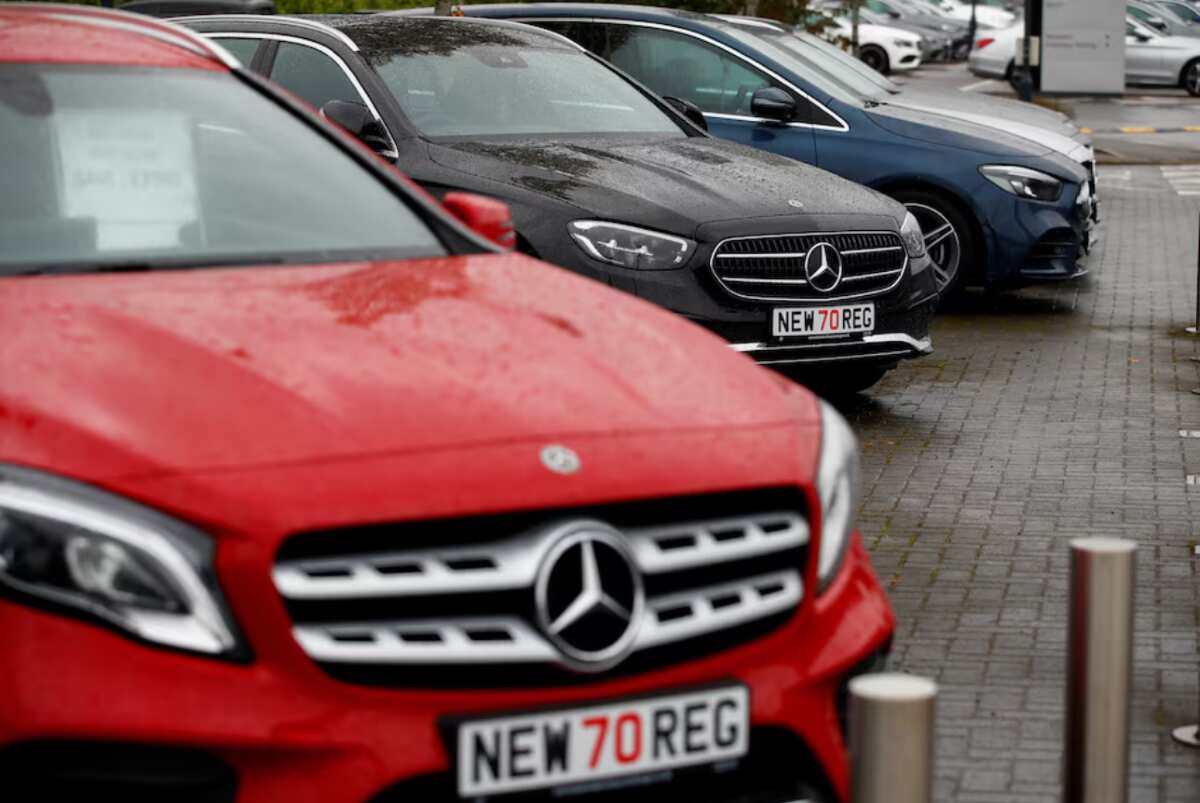
In April, a total of 61,820 cars were produced, compared to 66,527 units in the same month last year.
Britain's car production experienced a 7% decline year-on-year in April, marking the second consecutive month of reduced output. This trend reflects the automotive industry's shift towards electric vehicle (EV) production and the phasing out of older models, according to data released by the Society of Motor Manufacturers and Traders (SMMT).
In April, a total of 61,820 cars were produced, compared to 66,527 units in the same month last year. This follows a significant drop of 27.1% in production volumes observed in March. The decline highlights a period of transition as manufacturers adapt to new technological and regulatory landscapes.
Mike Hawes, CEO of SMMT, emphasised the need for governmental support during this critical phase. "With a general election approaching, the incoming government must create conditions that support the competitiveness of UK manufacturing and the investment needed to transition to a net zero future," he stated.

Rising share of EVs
Despite the overall decline in production, the proportion of electrified vehicles has increased. Electrified vehicles, including fully electric models, plug-in hybrids, and full hybrids, accounted for 40.5% of all cars produced in April, up from 37.7% in the same period last year. This shift underscores the industry's commitment to reducing carbon emissions and meeting future environmental standards.
The SMMT reported a modest 0.1% rise in the production of EVs, with a total of 25,031 units produced. This growth is part of a broader trend as major manufacturers invest heavily in EV production. Companies like Nissan and Tata Motors, the owner of Jaguar Land Rover, have invested billions in their UK operations to support their EV plans, aiming to contribute to the country's goal of achieving net zero emissions by 2050.
&imwidth=180&imheight=135&format=webp&quality=medium)
Man dies at Six Flags Georgia: Past accidents at Six Flags amusement parks across US
&imwidth=180&imheight=135&format=webp&quality=medium)
Rahul Gandhi speaks on Anti-CeC protests: Gathering over tea after Supreme Court rally
&imwidth=180&imheight=135&format=webp&quality=medium)
China's counter-surveillance industry booms amid heightened espionage fears | Gravitas
&imwidth=180&imheight=135&format=webp&quality=medium)
1,500 drones illuminate Mumbai sky as Cordelia Cruises unveils second ship, Cordelia Sky
&imwidth=180&imheight=135&format=webp&quality=medium)
New Delhi rejects Beijing’s claims and remarks on Ladakh location naming exercise
&imwidth=180&imheight=135&format=webp&quality=medium)
Cornell University suspends fraternity parties over 2024 gang rape allegations
&imwidth=180&imheight=135&format=webp&quality=medium)
'Turn approver, resign, we'll forgive you': Rahul Gandhi claims receiving messages from CEC Gyanesh Kumar
&imwidth=180&imheight=135&format=webp&quality=medium)
Ken Paxton's Dubai night out with two US fugitives sparks political storm as Texas Senate race tightens
&imwidth=180&imheight=135&format=webp&quality=medium)
CMs Vijay-Naidu meet in Vijayawada, discuss water sharing, river-linking
&im=FitAndFill=(700,400)&imwidth=180&imheight=135&format=webp&quality=medium)
New OTT releases this week (October 12-18, 2026): Sacrifice, Koffee with Karan S9, Roadies Rebirth- 6 titles coming on Netflix, JioHotstar and more
&imwidth=180&imheight=135&format=webp&quality=medium)
MI5 chief warns Russia is UK’s ‘aggressor number one’ as Iran and AI threats grow
&imwidth=180&imheight=135&format=webp&quality=medium)
Pope Leo XIV diagnosed with lung cancer after surgery, Vatican says 'successful surgery and recovering'
&imwidth=180&imheight=135&format=webp&quality=medium)
'Ouch!!! That must hurt': Kangana Ranaut hails Kamal Haasan's sharp reply to Elon Musk over Starlink row
&imwidth=180&imheight=135&format=webp&quality=medium)
Mundhe: Fight against unsafe food goes on
&imwidth=180&imheight=135&format=webp&quality=medium)
US Midterms 2026: In Alaska, cost-of-living anxiety meets strangest ballot in high-stakes Senate race
&imwidth=180&imheight=135&format=webp&quality=medium)
Trump accuses Houthis of driving up oil prices before US midterms, warns of consequences
&imwidth=180&imheight=135&format=webp&quality=medium)
Blasts heard in Sanaa as Saudi-led coalition warns civilians to evacuate; Houthis vow retaliation
&imwidth=180&imheight=135&format=webp&quality=medium)
Inside the alleged drug-money trail behind a Mumbai couple’s properties
&imwidth=180&imheight=135&format=webp&quality=medium)
Suicidal man survives jump from 11th floor in Japan, could now be tried for murder
&imwidth=180&imheight=135&format=webp&quality=medium)
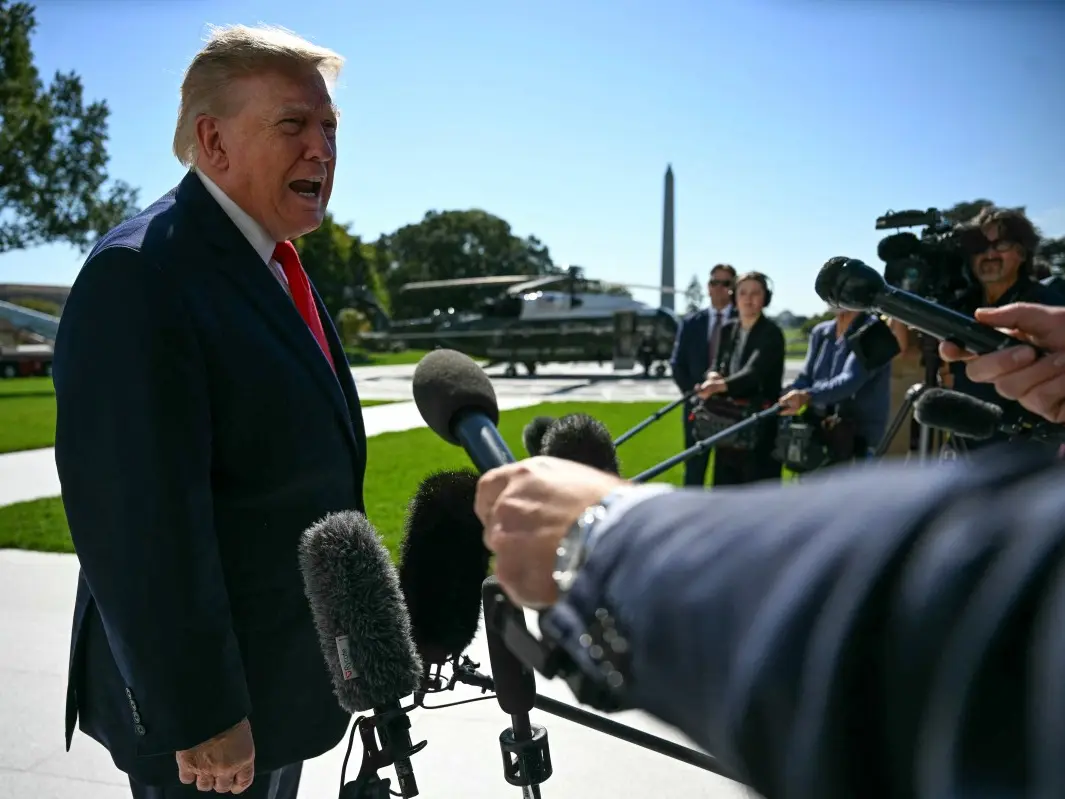
Trump says Republicans face equally tough fight in House and Senate midterms
&imwidth=180&imheight=135&format=webp&quality=medium)
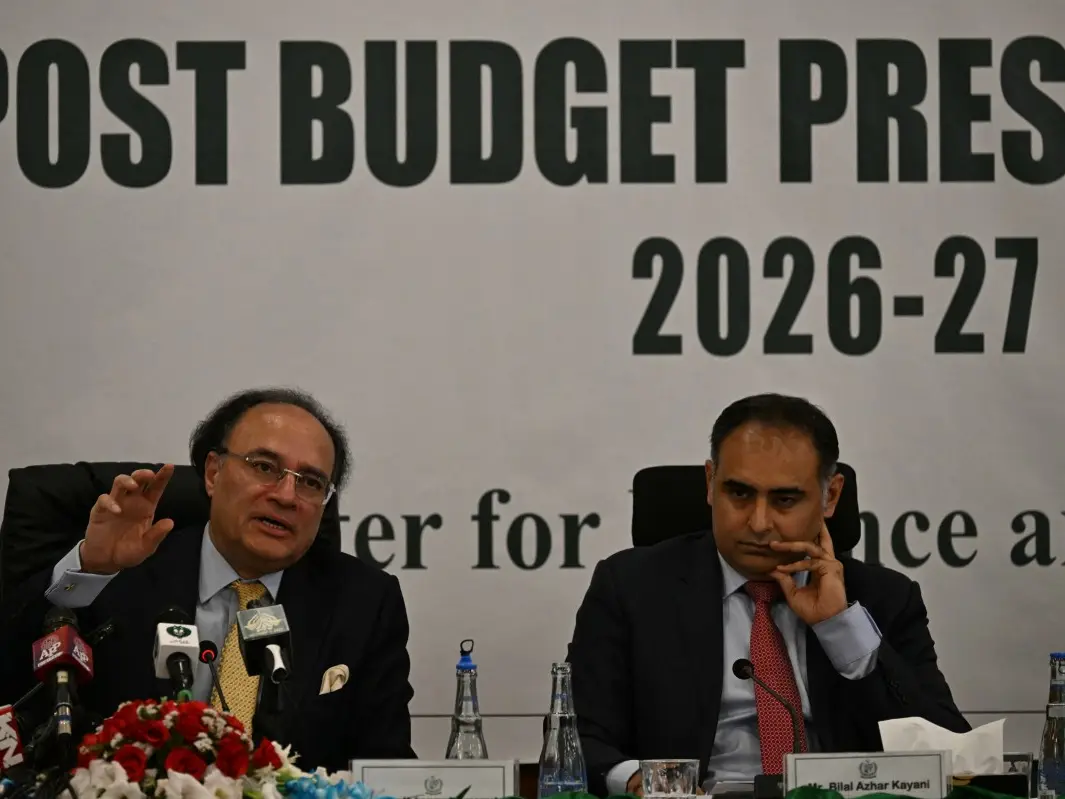
Pakistan to chair UN-backed global Borrowers’ Platform as its own debt burden mounts, triggers sarcastic reactions on social media
&imwidth=180&imheight=135&format=webp&quality=medium)
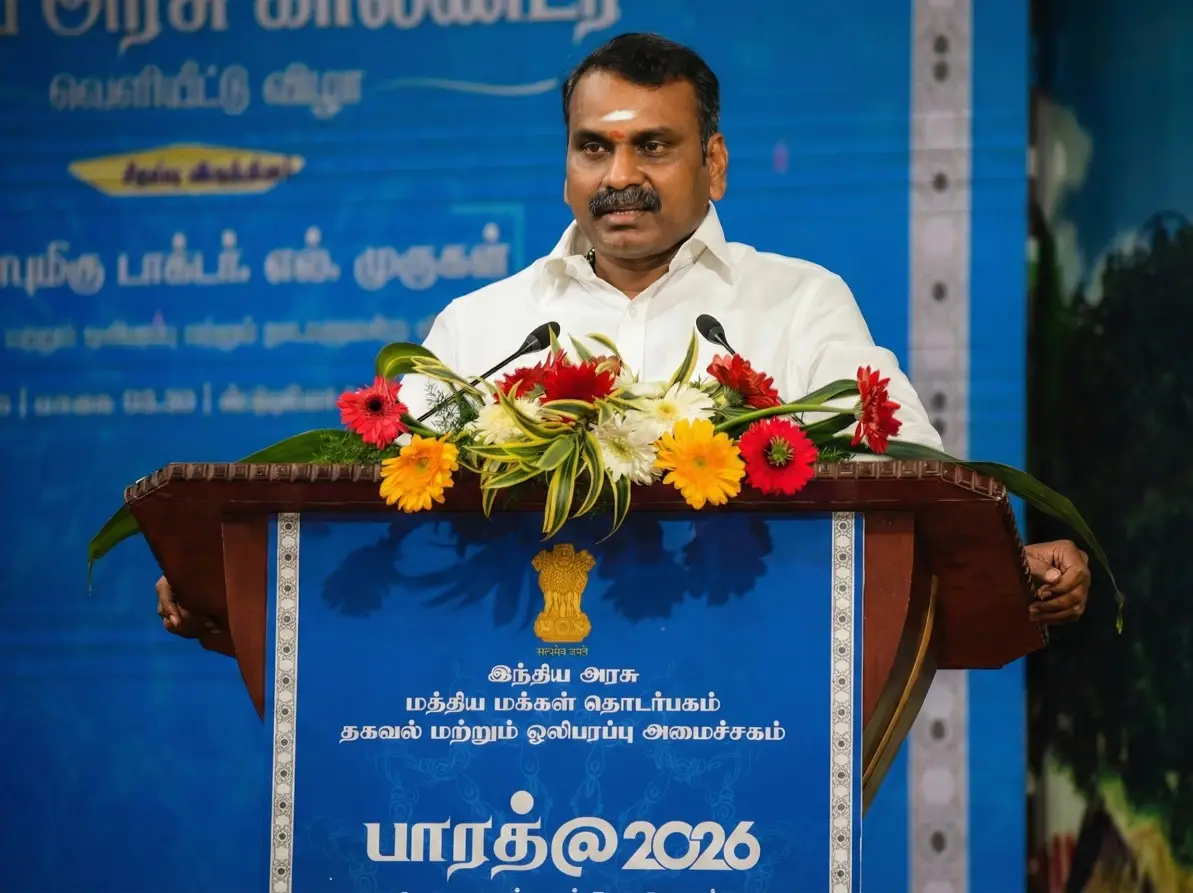
L Murugan resigns as Union Minister, expresses wish to return to grassroots
&imwidth=180&imheight=135&format=webp&quality=medium)
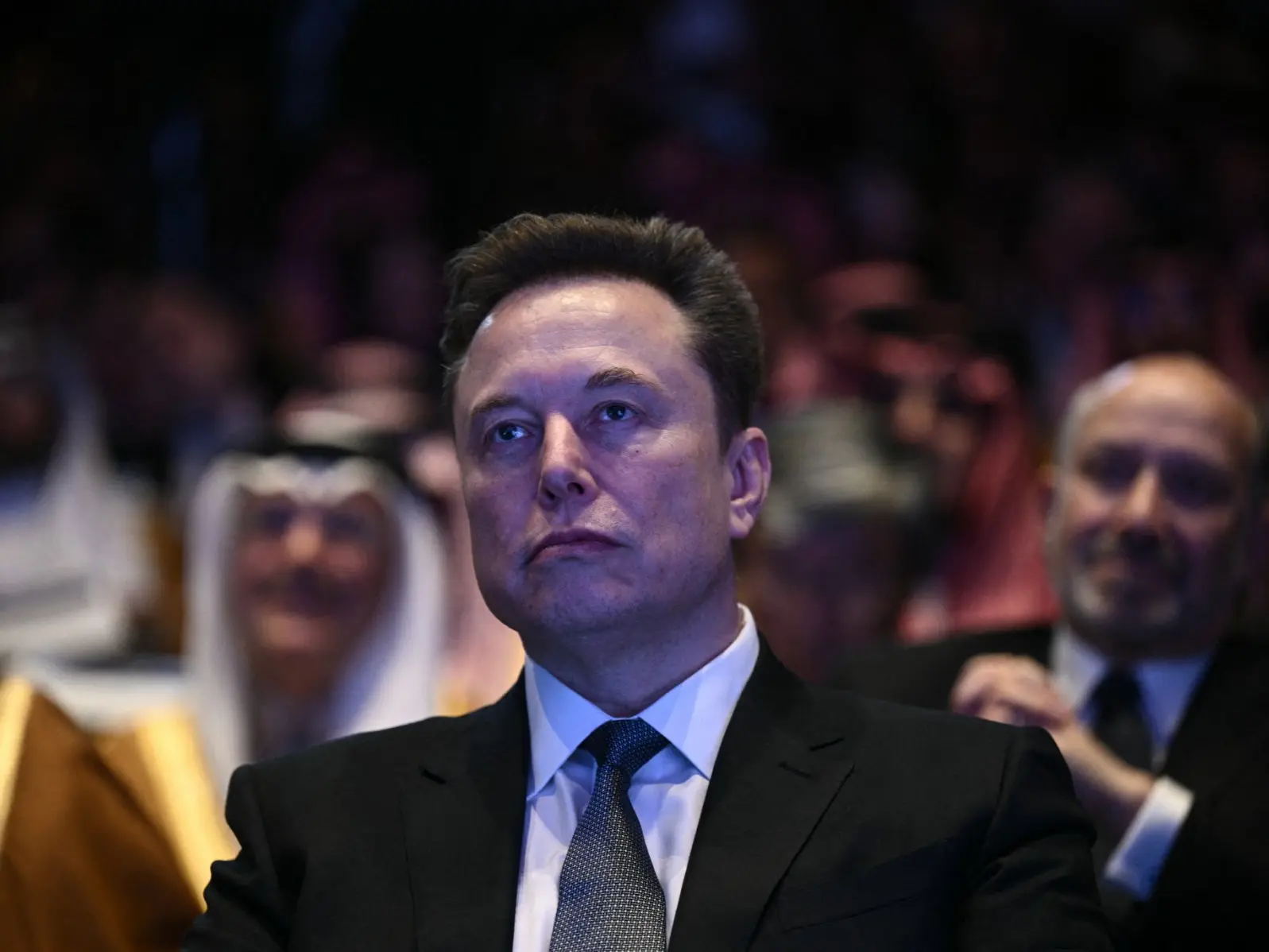
France accuses Musk of ‘online harassment’ of European leaders, warns of poll interference
&imwidth=180&imheight=135&format=webp&quality=medium)
Anupam Kher joins Ranbir Kapoor's Ramayana as Jatayu, new poster unveiled
&imwidth=180&imheight=135&format=webp&quality=medium)
Robot gropes girl, makes thrusting movements in bizarre crime in Germany
&imwidth=180&imheight=135&format=webp&quality=medium)
Sidhu Moose Wala’s younger brother wins hearts by recreating late singer’s signature move at Toronto Hologram Show
&imwidth=180&imheight=135&format=webp&quality=medium)
Marco Rubio to visit India next week, focus on energy cooperation and strategic ties
&imwidth=180&imheight=135&format=webp&quality=medium)
‘My president, I mean my husband’: Trump's new press secretary Katie Zacharia's first briefing goes off the rails in 14 minutes
&im=FitAndFill=(700,400)&imwidth=180&imheight=135&format=webp&quality=medium)
Navratri 2026: 9 days, 9 forms of Goddess Durga and 9 colours- Check the complete list
&imwidth=180&imheight=135&format=webp&quality=medium)
Measles kills again: 6 dead in Pennsylvania as America faces its worst outbreak in decades | Gravitas
&imwidth=180&imheight=135&format=webp&quality=medium)
OpenAI employee arrested by FBI after allegedly hiding recording device in office
&imwidth=180&imheight=135&format=webp&quality=medium)
Saudi Arabia strikes Yemen oil sites as Houthi missiles target Riyadh; 'limited fire' breaks out at Aramco
&imwidth=180&imheight=135&format=webp&quality=medium)
Girl 'dead' for 8 hours wakes up at her own funeral, dad insists she wasn't breathing
&imwidth=180&imheight=135&format=webp&quality=medium)
UK school ditches technology, shifts from screen to pen and paper for learning
&im=FitAndFill=(700,400)&imwidth=180&imheight=135&format=webp&quality=medium)
IMF World Economic Outlook: 10 economies to watch for growth in FY27 and FY28 - Where does India stand?
Challenges and opportunities in the EV transition
The decline in traditional car production and the shift towards EVs present both challenges and opportunities for the UK automotive industry. The transition requires substantial investment in new technologies, infrastructure, and workforce training. Additionally, there is a need for supportive policies to foster a favourable environment for this transformation.
The gradual phasing out of existing models is a necessary step as manufacturers retool their plants and supply chains to accommodate EV production. This period of adjustment is crucial for ensuring long-term sustainability and competitiveness in the global market.
Year-to-date performance and future outlook
For the year to date, UK car production is down 0.8% compared to 2023 volumes. This slight decline reflects the ongoing challenges faced by the industry, including supply chain disruptions and economic uncertainties. However, the increasing share of electrified vehicles offers a positive outlook for the future.
Industry experts believe that continued investment and innovation in the EV sector will drive growth and help the UK maintain its position as a leading player in the global automotive market. The government's role in supporting this transition, through policies and incentives, will be crucial in ensuring the industry's success.
Britain's car production decline in April highlights the automotive industry's transitional phase as it moves towards electric vehicle production. With the proportion of electrified vehicles rising and significant investments from major manufacturers, the future of the UK's automotive industry looks promising. However, sustained governmental support and strategic planning will be essential to navigate the challenges and capitalise on the opportunities presented by this shift.
(Inputs from Reuters)