Biden administration allocates USD 1.1 bn in grants to GM and Stellantis for EV plant conversions


US President Joe Biden
In a monumental move towards a greener future, the Biden administration has announced plans to award nearly USD 1.1 billion in grants to General Motors (GM) and Stellantis. These funds will be used to convert existing manufacturing plants into facilities capable of producing electric vehicles (EVs) and their components. This initiative is part of a broader USD 1.7 billion grant package aimed at transforming 11 "at-risk" plants across eight states, ensuring the production of up to 1 million EVs annually, retaining 15,000 existing jobs, and creating an additional 3,000 positions.
Energy Secretary Jennifer Granholm described the grants as a pivotal element of the Biden administration's industrial strategy. "These awards will modernise historical auto manufacturing facilities," she stated, highlighting the administration's commitment to keeping the U.S. auto industry competitive on a global scale. Granholm emphasised the need for federal support in the transition to electric mobility, pointing out that other countries have heavily subsidised their auto industries. "This massive investment is all about competing globally," she added.
Key plants in strategic states

The grants will support plants in crucial states such as Michigan, Ohio, Pennsylvania, Georgia, Illinois, Indiana, Maryland, and Virginia. These states are significant not only for their industrial output but also for their political importance in the upcoming presidential election. President Joe Biden has been actively pushing U.S. automakers to increase EV production, introducing tax incentives and funding for EV charging infrastructure, while regulators have implemented stricter emissions standards to drive EV sales.
Opposition and political implications
Former President Donald Trump has vehemently criticised Biden's EV policies, pledging to reverse them if re-elected. The White House, meanwhile, is making concerted efforts to reassure union workers in key battleground states that the shift to EVs will not result in job losses. This political backdrop adds an extra layer of complexity to the administration's EV push, as it balances environmental goals with economic and employment considerations.
)
Oxford United's new clothing line featured 'United 93' phase
)
Pentagon revives mandatory testosterone testing for male troops aged 30 and above
)
Mark Carney mimics Trump in hilarious moment over C$70 billion clean-energy investment; room erupts in laughter
)
Iran rebuilding nuclear facilities? New satellite images show Tehran may be rapidly restoring bombed Parchin base
)
It's a girl! Deepika Padukone and Ranveer Singh welcome their second child
)
FACT CHECK: Why did PM Modi ask Xi ‘is it okay’ at BRICS Summit? New video reveals...
)
Putin: European leaders using war rhetoric to save falling ratings
)
China may have gained access to US's classified F-35 jets; parts meant for repairs diverted to Hong Kong, sparking Pentagon inquiry
)
Arvind Kejriwal, family members, Delhi CM Rekha Gupta get SIR notices
)
Cochin shipyard starts building Indian Navy's next-gen missile vessels
)
Claude led 26% of Anthropic's AI R&D work
)
Brigitte Bardot’s private collection set for Paris auction; key items and prices revealed
)
Why Ranveer Singh’s Dhurandhar missed India’s Oscar entry; FFI jury member reveals what happened
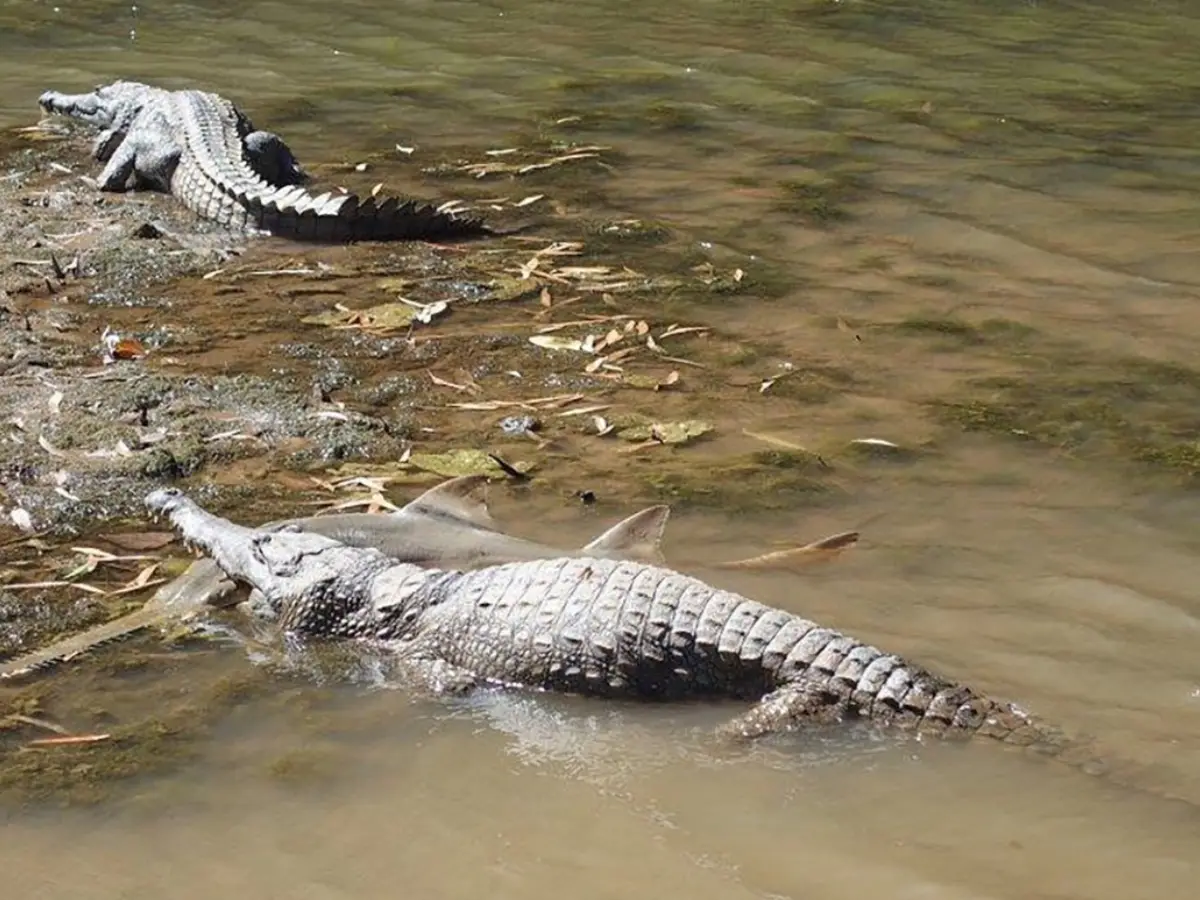)
How did an Australian river with 500 crocodiles pass the Olympic test? Here's how
)
‘Will go to any extent’: Pakistan vows to defend Saudi Arabia amid Houthi attacks
&im=FitAndFill=(700,400))
Ananya Panday to Sharvari: 5 actresses serving major princess vibes
66 years of the Indus Waters Treaty: How India and Pakistan settled a bitter river dispute
)
The Verdict | When precision fails: US commits war crime in Minab school strike, UN finds
Russia attacks Ukraine with 174 drones, kills 8; 2 vessels hit in Black Sea
)
Trump signs Russia sanctions bill into law, targets Moscow’s energy sector
)
Pak: A series of counter terrorism operations in Khyber Pakhtunkhwa
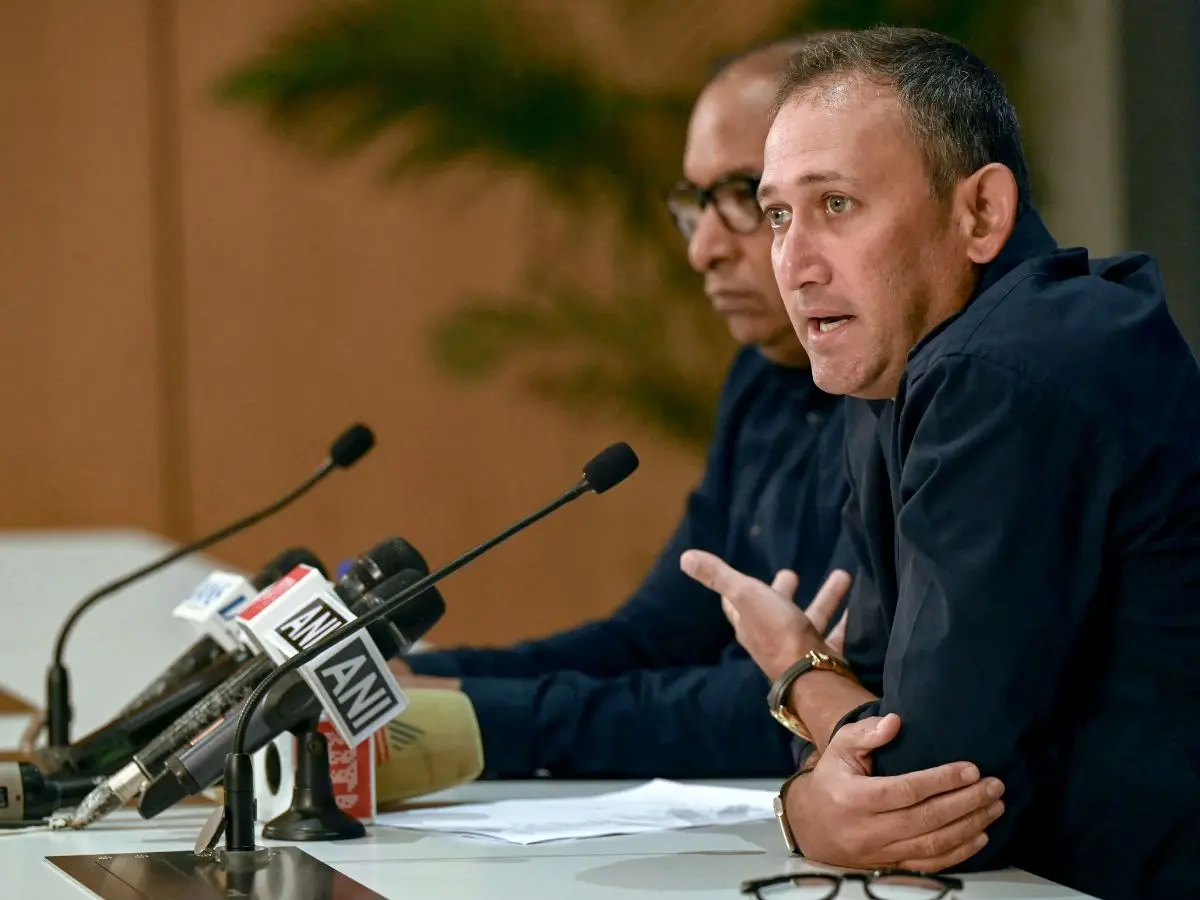)
Ajit Agarkar’s future as chief selector to be decided at right time, says BCCI secretary
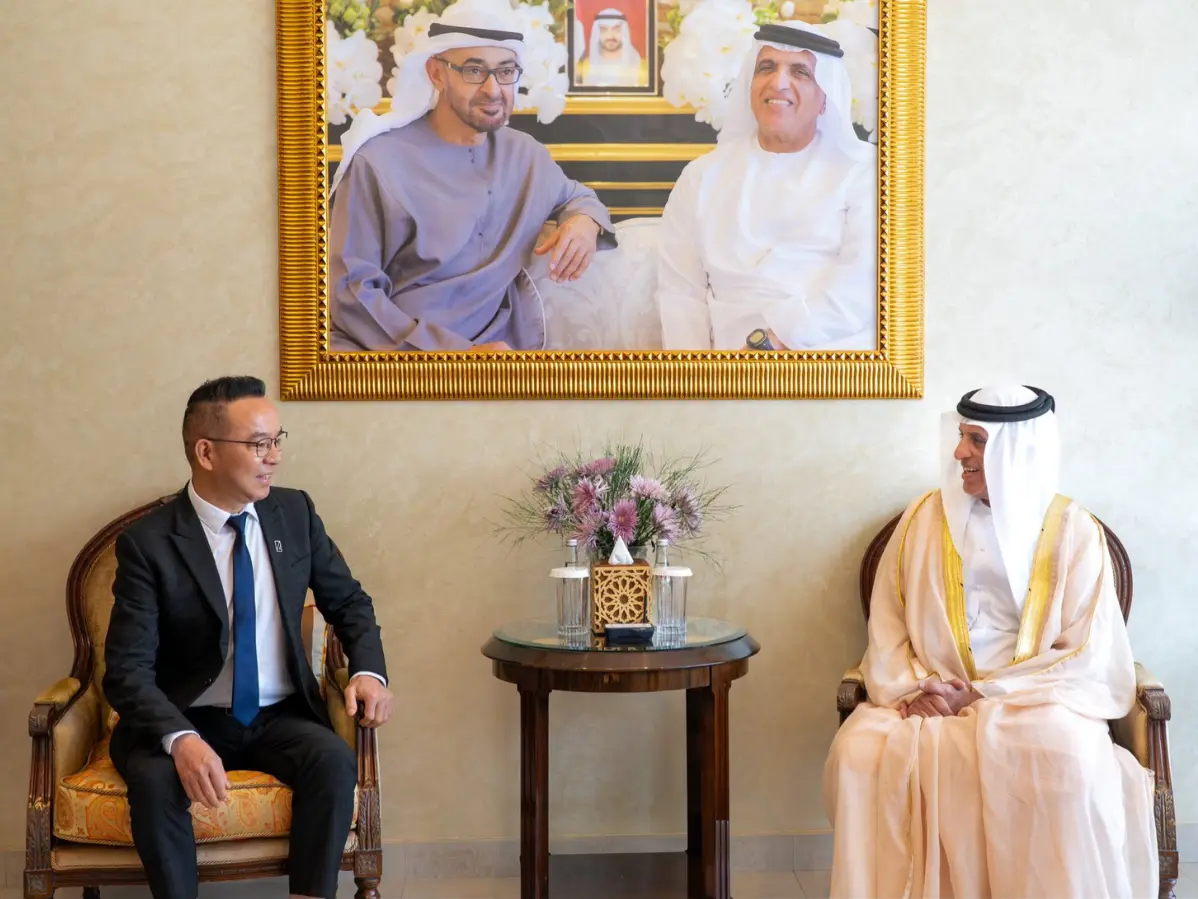)
Flying cars in UAE: Ras Al Khaimah signs deal with Chinese company to test new transport
)
Reacher star Alan Ritchson opens up about alleged blackmail, suicide attempt during difficult period
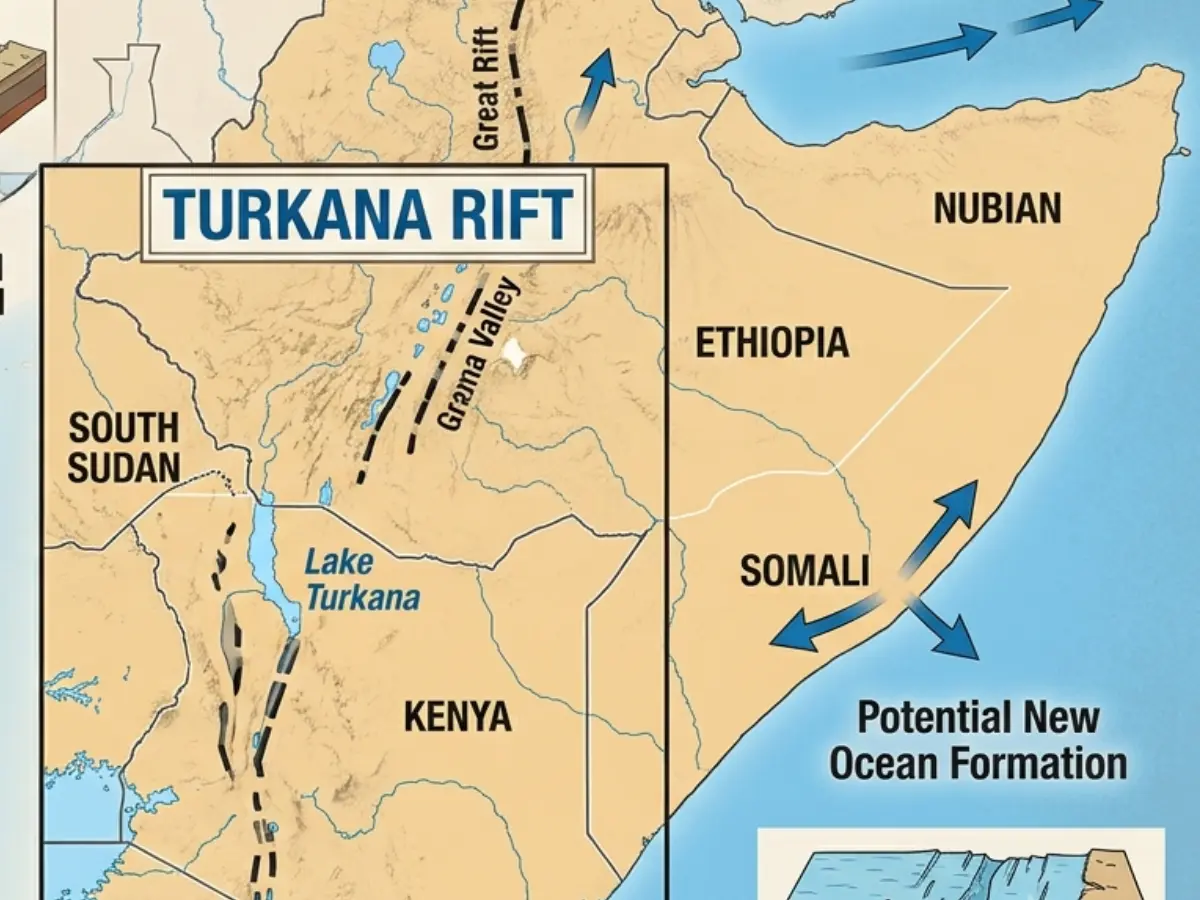)
Africa is splitting, and a lot sooner than estimated, giving way to a new ocean
)
Trump bans CNN, MS NOW and Politico from White House over ‘FAKE NEWS’
)
Trump 2.0: Dark days ahead for America’s ‘imperial presidency’
)
New brain discovery could aid neurological disease studies
&im=FitAndFill=(700,400))
How many F-35s does Britain, Japan and Israel have?
)
Tirupati Laddu ghee adulterated with chemicals, says ED, supplier arrested
)
IIT Bombay student dies by suicide, was caught seeking AI help during exams
)
Trump extends H-1B visa's $100,000 fee until September 2027: What it means for Indians?
)
Russia holds first parliamentary elections since the beginning of the Ukraine war
&im=FitAndFill=(700,400))
Meet top 5 Indian batters with fastest T20I centuries
)
Extreme warming in Indian Ocean added 695 billion tons of ice to Antarctica ice sheet
)
)
Details of the grants and expected outcomes
General Motors will receive $500 million to convert its Lansing Grand River Assembly Plant in Michigan for future EV production. While GM has not specified the exact models to be produced, it confirmed that the plant will continue manufacturing the Cadillac CT4 and CT5 in the interim.
Stellantis, which recently agreed to a new union contract involving a $3.2 billion battery plant and a $1.5 billion mid-size truck factory in Belvidere, Illinois, will benefit significantly from the grants. The Department of Energy (DOE) plans to award Stellantis $334.8 million to convert the Belvidere Assembly plant for EV production and $250 million to upgrade its Indiana Transmission Plant in Kokomo for EV components. Stellantis remarked that these grants are crucial for expanding their range of electrified vehicles.
Additional beneficiaries and future plans
Other companies receiving grants include Hyundai Mobis, which will get $32 million to produce plug-in hybrid components and battery packs in Ohio. Harley-Davidson will receive $89 million to expand its York, Pennsylvania plant for EV motorcycle production. Blue Bird, a manufacturer of school buses, will get $80 million to convert a former Georgia plant to produce electric school buses. Engine company Cummins will receive $75 million to convert part of an Indiana plant for zero-emission components and electric powertrain systems.
Furthermore, the DOE plans to award $208 million to the Volvo Group to upgrade plants in Maryland, Virginia, and Pennsylvania to boost EV production capacity. ZF North America will receive $157 million to convert part of its Marysville, Michigan plant for EV component production.
Finalising the awards
Before these awards are finalised, the DOE must complete negotiations with the companies regarding milestones, requirements, and environmental reviews. This rigorous process ensures that the investments align with the administration's broader goals of sustainability, job creation, and economic competitiveness.
The Biden administration's allocation of nearly $1.1 billion in grants to GM and Stellantis represents a significant investment in the future of the U.S. auto industry. By modernising existing plants and boosting EV production, this initiative aims to position the U.S. as a leader in electric mobility, while also addressing the political and economic challenges of the transition. As the U.S. navigates this complex landscape, the success of these grants will be critical in shaping the future of the automotive sector and the broader economy.
(Inputs from Reuters)