YEARENDER 2025: Chip wars led to firms being caught between policy, Trump and China

&imwidth=600&imheight=450&format=webp&quality=medium "YEARENDER 2025: Chip wars led to firms being caught between policy, Trump and China")
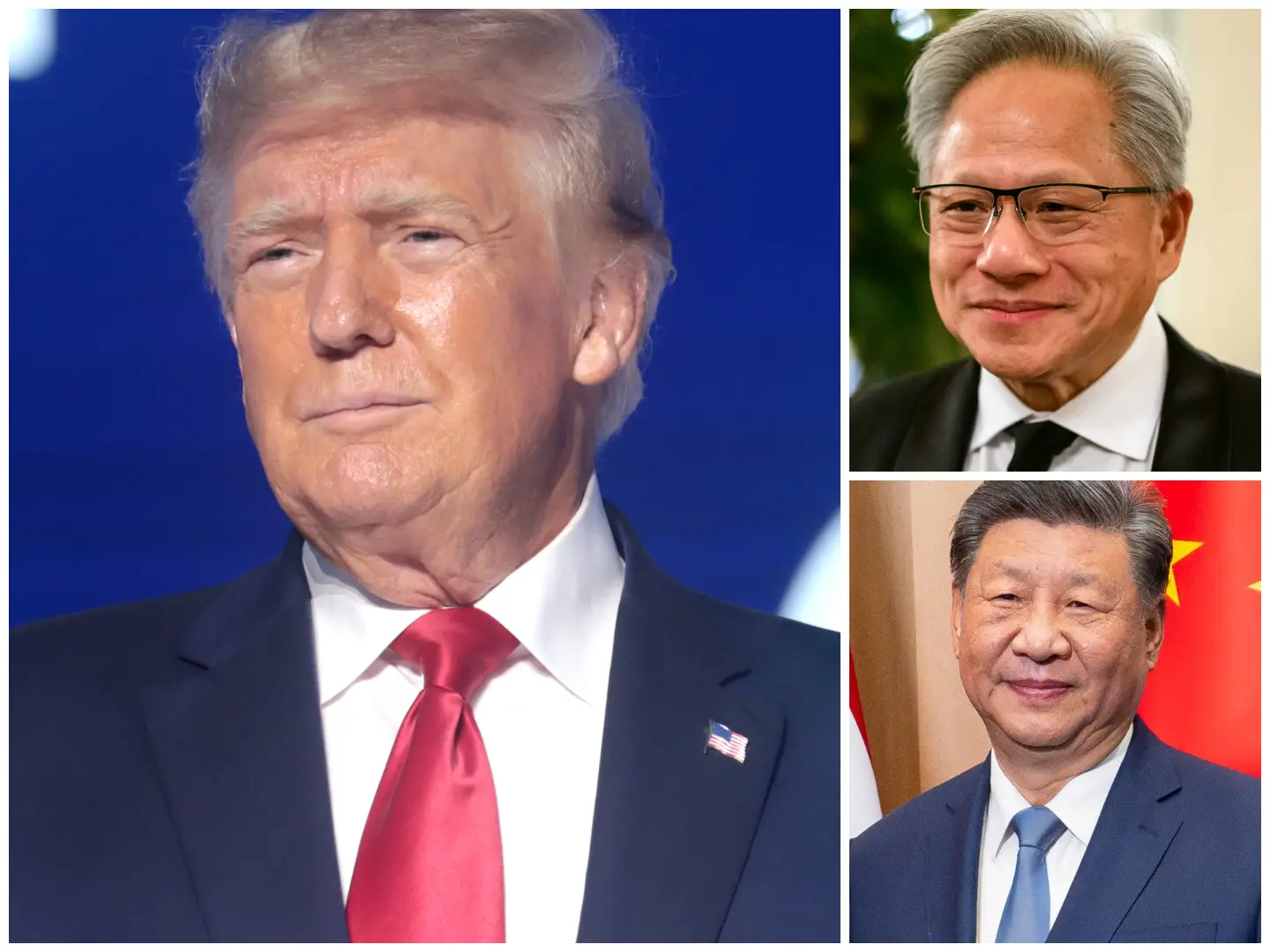
NVIDIA, led by Jensen Huang was caught in the middle of chip war between the US and China Photograph: (Others)
The US-China chip war continued to reshape global supply chains as export controls in 2025. Curbs on AI chips, rare earth elements and policy shifts under Trump hit firms like Nvidia. Here is a roundup
In 2025, the semiconductor rivalry between the US and China, often called ‘chip war’, continued. The US used export controls to limit China's access to advanced chip technologies. China, which is making progress on artificial intelligence and military applications, responded with steps to strengthen domestic semiconductor capabilities and export controls on critical inputs such as rare earths. Supply chains, investment patterns and industry strategies were affected, with many US companies, including AI chip giant Nvidia, seeing impacts due to the chip war.
Export controls became a tool for chip wars
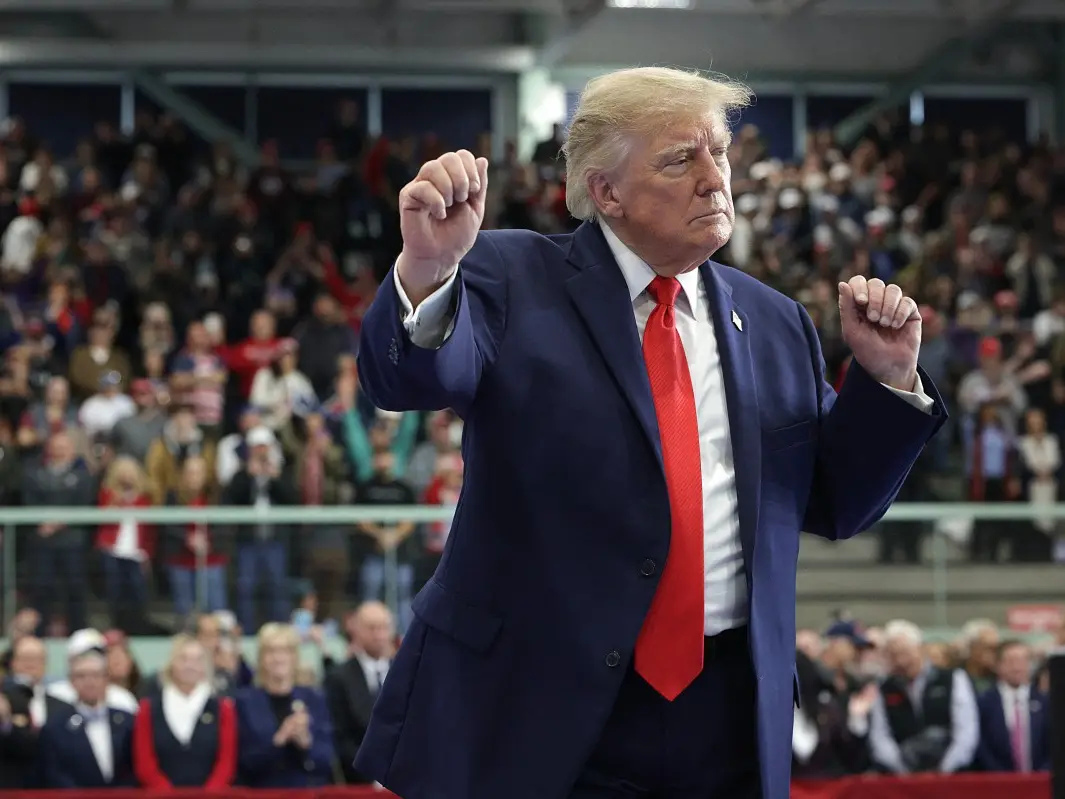
As the year began, US export controls restricted sales of advanced AI chips and related technology to China. Firms like Nvidia faced significant revenue losses and costs related to restrictions on advanced AI chips and access to the Chinese market. US officials explained the restrictions as national security steps, but they were criticised by industry leaders for harming competitiveness and incentivising China to expand independent innovations. After Donald Trump became US president in January, he eased some export controls on advanced AI chips to “approved customers” in China, allowing sales of Nvidia’s H200 chip subject to profit sharing with the US government. These policy shifts were interpreted as efforts to maintain US companies’ market access.
China responded to US restrictions on chips with its own curbs
China asked the US to reverse what it called discriminatory semiconductor export controls, which it claimed were harming its industry and global supply chains.
Trending Stories
&imwidth=280&imheight=210&format=webp&quality=medium)
&imwidth=280&imheight=210&format=webp&quality=medium)
&imwidth=280&imheight=210&format=webp&quality=medium)
&imwidth=280&imheight=210&format=webp&quality=medium)
&imwidth=280&imheight=210&format=webp&quality=medium)
&imwidth=280&imheight=210&format=webp&quality=medium)
&imwidth=280&imheight=210&format=webp&quality=medium)
&imwidth=280&imheight=210&format=webp&quality=medium)
&imwidth=280&imheight=210&format=webp&quality=medium)
&imwidth=280&imheight=210&format=webp&quality=medium)
&imwidth=280&imheight=210&format=webp&quality=medium)
&imwidth=280&imheight=210&format=webp&quality=medium)
&imwidth=280&imheight=210&format=webp&quality=medium)
&imwidth=280&imheight=210&format=webp&quality=medium)
&imwidth=280&imheight=210&format=webp&quality=medium)
&imwidth=280&imheight=210&format=webp&quality=medium)
&imwidth=280&imheight=210&format=webp&quality=medium)
&imwidth=280&imheight=210&format=webp&quality=medium)
&imwidth=280&imheight=210&format=webp&quality=medium)
&imwidth=280&imheight=210&format=webp&quality=medium)
&im=FitAndFill=(700,400)&imwidth=280&imheight=210&format=webp&quality=medium)
&imwidth=280&imheight=210&format=webp&quality=medium)
&imwidth=280&imheight=210&format=webp&quality=medium)
&imwidth=280&imheight=210&format=webp&quality=medium)
&imwidth=280&imheight=210&format=webp&quality=medium)
&imwidth=280&imheight=210&format=webp&quality=medium)
&imwidth=280&imheight=210&format=webp&quality=medium)
&imwidth=280&imheight=210&format=webp&quality=medium)
&imwidth=280&imheight=210&format=webp&quality=medium)
China also placed export restrictions on rare earth elements, an area which it dominates and is crucial to AI chipmaking. As the competition intensified, both sides later agreed to suspend some rare earth export controls in late 2025.
Also read: AI chip war U-turn? Trump allows Nvidia H200 sales to China, says Xi Jinping ‘responded positively’
China increases self-reliance in semiconductor production
Chinese companies and the government raised research spending and production capacity on chips. The government supported local innovation efforts through policy changes, while more Chinese companies expanded their roles across semiconductor supply chains.
Even after export permission was granted, China moved to limit access to certain advanced foreign chips over security concerns, which affected chipmakers like Nvidia.
US-China chip war affected global supply chains
Global supply chains and investment flows were impacted by the ongoing US-China tensions and strategic diversification. The revenues and stock prices of American and allied companies were hit due to the curbs. Chinese firms focused on domestic technology, substituting local suppliers for restricted foreign components. The year also saw the US bolstering its domestic subsidy programmes through CHIPS Act, which envisages new domestic fabrication plants.

