Xi Jinping calls Hormuz 'international waterway' urges immediate reopening

&imwidth=600&imheight=450&format=webp&quality=medium "Xi Jinping calls Hormuz 'international waterway' urges immediate reopening")
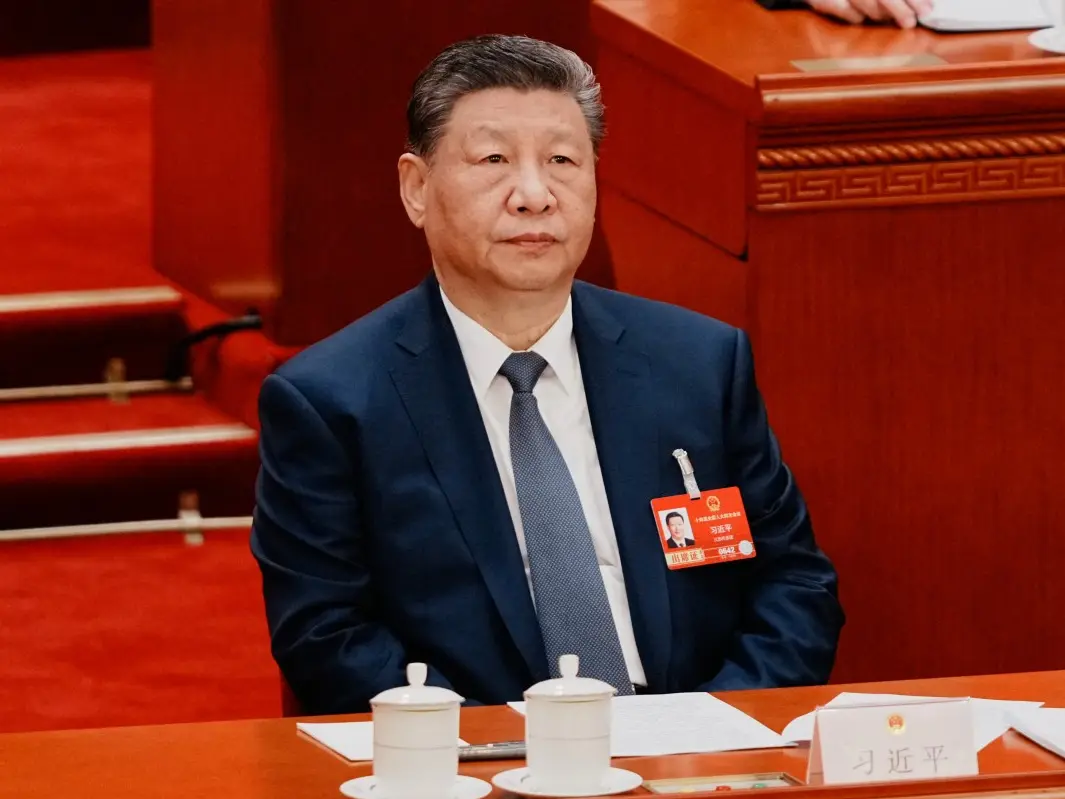
Chinese President Xi Jinping listens to a speech during a plenary session of China's National People's Congress (NPC) at the Great Hall of the People in Beijing on March 9, 2026 Photograph: (AFP)
China’s Xi Jinping urges reopening of the Strait of Hormuz, calling it an international waterway amid escalating US-Iran tensions and global oil concerns.
Chinese President Xi Jinping, on April 20, 2026, called for the immediate reopening of the Strait of Hormuz, calling it an “international waterway” with assertions for an “immediate and comprehensive ceasefire” to restore peace. This comes as Iran claims an inalienable right to the Strait, which lies in its international waterway. His remarks were delivered during a phone conversation with Saudi Crown Prince Mohammed bin Salman. This is the first statement by the Chinese leader on the Strait of Hormuz since its closure.
"The Strait of Hormuz should remain open for normal passage, which aligns with the common interest of countries in the region and the international community," said Chinese President Xi Jinping in his call with the Saudi Crown Prince Mohammed bin Salman. While calling for the reopening of the Strait, Xi avoided specifically blaming either Iran or the US. China advocated for a ceasefire and extended support for restoring peace through diplomatic channels.
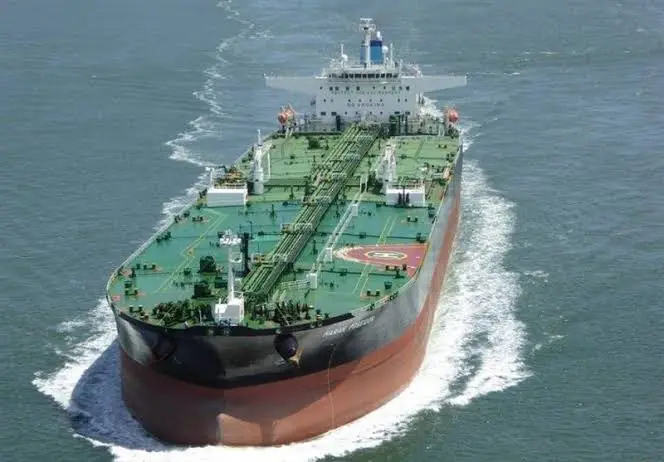
The Chinese Foreign Ministry, through spokesperson Guo, reiterated this position following reports of the US firing on a cargo ship travelling from China heading towards an Iranian port, defying the US blockade. "We express concern over the forced interception of a relevant vessel by the US," said a Chinese Foreign Ministry spokesperson. Iran vowed retaliation and called it a “piracy” act. Responding to questions about Iranian forces firing at an Indian-flagged tanker in the Strait of Hormuz, Guo said, "I have already stated China's position on the Strait of Hormuz issue. We would like to reiterate that the Strait of Hormuz is an international waterway, and keeping it open to navigation serves the common interests of countries in the region and the international community."
China is shifting its stance on the Hormuz
China is the largest importer of Iranian crude. Before the conflict, it received nearly two-thirds of its energy through the Strait; now that the US blockade has started to hurt its economy and create diplomatic and strategic pressure on Beijing over its policy of non-interventionism. While China previously enjoyed a privileged status under Iran's control of the waterway, it is no longer the case in the US blockade. The strategic pivot from Iran's control to calling it an international waterway implies that China is positioning itself as a stabilising voice in the conflict and gaining diplomatic legitimacy as Iran has refused to join the second round of peace talks in Islamabad.
Trending Stories
&imwidth=280&imheight=210&format=webp&quality=medium)
&imwidth=280&imheight=210&format=webp&quality=medium)
&imwidth=280&imheight=210&format=webp&quality=medium)
&imwidth=280&imheight=210&format=webp&quality=medium)
&imwidth=280&imheight=210&format=webp&quality=medium)
&imwidth=280&imheight=210&format=webp&quality=medium)
&imwidth=280&imheight=210&format=webp&quality=medium)
&imwidth=280&imheight=210&format=webp&quality=medium)
&imwidth=280&imheight=210&format=webp&quality=medium)
&imwidth=280&imheight=210&format=webp&quality=medium)
&imwidth=280&imheight=210&format=webp&quality=medium)
&imwidth=280&imheight=210&format=webp&quality=medium)
&imwidth=280&imheight=210&format=webp&quality=medium)
&imwidth=280&imheight=210&format=webp&quality=medium)
&imwidth=280&imheight=210&format=webp&quality=medium)
&imwidth=280&imheight=210&format=webp&quality=medium)
&imwidth=280&imheight=210&format=webp&quality=medium)
&imwidth=280&imheight=210&format=webp&quality=medium)
&imwidth=280&imheight=210&format=webp&quality=medium)
&im=FitAndFill=(700,400)&imwidth=280&imheight=210&format=webp&quality=medium)
&imwidth=280&imheight=210&format=webp&quality=medium)
&imwidth=280&imheight=210&format=webp&quality=medium)
&imwidth=280&imheight=210&format=webp&quality=medium)
&imwidth=280&imheight=210&format=webp&quality=medium)
&imwidth=280&imheight=210&format=webp&quality=medium)
&im=FitAndFill=(700,400)&imwidth=280&imheight=210&format=webp&quality=medium)
&imwidth=280&imheight=210&format=webp&quality=medium)
&imwidth=280&imheight=210&format=webp&quality=medium)
&imwidth=280&imheight=210&format=webp&quality=medium)
&imwidth=280&imheight=210&format=webp&quality=medium)
&imwidth=280&imheight=210&format=webp&quality=medium)
&imwidth=280&imheight=210&format=webp&quality=medium)
&imwidth=280&imheight=210&format=webp&quality=medium)
&imwidth=280&imheight=210&format=webp&quality=medium)
&imwidth=280&imheight=210&format=webp&quality=medium)
&imwidth=280&imheight=210&format=webp&quality=medium)
&imwidth=280&imheight=210&format=webp&quality=medium)
&imwidth=280&imheight=210&format=webp&quality=medium)