World first! London surgeons use AI to remove brain tumour, save patient’s sight

&imwidth=600&imheight=450&format=webp&quality=medium "World first! London surgeons use AI to remove brain tumour, save patient’s sight")
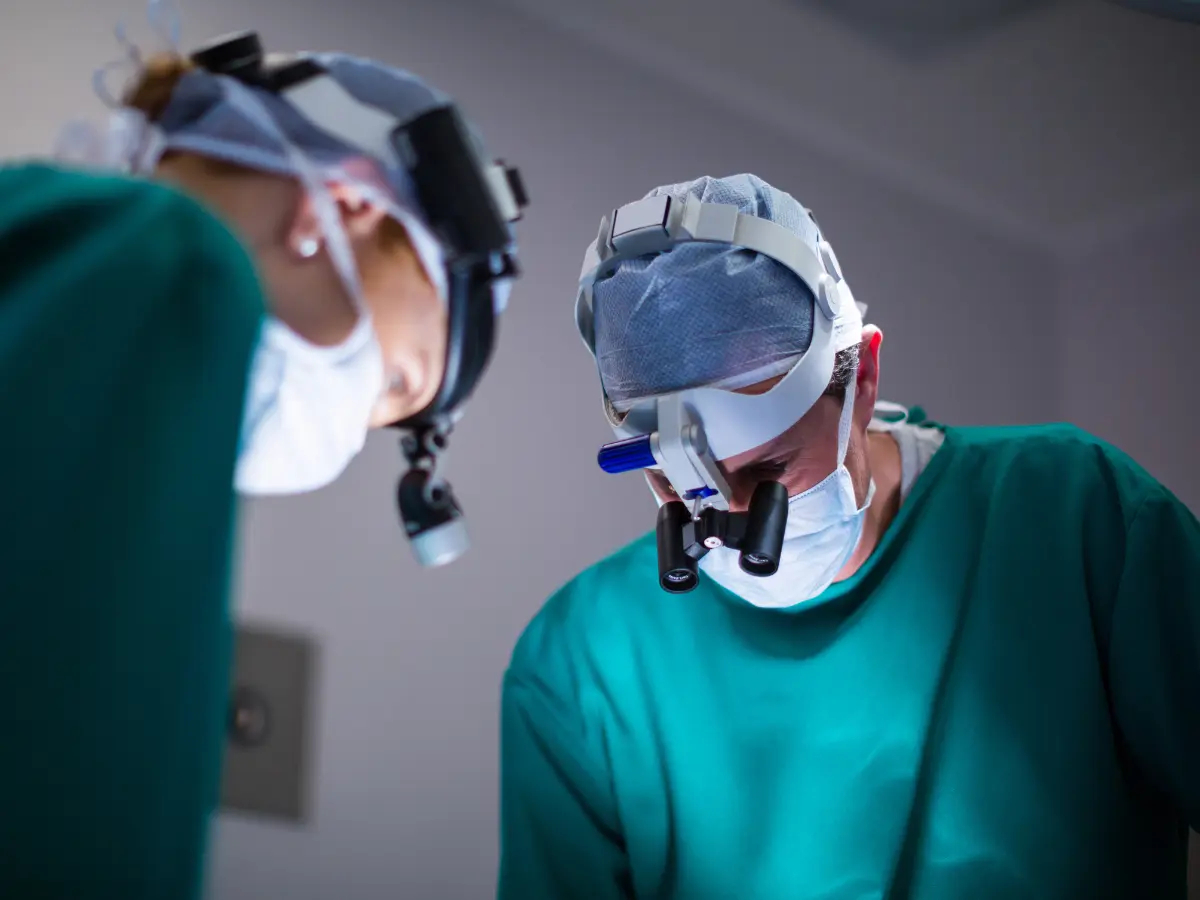
Image for representation Photograph: (Freepik)
Surgeons at London's NHNN performed the world’s first AI-assisted pituitary tumour removal on 48-year-old Rhys Hibbert. The real-time, colour-coded AI guidance protected vital brain structures, saving his vision.
Neurosurgeons in London have performed the world’s first successful AI-assisted operation to remove a brain tumour, saving the sight of a 48-year-old man. The surgery was carried out in May at the National Hospital for Neurology and Neurosurgery (NHNN), part of University College London Hospitals NHS Foundation Trust. Details of the procedure were kept under wraps until Thursday (Aug 27) while the patient, Rhys Hibbert, recovered.
Hibbert had been diagnosed with an 11mm tumour on his pituitary gland in 2024. His condition was initially managed without surgery, but his symptoms later worsened, including severe hormone imbalance and vision problems. Without surgery, he faced the risk of losing his sight, health officials said.
During the operation, the surgical team remained in full control while an AI system analysed live camera footage. The technology helped identify key structures, including nerves and blood vessels, around the tumour that needed to be avoided.
The system uses colour coding to help surgeons identify tiny anatomical structures in the brain and recognise them during delicate procedures. The technology had previously been used at the hospital as a research tool, but Hibbert's operation marked the first time it was used on a patient.
The pituitary gland, blood vessels and nerves responsible for vision are located close together, meaning even a small surgical error can have serious consequences, including blindness, stroke or death, health officials said.
Trending Stories
&imwidth=280&imheight=210&format=webp&quality=medium)
&im=FitAndFill=(700,400)&imwidth=280&imheight=210&format=webp&quality=medium)
&im=FitAndFill=(700,400)&imwidth=280&imheight=210&format=webp&quality=medium)
&imwidth=280&imheight=210&format=webp&quality=medium)
&imwidth=280&imheight=210&format=webp&quality=medium)
&imwidth=280&imheight=210&format=webp&quality=medium)
&imwidth=280&imheight=210&format=webp&quality=medium)
&imwidth=280&imheight=210&format=webp&quality=medium)
&imwidth=280&imheight=210&format=webp&quality=medium)
&imwidth=280&imheight=210&format=webp&quality=medium)
&imwidth=280&imheight=210&format=webp&quality=medium)
&imwidth=280&imheight=210&format=webp&quality=medium)
&imwidth=280&imheight=210&format=webp&quality=medium)
&imwidth=280&imheight=210&format=webp&quality=medium)
&imwidth=280&imheight=210&format=webp&quality=medium)
&imwidth=280&imheight=210&format=webp&quality=medium)
&imwidth=280&imheight=210&format=webp&quality=medium)
&imwidth=280&imheight=210&format=webp&quality=medium)
&imwidth=280&imheight=210&format=webp&quality=medium)
&imwidth=280&imheight=210&format=webp&quality=medium)
&imwidth=280&imheight=210&format=webp&quality=medium)
&imwidth=280&imheight=210&format=webp&quality=medium)
&imwidth=280&imheight=210&format=webp&quality=medium)
&im=FitAndFill=(700,400)&imwidth=280&imheight=210&format=webp&quality=medium)
&imwidth=280&imheight=210&format=webp&quality=medium)
&imwidth=280&imheight=210&format=webp&quality=medium)
&imwidth=280&imheight=210&format=webp&quality=medium)
&imwidth=280&imheight=210&format=webp&quality=medium)
&imwidth=280&imheight=210&format=webp&quality=medium)
&imwidth=280&imheight=210&format=webp&quality=medium)
&imwidth=280&imheight=210&format=webp&quality=medium)
&imwidth=280&imheight=210&format=webp&quality=medium)
&imwidth=280&imheight=210&format=webp&quality=medium)
&imwidth=280&imheight=210&format=webp&quality=medium)
Dr Sophia Bano, an associate professor in robotics and AI at UCL and the technical lead for the system, said the technology had been trained using hundreds of surgical videos.
“By learning from hundreds of surgical videos, [the system] has been exposed to a breadth of surgical examples that would take a surgeon many years to encounter,” Bano told The Guardian.

