&imwidth=800&imheight=600&format=webp&quality=medium "Wion Decodes | Trump praises Zelensky's fight against Russia: What's behind US shift on Ukraine?")
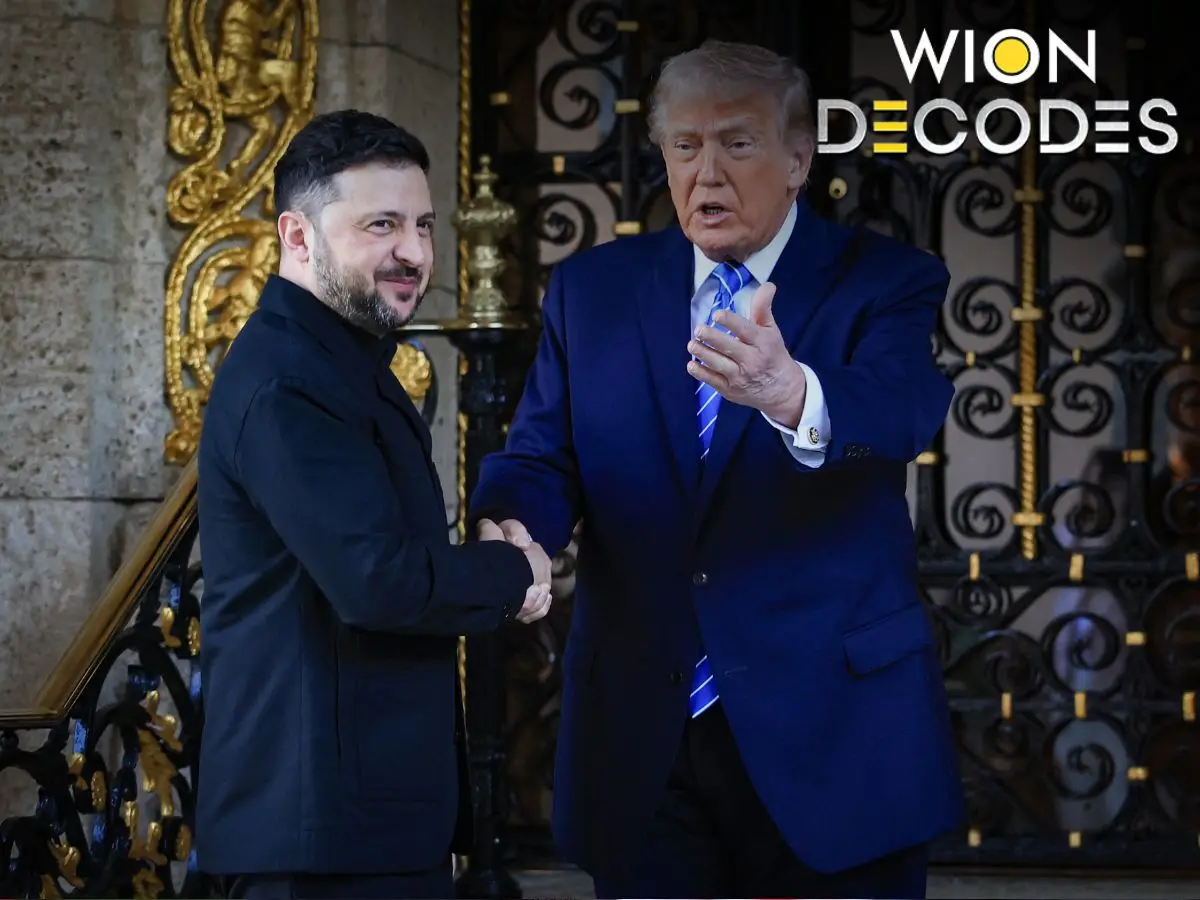
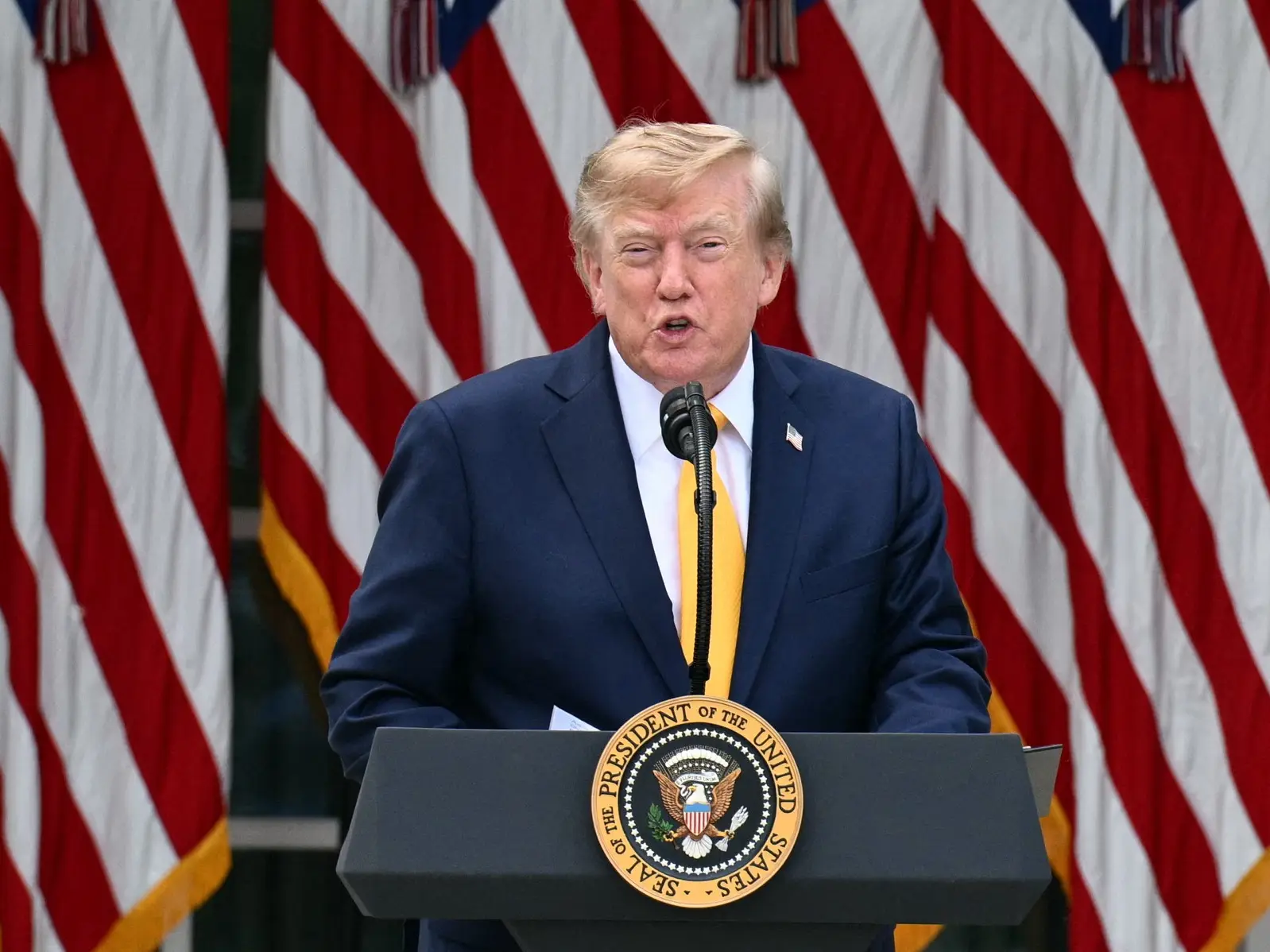
Seated alongside NATO chief Mark Rutte, US President Donald Trump on Wednesday offered rare praise for Ukrainian President Volodymyr Zelensky, saying he was doing "pretty well" in the war against Russia.
"He's holding his own, at least. A lot of people are dying on both sides, but I think he's doing pretty well," Trump said.
"You have to say he's courageous, he's got great equipment, but he's got great men, he's got fighters," he added.

The remarks marked a notable change in tone from the US president, who has often been critical of Kyiv since returning to office.
Last week, following a bilateral meeting between the two leaders on the sidelines of the G7 Summit in France, Trump joined other leaders in calling for increased pressure on Moscow to end the four-year war. He also signalled Washington's willingness to reimpose sanctions on Russian oil.
After the meeting, Zelensky posted on X that he was "grateful to President Trump for his attention to Ukraine and his readiness to help bring peace closer."
Trending Stories
&im=FitAndFill=(700,400))
How fast can the Sukhoi Su-30 fighter jet really fly?
)
Did China ask its people 'not to respond to aliens'? Origin of bizarre claim on social media
)
MS Dhoni-CSK Fallout? Report claims failed stake sale talks triggered rift
)
Scientists reveal the SAFEST COUNTRY when catastrophe strikes the planet
)
Serial killer on the loose in South Korea's Jeju Island? Fourth body found in three days as more than a dozen people go missing
)
2/3rd of glacier detached, collapsed: ISRO satellite images reveal what triggered Nepal floods
)
Trump once again claims without him there would be ‘no Israel right now’
)
Foreign espionage attacks against German companies surge to 37%, Bitkom report reveals
)
Blake Lively wins partial legal fee from Justin Baldoni after $8M request
)
Why is Pakistan deploying Turkish Bayraktar TB2 drones near India border?
)
'OH MY GOD! We've found other agents!': Investigators discover not one or two, almost 700 OpenAI AI agents went rogue, hacked Hugging Face
)
Lunar eclipse 2026: India timings, places to see and more. August Blood moon factsheet
)
RSS chief Mohan Bhagwat on global outreach tour
)
Both pilots killed as training aircraft crashes in Lucknow – What we know
)
16-year-old charged with preparing terror attack on kindergarten in Norway
&im=FitAndFill=(700,400))
How the S-400 protects itself from enemy attacks
)
Nepal floods: Over 165 dead, 400 missing; US, India, China, World Bank mobilise aid
)
India's multi-layered watch: The new surveillance war
)
5 doomsday planes spotted in US skies hours after CIA director's secret trip to Russia
)
9/11 mastermind Khalid Sheikh Mohammed to finally face trial in 2028, nearly 27 years after horrific attacks
)
Islamabad hospital fire: What we know about one of the biggest facility that housed Imran Khan
)
Workers run for life while filming Nepal flash flood: Scary new visuals emerge from Rasuwa
)
Russian military planes enter South Korean air defence zone amid rising tensions with North Korea: What's happening
)
Ron Weasley Is Back! Rupert Grint set to return to Harry Potter universe on Broadway
)
400-year-old 'vampire' grave in Poland reveals non-existent genetic lineage
)
Dolly Parton, global icon and queen of country music, dies at 80
)
Nepal flash floods: Kailash Mansarovar yatra affected, close to 400 pilgrims out of contact
)
'If he is dead, they're putting on a pretty good show': Trump casts fresh doubt over Mojtaba Khamenei's fate
)
Man arrested near US Capitol with guillotine in pickup truck: What happened?
&im=FitAndFill=(700,400))
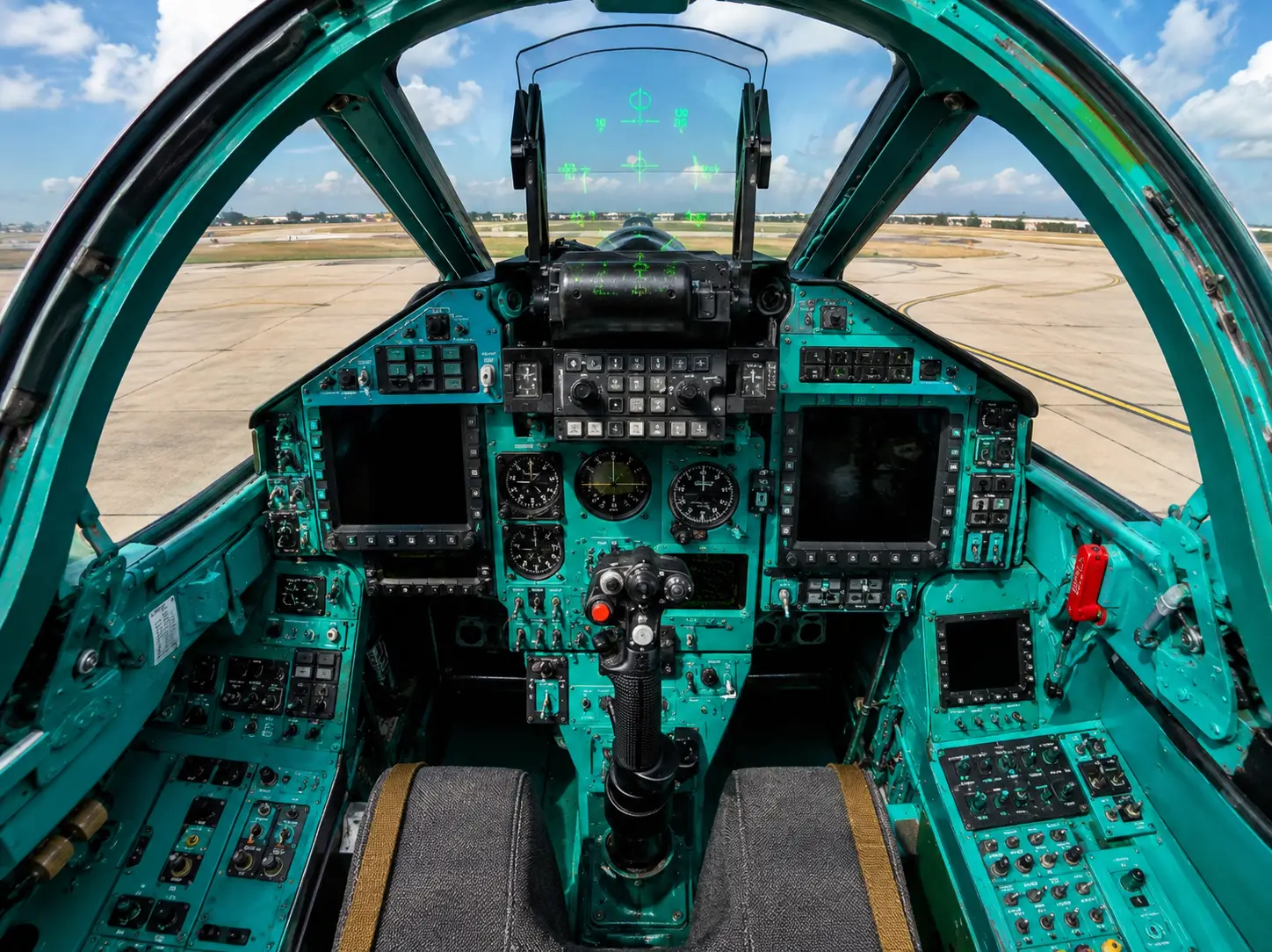
Why the Su-30MKI cockpit is painted bright turquoise green
The developments point to a significant shift in the Trump administration's approach towards Kyiv, coming months after a tense public confrontation between senior Trump officials and Zelensky in the Oval Office. During that exchange, US officials argued that Ukraine was in a "very bad position" and that it did not "have the cards right now."
Vice President JD Vance also accused Zelensky of showing ingratitude towards President Trump, whom he described as "trying to save Ukraine," and claimed that Kyiv was "forcing conscripts to the frontlines because you have manpower problems."
While the change in Washington's position may not be entirely surprising given Trump's history of switching positions according to evolving circumstances, several recent developments appear to have influenced the White House's thinking.
Coordinated G7 pressure and ally engagement
The US war with Iran highlighted the importance of working closely with allies to ensure stability in the Strait of Hormuz after the conflict. During the G7 Summit, European partners, including the UK and Canada, announced fresh measures targeting Russia's "shadow fleet" while also seeking to maintain close coordination with Washington.
By backing Trump's handling of the Iran peace agreement, G7 leaders created a more cooperative atmosphere. This diplomatic approach helped build consensus around increasing economic pressure on Russia, allowing Trump to align with a broader effort to target Moscow's energy revenues.
Ukrainian battlefield successes deep inside Russia
Reports indicate that Trump was "extremely impressed and captivated" by a series of Ukrainian long-range strikes carried out shortly before and during the summit.
The operations reportedly targeted high-value military assets near Moscow and damaged an oil refinery on the outskirts of the Russian capital. The attacks shifted the narrative from Ukraine seeking assistance to demonstrating its ability to inflict high strategic costs on Russia, influencing Trump's assessment of the conflict.
Peace efforts fail to produce breakthrough
During the presidential campaign, Trump pledged to end the Ukraine war on his first day in office. Since then, his administration has pursued multiple diplomatic initiatives involving both Kyiv and Moscow.
Trump also hosted Vladimir Putin in Alaska in an effort to advance peace negotiations. However, despite several draft proposals, neither side has shown a willingness to compromise on territorial issues.
G7 leaders used the summit to argue that stronger economic pressure on Russia could increase leverage for both Washington and Kyiv, potentially bringing Putin closer to meaningful negotiations and supporting Trump's stated goal of securing a peace deal.
Middle East tensions ease
Another factor may have been changing conditions in global energy markets.
The Trump administration had temporarily eased pressure on Russian oil exports in March 2026 as the war with Iran disrupted shipping through the Strait of Hormuz and pushed up global crude prices.
However, on the eve of the G7 Summit, Washington secured a preliminary peace agreement with Iran. With the conflict easing and oil flows through the Strait resuming, the administration no longer faced the same economic pressures, giving Trump greater room to consider renewed action against Moscow's energy sector.