Will other Arab countries follow suit to normalise ties with Israel?

Israel flag
The winds of normalisation are gaining speed in West Asia. After United Arab Emirates, Bahrain has normalised its ties with Israel. Israel has effectively made two peace agreements with two different Arab countries in less than a month, a historic feat. It seems that more Arab nations will follow suit and make peace with Israel.
The Israeli Prime Minister Benjamin Netanyahu is currently in Washington DC to attend a lavish White House ceremony to mark the establishment of full relations with UAE and Bahrain. The foreign ministers of the two countries are expected to join him.

They will be signing a normalisation agreement which is being called “The Abraham Accord”. This will be Israel's third and fourth such peace treaty with Arab states. Israel signed a similar deal with Egypt in 1979, and one with Jordan in 1994. Which countries could be next in line?
Oman
A good bet is Oman, for it congratulated Israel and UAE on their agreement. In the past, Oman has played the role of interlocutor between Israel and the Arab world several times.
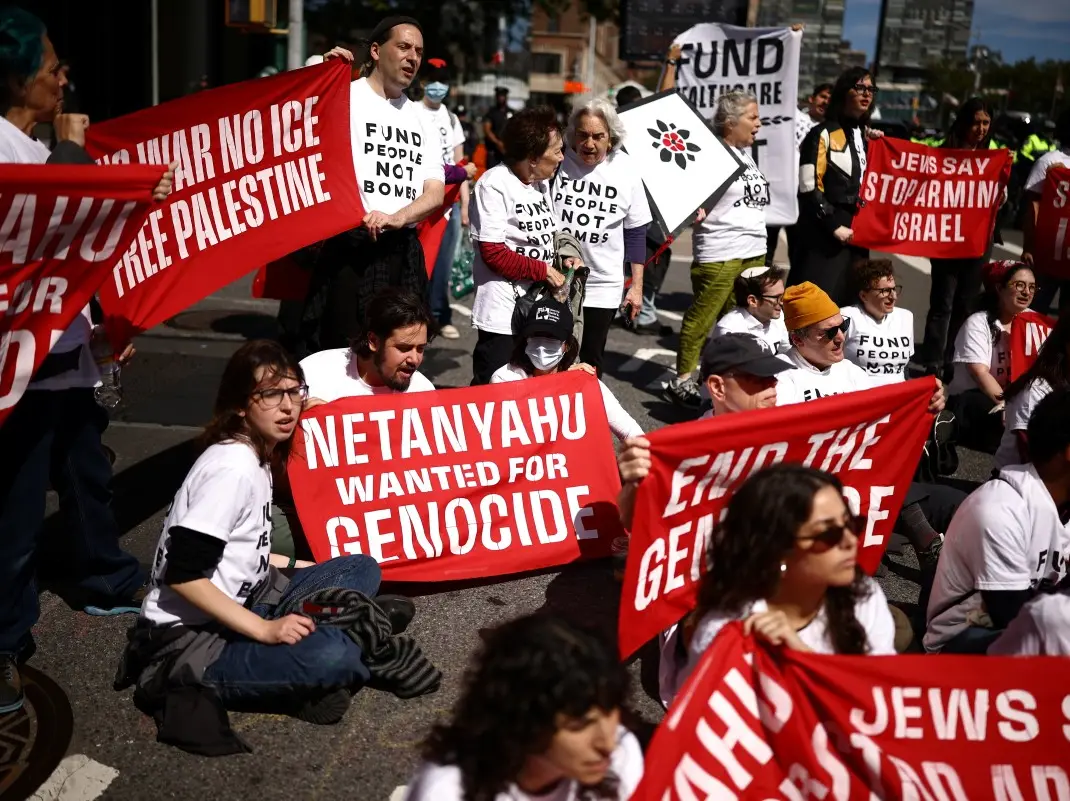)
'Fund people, not bombs': Hundreds take to New York streets as Netanyahu delivers speech at UN; dozens arrested
)
Scientists detect first radio signals directly from faraway planet
)
Trump gifts Xi a bald eagle sculpture at White House dinner: Here’s what it symbolises
)
Trump-Xi state dinner 2026: Who is invited? Full guest list of tech CEOs, business leaders and officials
)
'We do not wish to continue. It's America that must choose': Iran president Pezeshkian calls on US to end war
)
'Making history': Xi Jinping praises Trump as US-China leaders dine at White House
)
China to test supersonic jet that moves at Mach 2, double the speed of sound
)
'Partners rather than rivals': Xi Jinping's first message after landing in US for Trump summit
)
UNGA 2026: Israeli PM attacks Britain, France for past colonialism
)
Yemen called Trump for US military support in fight against Houthis: Official
)
CNN, Politico and MS NOW back in White House after judge blocks Trump’s media ban
)
Mumbai Indians appoint Luke Williams as head coach for Women’s Premier League
)
IIT Bombay CCTV footage emerges: Sahil Wakode seen looking at phone in examination hall
&im=FitAndFill=(700,400))
Netanyahu at UN: Mass walkout, attack on Mamdani and Iran threats | In Pics
)
WION Iconic Tourism Summit: How local tourism MSMEs must upskill for AI integration
)
Bollywood mourns Mushtaq Khan: Sunny Deol, Rajpal Yadav and others pay tribute
)
'We would all be dead': Netanyahu defends decision to strike Iran's nuclear facilities in his UN speech
)
'AI got into my speech': Prince Harry jokes after teleprompter failure at event in New York
)
Cyclone Arnab: Landfall expected before midnight tomorrow as IMD issues orange alerts across six states
)
'What kind of confession is this?': Pakistan PM Shehbaz Sharif’s 'terrorists would be roaming New York' remark goes viral, raises alarm online. Watch
)
Nearly half of young people trust AI over humans to check facts, major study finds
)
Meet Adrian Abraham: 9-year-old Indian-origin guitar prodigy aiming for a Guinness World Record
)
WION Iconic Tourism Summit 2026: Union Minister Shekhawat on 'experiential travel', peace diplomacy
)
2,000-foot tube, laser tests and more: China builds towns to expand nuclear arsenal, satellite images show
)
Israeli envoy to US Yechiel Leiter’s son critically injured in West Bank ramming attack
)
Xi Jinping's 'special plane' vs Trump's Air Force One: What's the difference?
)
‘We’ve never gotten along better’: Trump praises Xi, jokes about White House ballroom at high-stakes state dinner
)
Trump's welcome to Xi demonstrates 'attraction' to dictators: Chuck Schumer
)
Welcome actor Mushtaq Khan dies at 56 after battling cancer
)
A seven-day roadmap? Iran proposes plan to end war, reopen Strait of Hormuz and resume nuclear talks
)
Australian PM Anthony Albanese calls OpenAI AI incident 'unacceptable' after restricted data access
)
Alarming video emerges as landslide damages houses in Sikkim’s Rimbi village. Watch
)
‘Not just a local tragedy’: Nepal PM Shah warns UN of growing climate threat, says Nepal floods were 'a warning to the world'
)
US faces fresh cost crunch as mortgage rates hit 7%, oil tops $107 and gas prices surge
)
Who is Lt-Gen Nauman Mahmood, Pakistan's first secretary general of Makkah Defence Alliance?
)
US judge questions Trump’s decision to ban CNN, MS NOW and Politico from White House
)
What’s in a name? Trump’s 'Lake America' move gets a tit-for-tat response from Canada
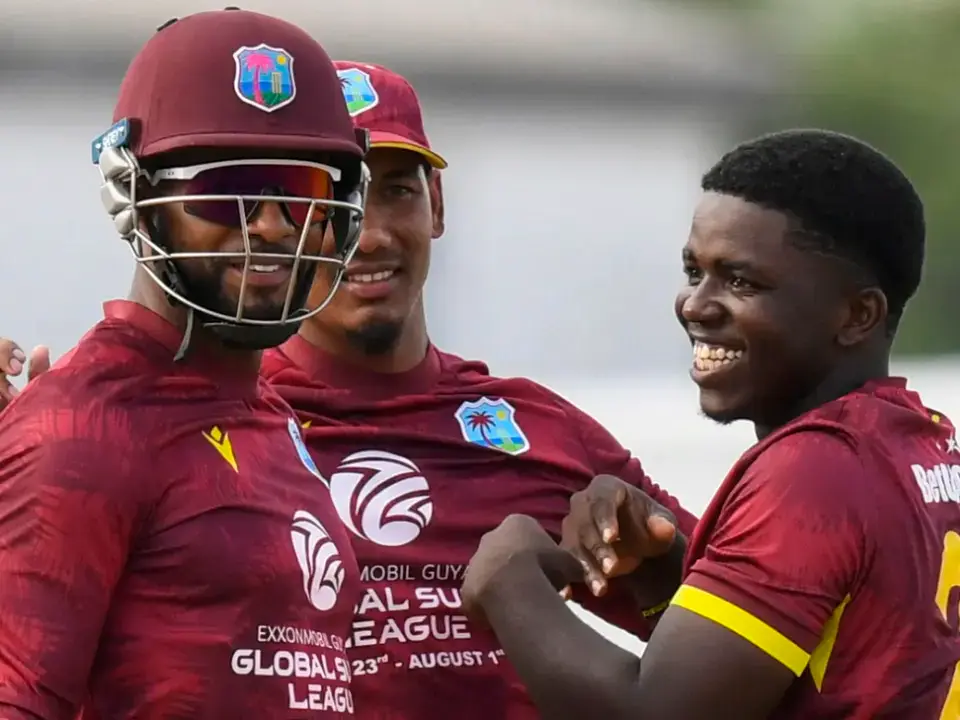)
West Indies coach Sammy looking at India series as opportunity to finetune ahead of ODI World Cup 2027 qualifiers
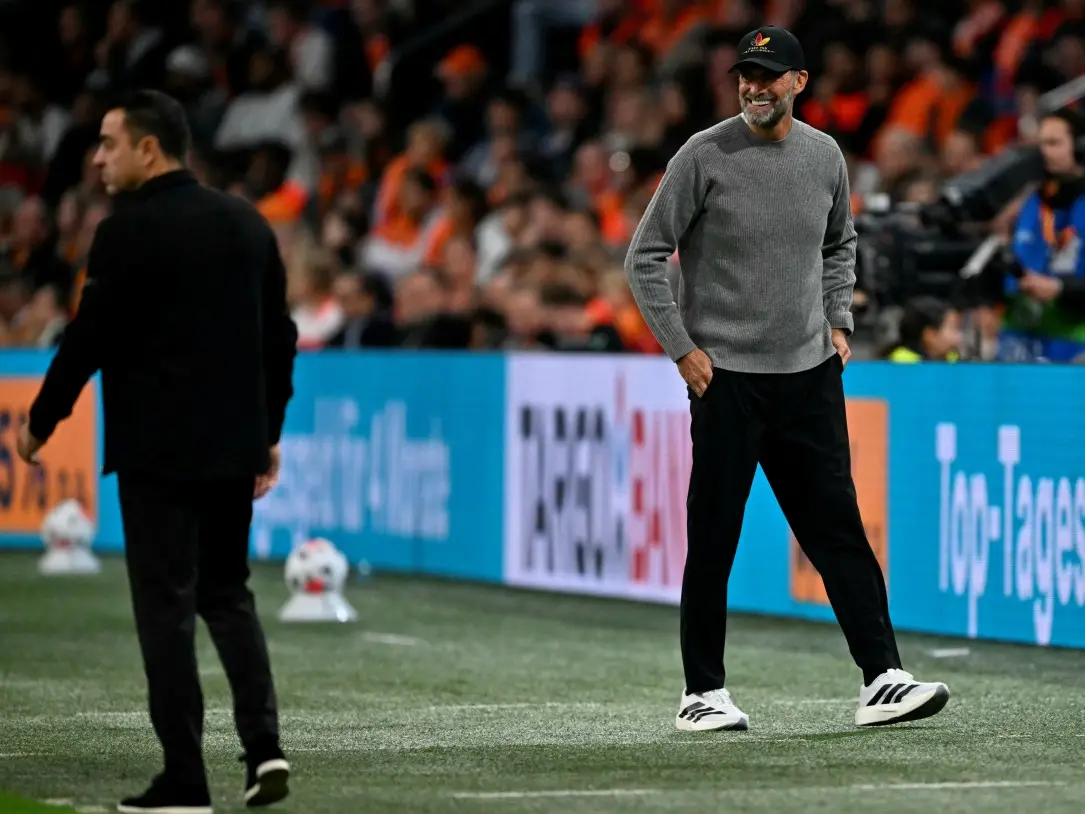)
Nations League: Germany draw on Klopp debut; Portugal, Norway win
)
EC appointment law: Why is the 2023 act controversial, and what happens next? WION explains
In 2018, Oman's late sultan Gaboos hosted Netanyahu for his first visit to the gulf in over two decades. In 2019, Netanyahu met Oman's foreign minister Yusuf Bin Alwai at the Warsaw conference.
The new sultan also views Israel as an attractive partner in diversifying his country's economy. Just last month, the US State secretary met with sultan Haitham Bin Tariq in Muscat. Reports say that along with US, the sultan is deftly engineering a foreign policy that will accommodate Israel.
Muscat's position on the Palestine conflict, much like other Arab states has always been driven by economic and security interests. Oman has maintained secret diplomatic ties with Israel for years.
Morocco
Following Oman could be Morocco. Morocco too has often acted as a mediator between the east and west. It is said to maintain a “special relationship” with Israel.
Some 3,000 Jews live in Morocco, the largest such community in the Arab world. Besides this, the North African country's economic ties with Israel have been steadily growing.
In January this year, Morocco received three Israeli drones as part of a 48 million dollar arms deal. And in recent weeks, the Moroccan leadership has praised the Trump administration's peace plan.
Saudi Arabia
Saudi Arabia could also recognise Israel, which will be a huge development.
The Sheikhdom has been taking small but symbolic steps. First, it opened its airspace for all commercial flights between UAE and Israel. A significant step that not only cuts down on the flying time, but the animosity between the two sides.
But the biggest development - The Imam of Mecca's grand mosque being accused of justifying normalisation of ties. A recent sermon at the grand mosque has caused quite a stir in the kingdom and on social media, and is being seen as a prelude to Saudi Arabia recognising Israel.
The Saudis are the de-facto leaders of the Islamic world. They are the guardians of islam's holiest sites - Mecca and Medina. Saudi Arabia runs the risk of inflaming Muslim sentiments by recognising a Jewish state. The kingdom's decision will be met with disdain by Islamic leaders & their followers around the world.
What about Netanyahu?
Benjamin Netanyahu is set to sign the peace accord at the White House, but will it be enough to save his political career?
Despite such tremendous foreign policy breakthroughs, his own citizens are unhappy with him.
As Netanyahu departed for Washington DC, he was greeted by hundreds of demonstrators outside the Ben Gurion airport. These protesters called for Netanyahu's resignation.
They want him sacked for his alleged graft offences and his failure to manage the COVID-19 crisis.
There's growing resentment within the political establishment as well. Yaakov Litzman, Israel's former health minister and the current housing minister has resigned - a decision in protest of the Israeli government's decision to impose a general lockdown during the upcoming holiday period.