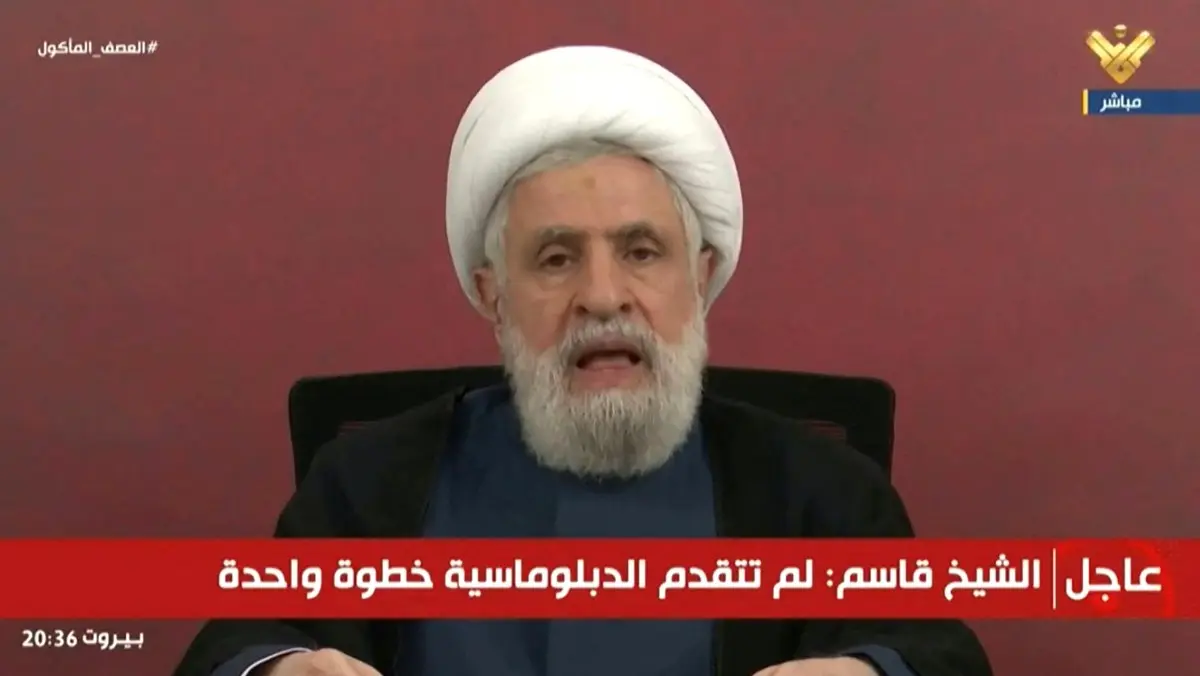
Why Iran scheduled Ayatollah Ali Khamenei's funeral to coincide with US Independence Day

&imwidth=600&imheight=450&format=webp&quality=medium "Why Iran scheduled Ayatollah Ali Khamenei's funeral to coincide with US Independence Day")
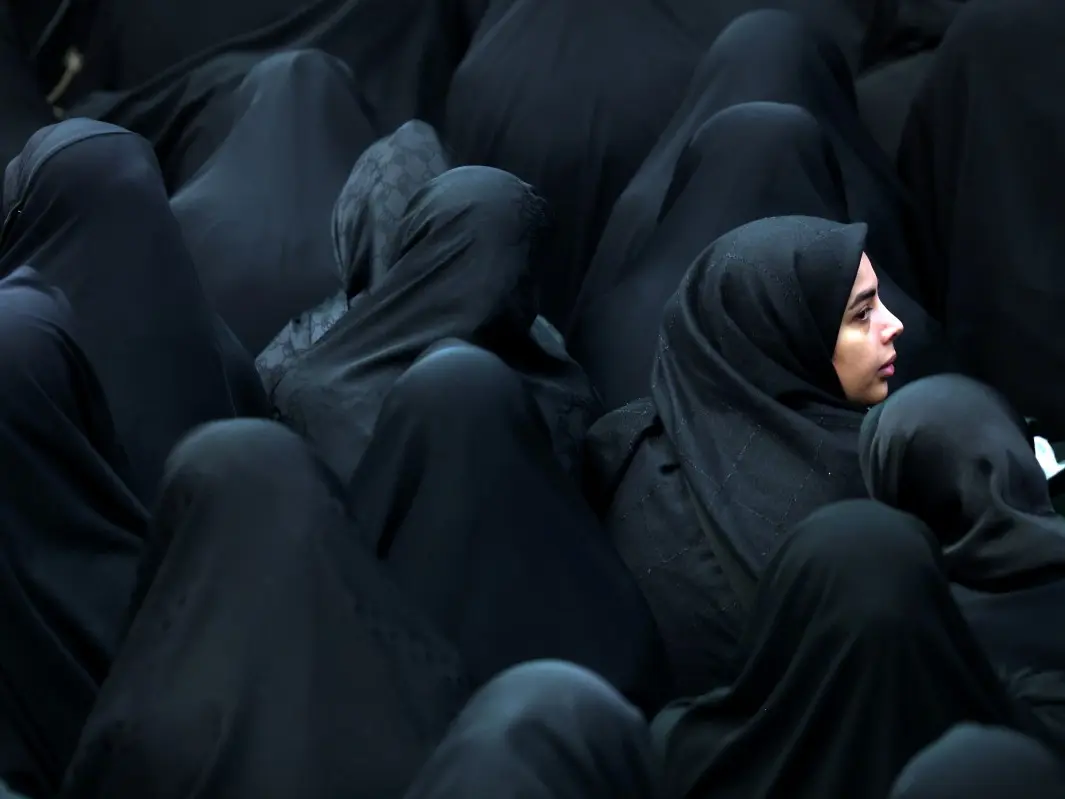
Iranian women attend a mourning ritual of Tasua Day during the Islamic month of Muharram ahead of Ashura, in Tehran on June 24, 2026. Photograph: (AFP)
Iran will begin Ayatollah Ali Khamenei's funeral on July 4, coinciding with US Independence Day. Here's why the timing carries political and symbolic significance.
The Iranian state has scheduled the funeral of the late Iranian leader Ayatollah Ali Khamenei for the first week of July. The funeral ceremonies of Khamenei will start on July 4 and will last till July 9. The start date coincides with US Independence Day as the country celebrates its 250th anniversary, drawing international attention. The Iranian Supreme Leader was killed in a US-Israeli attack on February 28. The Iranian government officially declared a 40-day national mourning period following the death. Following the 40 days, major state-sponsored memorial processions were held across major cities to mark the conclusion of the 40 days.
US Independence Day
Meanwhile, the US will be celebrating its Semiquincentennial birthday with two organisations, Freedom 250 and America 250, with a series of events across the country. The day marks the independence of the US from British rule on July 4, 1776. The president has announced a ‘Great American State Fair’ across the 50 states of the country and on the National Mall. There will also be a Sail4th international Fleet, where New York Harbour and the New Jersey coast will host the largest international fleet of tall ships. There will be thousands of simultaneous community-organised picnics and block parties across all 50 states, and the official burial of a national time capsule at Independence Mall.
Also Read: Sai Krishna's disappearance became a custodial death. What it reveals about police impunity
Why is the timing significant?
The Iranian official said that the funeral ceremonies were supposed to be held early on March 4, but were postponed as the US strike continued. The official explanation was a lack of infrastructure to handle the expected millions of mourners. They wanted to reschedule the funeral for June in the holy Shia mourning month of Muharram. But it was abandoned as military escalations and geopolitical gridlocks dragged on. The multi-day funeral event will include processions and observances in Tehran, followed by ceremonies in the holy city of Qom on July 7. The burial will take place at the Imam Reza Shrine in Mashhad, Khamenei's hometown, on July 9.
Trending Stories
)
)
)
)
)
)
)
)
)
)
)
)
)
)
)
)
)
)
)
)
)
)
)
)
)
)
)
)
)
)
)
)
)
)
)
)
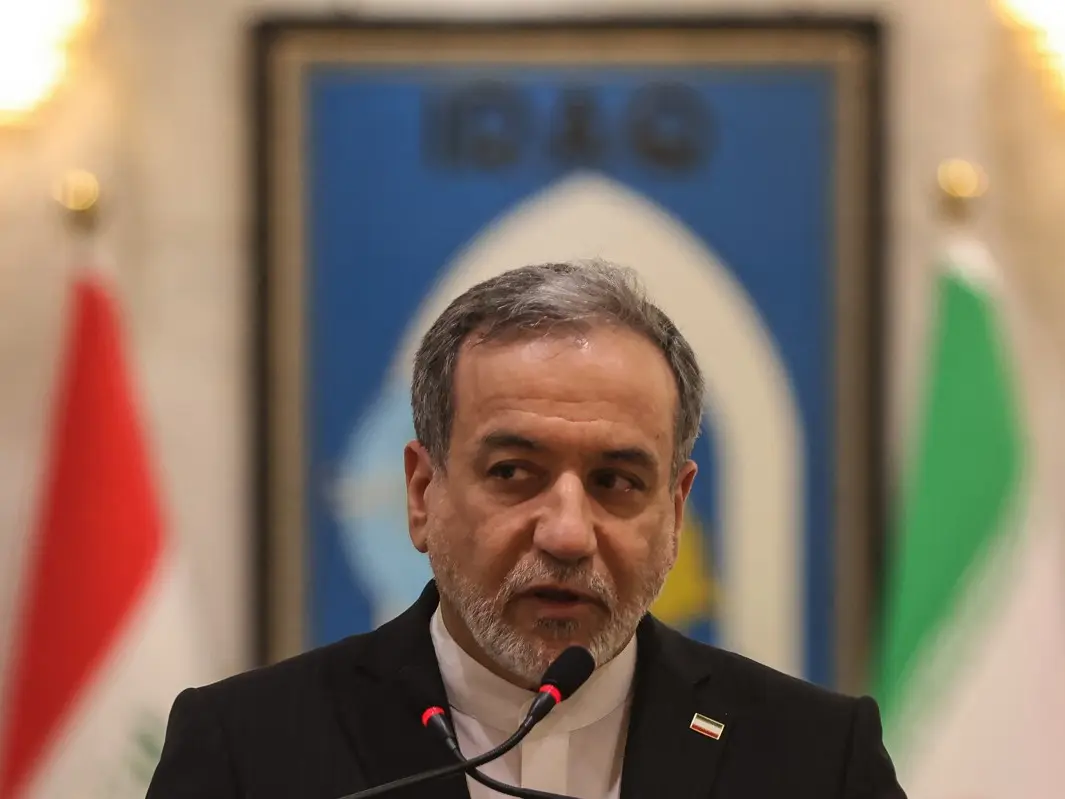
Analysts have noted that following the signing of the Islamabad MoU, domestic protests erupted across Iran in mid-June 2026. There were accusations of making too many concessions to the US. Hardliners branded Araghchi a "compromiser" and an "infiltrator," loudly demanding his immediate resignation. There were slogans, "We must remember the sacrifice of the martyr." "What about the bloodshed by the Supreme Leader?"
By launching a massive, state-sponsored anti-Western mourning event on July 4th, Iran's establishment is intentionally showing they remember the "martyr" killed by US-Israeli strikes, and draw attention from the global media. As the US President continues to claim victory, Iran remembers its "martyr" in a form of symbolic defiance, sends a message of ideological survival and failure of the West to subdue Iran, while at the same time silencing the hardliner critics.