Who is Balen Shah? A Maithili speaking rapper, Gen Z's favourite AND Nepal's likely new PM

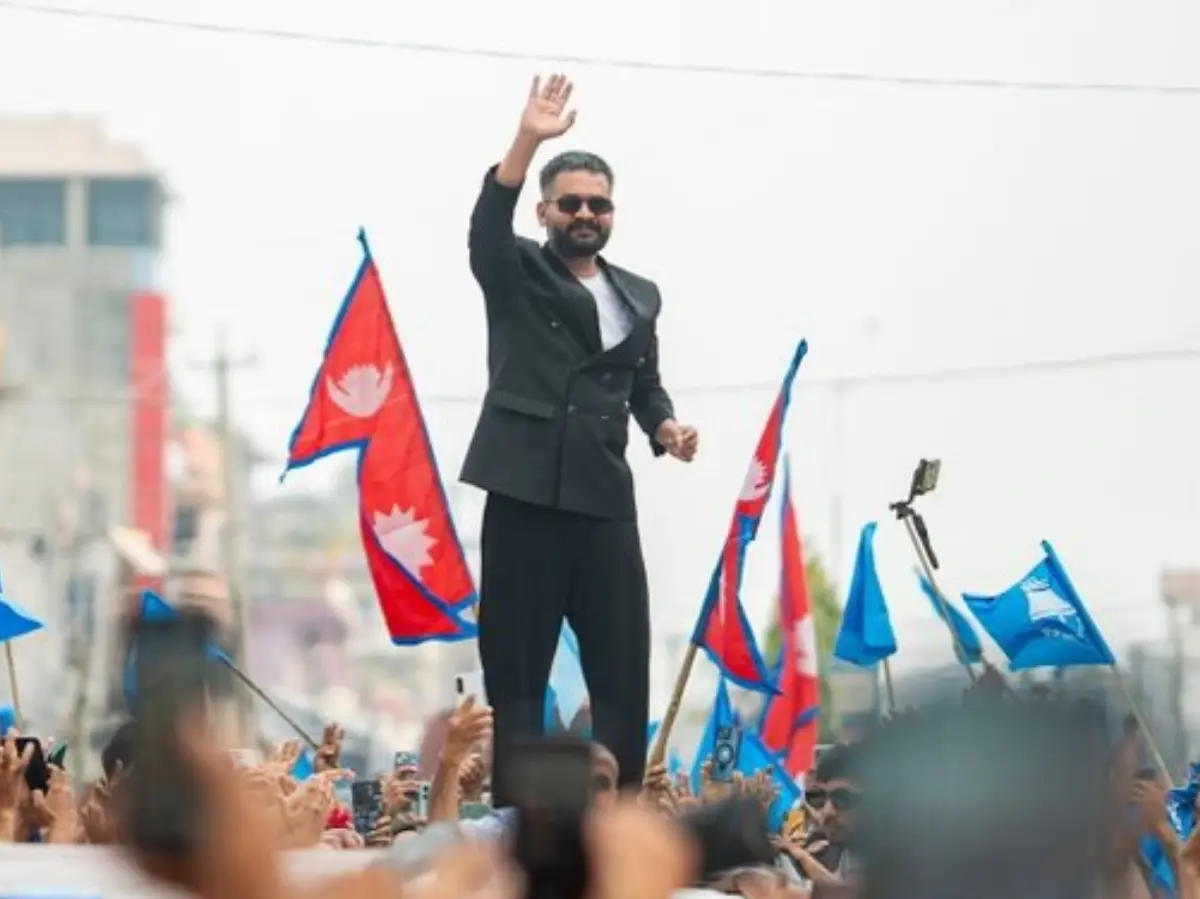&imwidth=600&imheight=450&format=webp&quality=medium "Who is Balen Shah? A Maithili speaking rapper, Gen Z's favourite AND Nepal's likely new PM")
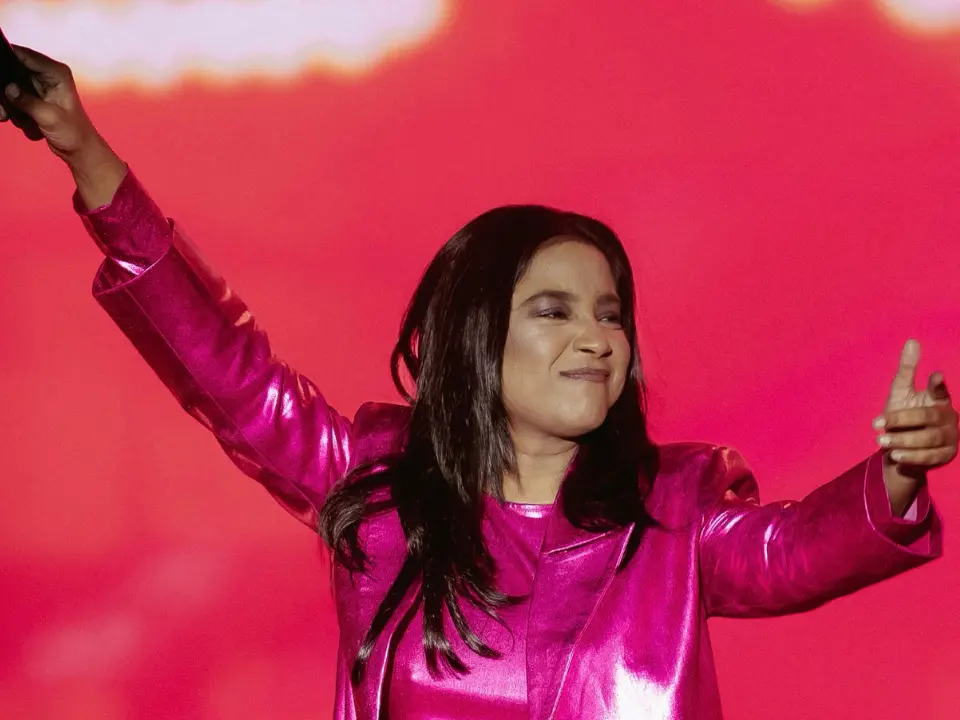
File photo Photograph: (X)
Balen Shah launched his prime ministerial campaign in Janakpur, speaking Maithili, highlighting Madhesi identity and youth politics. The rapper-turned politician represents a generational shift, challenging Nepal’s traditional political leadership.
“Sarvapratham, Mata Janaki ke pranaam.” With these words, Balendra Shah, widely known as Balen Shah, opened his prime ministerial campaign in Nepal. What stood out was not just the greeting, but the language he chose. Shah addressed the audience in Maithili, a language spoken widely across India’s Bihar and Jharkhand as well as in Nepal’s southern plains. Even more striking was the location of the campaign launch.
Instead of beginning his political journey from Kathmandu, Nepal’s political heart, Shah chose Janakpur, the capital of Madhesh province. The city holds immense cultural and religious significance as the birthplace of Goddess Sita, revered locally as Janaki.
In Nepal’s political history, it is rare for a prime ministerial hopeful to begin a national campaign speech in Maithili. The language, closely linked to Bhojpuri and rooted in the wider Mithila cultural region, is the second-most spoken language in Nepal. Shah’s decision was therefore both symbolic and politically calculated.
A musician-turned politician on the brink of power
As counting continues following Nepal’s general elections held on Friday, Balen Shah, once known primarily as a rapper, appears to be edging closer to the country’s top political office. The former mayor of Kathmandu built his popularity by positioning himself as an outsider to Nepal’s entrenched political establishment. His transition from the music scene to mainstream politics has particularly resonated with younger voters, many of whom see him as a representative of their aspirations for political change.
Trending Stories
&imwidth=280&imheight=210&format=webp&quality=medium)
&im=FitAndFill=(700,400)&imwidth=280&imheight=210&format=webp&quality=medium)
&imwidth=280&imheight=210&format=webp&quality=medium)
&imwidth=280&imheight=210&format=webp&quality=medium)
&imwidth=280&imheight=210&format=webp&quality=medium)
&imwidth=280&imheight=210&format=webp&quality=medium)
&imwidth=280&imheight=210&format=webp&quality=medium)
&imwidth=280&imheight=210&format=webp&quality=medium)
&imwidth=280&imheight=210&format=webp&quality=medium)
&imwidth=280&imheight=210&format=webp&quality=medium)
&imwidth=280&imheight=210&format=webp&quality=medium)
&imwidth=280&imheight=210&format=webp&quality=medium)
&imwidth=280&imheight=210&format=webp&quality=medium)
&imwidth=280&imheight=210&format=webp&quality=medium)
&imwidth=280&imheight=210&format=webp&quality=medium)
&imwidth=280&imheight=210&format=webp&quality=medium)
&imwidth=280&imheight=210&format=webp&quality=medium)
&imwidth=280&imheight=210&format=webp&quality=medium)
&imwidth=280&imheight=210&format=webp&quality=medium)
&imwidth=280&imheight=210&format=webp&quality=medium)
&imwidth=280&imheight=210&format=webp&quality=medium)
&imwidth=280&imheight=210&format=webp&quality=medium)
&imwidth=280&imheight=210&format=webp&quality=medium)
&imwidth=280&imheight=210&format=webp&quality=medium)
&imwidth=280&imheight=210&format=webp&quality=medium)
&imwidth=280&imheight=210&format=webp&quality=medium)
&imwidth=280&imheight=210&format=webp&quality=medium)
&im=FitAndFill=(700,400)&imwidth=280&imheight=210&format=webp&quality=medium)
&imwidth=280&imheight=210&format=webp&quality=medium)
&imwidth=280&imheight=210&format=webp&quality=medium)
&imwidth=280&imheight=210&format=webp&quality=medium)
&imwidth=280&imheight=210&format=webp&quality=medium)
&imwidth=280&imheight=210&format=webp&quality=medium)
&imwidth=280&imheight=210&format=webp&quality=medium)
&imwidth=280&imheight=210&format=webp&quality=medium)
&imwidth=280&imheight=210&format=webp&quality=medium)
&imwidth=280&imheight=210&format=webp&quality=medium)
A new generation challenging the old guard
Born on April 27, 1990, in Naradevi, Kathmandu, Shah represents a generational shift in Nepal’s political landscape. For decades, the country’s leadership has largely been dominated by politicians in their sixties and seventies. At 35, Shah belongs to a much younger cohort and reflects the growing impatience among younger Nepalis who are seeking fresh leadership and new ideas. His rise, therefore, marks not just a personal political journey but also a broader generational challenge to Nepal’s ageing political establishment.
Family roots in Nepal’s Madhesh region
Although Shah grew up in Kathmandu, his family origins lie in the Mahottari district of Madhesh Province. He belongs to the Madhesi community, whose identity is closely tied to the southern plains of Nepal bordering India.
The term “Madhesi” derives from Madhesh, the Terai region stretching along Nepal’s southern frontier. The community forms a significant portion of the country’s population and plays an increasingly visible role in national politics.
Debate over the ‘Sah’ to ‘Shah’ surname change
Shah’s political rise has also been accompanied by scrutiny over his surname. Some earlier documents reportedly listed his name as “Sah”, while later records show it as “Shah.” The discrepancy sparked debate during his political ascent, with Lalitpur-based Ratopati News highlighting the issue in its reporting. Despite the discussion, the name Balen Shah has since become synonymous with Nepal’s emerging new political force.
The political significance of the Madhesi identity
The Madhesis, who primarily inhabit Nepal’s Terai and Madhesh plains, constitute roughly one-third of the country’s population. Communities in the region commonly speak languages such as Maithili, Bhojpuri, Awadhi and Hindi, reflecting strong cultural and linguistic links with neighbouring Indian states, particularly Bihar.
Historically, Madhesis have often complained of underrepresentation in Nepal’s political and administrative institutions. To address these disparities, the Nepali state recognises them as a distinct social group and provides quotas in education and public sector employment.
Over the years, movements such as the Madhesi Andolan have highlighted demands for greater political, economic and bureaucratic inclusion. Both Nepali and international publications have documented the community’s prolonged struggle for equality and recognition.

