What is Uranium Enrichment? Was Iran close to building a nuclear weapon as Trump and Netanyahu claim? EXPLAINED

&imwidth=600&imheight=450&format=webp&quality=medium "What is Uranium Enrichment? Was Iran close to building a nuclear weapon as Trump and Netanyahu claim? EXPLAINED")
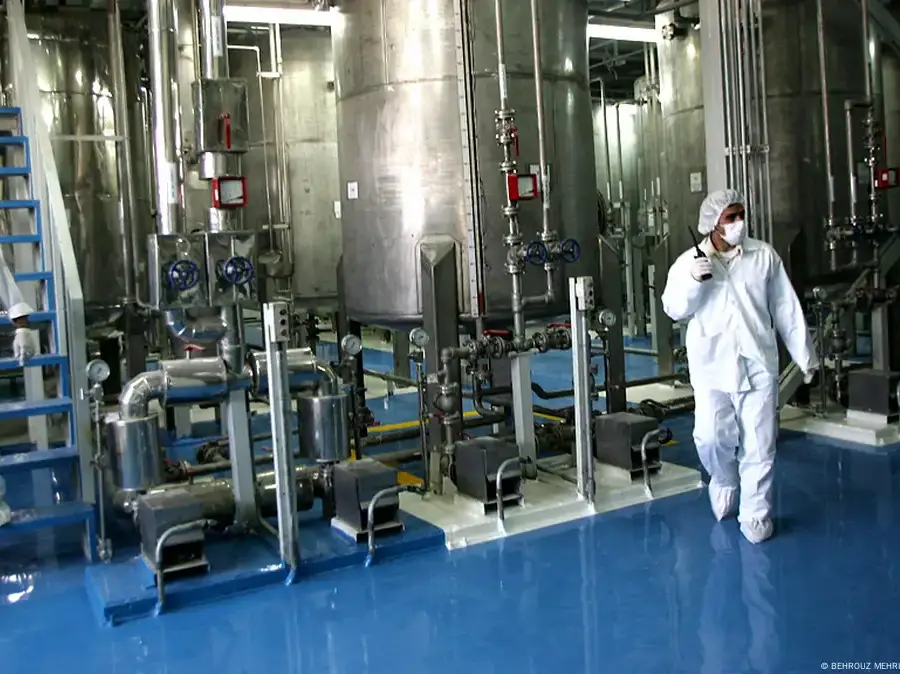
Was Iran close to building a nuclear weapon as Trump and Netanyahu claim Photograph: (AFP)
Enrichment is a slow process, on which the Iranian government has been working for years and it already holds 400 kilograms of uranium enriched to 60 per cent U-235.
As Israel and Iran continued to launch missiles across the region, the Israeli defence army completed the attack on nuclear site in the Isfahan region. A process of reprocessing enriched uranium was being conducted at the facility.
This process is the next stage after uranium enrichment in the process of producing nuclear weapons.
During the attack, a building for producing metallic uranium was destroyed, along with infrastructure for reprocessing enriched uranium, laboratories, and additional infrastructure, the IDF spokesperson said.
What is Uranium enrichment?
Uranium enrichment is a process of increasing the concentration of fissile isotope uranium-235 (U-235) in uranium.
The process is done to make uranium suitable for use in nuclear reactors or weapons, as U-235 is the isotope that undergoes nuclear fission.
Trending Stories
&imwidth=280&imheight=210&format=webp&quality=medium)
&im=FitAndFill=(700,400)&imwidth=280&imheight=210&format=webp&quality=medium)
&im=FitAndFill=(700,400)&imwidth=280&imheight=210&format=webp&quality=medium)
&imwidth=280&imheight=210&format=webp&quality=medium)
&imwidth=280&imheight=210&format=webp&quality=medium)
&imwidth=280&imheight=210&format=webp&quality=medium)
&imwidth=280&imheight=210&format=webp&quality=medium)
&imwidth=280&imheight=210&format=webp&quality=medium)
&imwidth=280&imheight=210&format=webp&quality=medium)
&imwidth=280&imheight=210&format=webp&quality=medium)
&imwidth=280&imheight=210&format=webp&quality=medium)
&imwidth=280&imheight=210&format=webp&quality=medium)
&imwidth=280&imheight=210&format=webp&quality=medium)
&imwidth=280&imheight=210&format=webp&quality=medium)
&imwidth=280&imheight=210&format=webp&quality=medium)
&imwidth=280&imheight=210&format=webp&quality=medium)
&imwidth=280&imheight=210&format=webp&quality=medium)
&imwidth=280&imheight=210&format=webp&quality=medium)
&imwidth=280&imheight=210&format=webp&quality=medium)
&imwidth=280&imheight=210&format=webp&quality=medium)
&imwidth=280&imheight=210&format=webp&quality=medium)
&imwidth=280&imheight=210&format=webp&quality=medium)
&imwidth=280&imheight=210&format=webp&quality=medium)
&im=FitAndFill=(700,400)&imwidth=280&imheight=210&format=webp&quality=medium)
&imwidth=280&imheight=210&format=webp&quality=medium)
&imwidth=280&imheight=210&format=webp&quality=medium)
&imwidth=280&imheight=210&format=webp&quality=medium)
&imwidth=280&imheight=210&format=webp&quality=medium)
&imwidth=280&imheight=210&format=webp&quality=medium)
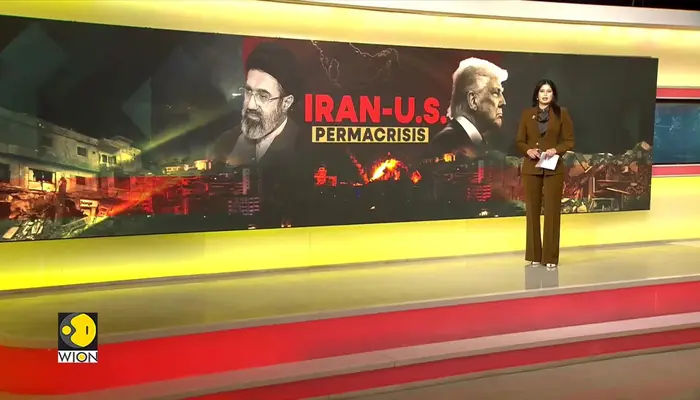&imwidth=280&imheight=210&format=webp&quality=medium)
&imwidth=280&imheight=210&format=webp&quality=medium)
&imwidth=280&imheight=210&format=webp&quality=medium)
&imwidth=280&imheight=210&format=webp&quality=medium)
&imwidth=280&imheight=210&format=webp&quality=medium)
U-235 can be used in warheads because its nucleus can easily be split. The International Atomic Energy Agency uses 25 kilograms of contained U-235 as the benchmark amount as it is considered sufficient for a first-generation implosion bomb.
Enrichment is a slow process, on which the Iranian government has been working for years and it already holds 400 kilograms of uranium enriched to 60 per cent U-235.
However, it is still short of the 90 per cent required for nuclear weapons.
Was Iran close to building nuclear weapon?
Israeli Prime Minister Benjamin Netanyahu on Friday said that he launched Operation Rising Lion to pre-empt a secret Iranian program to build a nuclear bomb, claiming that Iran had the capacity to build nuclear bombs.
While the Israeli officials also presented information to the US about the same.
US Director of National Intelligence Tulsi Gabbard told the Senate Intelligence Committee that the US intelligence committee had assessed that Iran was not actively pursuing a nuclear weapon.
She stressed that there would appear to have been "an erosion of a decades-long taboo in Iran on discussing nuclear weapons in public, likely emboldening nuclear weapons advocates within Iran’s decision-making apparatus”.
“Iran’s enriched uranium stockpile is at its highest levels and is unprecedented for a state without nuclear weapons," Gabbard said.
The IAEA declassified a 22-page report this week but did not mention that Iran was so close to a nuclear weapon.
However, it said that it had been unable to see aspects of Iran's civil nuclear programme, adding that Tehran had been failing to cooperate, especially over its past secret nuclear program.
The IAEA noted that it could not verify that Iran’s civil nuclear programme was exclusively civilian.
“Unfortunately, Iran has repeatedly either not answered, or not provided technically credible answers to, the agency’s questions. It has also sought to sanitise the locations, which has impeded agency verification activities," IAEA director, Rafael Grossi, told the board.
