What is the Insurrection Act? The 19th century law Trump wants to use on Minnesota's anti-ICE protests| WION Explains

&imwidth=600&imheight=450&format=webp&quality=medium "What is the Insurrection Act? The 19th century law Trump wants to use on Minnesota's anti-ICE protests| WION Explains")
What is the Insurrection Act? The 19th century law Trump wants to use on Minnesota's anti-ICE protests| WION Explains Photograph: (WION Web Desk)
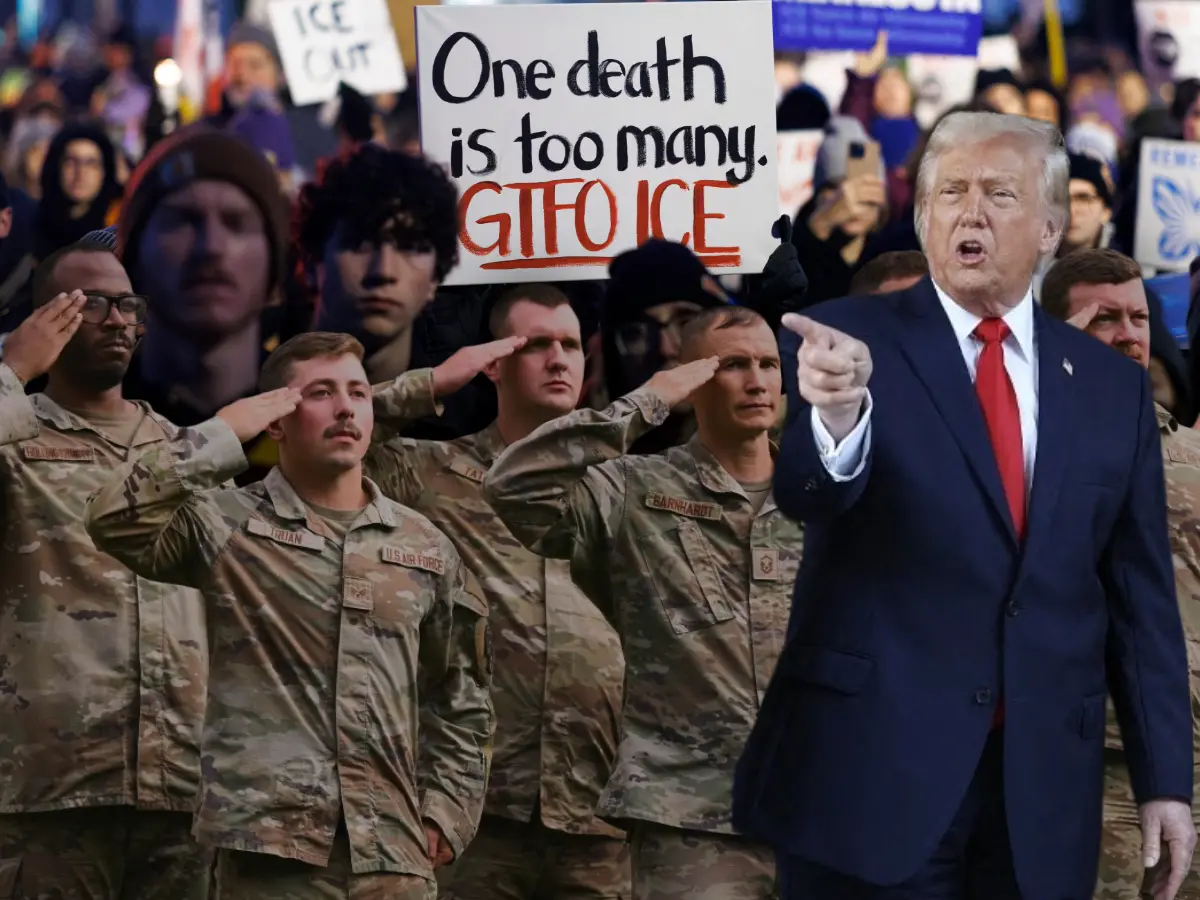
Donald Trump threatened to invoke the Insurrection Act against anti-ICE protests in Minnesota, accusing state leaders of losing control to “professional agitators.” Here's all you need to know about this rarely used law that has not been invoked in over 30 years. WION EXPLAINS.
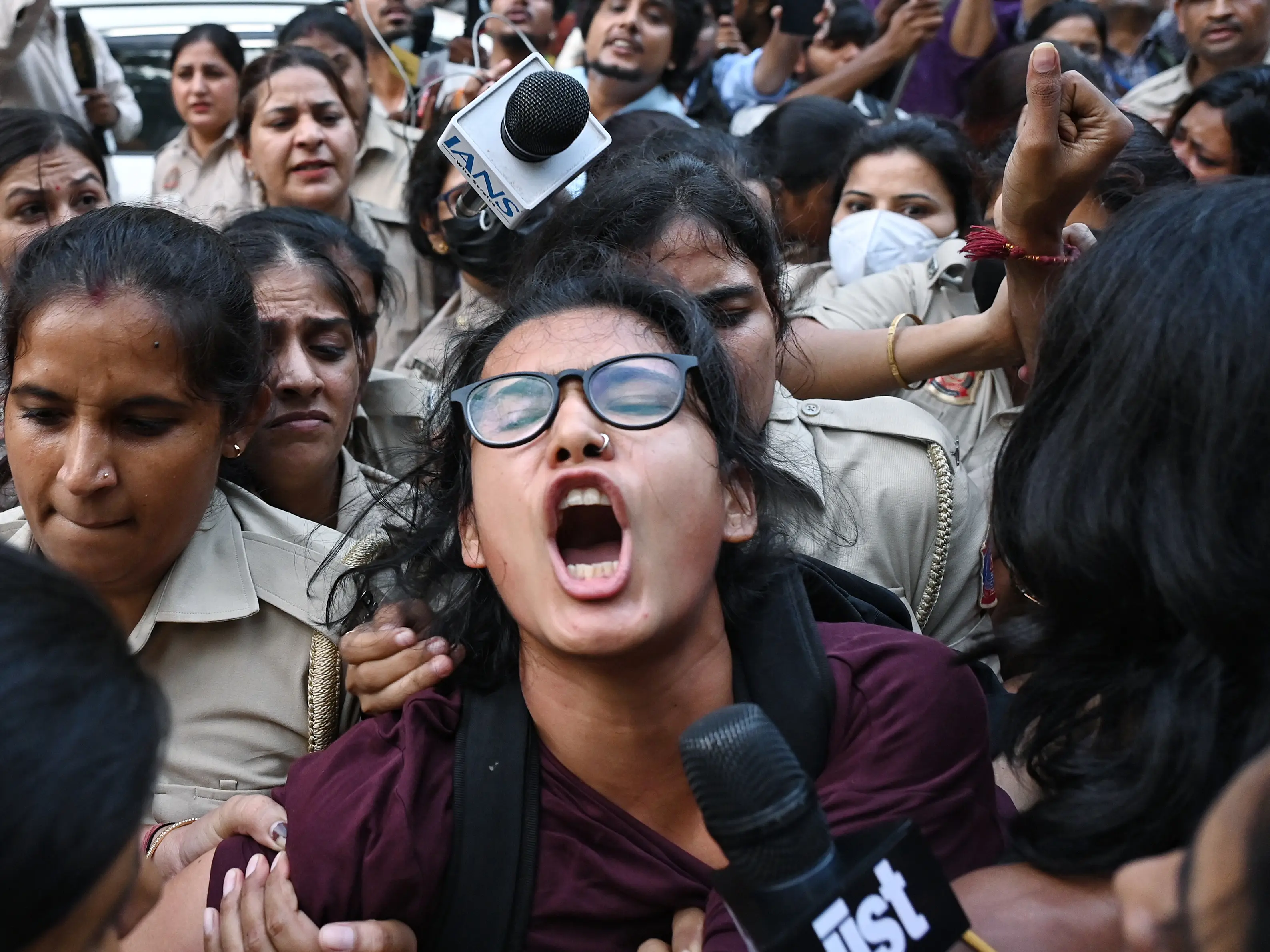
US President Donald Trump on Thursday (Jan 15) threatened to invoke the decades-old Insurrection Act against the ongoing anti-ICE (Immigration and Customs Enforcement) protests in the northern US state of Minnesota. The act that allows domestic deployment of the US military has not been used in over 30 years. What is the Insurrection Act? All you need to know.
‘Professional agitators,’ Trump says
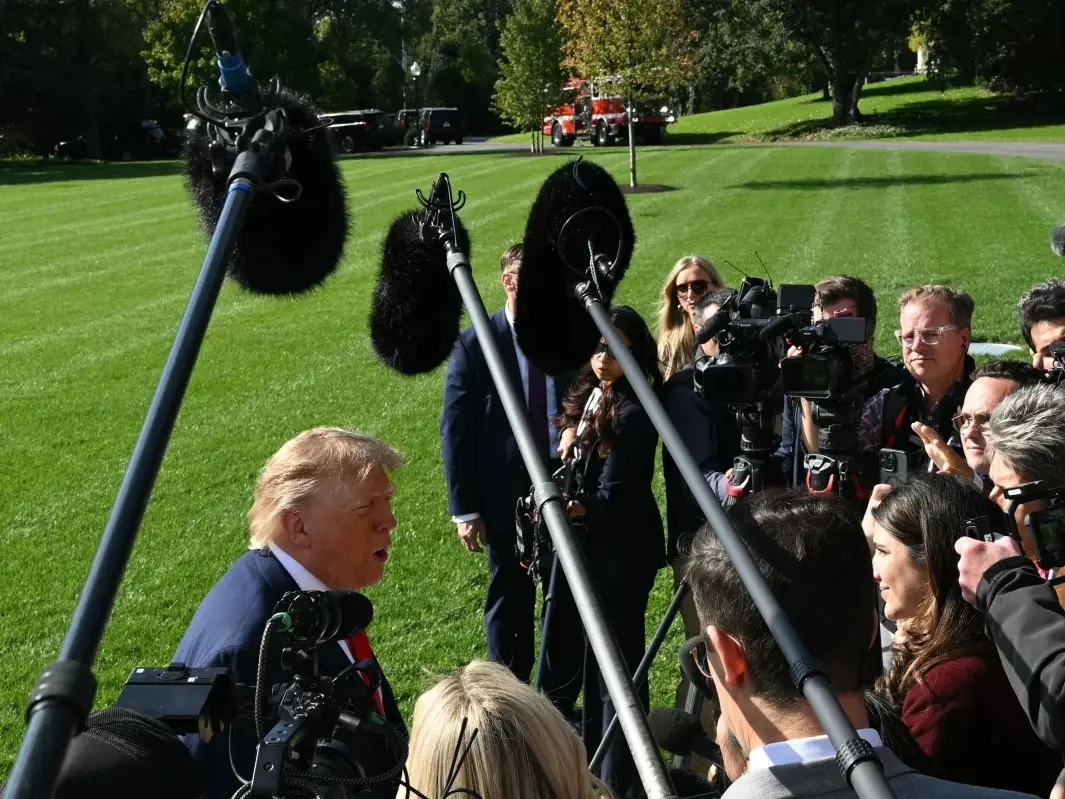
Posting on his Truth Social platform, Trump accused Minnesota leaders of losing control. Accusing Minnesota leaders of failing to control what he called professional agitators, Trump on his social media platform Truth Social repeated threats to invoke the Insurrection Act. The 19th-century law for quelling insurrection has not been used in more than 30 years, reports AFP.
"If the corrupt politicians of Minnesota don't obey the law and stop the professional agitators and insurrectionists from attacking the Patriots of ICE, who are only trying to do their job, I will institute the INSURRECTION ACT," Trump wrote.
Trump has issued similar warnings in recent weeks over protests in other Democratic-run states, including California, Illinois and Oregon, all of which have seen federal agent deployments as part of his mass deportation push.
Trending Stories
&imwidth=280&imheight=210&format=webp&quality=medium)
&imwidth=280&imheight=210&format=webp&quality=medium)
&imwidth=280&imheight=210&format=webp&quality=medium)
&imwidth=280&imheight=210&format=webp&quality=medium)
&imwidth=280&imheight=210&format=webp&quality=medium)
&imwidth=280&imheight=210&format=webp&quality=medium)
&imwidth=280&imheight=210&format=webp&quality=medium)
&imwidth=280&imheight=210&format=webp&quality=medium)
&imwidth=280&imheight=210&format=webp&quality=medium)
&imwidth=280&imheight=210&format=webp&quality=medium)
&imwidth=280&imheight=210&format=webp&quality=medium)
&imwidth=280&imheight=210&format=webp&quality=medium)
&imwidth=280&imheight=210&format=webp&quality=medium)
&imwidth=280&imheight=210&format=webp&quality=medium)
&imwidth=280&imheight=210&format=webp&quality=medium)
&imwidth=280&imheight=210&format=webp&quality=medium)
&imwidth=280&imheight=210&format=webp&quality=medium)
&imwidth=280&imheight=210&format=webp&quality=medium)
&imwidth=280&imheight=210&format=webp&quality=medium)
&imwidth=280&imheight=210&format=webp&quality=medium)
&imwidth=280&imheight=210&format=webp&quality=medium)
&imwidth=280&imheight=210&format=webp&quality=medium)
&imwidth=280&imheight=210&format=webp&quality=medium)
&imwidth=280&imheight=210&format=webp&quality=medium)
&imwidth=280&imheight=210&format=webp&quality=medium)
&im=FitAndFill=(700,400)&imwidth=280&imheight=210&format=webp&quality=medium)
&im=FitAndFill=(700,400)&imwidth=280&imheight=210&format=webp&quality=medium)
&imwidth=280&imheight=210&format=webp&quality=medium)
&imwidth=280&imheight=210&format=webp&quality=medium)
&imwidth=280&imheight=210&format=webp&quality=medium)
&imwidth=280&imheight=210&format=webp&quality=medium)
&imwidth=280&imheight=210&format=webp&quality=medium)
&imwidth=280&imheight=210&format=webp&quality=medium)
What is the Insurrection Act?
The Insurrection Act allows a US president to deploy the military domestically for civilian law enforcement. That includes activities such as searches, arrests and crowd control, powers normally reserved for police.
It gives the White House the authority to use active-duty troops to enforce the law inside the United States.
Can it override Posse Comitatus?
Under normal circumstances, the 1878 Posse Comitatus Act bars the US military from carrying out domestic law enforcement. The Insurrection Act serves as a legal override.
It allows a president to bypass those limits in cases of what the law describes as "armed rebellion" or "domestic violence," giving the commander-in-chief to use the armed forces "as he considers necessary" to enforce the law.
Also read | Another day, another ICE shooting: Federal agent shoots Minneapolis man in leg days after Renee Good killing
How often has the Insurrection Act been used in the US?
While Trump's rhetoric has drawn attention, the law itself is old. First enacted in 1792 and revised in 1807, the Insurrection Act has been invoked around 30 times in US history, though rarely in recent decades.
America’s first president, George Washington, used it to crush rebellions against federal authority. Abraham Lincoln relied on it at the start of the 1861-65 Civil War.
More recently, Lyndon B. Johnson invoked it in 1968 following the assassination of Martin Luther King Jr. The last time it was used was in 1992, when George H.W. Bush sent troops to Los Angeles after the Rodney King verdict, where police officers involved in the beating of a Black motorist were acquitted, sparking riots.
National Guard and legal pushback
Trump has also leaned on a separate authority, known as Title 10, to deploy National Guard troops. Unlike the Insurrection Act, Title 10 allows federal control of the Guard "a rebellion or danger of a rebellion" but does not permit soldiers to act as police.
Last month, Trump suffered a setback when the Supreme Court blocked his attempt to deploy troops to Chicago, against the wishes of California's Democratic governor, Gavin Newsom. The court ruled that he "failed to identify a source of authority that would allow the military to execute the laws in Illinois." The decision marked a rare loss for Trump at a court where conservatives hold a 6–3 majority.

