West Asia war drags global forecast, IMF cuts growth to 3.1%; India gets marginal bump

&imwidth=600&imheight=450&format=webp&quality=medium "West Asia war drags global forecast, IMF cuts growth to 3.1%; India gets marginal bump")
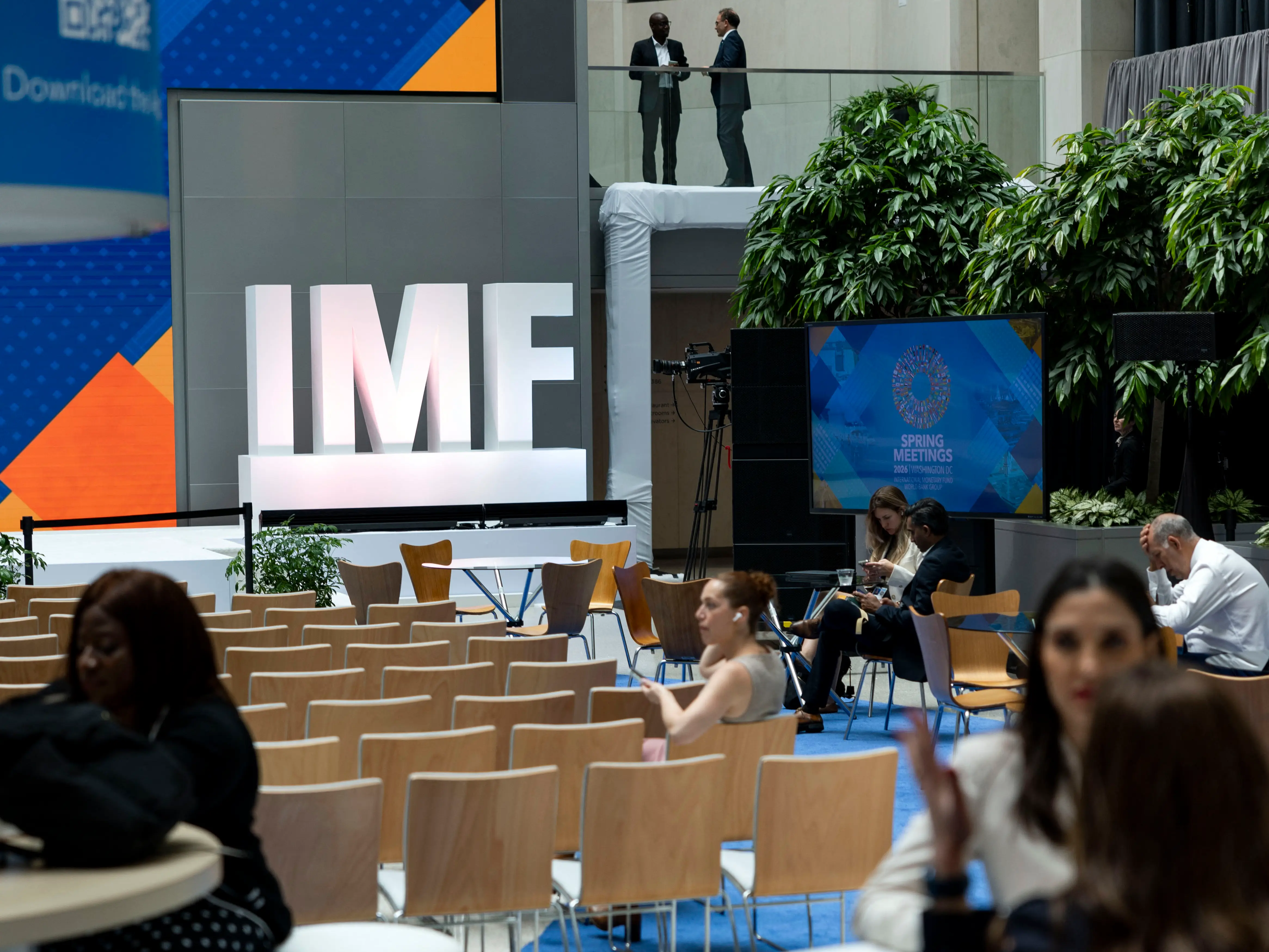
The IMF flagged surging energy prices as a key risk, driven by Iran’s effective disruption of the Strait of Hormuz following escalation with the US and Israel. Photograph: (AFP)
India’s GDP growth forecast was raised by 10 basis points to 6.5% for 2026–27, offering a rare bright spot amid a weakening global outlook.
The International Monetary Fund (IMF) on Tuesday warned that the ongoing war in West Asia could spiral into “the largest energy crisis in modern times”, as it cut its global growth forecast for 2026 by 20 basis points to 3.1%. The multilateral lender said developing economies would bear the brunt of the slowdown, even as India received a marginal upward revision.
India’s GDP growth forecast was raised by 10 basis points to 6.5% for 2026–27, offering a rare bright spot amid a weakening global outlook.
Energy shock from Strait of Hormuz disruption
The IMF flagged surging energy prices as a key risk, driven by Iran’s effective disruption of the Strait of Hormuz following escalation with the US and Israel. The conflict, which intensified after a series of strikes targeting Iranian leadership and infrastructure, has triggered retaliatory attacks on energy facilities, including oil refineries, worsening supply concerns.
The Fund cautioned that the global economy could be “thrown off course” as the conflict continues to roil commodity markets and push prices higher. The latest World Economic Outlook lowered growth expectations from 3.3% projected in January to 3.1%.
Global outlook weakens, regional cuts deepen
Trending Stories
&imwidth=280&imheight=210&format=webp&quality=medium)
&imwidth=280&imheight=210&format=webp&quality=medium)
&im=FitAndFill=(700,400)&imwidth=280&imheight=210&format=webp&quality=medium)
&imwidth=280&imheight=210&format=webp&quality=medium)
&imwidth=280&imheight=210&format=webp&quality=medium)
&imwidth=280&imheight=210&format=webp&quality=medium)
&imwidth=280&imheight=210&format=webp&quality=medium)
&imwidth=280&imheight=210&format=webp&quality=medium)
&imwidth=280&imheight=210&format=webp&quality=medium)
&imwidth=280&imheight=210&format=webp&quality=medium)
&imwidth=280&imheight=210&format=webp&quality=medium)
&imwidth=280&imheight=210&format=webp&quality=medium)
&imwidth=280&imheight=210&format=webp&quality=medium)
&imwidth=280&imheight=210&format=webp&quality=medium)
&imwidth=280&imheight=210&format=webp&quality=medium)
&imwidth=280&imheight=210&format=webp&quality=medium)
&imwidth=280&imheight=210&format=webp&quality=medium)
&imwidth=280&imheight=210&format=webp&quality=medium)
&imwidth=280&imheight=210&format=webp&quality=medium)
&imwidth=280&imheight=210&format=webp&quality=medium)
&imwidth=280&imheight=210&format=webp&quality=medium)
&imwidth=280&imheight=210&format=webp&quality=medium)
&imwidth=280&imheight=210&format=webp&quality=medium)
&imwidth=280&imheight=210&format=webp&quality=medium)
&imwidth=280&imheight=210&format=webp&quality=medium)
&imwidth=280&imheight=210&format=webp&quality=medium)
&im=FitAndFill=(700,400)&imwidth=280&imheight=210&format=webp&quality=medium)
&imwidth=280&imheight=210&format=webp&quality=medium)
&imwidth=280&imheight=210&format=webp&quality=medium)
&imwidth=280&imheight=210&format=webp&quality=medium)
&imwidth=280&imheight=210&format=webp&quality=medium)
&imwidth=280&imheight=210&format=webp&quality=medium)
&imwidth=280&imheight=210&format=webp&quality=medium)
&imwidth=280&imheight=210&format=webp&quality=medium)
&imwidth=280&imheight=210&format=webp&quality=medium)
Among major economies, the United States is still expected to grow by 2.3% this year, although the pace has been revised slightly downward. IMF Chief Economist Pierre-Olivier Gourinchas noted that the US is marginally benefiting from higher energy prices, even as consumers face rising fuel costs.
China’s growth is projected to ease to 4.4%, also slightly below earlier estimates. In Europe, the eurozone growth forecast has been cut to 1.1%, reflecting the negative impact of the war. Germany is expected to grow by 0.8%, France 0.9%, Spain 2.1% and Italy 0.5%.
Outside the eurozone, the United Kingdom’s economy is now projected to expand by 0.8%, sharply lower than the 1.3% forecast earlier this year.
The IMF also revised down growth projections for emerging and developing Asia, while the Middle East and Central Asia region saw one of the steepest cuts, with growth halved to 1.9%. Saudi Arabia, the region’s largest economy, is now expected to grow at 3.1%, down 1.4 percentage points from previous estimates.
Driven by infrastructure damage and the prolonged disruption of the Strait of Hormuz, economies like Qatar and Iraq are projected to shrink by 8.6% and 6.8%, respectively.
While most neighbouring nations face deep recessions, the report highlights a contrast in India, where the economy remains resilient with an upgraded growth forecast of 6.5%.
The IMF said the evolving conflict and sustained energy shock remain key risks, with prolonged disruption likely to deepen the global slowdown.