'We make things happen', UAE Envoy Abdulnasser Alshaali upbeat on COP28 progress

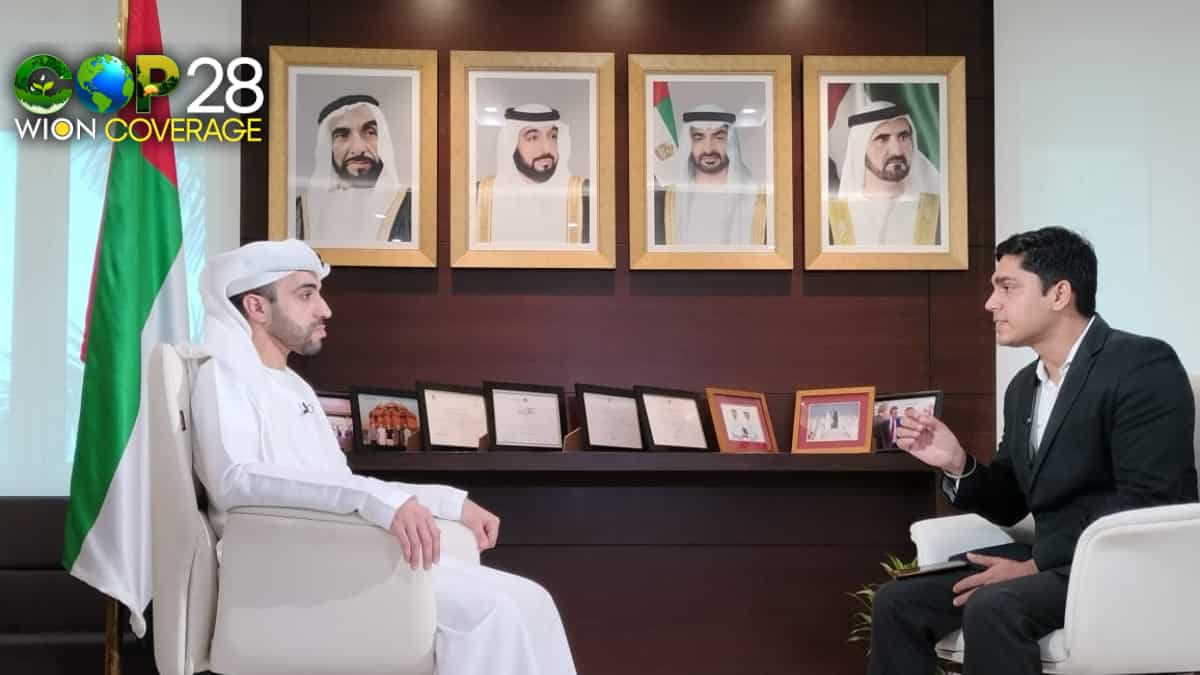
UAE Ambassador to India, Abdulnasser Alshaali with WION's Sidhant Sibal in New Delhi
The UAE Ambassador to India, Abdulnasser Alshaali, conveyed his optimism about the ongoing COP28 climate summit in Dubai, emphasising the UAE's proactive approach.
Speaking to WION's diplomatic correspondent Sidhant Sibal, he said, "We make things happen. And this is something that the UAE has been known for. So, we don't just come out with big announcements or big initiatives that we want to work on, or we want to target".
The ongoing mega climate meet has seen several declarations so far, including agreement on loss and damage fund for which UAE contributed $100 million.

Also watch |COP28: US, worst greenhouse gas emitter pledge just $17.5 mn of $700 mn for loss & damage fund
He dismissed concerns about an oil-producing nation hosting such a summit, asserting, "by being able to achieve such a milestone...we can be both and we can make sure that all countries can have some sort of an agreement with those multiple declarations."
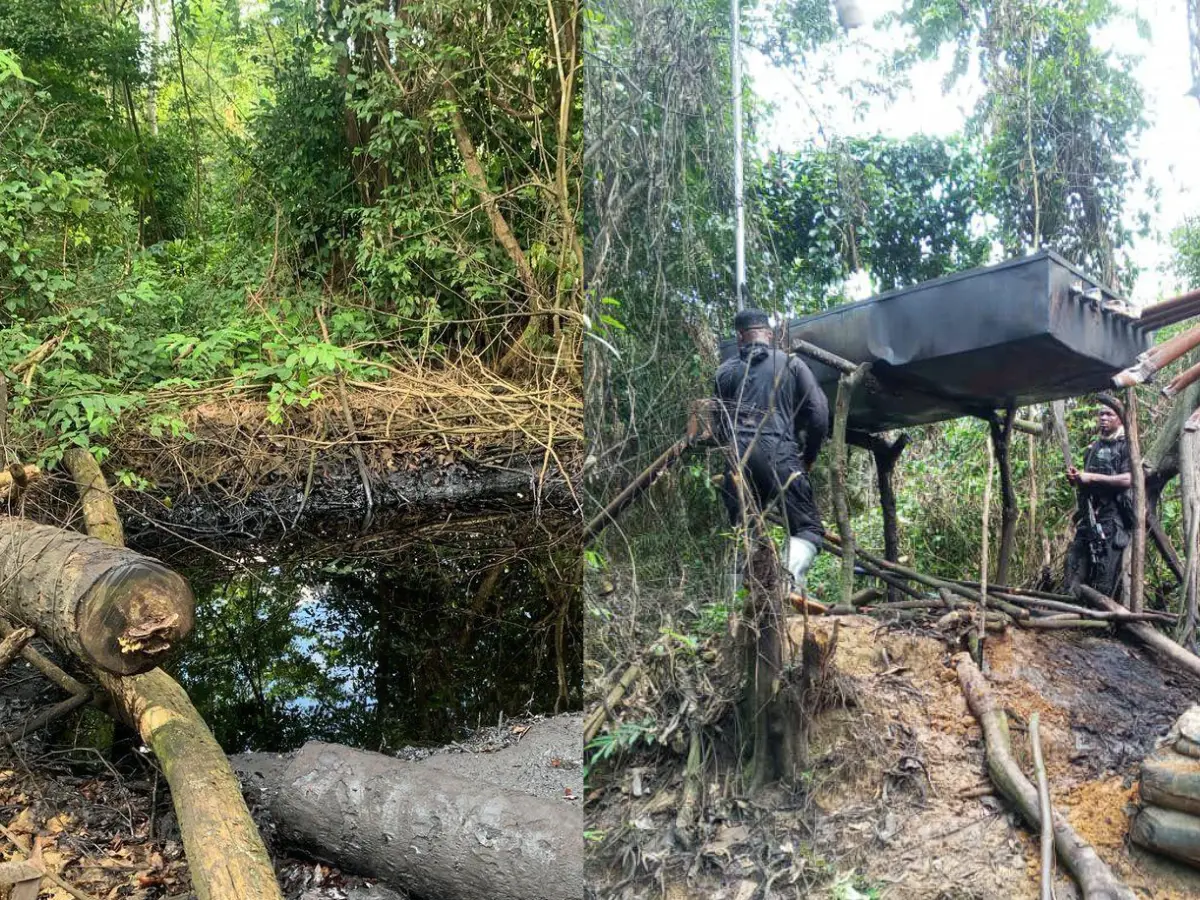)
Nigerian Navy discovers 99,000 litres of suspected stolen, illegally refined products as it intensifies anti-crude oil theft operations
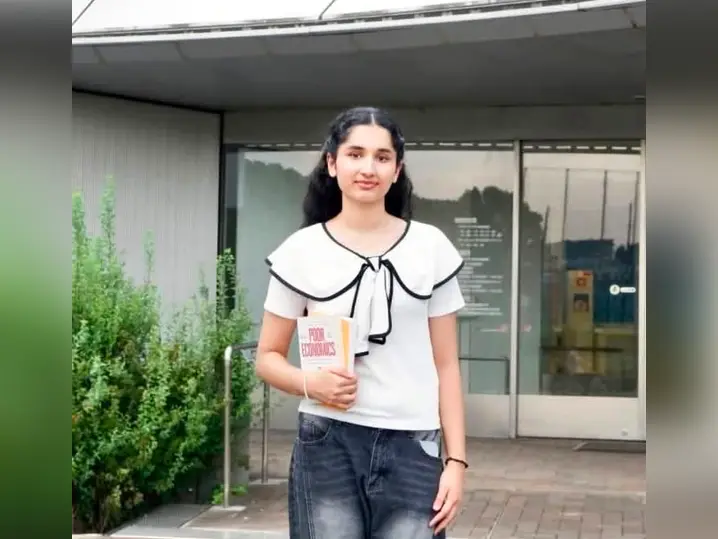)
Who is Aditi Paudel? 17-year-old becomes Japan's first literacy ambassador
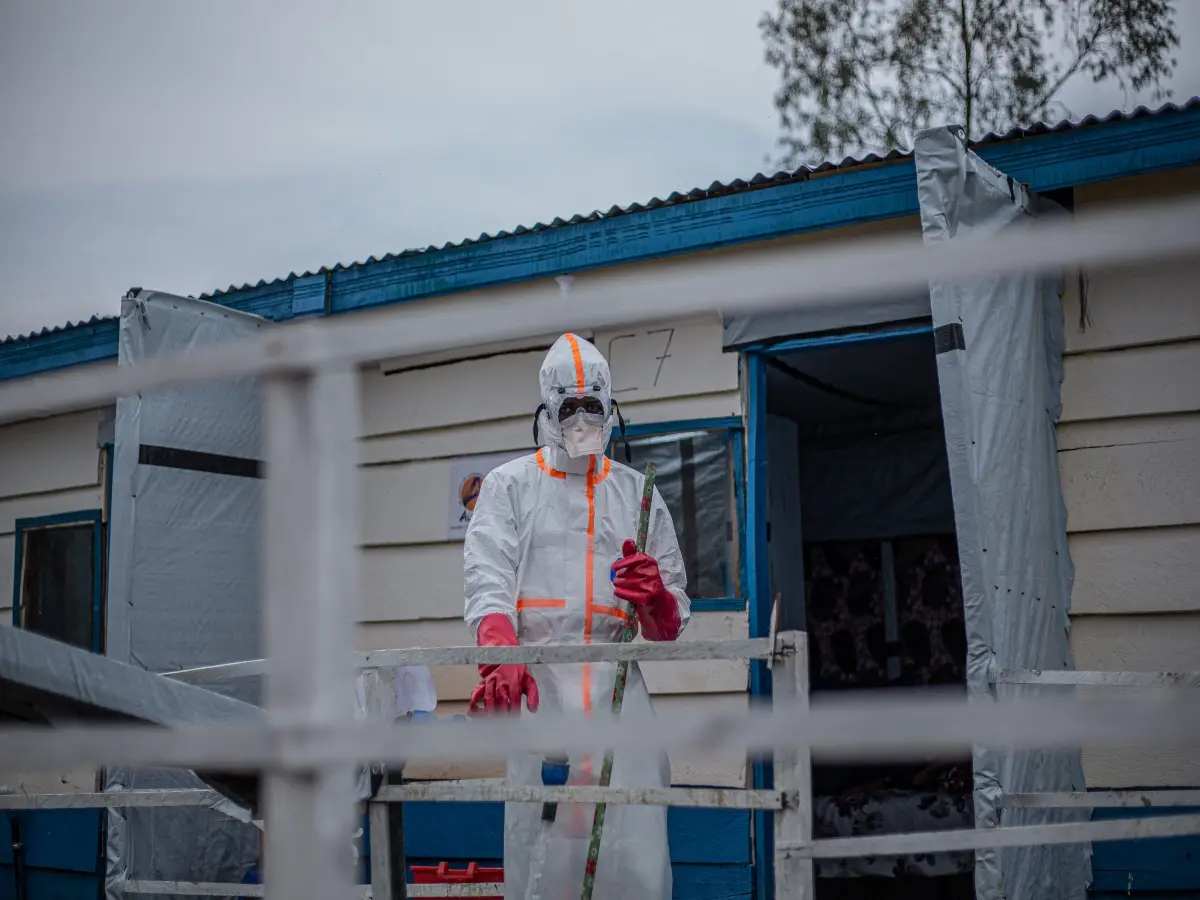)
What are the challenges Congo is facing in containing Ebola outbreak?
&im=FitAndFill=(700,400))
Why US tanks can spin their heavy turrets much faster than Russian tanks
)
Bolivia turns to crypto amid dollar crunch
)
‘Major escalation’: Zelensky accuses Russia of targeting SBU chief’s office
)
South Korea mulls deploying military assets to Strait of Hormuz
)
Women's Asia Cup 2026: India's Smriti Mandhana is now best batter ever in women's cricket
)
World's fifth-largest economy, British army can't afford to train
)
South Korea mulls military deployment in Hormuz amid Trump’s pressure
)
Breaking | Vance takes the podium: First White House briefing since Leavitt's exit
)
Taiwan raises 'concerns' over China's missile test
)
Indian agencies uncover hawala, shell firms and fake trade used to hide illicit money, FATF says
)
BRICS 2026: $1 trillion sovereign capital set to converge in Delhi for first iBRICS Summit
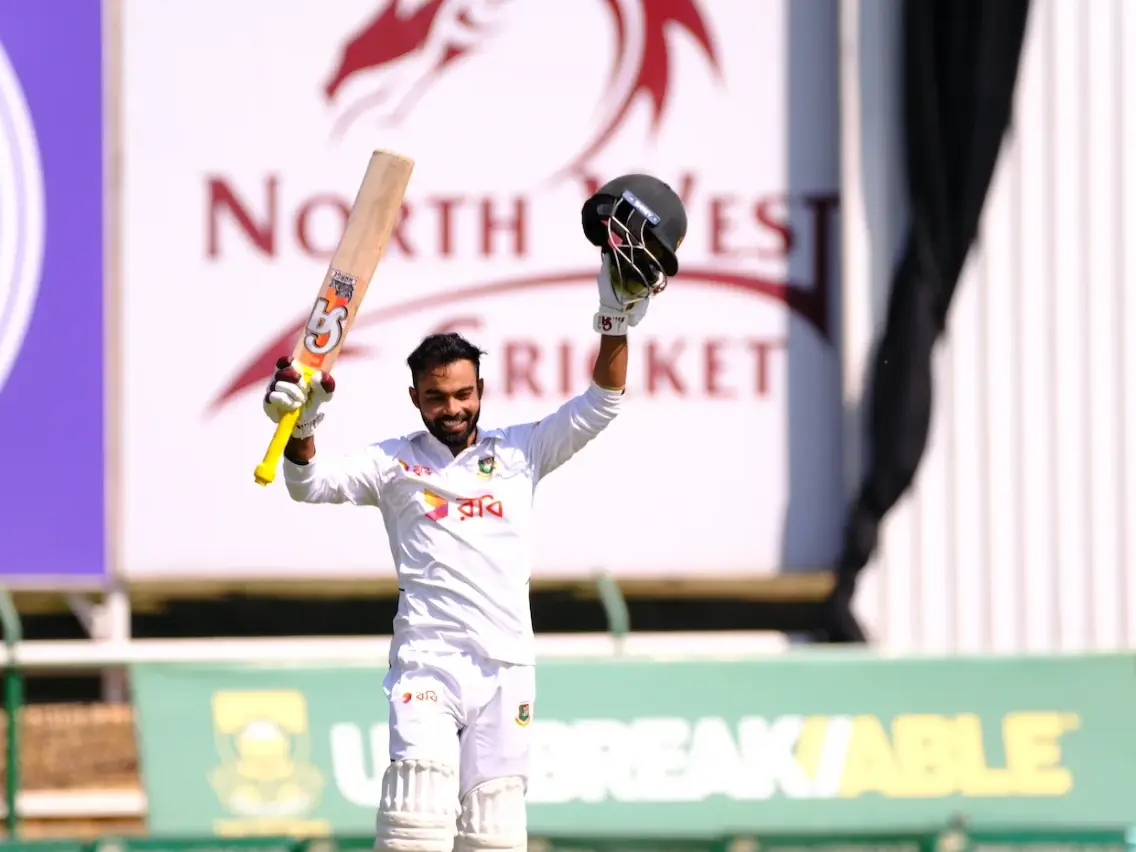)
Bangladesh batter Towhid Hridoy creates history with 350 not out in South Africa
)
Brendan Fraser’s transformation fuels The Mummy 4 excitement as fans welcome back Rick O’Connell
)
Missed Vikrant Massey in Mirzapur: The Movie? Here’s what the actor has to say about the film
)
ISRO stages comeback with GSLV-F17/EOS-05 success; targets six more launches
)
Lindsay Clancy murder trial: Tensions rise as juror disputes over 'reasonable doubt' as verdict remains elusive
)
Iran's army conducts drone & missile attack on US bases
)
Husband uses secret camera to record wife’s affair, wins divorce case, ends up in jail for spying
)
Russia-Ukraine truce in sight? Trump sends US envoys with 'peace plan'; Zelensky offerst emporary ceasefire
&im=FitAndFill=(700,400))
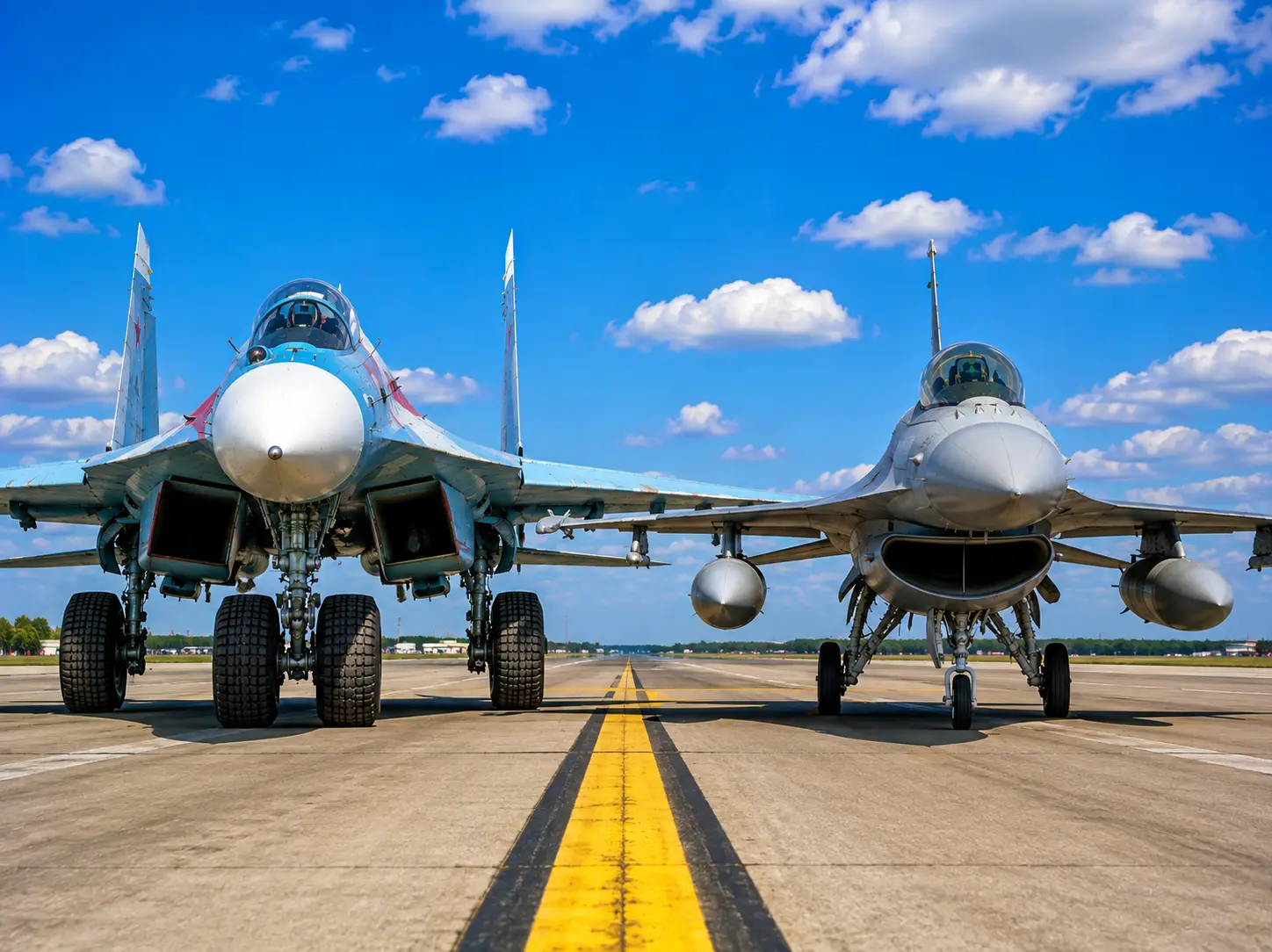
Why Russian fighter jets use bulky, low-pressure tyres compared to US jets
&im=FitAndFill=(700,400))
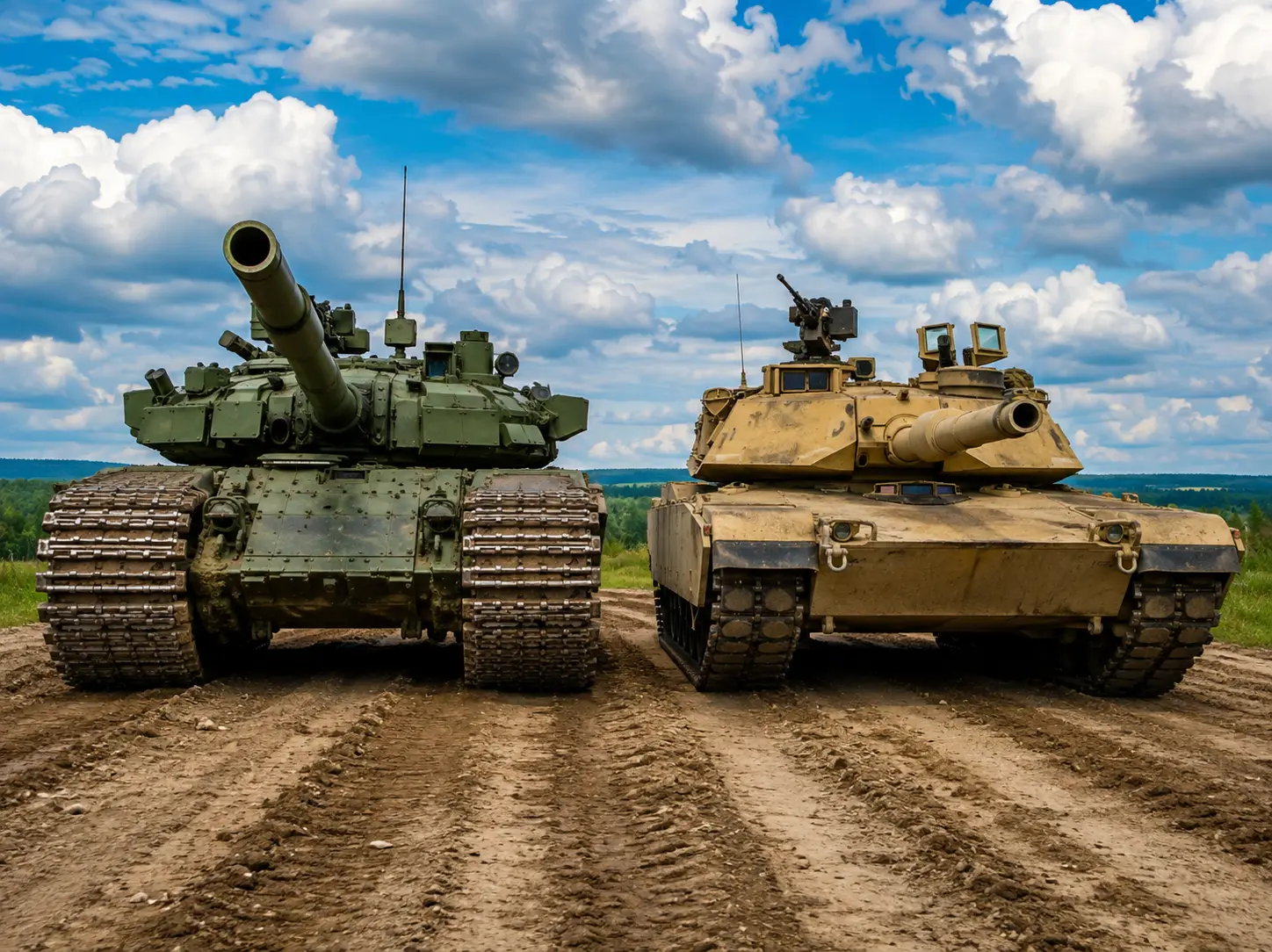
Why US tanks weigh over 20 tons more than Russian tanks
)
Mirzapur: The Movie X review: ‘Peak Mass Entertainer', netizens praise Pankaj Tripathi and Ali Fazal's thriller
&im=FitAndFill=(700,400))
New Friday OTT releases (September 4, 2026): GDN, Dhamaal 4, Jagamae Sangeetham- Watch 6 new movies and TV shows on Netflix, Prime Video and more
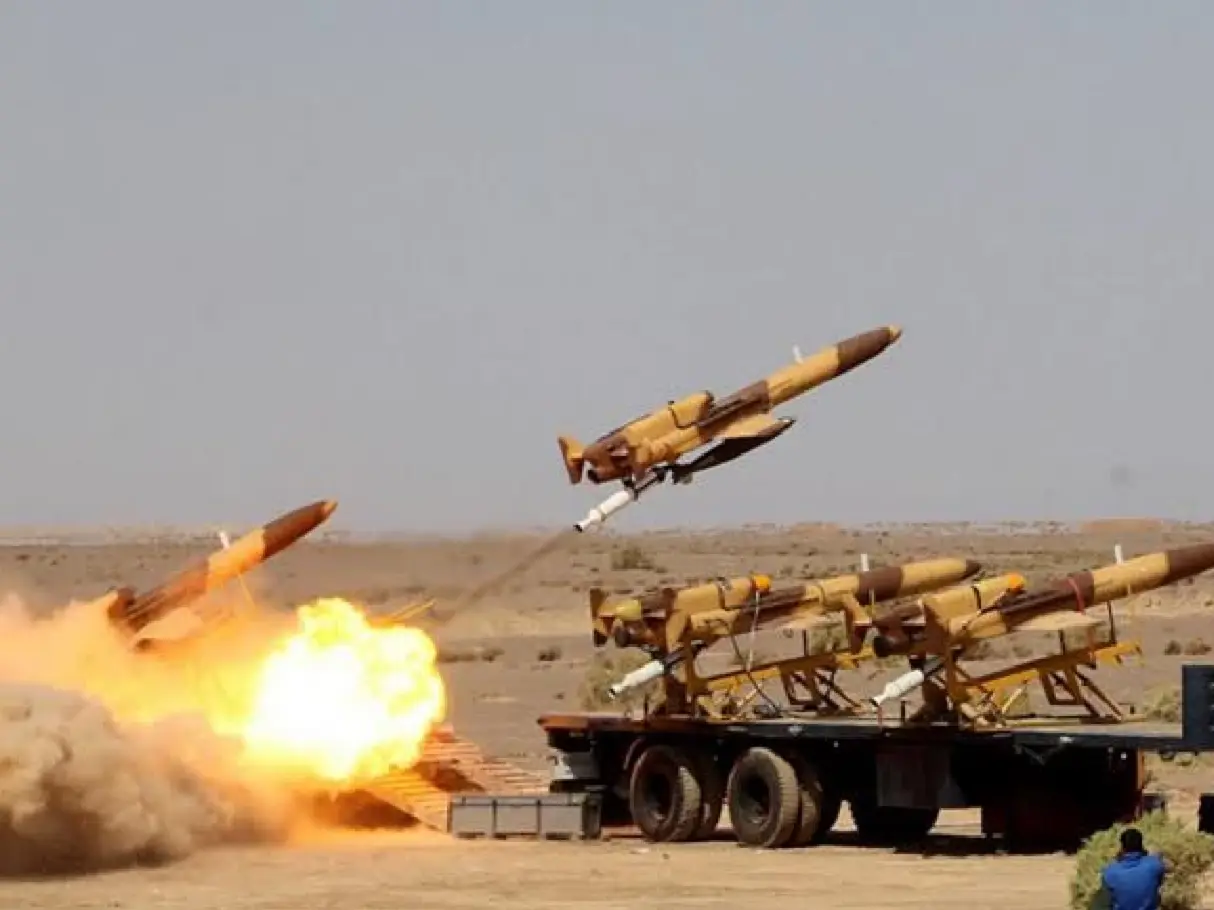)
Iran attacks US bases in Kuwait & UAE, supersecret missile project in focus | Gravitas
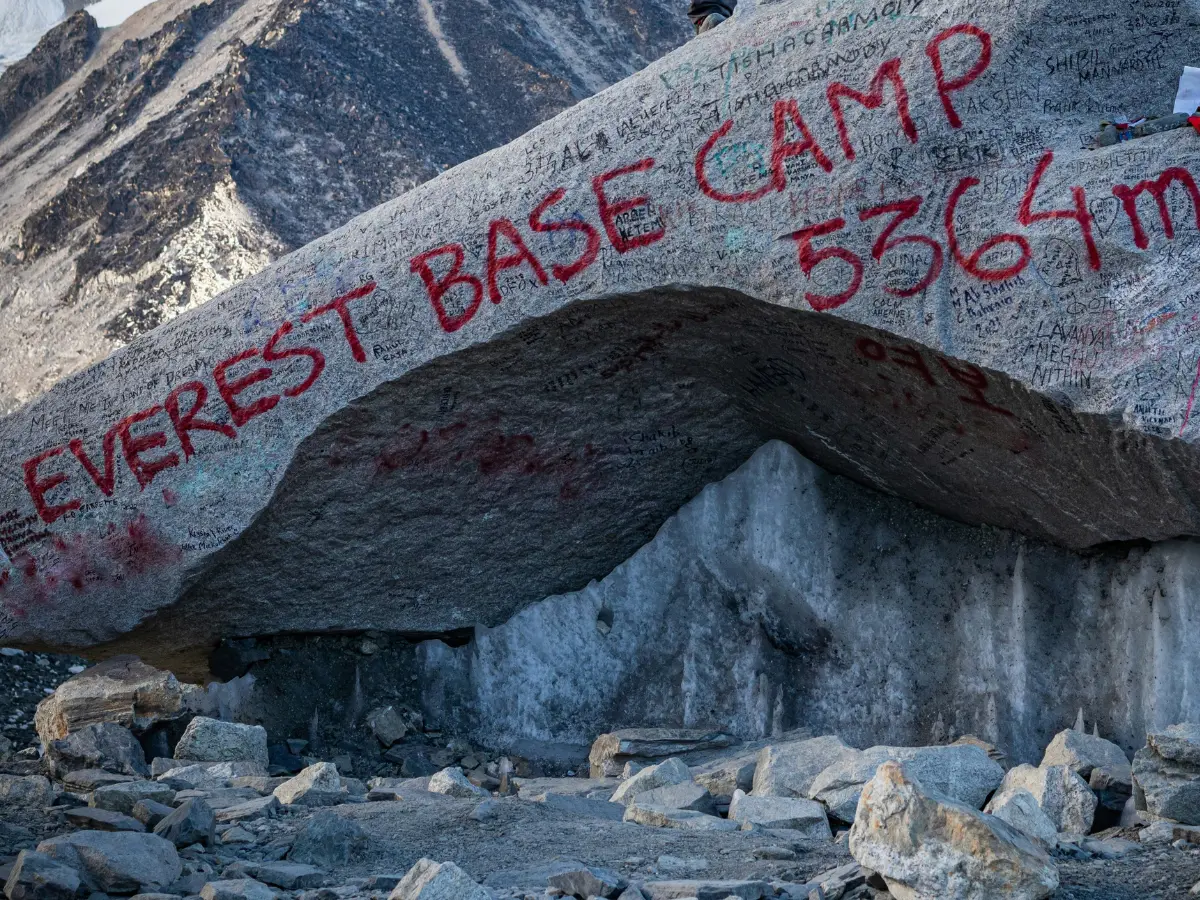)
Killing the Himalayas slowly: Human urine is melting a glacier on Mount Everest
On the Indian PM Modi's participation in the climate summit, Alshaali stated it was a "testament to the relationship between the two countries," particularly with both the nations co-hosting the Global Green Credit Initiative.
He also extended his country's support to India's bid to host the 2028 COP33 summit.
The full interview can be found here:
Sidhant Sibal: We are halfway through COP28, a lot of things which are expected as well. But if you can talk about the key priorities and key developments which have happened so far.
Abdulnasser Alshaali: Thank you for having me. Let me tell you about what has been achieved. So as you have seen, we have made the loss and damage fund operational with a pledge of over $700 million, $100 million from those coming from the UAE alone. There have been a few declarations, with quite a few signatories. So the Agriculture and Food charter has more than 130 countries signed on to it. The climate health one has 120 countries who have signed on to it. We have 50 companies who have signed on the oil and gas decarbonisation charter, and India has supported us on climate finance charter with 13 countries so far.
Sidhant Sibal: Lots of developments. There are some pledges as well, if you could talk about that, and also something that developing countries have been talking about is that the developed world should contribute more to climate finance, if you can elaborate what has been achieved on that front from the COP Summit.
Abdulnasser Alshaali: As I mentioned, there are 13 countries now so far who have signed on the climate finance, as you have seen from the numbers, the loss and damage Fund, which has been an issue of debate or conversation that has been ongoing for quite some time has moved ahead with significant amount. There are more amounts coming in, to different initiatives and different projects that are being launched during the COP28 presidency, what you could see overall and this I believe is one of the success metrics of the COP28 presidency is that this is one COP summit where countries have come forward and have put money on the table. And what we would do as the UAE is obviously, is to follow up on the outcomes coming out of the presidency and to make sure that they keep the momentum into the next COP presidencies as well.
Sidhant Sibal: So every country when it hosts the COP Summit, likes to have its own imprint. So what is that Emirati imprint on this year's summit, the climate summit, which is still underway?
Abdulnasser Alshaali: We make things happen. And this is something that the UAE has been known for. So, we don't just come out with big announcements or big initiatives that we want to work on, or we want to target but we actually make sure that we can get out of something with very tangible outcomes that everyone could feel, and everyone could say that yes, we have felt those impacts. We can see that things are changing; we can see that things are moving. I believe the fact that there are 50 companies who have signed on to the oil and gas decomposition structure says a lot. The UAE has been leading, let's say on that front. Because if you look back at a time before the COP28 presidency, one of the main criticisms was that how can an oil produce and an exporter lead countries and lead the globe on climate and be the president of COP28 and I believe by being able to achieve such a milestone, we have proven that this does not undermine that and that we can be both and we can make sure that all countries can have some sort of an agreement with those multiple declarations on the way forward to mitigate climate risk.
Sidhant Sibal: You started your answer by saying make things happen and perhaps that reverberated well here in New Delhi. We saw the Indian Prime Minister traveling there just for one day but still traveling there, amidst this busy schedule, so how do you see the Indian Prime Minister's presence there taking part in so many meetings, bilateral with your leadership as well.
Abdulnasser Alshaali: It was great and very productive. As you mentioned, I attended a bilateral meeting, you cannot not see the special bond between the two leaders. They have a very good friendship. They discuss various topics, obviously COP28 was the most important but they also discuss other bilateral and multilateral related topics and issues. And you can see that this if anything adds and keeps momentum going in the relationship, as you mentioned, the honorable Prime Minister has participated in quite a few sessions. You also have had his own bilateral meetings, had conversations on the sidelines, even a selfie that went viral. So as I said earlier, quite productive and I hope for the hon. The Prime Minister's visit was quite successful.
Sidhant Sibal: Many outcomes including that selfie as well. But talking about the India UAE, co chairing an important event on green Credit Initiative. How do you see both countries coming together on this crucial issue of climate change?
Abdulnasser Alshaali: It's a testament to the relationship between the two countries. His Excellency Dr Sultan Al Jaber, President of COP28 came to new Delhi and met with a few senior government officials and also met with the G20 Sherpa and the whole idea is that we understand that there is this overlap between G20 priorities and the outcomes that came out of the summit as well as what we are trying to do with COP28 presidency. And we want to make sure that those tangible outcomes and that overlap are being carried forward in the COP 28 presidency whether through the green credit that you saw or other initiatives and projects that the two countries were working on.
Sidhant Sibal: One of the key announcements made by the Indian Prime Minister was that India has pitched that it will also host the COP 33 in 2028. How do you see this announcement and that coming from the territory of UAE, the Indian Prime Ministers chose to make the announcements from UAE?
Abdulnasser Alshaali: Well, I'm confident that India will host it successfully, hopefully, once this has been confirmed, that they will do a great job just like they have done in the G20 presidency. The fact that the honourable Prime Minister has announced it from the UAE, says a lot about the relationship and the fact that he has chosen being in the UAE means that this relationship is one that you can count on in terms of support and in terms of you know, making sure that your priorities and what you're trying to achieve in terms of climate or anything else is being supported as well.
Sidhant Sibal: Just to understand again, because you've already answered it, but still to highlight it more. How does UAE plan to give shape to the global narrative on climate change? Because there are still questions that the world is still not taking it seriously. The leaders come, they talk , there is nothing concrete. So what do you have to say on that and what UAE is doing to shape this, this entire debate around climate change?
Abdulnasser Alshaali: If you just look at what has been achieved so far in the COP28 presidency, the fact that you have the highest youth participation level, the fact that this is the largest COP28 in all kinds of measures and matrices. The fact that governments and countries have come forward with pledges and commitments to all kinds of initiatives, to all kinds of declarations is already a testament that there is a way to bring everyone to agree on certain matters. And there is a way forward for mitigating climate risk and making sure that we are planning for climate change and that we are adjusting and modifying our national goals to make sure that we can accommodate that and that we can actually achieve those goals
Sidhant Sibal: Also rise of UAE as a regional and perhaps a global superpower as because so many leaders you hosted, how do you see I'm not talking about the climate debate but hosting so many leaders is not an easy job, climate change. I mean summits are usually logistically as difficult as well.
Abdulnasser Alshaali: Well, we don't only look at bilateral relations, but we also look at various multilateral platforms and even mini multilateral platforms. We have been active overall in all of those. But I believe that the past few years you have seen this level of activity more visible, with quite a few heads of governments and presidents and prime ministers coming to the UAE and doing courses in the UAE, taking part in COP28. The UAE is also doing its own state visit and so the so forth, what you see now is probably it becoming more visible but UAE has been active in all of those that I have mentioned for a long period of time.
Sidhant Sibal: And of course India as well coming back again to India and my final question as well. The Indian Prime Minister in UAE for the second time this year. We have seen key outcomes during his first visit earlier this year, including on trading in the national currencies as well. So how do you see the India UAE relationship going forward? Any key deliverables both sides are working on? What next for this relationship?
Abdulnasser Alshaali: Well what's next is always a question to the two leaders and as I told you, whenever they sit and talk, they discuss various topics and various matters. There are always new ideas that are put on the table for myself and for my colleague in Abu Dhabi to follow up on. And the matter of fact is to everyone it seems like we have achieved quite a bit in this relationship, especially after the signing of the Comprehensive Economic Partnership Agreement. But the way we see it from the UAE and I believe also from my Indian colleagues is that there is always more to be done. And there's absolutely more that will be done.
Sidhant Sibal: What is that almost more to be done? What are the new ideas this time around? We saw your visual as well meeting with the Prime Minister when the Prime Minister was departing. So any conversation, any anecdotes you'd like to share with us?
Abdulnasser Alshaali: Well, he asked me personally to pass on his regards to the President and the words he used was please do pass my regards to my "brother" His Highness Sheikh Mohammed bin Zayed and that he had a very successful, very nice visit.
And I told him you know, he should not expect any less whenever he visits the UAE.
Sidhant Sibal: Many times we’ve seen the Indian Prime Minister use the specific word brother has been a leave your leadership made an exception as well, so that he can speak first at the COP summit as well. So these initiatives show how essentially the relationship has been going forward.
Abdulnasser Alshaali: Exactly. And I think the fact that you can see this and everyone can see this, it just says a lot about where the relationship stands. And it's up to us now to keep pushing onto new frontiers and to explore various fields of cooperation, increase investments and new sectors, support the startup and SME ecosystem and make sure that the relationship is growing at the state level and also at the Emirate level.