WATCH: British Army horses run loose in central London; later caught by police


Horses seen running loose in central London
A group of military horses went astray in London, resulting in disorder on Wednesday (Apr 24). Reports indicated that up to five people had been injured, prompting British authorities to takethe assistance of the military and police in locating the animals.
Footage shared on social media showed a white horse, seeminglywounded, galloping alongside a black one.
According The Telegraph newspaper, these horses are from the Household Cavalry, a division of the British Army, and they broke free during a training session at Horse Guards Parade, a ceremonial venue in central London.

The horses were spotted running on the road around Aldwych, with one of them looking like it had blood on it.
A taxi driver, parked outside the Clermont hotel on Buckingham Palace Road, had his car windows broken when a frightened horse hit the Mercedes people carrier.
Another horse collided with a parked double-decker tour bus, breaking the its windshield.
&imwidth=180&imheight=135&format=webp&quality=medium)
Telangana unveils AI avatar of IT minister D Sridhar Babu at Hyderabad DevFest 2026
&imwidth=180&imheight=135&format=webp&quality=medium)
US Midterms: Trump targets Norway over Nobel Peace Prize snub, likens Abdul El-Sayed to 9/11 hijackers
&imwidth=180&imheight=135&format=webp&quality=medium)
'This is humiliation': Vijay Deverakonda under fire over controversial marriage proposal remark on Koffee With Karan 9
&imwidth=180&imheight=135&format=webp&quality=medium)
US midterms 2026: Election workers face rising threats, vote-counting process under pressure
&im=FitAndFill=(700,400)&imwidth=180&imheight=135&format=webp&quality=medium)
Armoured vehicles vs main battle tanks: What is the real difference?
&imwidth=180&imheight=135&format=webp&quality=medium)
Pahalgam, Gulmarg record season’s first sub-zero temperatures as winter chill intensifies in Kashmir
&imwidth=180&imheight=135&format=webp&quality=medium)
Govinda breaks silence on divorce rumours with Sunita Ahuja, calls her his first love
&imwidth=180&imheight=135&format=webp&quality=medium)
FIR filed against opposition MPs for ‘trespassing’ amid Jamia Millia students’ protest
&imwidth=180&imheight=135&format=webp&quality=medium)
Can Putin cheat death? All about his daughter’s billion-dollar quest for immortality
&im=FitAndFill=(700,400)&imwidth=180&imheight=135&format=webp&quality=medium)
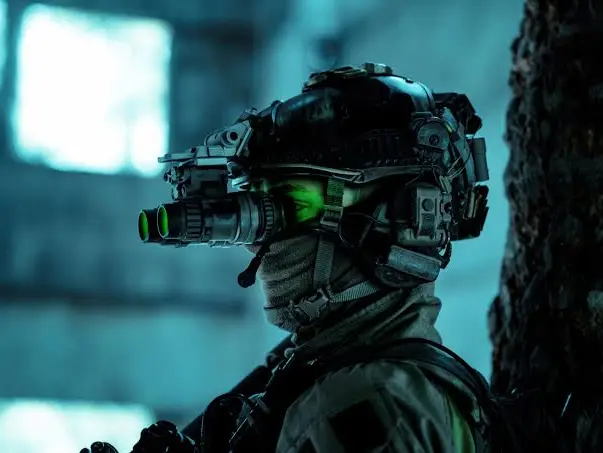
How do army night-vision systems see in almost complete darkness?
&imwidth=180&imheight=135&format=webp&quality=medium)
Saudi says debris fell in Mecca, Medina after missile interceptions; Houthis deny targeting holy cities
&imwidth=180&imheight=135&format=webp&quality=medium)
Netanyahu warns Israelis of ‘existential threat’ from Iran, posts AI image of nuclear strike
&imwidth=180&imheight=135&format=webp&quality=medium)
Brazil re-elects factory worker Lula for fourth term; Indian PM Modi congratulates 'dear friend'
&imwidth=180&imheight=135&format=webp&quality=medium)
Pakistan airline PIA unveils new crew uniforms, faces online criticism
&imwidth=180&imheight=135&format=webp&quality=medium)
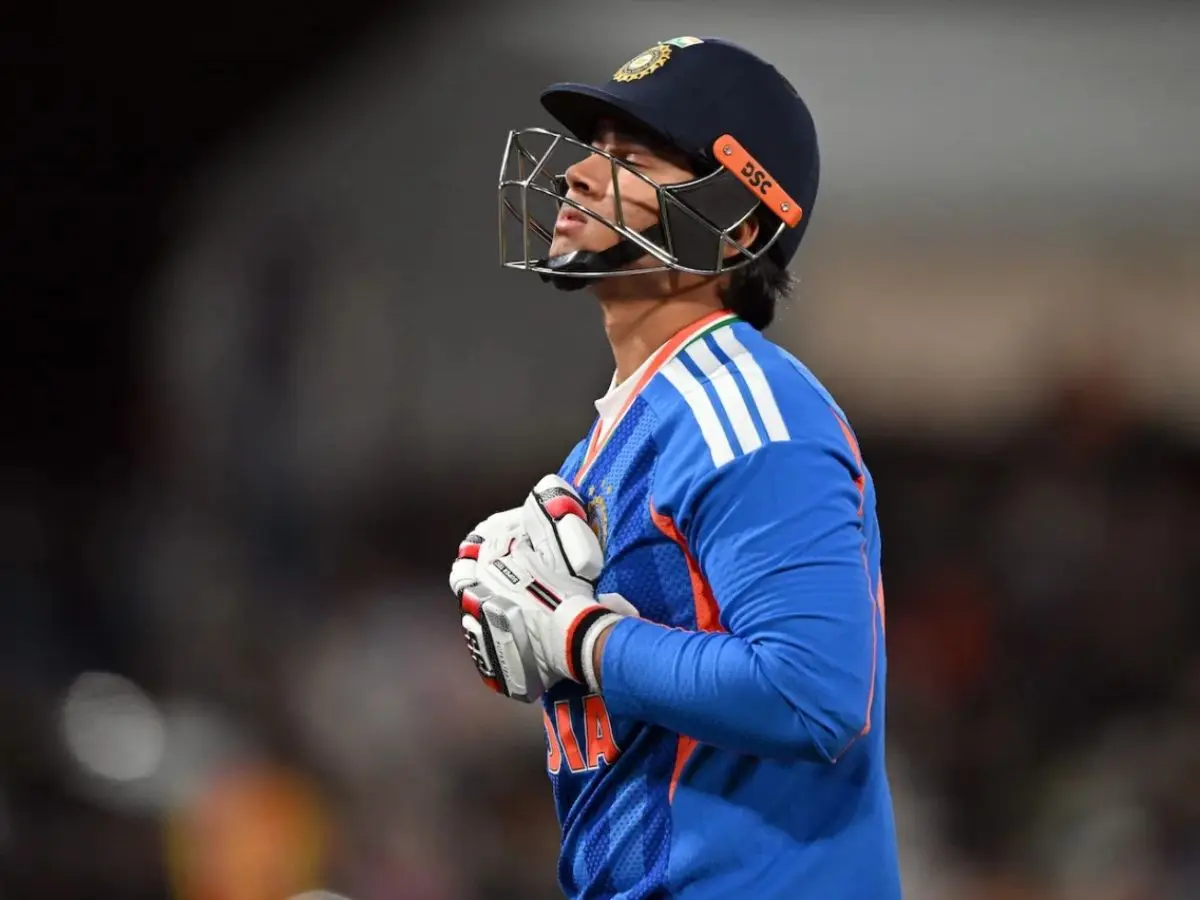
‘That is a miss’: Ravi Ashwin questions Sooryavanshi’s demotion to No. 3 in 2nd T20I vs NZ
&im=FitAndFill=(700,400)&imwidth=180&imheight=135&format=webp&quality=medium)
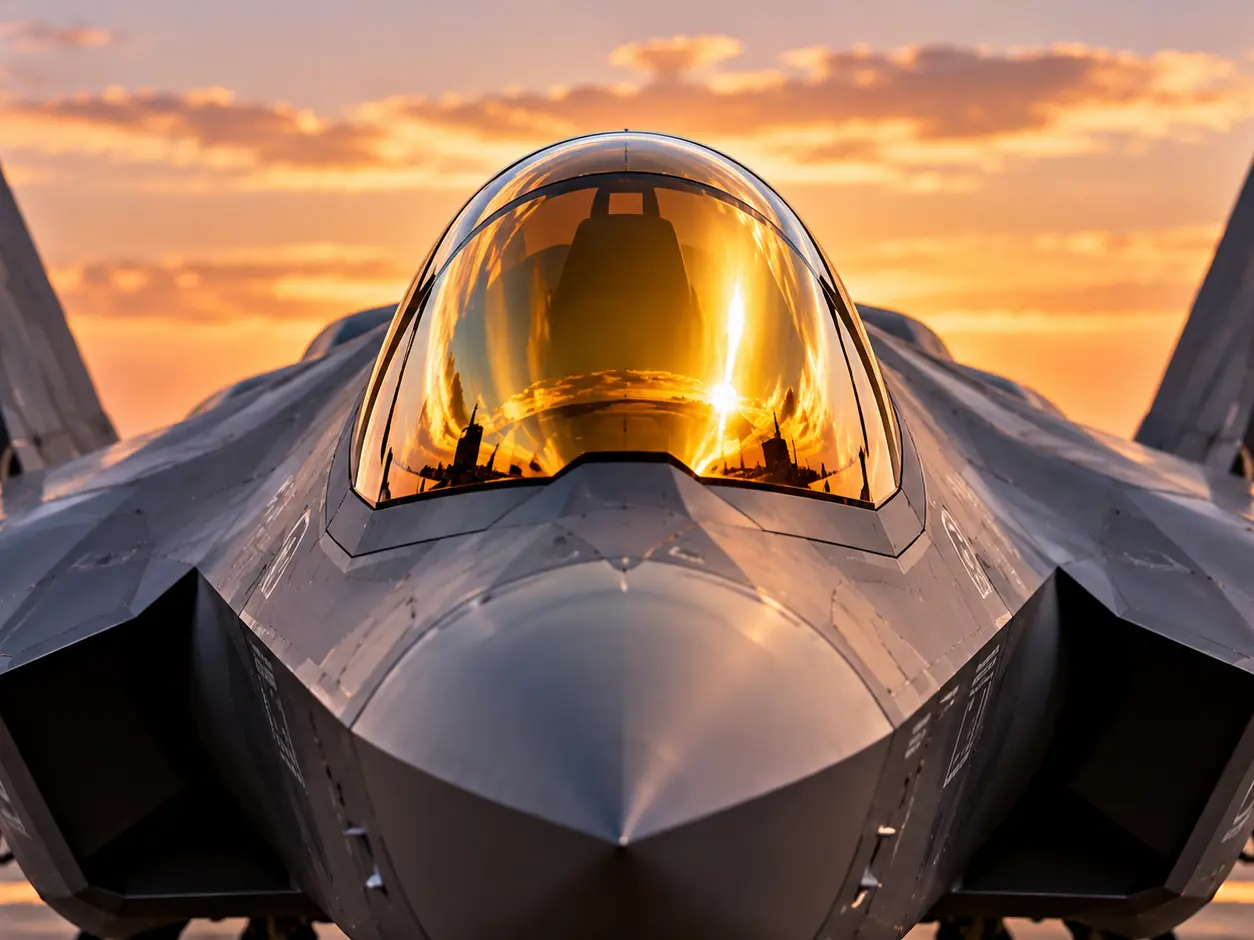
Why does this fighter jet have a golden window that looks like alien technology?
&imwidth=180&imheight=135&format=webp&quality=medium)
Elon Musk’s Grok releases first AI-generated Odyssey episode, months after promising ‘historically accurate’ full-length film
&imwidth=180&imheight=135&format=webp&quality=medium)
'Already tired of his 9-to-5': Baby born with a moustache becomes internet sensation, video goes viral | Watch
&imwidth=180&imheight=135&format=webp&quality=medium)
Bigg Boss 20: Rohit Shetty indirectly reacts to firing at his Mumbai home
&imwidth=180&imheight=135&format=webp&quality=medium)
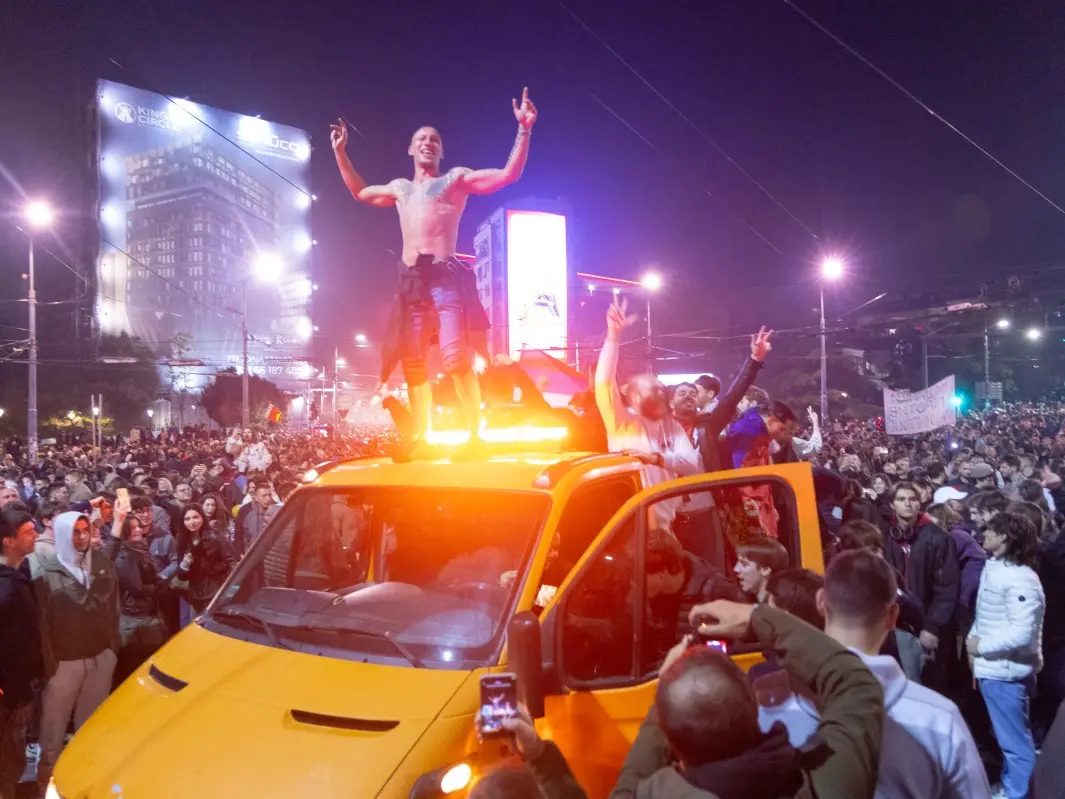
Serbia’s student-led movement defeats Vucic’s party after 14 years in power: Why it matters
&imwidth=180&imheight=135&format=webp&quality=medium)
‘Will finish the Iran job’: Trump backs Netanyahu again, claims 99% support in Israel
&imwidth=180&imheight=135&format=webp&quality=medium)
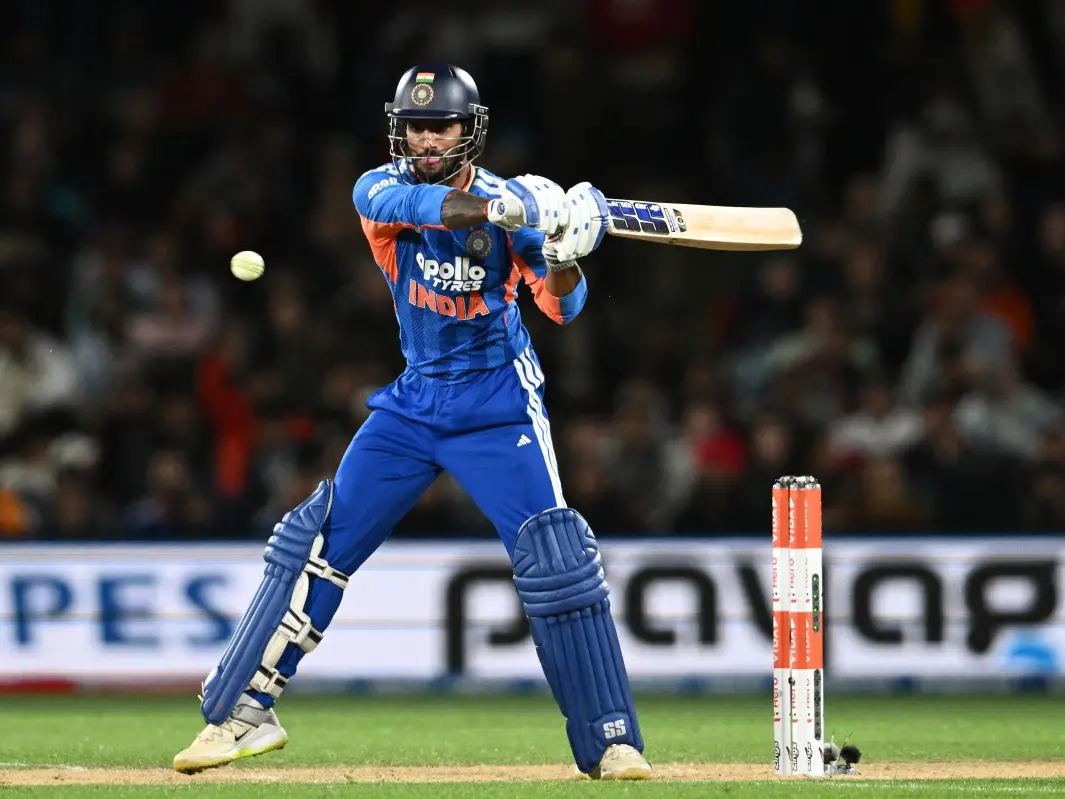
'I promised Gautam & Kotak Sir that...': Tilak Varma opens up on match-winning mindset against NZ
&imwidth=180&imheight=135&format=webp&quality=medium)
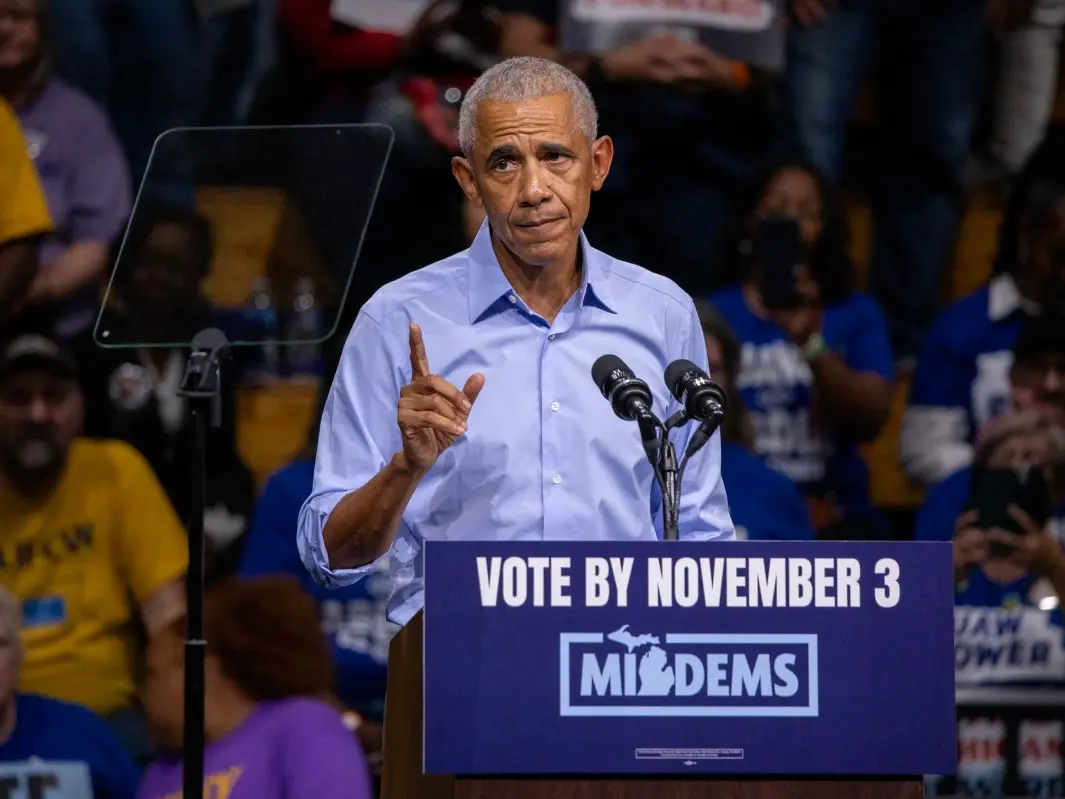
‘Saddam Hussein opened a cheesecake factory’: Obama mocks Trump’s White House renovations; defends Abdul El-Sayed
&imwidth=180&imheight=135&format=webp&quality=medium)
China's dancing robot turns violent bodyguard, lifts cars and fights intruders - Watch
&im=FitAndFill=(700,400)&imwidth=180&imheight=135&format=webp&quality=medium)
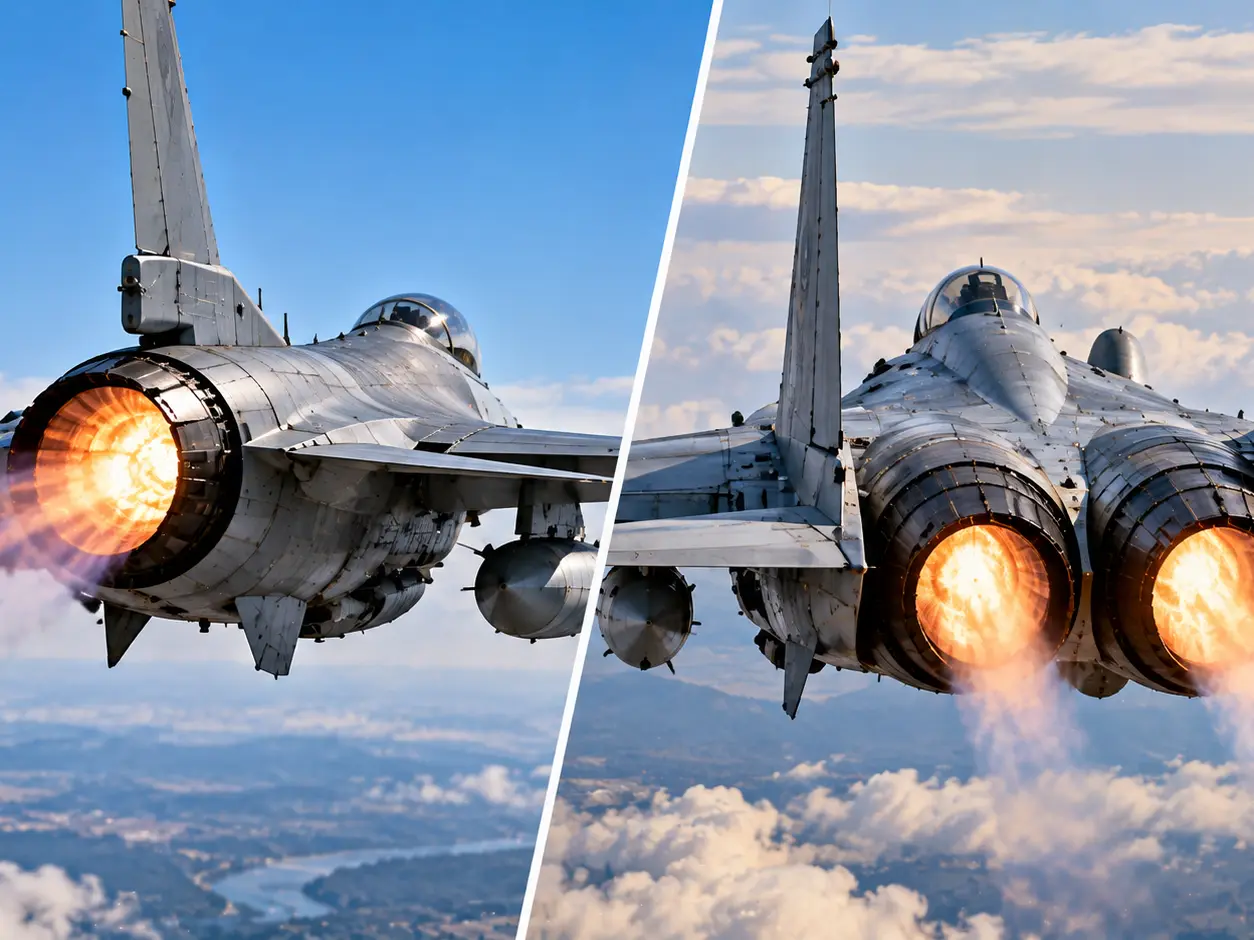
Why do some fighter jets have two engines while others use one?
&imwidth=180&imheight=135&format=webp&quality=medium)
Formula 1: Mercedes' Kimi Antonelli one race and ninth spot finish away from title after US Grand Prix win
&imwidth=180&imheight=135&format=webp&quality=medium)
Delhi's new entry rules for vehicles begin November 1. Here's all you need to know about the ban
&imwidth=180&imheight=135&format=webp&quality=medium)
'Clear overkill': Putin rejects claims Russia is behind mass protests in Europe
&imwidth=180&imheight=135&format=webp&quality=medium)
‘Do I make a deal or finish them off’: What Trump said on resuming Iran strikes
&imwidth=180&imheight=135&format=webp&quality=medium)
Clayface tops North American box office, Elizabeth Holmes documentary follows close behind
&imwidth=180&imheight=135&format=webp&quality=medium)
WATCH | Langur walks into Odisha repair shop, hugs shopkeeper; internet reacts to heartwarming video
&imwidth=180&imheight=135&format=webp&quality=medium)
Nagpur man fails to pay rent, allegedly prints fake Rs 500 notes worth Rs 37 lakh
&imwidth=180&imheight=135&format=webp&quality=medium)
Why Europe’s protests are about more than austerity and rising costs
&imwidth=180&imheight=135&format=webp&quality=medium)
Kim Kardashian, Kris Jenner turn heads with Bold looks at All’s Fair season 2 premiere in Rome
Watch the video here:
Authorities at work
An army spokesperson cited by the Guardian said: “A number of military working horses became loose during routine exercise this morning. All of the horses have now been recovered and returned to camp. A number of personnel and horses have been injured and are receiving the appropriate medical attention.”
"We are aware of a number of horses that are currently loose in central London and are working with colleagues, including the Army, to locate them," London's Metropolitan Police said on X.
The London Ambulance Service received a call at 8:25 a.m. local time (0725 GMT) about someone being thrown from a horse on Buckingham Palace Road in central London, according to a spokesperson for the service.
Two horses were captured by officers from the City of London police. The force said on X: “At around 8.40am, we were called about horses that had became loose and were travelling through the City.
Also watch |Horse Festival in Bulgaria & Art in Paris
“Our officers have contained two horses on the highway near Limehouse. An army horsebox collected the horses and transported them to veterinary care.”
(With inputs from agencies)