US sanctions 7 Iraqi militia commanders linked to Iran-backed groups under 'Economic Fury'. Who all are on the list

&imwidth=600&imheight=450&format=webp&quality=medium "US sanctions 7 Iraqi militia commanders linked to Iran-backed groups under 'Economic Fury'. Who all are on the list")
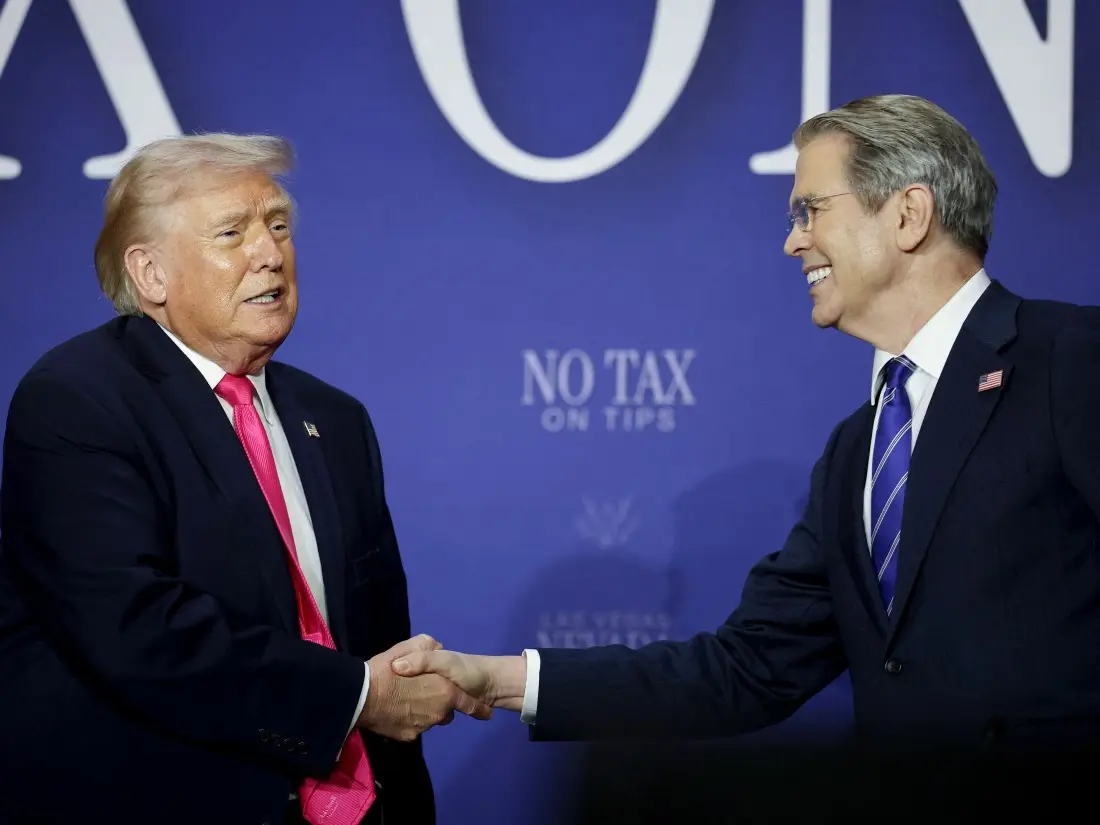
Scott Bessent with Donald Trump at an event Photograph: (AFP)
US sanctions seven Iraqi militia commanders linked to Iran-backed groups for attacks on American forces; assets blocked under anti-terror order
The US Department of the Treasury, through its Office of Foreign Assets Control (OFAC), has designated seven Iraqi militia commanders for their roles in planning and executing attacks against US personnel, facilities, and interests in Iraq. The individuals are linked to Iran-backed militia groups, including Kata’ib Hizballah, Kata’ib Sayyid Al-Shuhada, Harakat Al-Nujaba, and Asa’ib Ahl Al-Haqq. These groups have been accused of carrying out attacks on US forces and civilians, diverting Iraq’s resources to fund militant activities, and undermining the country’s sovereignty.
“We will not allow Iraq’s terrorist militias, backed by Iran, to threaten American lives or interests,” said Secretary of the Treasury Scott Bessent. “Those who enable these militias’ violence will be held accountable.” The sanctions were imposed under Executive Order 13224, which targets terrorists and their supporters. The move builds on previous U.S. actions against Iran-backed networks operating in the region. These militias have already been designated as Specially Designated Global Terrorists (SDGTs) and Foreign Terrorist Organizations (FTOs).
Who are the key Iraqi militia commanders?
- Within Kata’ib Hizballah, Ammar Jasim Kadhim Al Rammahi has been identified as an operational commander responsible for planning and coordinating attacks on US targets. Radhwan Yousif Hameed Almohammed and Hasan Dheyab Hamzah Hamzah are also senior officials involved in operational coordination.
- In Asa’ib Ahl Al-Haqq, Safaa Adnan Jabbar Suwaed serves as a senior commander and operations chief in Iraq’s Salah ad-Din Province. The group has reportedly conducted thousands of attacks and utilized Iranian drones against US and coalition forces.
- Kata’ib Sayyid Al-Shuhada leaders Khalid Jameel Abed Albakhatra and Saeed Kadhim Mukhamis were also designated, with Albakhatra serving as a commander within the group.
- Additionally, Husham Hashim Jaythoom, a military trainer affiliated with Harakat Al-Nujaba, was sanctioned for supporting operations and publicly aligning with Iran.
Trending Stories
&imwidth=280&imheight=210&format=webp&quality=medium)
&imwidth=280&imheight=210&format=webp&quality=medium)
&imwidth=280&imheight=210&format=webp&quality=medium)
&imwidth=280&imheight=210&format=webp&quality=medium)
&imwidth=280&imheight=210&format=webp&quality=medium)
&imwidth=280&imheight=210&format=webp&quality=medium)
&imwidth=280&imheight=210&format=webp&quality=medium)
&imwidth=280&imheight=210&format=webp&quality=medium)
&im=FitAndFill=(700,400)&imwidth=280&imheight=210&format=webp&quality=medium)
&imwidth=280&imheight=210&format=webp&quality=medium)
&imwidth=280&imheight=210&format=webp&quality=medium)
&imwidth=280&imheight=210&format=webp&quality=medium)
&imwidth=280&imheight=210&format=webp&quality=medium)
&imwidth=280&imheight=210&format=webp&quality=medium)
&imwidth=280&imheight=210&format=webp&quality=medium)
&im=FitAndFill=(700,400)&imwidth=280&imheight=210&format=webp&quality=medium)
&imwidth=280&imheight=210&format=webp&quality=medium)
&imwidth=280&imheight=210&format=webp&quality=medium)
&imwidth=280&imheight=210&format=webp&quality=medium)
&imwidth=280&imheight=210&format=webp&quality=medium)
&imwidth=280&imheight=210&format=webp&quality=medium)
&imwidth=280&imheight=210&format=webp&quality=medium)
&imwidth=280&imheight=210&format=webp&quality=medium)
&imwidth=280&imheight=210&format=webp&quality=medium)
&imwidth=280&imheight=210&format=webp&quality=medium)
&imwidth=280&imheight=210&format=webp&quality=medium)
&imwidth=280&imheight=210&format=webp&quality=medium)
&imwidth=280&imheight=210&format=webp&quality=medium)
&imwidth=280&imheight=210&format=webp&quality=medium)
&imwidth=280&imheight=210&format=webp&quality=medium)
&imwidth=280&imheight=210&format=webp&quality=medium)
&imwidth=280&imheight=210&format=webp&quality=medium)
&imwidth=280&imheight=210&format=webp&quality=medium)
&imwidth=280&imheight=210&format=webp&quality=medium)
Sanctions implications
As a result of these designations, all assets and property belonging to the listed individuals within US jurisdiction are blocked and must be reported to OFAC. Entities owned 50 percent or more by these individuals are also subject to blocking measures. US regulations now prohibit transactions involving these designated individuals unless authorized by OFAC. Violations can lead to civil or criminal penalties for both U.S. and foreign entities.
Foreign financial institutions may also face secondary sanctions if they engage in significant transactions involving these individuals. OFAC retains the authority to restrict or prohibit access to US financial systems for such institutions. The Treasury emphasized that sanctions aim not only to penalize but also to encourage behavioral change, noting that individuals can be removed from the sanctions list if they meet legal criteria.

