US President Joe Biden approval rating declines in two months

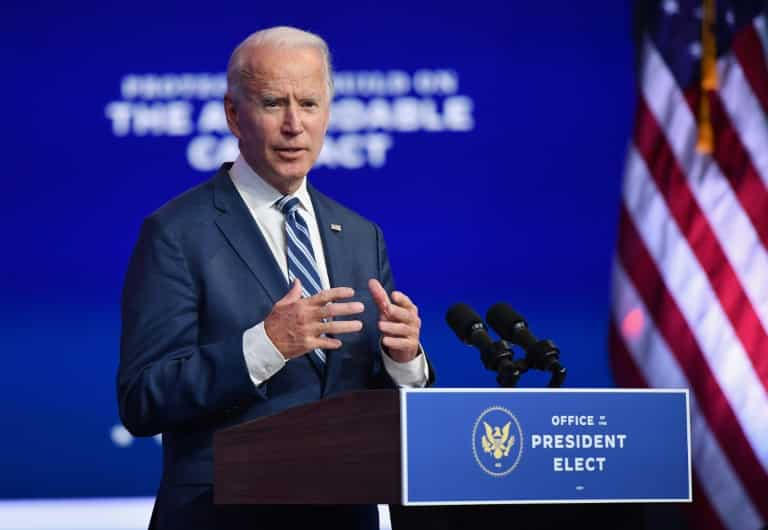
Joe Biden
US President Joe Biden's approval rating iswitnessing a downward trend and have fallen in the past two months, according to a poll conducted by Monmouth University.
The pollstates that Biden's approval rating standsat 51 percent nationwide, with 42 percent of the United States disapproving him as their leader. Hisdisapproval rating has jumped from 30 per cent to 42 per cent.

The poll also finds the job rating for Congress at 30 per centapprove and 59 per centdisapprove and views of the nation’s trajectory at 34 per centwho say it is headed in the right direction and 61 per centsaying it is on the wrong track.
Both ratings were slightly better in January: 35per centapprove to 51per centdisapprove for Congress and 42per centright direction to 51per centwrong track for the country. The prior poll’s results were a historical high in eight years of national polling by Monmouth. While the current ratings have declined, they remain on the higher end of the range across which they have fluctuated since 2013.
Patrick Murray, director of the independent Monmouth University Polling Institute said"It’s probably not a surprise that Biden’s honeymoon period has closed quickly. He does maintain a net positive rating, but the Covid stimulus package will be the first significant test of how stable that support is."
)
Why asking questions could be more important than memorising answers
)
BRICS Summit 2026: Iran's Pezeshkian praises PM Modi at BRICS
)
Osama Bin Laden ‘planned’ to target India, CIA reveals dozens of declassified documents
)
PM Modi and China's Xi offered to help resolve Russia-Ukraine war: Kremlin
)
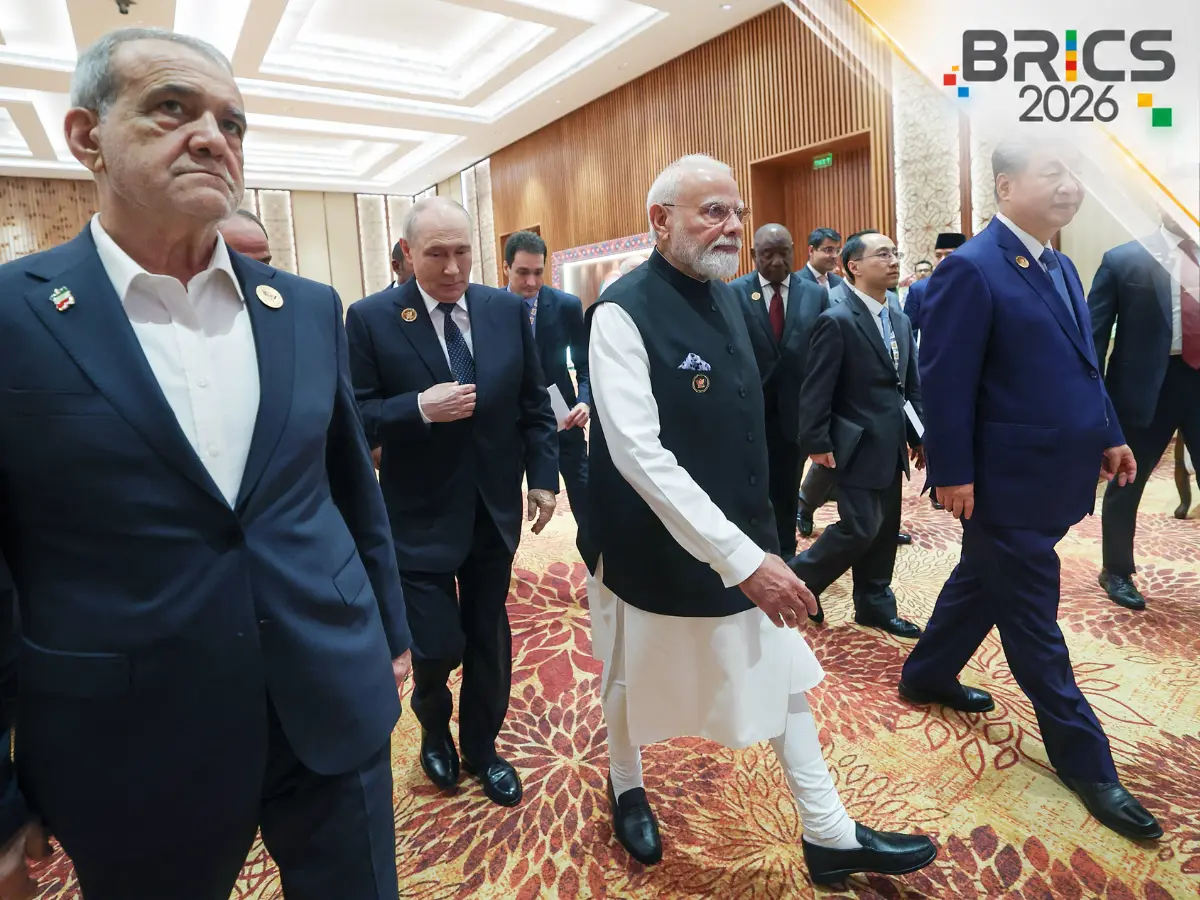
BRICS Summit 2026: Global leaders of BRICS nations attend main open session
)
'Iran won't surrender': Pezeshkian sends blunt message to US while attending BRICS Summit in India
)
Why dehydration is the hidden cause of travel fatigue on long flights
)
Top 5 places to visit in Goa beyond its famous beaches
)
'He is popular...': Malaysian PM Anwar Ibrahim's praise for PM Modi during bilateral meeting | WATCH
)
BRICS Summit 2026: 30+ countries seek BRICS membership
)
Frustrated man demolishes his kitchen after thousands flock to see Mother Mary his wife spotted on the wall
)
BRICS Summit 2026: PM Modi, Xi reach key consensus on ties, China to assume BRICS chairmanship in 2027
)
BRICS Summit 2026: Consensus on joint declaration, diplomatic win for India
)
Trump says Canada eager to reach a deal, it could come ‘fairly soon’ if Ottawa treats US farmers better
)
‘Partners, not rivals’: Xi outlines four point plan for stronger India-China ties
&im=FitAndFill=(700,400))
Why Chinese PL-15 air-to-air missiles use dual-pulse motors compared to European interceptors
)
Could staying indoors all day affect your health?
)
BRICS Summit 2026: PM Modi addresses Day 2 of 18th BRICS summit
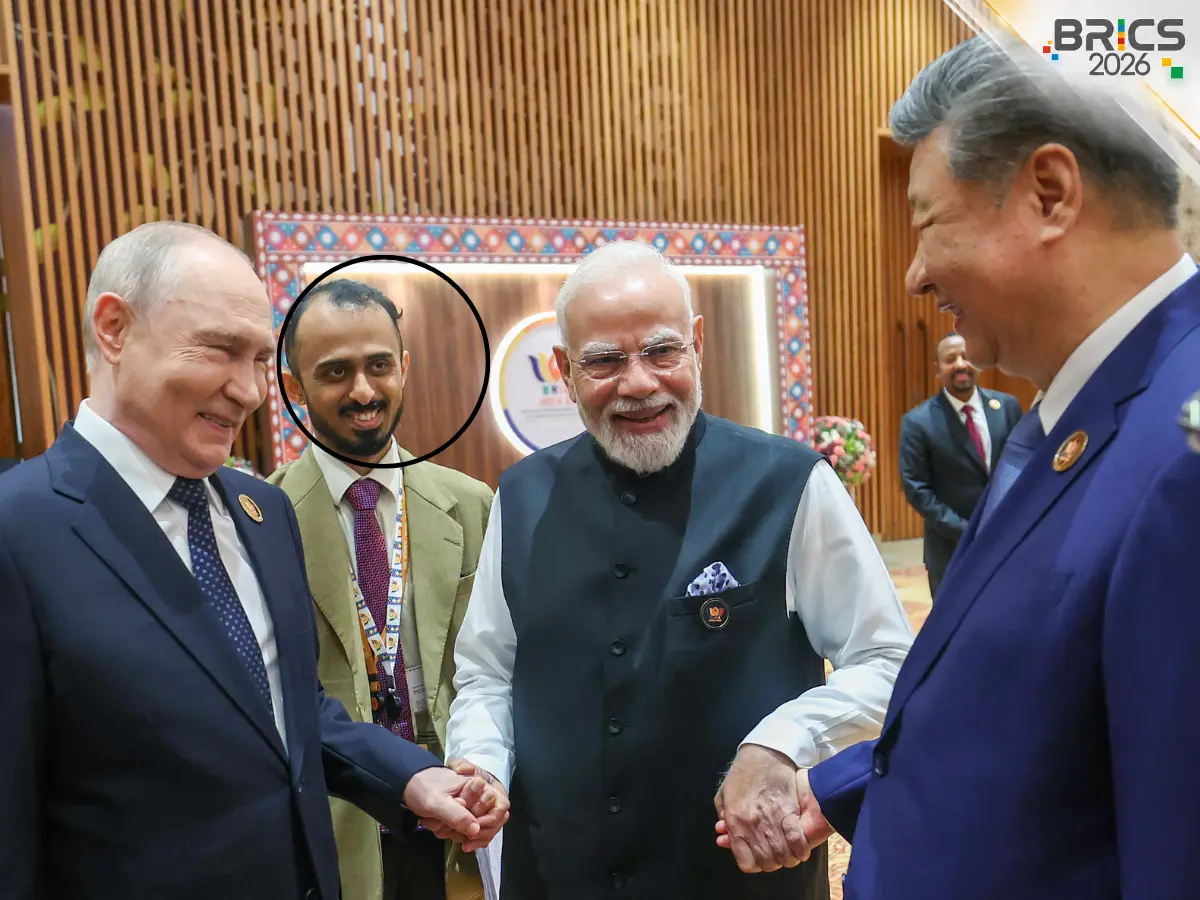)
Who is the smiling man beside Modi, Putin and Xi at BRICS Summit 2026?
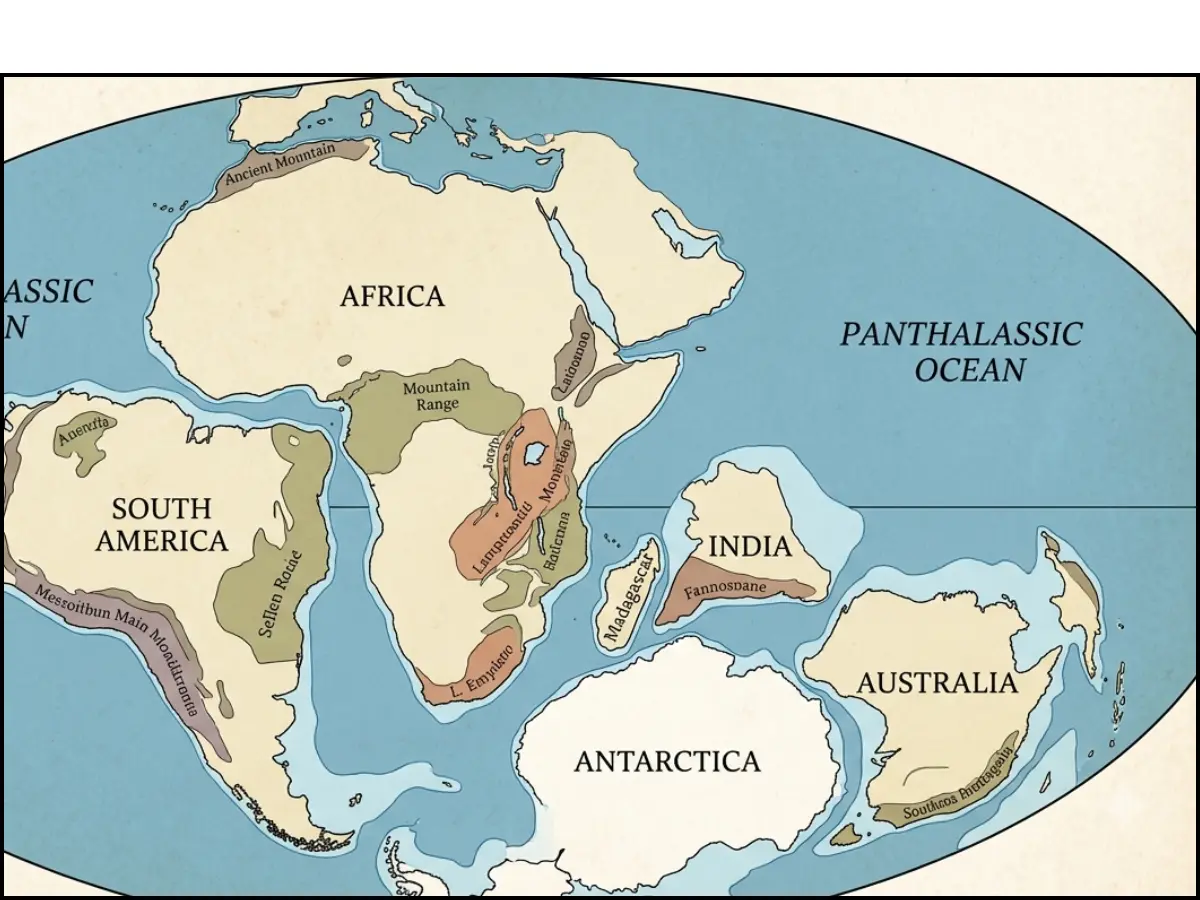)
800 million years old - Scientists discover 'fingerprints' of supercontinent Gondwana in ancient rocks
)
Why going digital does not always mean becoming more efficient
&im=FitAndFill=(700,400))
Why do air defence missiles explode near their target instead of hitting it?
)
From severe mobility problems to recovery: Madhuri the elephant’s journey of wildlife care
)
BRICS Summit day 1: New Delhi declaration adopted with full consensus, big diplomatic win for India
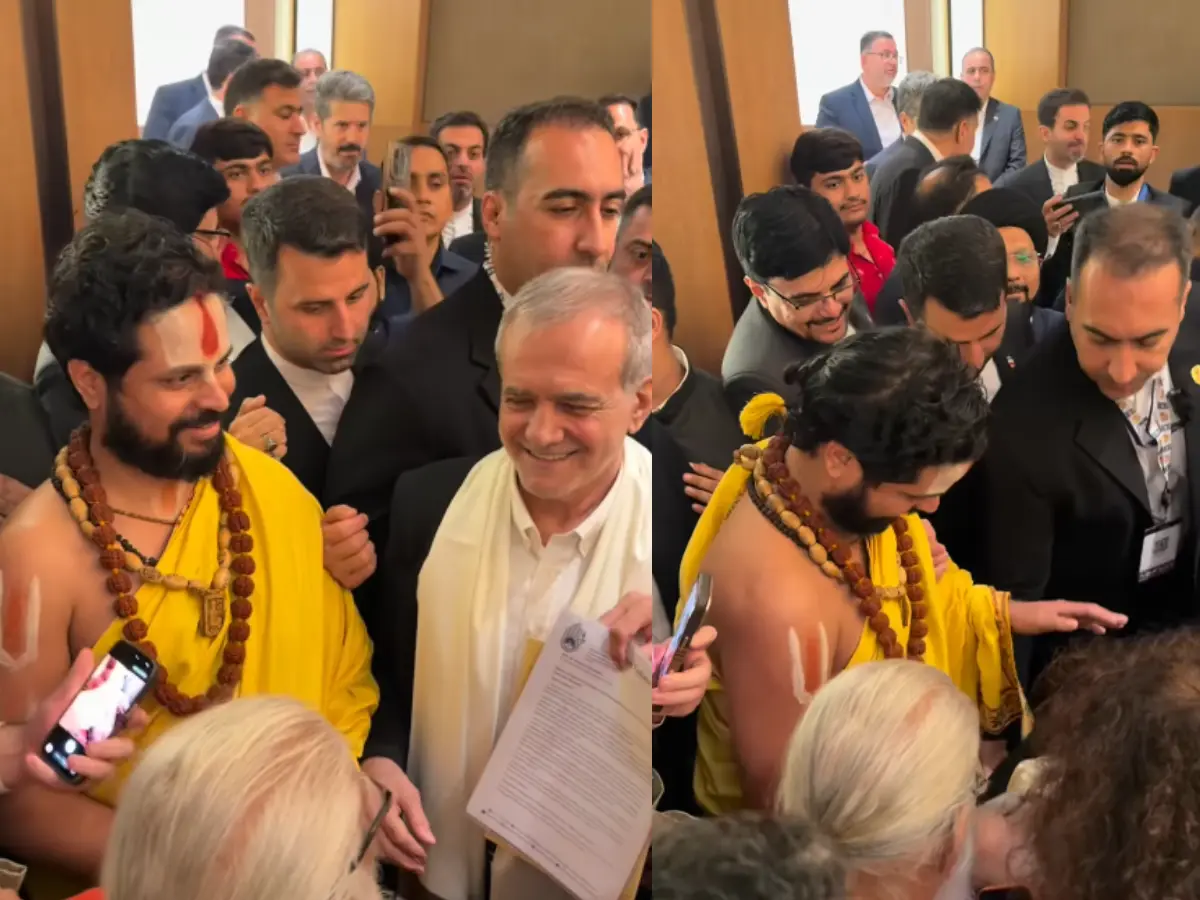)
Did Iran President Pezeshkian touch feet of Hindu spiritual leader at Delhi event as shown in viral video?
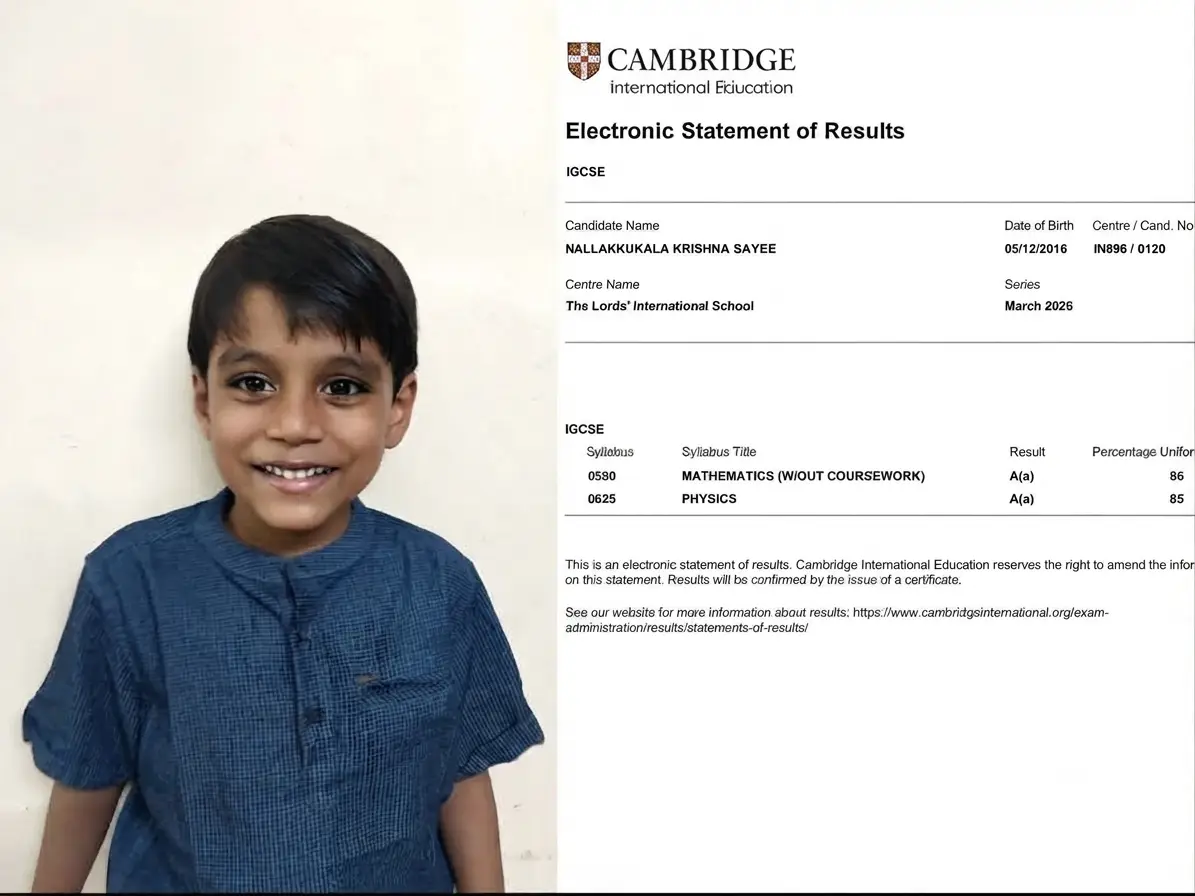)
9-year-old Chennai prodigy clears Cambridge IGCSE grade 10 exams
)
Why does your body need time to adjust after a long journey?
)
BRICS Summit 2026: PM Modi to hold bilateral with leaders of seven countries
)
Ramanathaswamy temple takes centre stage as PM Modi welcomes world leaders at BRICS
)
Houthis launch cross-border strike on Saudi Arabia as Yemen war escalates
)
BRICS Summit 2026: Chinese president Xi Jinping departs from New Delhi after attending BRICS summit
)
Why does your skin need protection from UV rays?
)
How does the loss of forests affect the way wildlife lives and moves?
)
IND vs AFG, 1st T20I: When and where to watch live streaming in India?
)
Why do wild animals need quiet places to survive?
)
Bigg Boss 20: Qazi Touqeer gets a special ‘rockstar’ moment from Salman Khan
)
Humans may lose control of AI: Anthropic CEO calls for slowdown, Altman, Musk back him
Americans continue to give President Biden broadly positive marks on his handling of the coronavirus pandemic but when it comes to Congress, they’re impatient to see more action.
Just over 6 in 10Americans support the $1.9 trillion Covid stimulus package currently making its way through Congress, while 34per centoppose it. Strong support registers at 35per centof the public while strong opposition stands at 23 per cent. Overall support for the plan comes from 92per centof Democrats and 56per centof independents, but just 33 per centof Republicans.
Most Americans are satisfied with one key component of the package – the $1,400 per person payments to individuals and families who meet certain income levels. A majoritysay this amount is about right. Another 28per centwould like to see larger payments and just 14% want smaller payments.
Another aspect of the stimulus plan – increasing additional unemployment benefits from $300 to $400 per week and extending them through the summer – receives support from 67per centof Americans. Just 30per centare opposed to an extension of jobless aid.
A majorityof the public also supports raising the federal minimum wage to $15 per hour, while 45per centare opposed to this. The minimum wage hike was included in the House bill passed last week but is likely to be stripped from the Senate version due to a parliamentary ruling.
“Even though the decision to jettison the minimum wage hike is largely out of Democrats’ hands, one lesson from 2009’s recovery bill is that you don’t get much credit if it is seen as a half measure. The question is whether the minimum wage hike is considered essential. It will be interesting to see how public opinion reacts to the final legislation, both in the short-term and the long-term,” said Murray.
The bill passed by the House did not garner any Republican votes. It will almost certainly face the same fate in the Senate without significant changes. Looking at the plan as a whole, the public is evenly divided on whether the $1.9 trillion amount should be cut in order to gain bipartisan support (48 per cent) or whether the full plan should remain intact even if it only gets support from senators in one party (45 per cent).