US once literally chopped B-52 bombers in half with a guillotine so Russian satellites could watch

&imwidth=600&imheight=450&format=webp&quality=medium "US once literally chopped B-52 bombers in half with a guillotine so Russian satellites could watch")
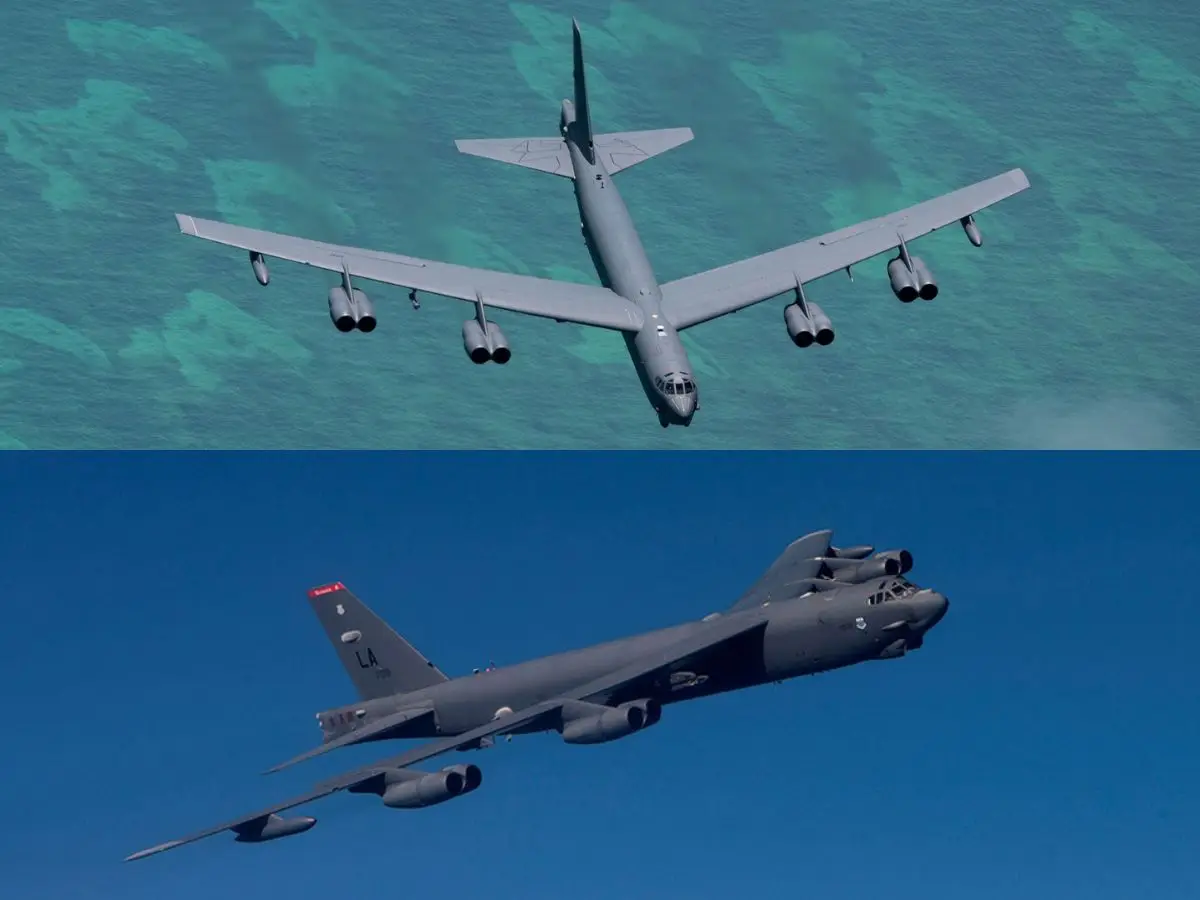
US once literally chopped B-52 bombers in half with a guillotine so Russian satellites could watch Photograph: (Boeing.com)
Under the START nuclear arms treaty, the United States was required to verifiably destroy hundreds of B-52 bombers. At Davis-Monthan Air Force Base in Arizona, a 13,000-pound steel blade was dropped from a crane onto each aircraft, slicing it into pieces.
In the early 1990s, at a sprawling air base in the Arizona desert, the United States Air Force began doing something that would have been unthinkable a decade earlier: deliberately destroying its own nuclear-capable B-52 bombers, one by one, using a method that was as brutal as it was theatrical.
The Treaty That Required Destruction
The Strategic Arms Reduction Treaty, known as START I, was signed on July 31, 1991, by US President George H.W. Bush and Soviet General Secretary Mikhail Gorbachev. It was the most ambitious nuclear arms reduction agreement in history, capping both nations at 6,000 deployed nuclear warheads and 1,600 intercontinental ballistic missiles and heavy bombers. For the United States, meeting the bomber limits meant reducing its B-52 fleet — and under the terms of the treaty, the reductions had to be verifiable. The aircraft could not simply be mothballed or quietly scrapped. They had to be destroyed in a way that the other side could independently confirm.
A 13,000-Pound Blade
The method chosen was as direct as it was dramatic. At Davis-Monthan Air Force Base in Tucson, Arizona, home to the military's vast aircraft storage and regeneration facility known as the Boneyard, 375 B-52 bombers were lined up for destruction. A 13,000-pound steel blade, suspended from a crane, was dropped onto each aircraft. The blade sliced through each bomber four times: twice to sever the wings and twice to cut the fuselage into three sections. The result was a B-52 reduced to five large pieces of metal, spread across the desert floor in a pattern that was unmistakable from above.
Three Months In The Sun For Russian Eyes
Trending Stories
&imwidth=280&imheight=210&format=webp&quality=medium)
&imwidth=280&imheight=210&format=webp&quality=medium)
&imwidth=280&imheight=210&format=webp&quality=medium)
&imwidth=280&imheight=210&format=webp&quality=medium)
&imwidth=280&imheight=210&format=webp&quality=medium)
&imwidth=280&imheight=210&format=webp&quality=medium)
&imwidth=280&imheight=210&format=webp&quality=medium)
&imwidth=280&imheight=210&format=webp&quality=medium)
&imwidth=280&imheight=210&format=webp&quality=medium)
&imwidth=280&imheight=210&format=webp&quality=medium)
&imwidth=280&imheight=210&format=webp&quality=medium)
&imwidth=280&imheight=210&format=webp&quality=medium)
&imwidth=280&imheight=210&format=webp&quality=medium)
&imwidth=280&imheight=210&format=webp&quality=medium)
&imwidth=280&imheight=210&format=webp&quality=medium)
&imwidth=280&imheight=210&format=webp&quality=medium)
&imwidth=280&imheight=210&format=webp&quality=medium)
&imwidth=280&imheight=210&format=webp&quality=medium)
&im=FitAndFill=(700,400)&imwidth=280&imheight=210&format=webp&quality=medium)
&imwidth=280&imheight=210&format=webp&quality=medium)

&im=FitAndFill=(700,400)&imwidth=280&imheight=210&format=webp&quality=medium)
&imwidth=280&imheight=210&format=webp&quality=medium)
&imwidth=280&imheight=210&format=webp&quality=medium)
&imwidth=280&imheight=210&format=webp&quality=medium)
&imwidth=280&imheight=210&format=webp&quality=medium)
&imwidth=280&imheight=210&format=webp&quality=medium)
&imwidth=280&imheight=210&format=webp&quality=medium)
&imwidth=280&imheight=210&format=webp&quality=medium)
&imwidth=280&imheight=210&format=webp&quality=medium)
&imwidth=280&imheight=210&format=webp&quality=medium)
&imwidth=280&imheight=210&format=webp&quality=medium)
&imwidth=280&imheight=210&format=webp&quality=medium)
&imwidth=280&imheight=210&format=webp&quality=medium)
&imwidth=280&imheight=210&format=webp&quality=medium)
&imwidth=280&imheight=210&format=webp&quality=medium)
&imwidth=280&imheight=210&format=webp&quality=medium)
The severed sections of each B-52 were not immediately removed. Under the terms of the treaty, they were left in place on the desert floor for a minimum of three months, specifically so that Russian reconnaissance satellites passing overhead could photograph the wreckage and independently verify that the bombers had been destroyed. The positioning of the pieces was deliberate: wings separated from fuselage, fuselage in distinct sections, the destruction pattern clearly visible from orbital altitude. Only after the verification period had passed were the remains sold for scrap metal.
Diplomacy By Destruction
The B-52 guillotine programme remains one of the most striking images of Cold War arms control, nuclear-capable bombers that had once been built to deter the Soviet Union, now being chopped apart in the open desert so the Soviet Union's successor state could watch and confirm. The irony was not lost on the airmen who had flown these aircraft. Some of the B-52s destroyed at Davis-Monthan had served for more than 30 years, flown combat missions in Vietnam, and spent decades on nuclear alert. Their final mission was to lie in pieces in the Arizona sun, proving to a former enemy that America was keeping its word.
