US midterms 2026: FBI investigates suspicious mailings containing 'unknown substance' sent to election offices

&imwidth=600&imheight=450&format=webp&quality=medium "US midterms 2026: FBI investigates suspicious mailings containing 'unknown substance' sent to election offices")
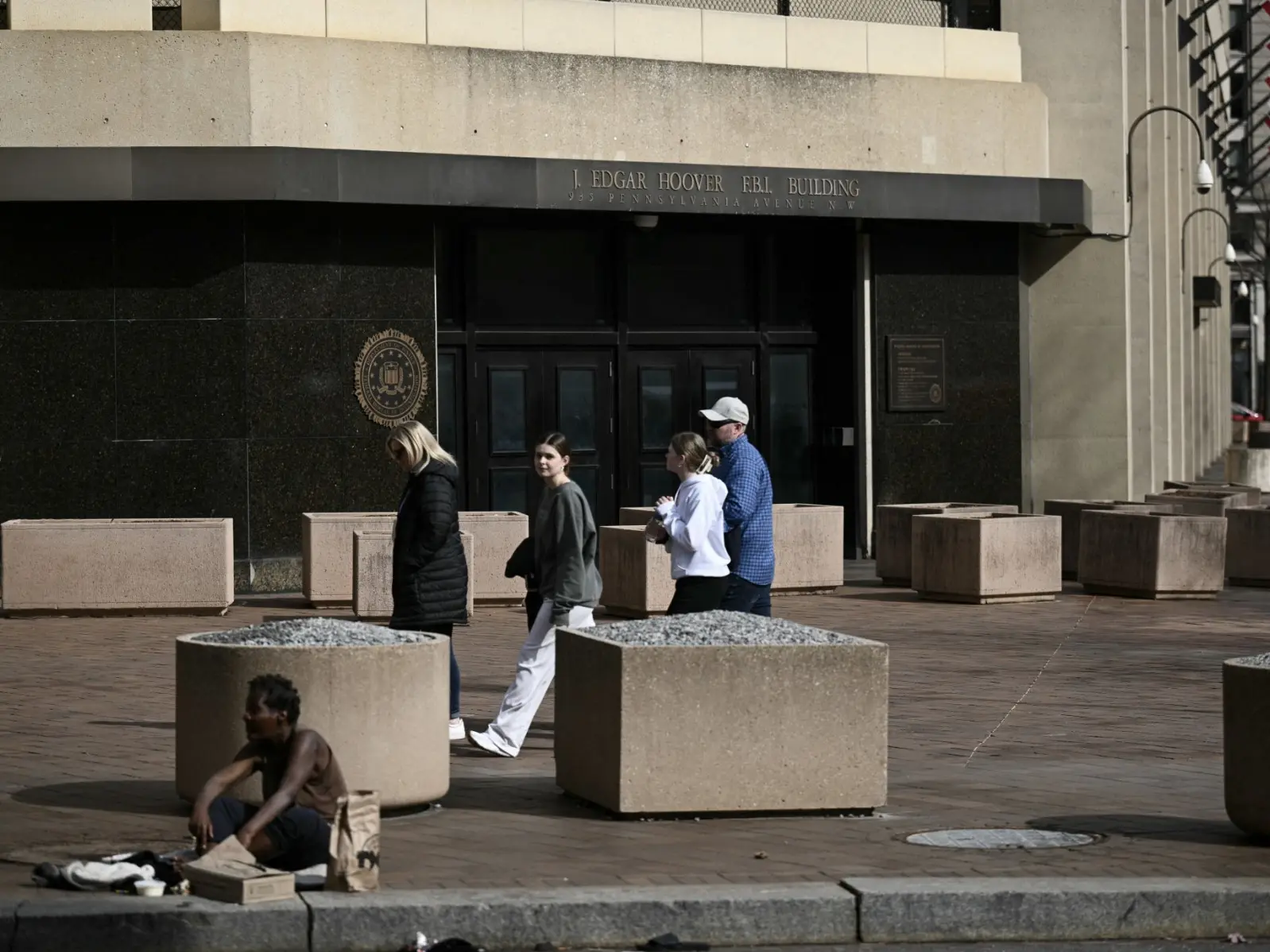
The J. Edgar Hoover Federal Bureau of Investigation building in Washington Photograph: (AFP)
The FBI is investigating suspicious mailings containing unknown substances sent to US election offices weeks before the midterm elections
The Federal Bureau of Investigation (FBI) has launched an investigation into suspicious mailings sent to election offices across the United States, some of which reportedly contained an ‘unknown substance’, just weeks before the midterm elections. In a statement on Thursday, the FBI said the letters had been sent to several locations, including secretaries of state offices and other election-related offices. Secretaries of state are generally responsible for overseeing elections at the state level.
The bureau said investigators were working to identify those responsible for sending the suspicious mailings. The investigation is being conducted in coordination with the US Postal Inspection Service, which referred requests for comment to the FBI. Authorities have not disclosed the specific locations that received the letters. However, several states reported suspicious mailings earlier this week, raising concerns about the safety of election officials and staff ahead of the upcoming midterm elections.
In Louisiana, an employee at the secretary of state's office in Baton Rouge was taken to an emergency room as a precaution on Tuesday after opening an envelope containing white powder, according to a spokesperson. Subsequent testing by law enforcement found no evidence of harmful substances. Oklahoma's State Election Board also received an envelope containing a ‘suspicious white powder’ on Tuesday, board secretary Paul Ziriax said.
Meanwhile, Ohio Secretary of State Frank LaRose revealed on Wednesday that his office had been targeted in another incident involving a suspicious letter. The mailing that contained a powdery white substance was intercepted before reaching its intended destination, LaRose said, adding that investigators with the US Postal Service had prevented its delivery. The reports have sparked concern among organizations representing state election officials. The National Association of Secretaries of State and the National Association of State Election Directors issued a joint statement expressing alarm over the incidents.
“Threats against election officials and workers have no place in our democracy,” the groups said in a joint statement. “Those who administer our elections should never fear for their safety while carrying out their essential duties.” The latest incidents follow previous cases involving suspicious white-powder letters sent to public officials and election offices across the country. In mid-2023, more than 100 suspicious letters containing white powder were mailed to public officials, including Supreme Court Justice Clarence Thomas and Colorado Representative Lauren Boebert. Authorities found no indication that the powder posed a danger.
Trending Stories
&imwidth=280&imheight=210&format=webp&quality=medium)
&imwidth=280&imheight=210&format=webp&quality=medium)
&imwidth=280&imheight=210&format=webp&quality=medium)
&imwidth=280&imheight=210&format=webp&quality=medium)
&imwidth=280&imheight=210&format=webp&quality=medium)
&imwidth=280&imheight=210&format=webp&quality=medium)
&imwidth=280&imheight=210&format=webp&quality=medium)
&imwidth=280&imheight=210&format=webp&quality=medium)
&imwidth=280&imheight=210&format=webp&quality=medium)
&imwidth=280&imheight=210&format=webp&quality=medium)
&imwidth=280&imheight=210&format=webp&quality=medium)
&imwidth=280&imheight=210&format=webp&quality=medium)
&imwidth=280&imheight=210&format=webp&quality=medium)
&imwidth=280&imheight=210&format=webp&quality=medium)
&imwidth=280&imheight=210&format=webp&quality=medium)
&imwidth=280&imheight=210&format=webp&quality=medium)
&imwidth=280&imheight=210&format=webp&quality=medium)
&imwidth=280&imheight=210&format=webp&quality=medium)
&imwidth=280&imheight=210&format=webp&quality=medium)
&imwidth=280&imheight=210&format=webp&quality=medium)
&imwidth=280&imheight=210&format=webp&quality=medium)
&imwidth=280&imheight=210&format=webp&quality=medium)
&imwidth=280&imheight=210&format=webp&quality=medium)
&im=FitAndFill=(700,400)&imwidth=280&imheight=210&format=webp&quality=medium)
&imwidth=280&imheight=210&format=webp&quality=medium)
&imwidth=280&imheight=210&format=webp&quality=medium)
&im=FitAndFill=(700,400)&imwidth=280&imheight=210&format=webp&quality=medium)
&imwidth=280&imheight=210&format=webp&quality=medium)
&imwidth=280&imheight=210&format=webp&quality=medium)
&imwidth=280&imheight=210&format=webp&quality=medium)
&imwidth=280&imheight=210&format=webp&quality=medium)
&imwidth=280&imheight=210&format=webp&quality=medium)
&imwidth=280&imheight=210&format=webp&quality=medium)
&imwidth=280&imheight=210&format=webp&quality=medium)
&imwidth=280&imheight=210&format=webp&quality=medium)
&imwidth=280&imheight=210&format=webp&quality=medium)
&imwidth=280&imheight=210&format=webp&quality=medium)
In November of that year, several election offices also received ballot envelopes containing white powder with traces of fentanyl, further heightening concerns about threats involving suspicious mail. The incidents have renewed attention to the risks faced by government officials and election workers, particularly during politically sensitive periods. The United States has also experienced deadly attacks involving contaminated mail in the past. Following the September 11, 2001, terrorist attacks, letters containing anthrax were sent to government offices and newsrooms. The attacks killed five Americans and sickened 17 others.

