

&imwidth=800&imheight=600&format=webp&quality=medium "US extends sanctions waiver for Russian oil purchases by 30 days amid Hormuz tensions")
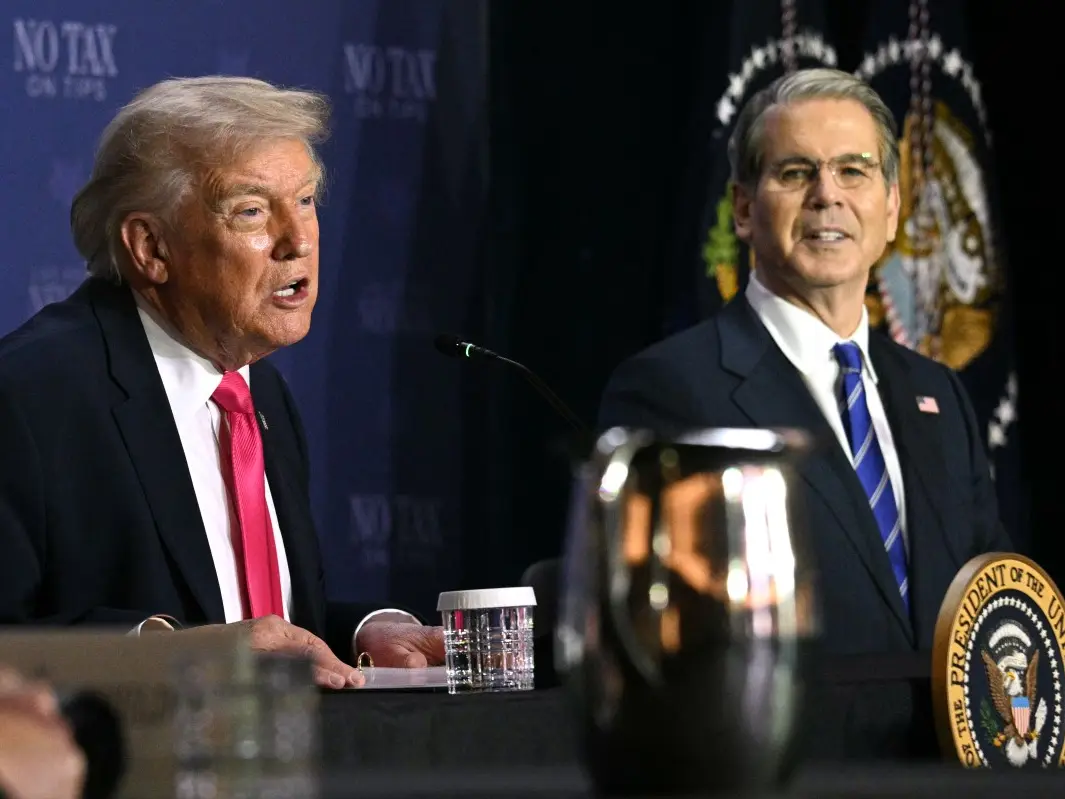
The United States Treasury has extended a sanctions waiver allowing purchases of Russian seaborne oil for another 30 days to support “energy-vulnerable” countries affected by disruptions in Gulf oil supplies.
Announcing the decision on Monday, Scott Bessent said the extension would provide flexibility to countries facing supply shortages.
“This extension will provide additional flexibility, and we will work with these nations to provide specific licenses as needed. This general license will help stabilise the physical crude market and ensure oil reaches the most energy-vulnerable countries,” Bessent said in a post on X.
“It will also help reroute existing supply to countries most in need by reducing China’s ability to stockpile discounted oil,” he added.
The latest move marks the second time the US Treasury has allowed the waiver to expire before extending it again. The waiver was first introduced in March after supply disruptions and rising oil prices triggered by US-Israeli strikes on Iran. The measure was aimed at releasing Russian oil and petroleum products stranded in tankers due to sanctions.
Although the waiver has not significantly lowered global oil prices, it has provided relief to countries such as India, which was one of the largest buyers of Russian crude before Washington imposed tougher sanctions on Russian oil companies over the Ukraine war.
However, earlier today, Sujata Sharma, Joint Secretary at the Ministry of Petroleum & Natural Gas, said India would continue purchasing Russian crude oil irrespective of the status of American sanctions waivers.
Oil prices continued to rise amid supply concerns on Monday, with benchmark Brent crude futures climbing around 1.5 per cent to nearly $111 per barrel.
The rise came even after reports from an Iranian news agency claimed Washington was considering temporarily easing sanctions on Iranian oil as part of broader peace negotiations.
Trending Stories
&im=FitAndFill=(700,400)&imwidth=180&imheight=135&format=webp&quality=medium)
Navratri 2026: 9 days, 9 forms of Goddess Durga and 9 colours- Check the complete list
&imwidth=180&imheight=135&format=webp&quality=medium)
Trump weighs firing Kimberly Guilfoyle as US ambassador to Greece amid misconduct allegations: Report
&imwidth=180&imheight=135&format=webp&quality=medium)
Anti-SIR protest in Mumbai: Protestors wear black masks & ribbons in Mumbai
&imwidth=180&imheight=135&format=webp&quality=medium)
UK PM Andy Birnham renews claims of Russian meddling in Brexit vote
&imwidth=180&imheight=135&format=webp&quality=medium)
BCCI rejects venue shift reports, India vs Sri Lanka 1st ODI to remain in Delhi
&imwidth=180&imheight=135&format=webp&quality=medium)
1,500 drones illuminate Mumbai sky as Cordelia Cruises unveils second ship, Cordelia Sky
&imwidth=180&imheight=135&format=webp&quality=medium)
India Rejects Pakistan-China Boundary Commission, Tells Islamabad to Drop 'Theatrics' | GRAVITAS
&imwidth=180&imheight=135&format=webp&quality=medium)
Houthis warns US of 'painful response' if Washington joins Saudi war in Yemen as airlines suspend flights to Saudi Arabia
&imwidth=180&imheight=135&format=webp&quality=medium)
Congress demands action against chief election commissioner
&imwidth=180&imheight=135&format=webp&quality=medium)
Trump defends Russian diesel deal amid bipartisan backlash over fuel prices
&imwidth=180&imheight=135&format=webp&quality=medium)
Apple HomeView smart home hub may launch soon with A18 chip, display and Siri controls: What to expect
&imwidth=180&imheight=135&format=webp&quality=medium)
VIDEO: Houthi's strike Riyadh's King Khalid International airport as passengers wait for flights
&imwidth=180&imheight=135&format=webp&quality=medium)
'Turn approver, resign, we'll forgive you': Rahul Gandhi claims receiving messages from CEC Gyanesh Kumar
&imwidth=180&imheight=135&format=webp&quality=medium)
'I will not be silenced': Ilhan Omar alleges political intimidation after federal officers search her Washington home
&imwidth=180&imheight=135&format=webp&quality=medium)
Use AI as your ‘second brain’: Meta AI chief Alexandr Wang’s message to young people
&imwidth=180&imheight=135&format=webp&quality=medium)
Robotic surgery, advanced treatment: What is coming to this small Gujarat town?
&imwidth=180&imheight=135&format=webp&quality=medium)
US federal agents raid Dem Rep Ilhan Omar’s home ahead of midterms
&imwidth=180&imheight=135&format=webp&quality=medium)
Reports: Saudi crown prince Mohammed bin Salman is being moved to safe locations
&imwidth=180&imheight=135&format=webp&quality=medium)
Pakistan's government blames PTI for rise of terrorism in Khyber Pakhtunkhwa
&imwidth=180&imheight=135&format=webp&quality=medium)
Powerful 7.7 magnitude earthquake strikes Panama, tsunami warning issued
&imwidth=180&imheight=135&format=webp&quality=medium)
‘This is just the start’: Maaya Rajeshwaran on historic ITF title, confidence boost and future goals
&im=FitAndFill=(700,400)&imwidth=180&imheight=135&format=webp&quality=medium)
How does a robot decide what to do next?
&imwidth=180&imheight=135&format=webp&quality=medium)
ICC penalises West Indies duo Powell, Rutherford for Code of Conduct breach
&imwidth=180&imheight=135&format=webp&quality=medium)
'Ouch!!! That must hurt': Kangana Ranaut hails Kamal Haasan's sharp reply to Elon Musk over Starlink row
&imwidth=180&imheight=135&format=webp&quality=medium)
Sidhu Moose Wala’s younger brother wins hearts by recreating late singer’s signature move at Toronto Hologram Show
&imwidth=180&imheight=135&format=webp&quality=medium)
UK school ditches technology, shifts from screen to pen and paper for learning
&imwidth=180&imheight=135&format=webp&quality=medium)
Opposition’s 10 demands in Supreme Court petition range from stay on SIR to audit of voter rolls
&imwidth=180&imheight=135&format=webp&quality=medium)
Portugal Federation confirms Cristiano Ronaldo’s return to national team despite suspension
&im=FitAndFill=(700,400)&imwidth=180&imheight=135&format=webp&quality=medium)
New OTT releases this week (October 12-18, 2026): Sacrifice, Koffee with Karan S9, Roadies Rebirth- 6 titles coming on Netflix, JioHotstar and more
&imwidth=180&imheight=135&format=webp&quality=medium)
Rishabh Pant ruled out of India A squad for New Zealand tour, Kumar Kushagra named replacement
&imwidth=180&imheight=135&format=webp&quality=medium)
India's Ajit Doval, Iran's Mohsen Rezaei hold talks amid escalating West Asia tensions, discuss 'issues of mutual interest'
&imwidth=180&imheight=135&format=webp&quality=medium)
'Almost certainly': UK Prime Minister Andy Burnham says Iran's IRGC behind RAF Fairford threat
Earlier today, speaking from Paris during a meeting of G7 finance leaders, Bessent also called for stricter enforcement of sanctions on Iran.
“We call upon all our G7 and indeed all of our allies and the rest of the world to follow the sanctions regime, so that we can crack down on the illicit finance that is fueling the Iranian war machine and give this money back to the Iranian people,” Bessent told reporters.
