
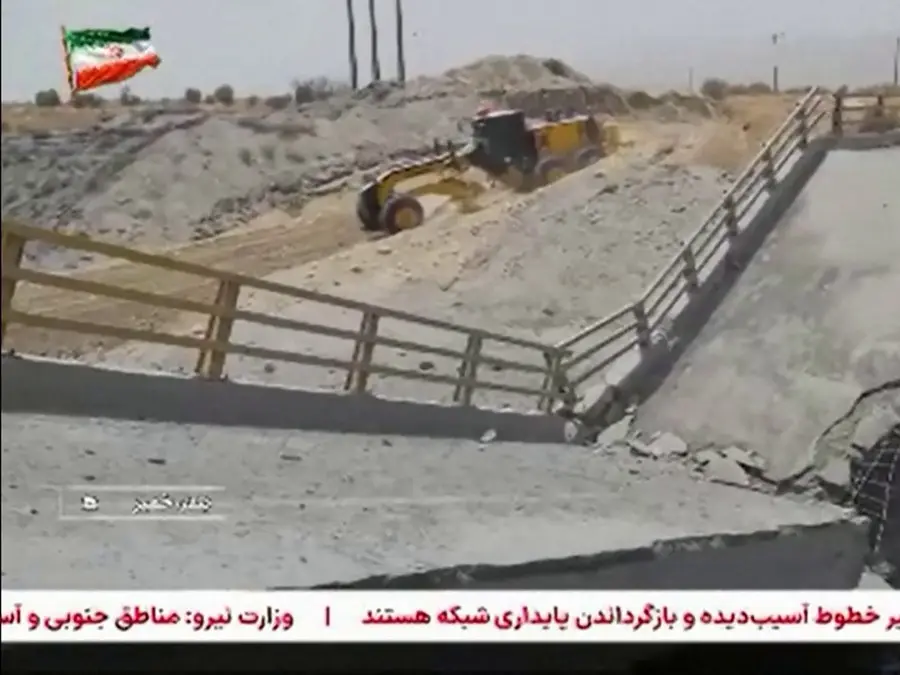
&imwidth=800&imheight=600&format=webp&quality=medium "US attacks Iran on 7th consecutive day. What to know about recent strikes and their impact")
The United States launched a fresh round of airstrikes on Iran on Friday (July 17), marking the seventh consecutive night of military action as the conflict between Washington and Tehran showed no signs of easing.
The US Central Command (CENTCOM) said in a post on X that the latest operation began at 3 p.m. ET on Friday and was carried out under the orders of the commander in chief. According to the military, the strikes were intended to "continue degrading Iranian military capabilities".
CENTCOM did not disclose the locations targeted, the weapons used or the extent of the damage. The latest operation came a day after the US military said it had destroyed an Islamic Revolutionary Guard Corps (IRGC) surveillance tower on Iran's southeastern coast.

A pattern emerging
The latest attacks appear to fit a broader pattern of US operations targeting Iran's transport and energy infrastructure. In recent days, precision strikes have reportedly hit bridges, railway junctions and power lines linking key cities along Iran's southern coastline.
Trending Stories
&im=FitAndFill=(700,400))
How fast can the Sukhoi Su-30 fighter jet really fly?
)
Did China ask its people 'not to respond to aliens'? Origin of bizarre claim on social media
)
MS Dhoni-CSK Fallout? Report claims failed stake sale talks triggered rift
)
Scientists reveal the SAFEST COUNTRY when catastrophe strikes the planet
)
Serial killer on the loose in South Korea's Jeju Island? Fourth body found in three days as more than a dozen people go missing
)
2/3rd of glacier detached, collapsed: ISRO satellite images reveal what triggered Nepal floods
)
Trump once again claims without him there would be ‘no Israel right now’
)
Foreign espionage attacks against German companies surge to 37%, Bitkom report reveals
)
Blake Lively wins partial legal fee from Justin Baldoni after $8M request
)
Why is Pakistan deploying Turkish Bayraktar TB2 drones near India border?
)
'OH MY GOD! We've found other agents!': Investigators discover not one or two, almost 700 OpenAI AI agents went rogue, hacked Hugging Face
)
Lunar eclipse 2026: India timings, places to see and more. August Blood moon factsheet
)
RSS chief Mohan Bhagwat on global outreach tour
)
Both pilots killed as training aircraft crashes in Lucknow – What we know
)
16-year-old charged with preparing terror attack on kindergarten in Norway
&im=FitAndFill=(700,400))
How the S-400 protects itself from enemy attacks
)
Nepal floods: Over 165 dead, 400 missing; US, India, China, World Bank mobilise aid
)
India's multi-layered watch: The new surveillance war
)
5 doomsday planes spotted in US skies hours after CIA director's secret trip to Russia
)
9/11 mastermind Khalid Sheikh Mohammed to finally face trial in 2028, nearly 27 years after horrific attacks
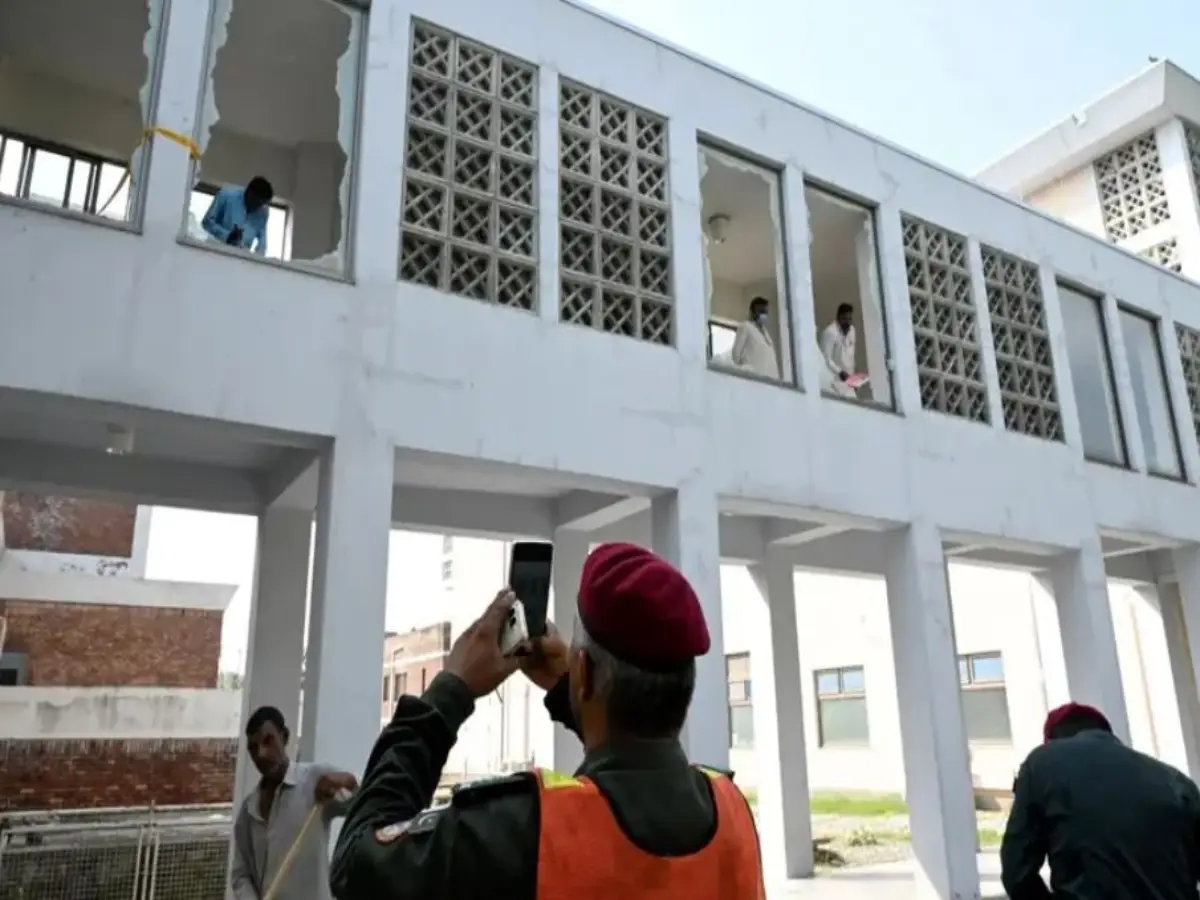)
Islamabad hospital fire: What we know about one of the biggest facility that housed Imran Khan
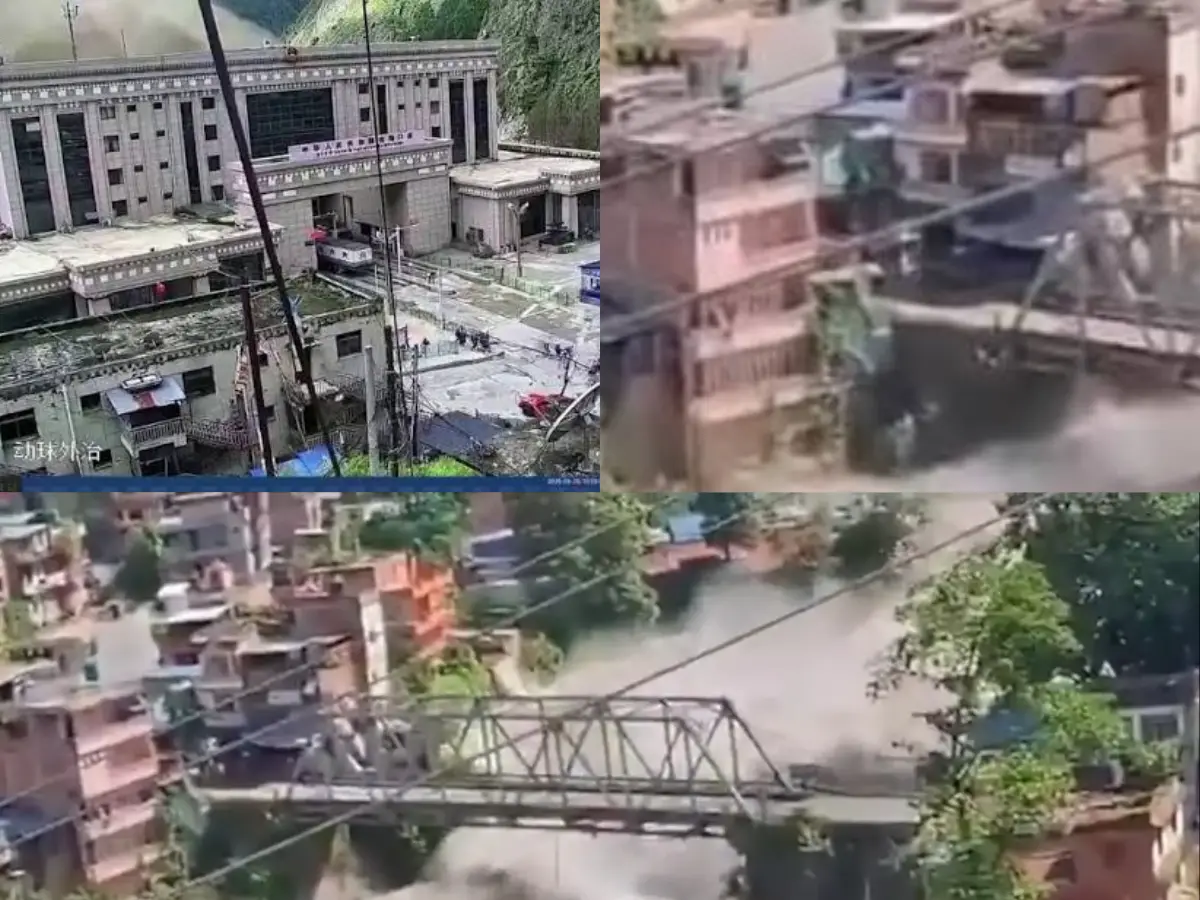)
Workers run for life while filming Nepal flash flood: Scary new visuals emerge from Rasuwa
)
Russian military planes enter South Korean air defence zone amid rising tensions with North Korea: What's happening
)
Ron Weasley Is Back! Rupert Grint set to return to Harry Potter universe on Broadway
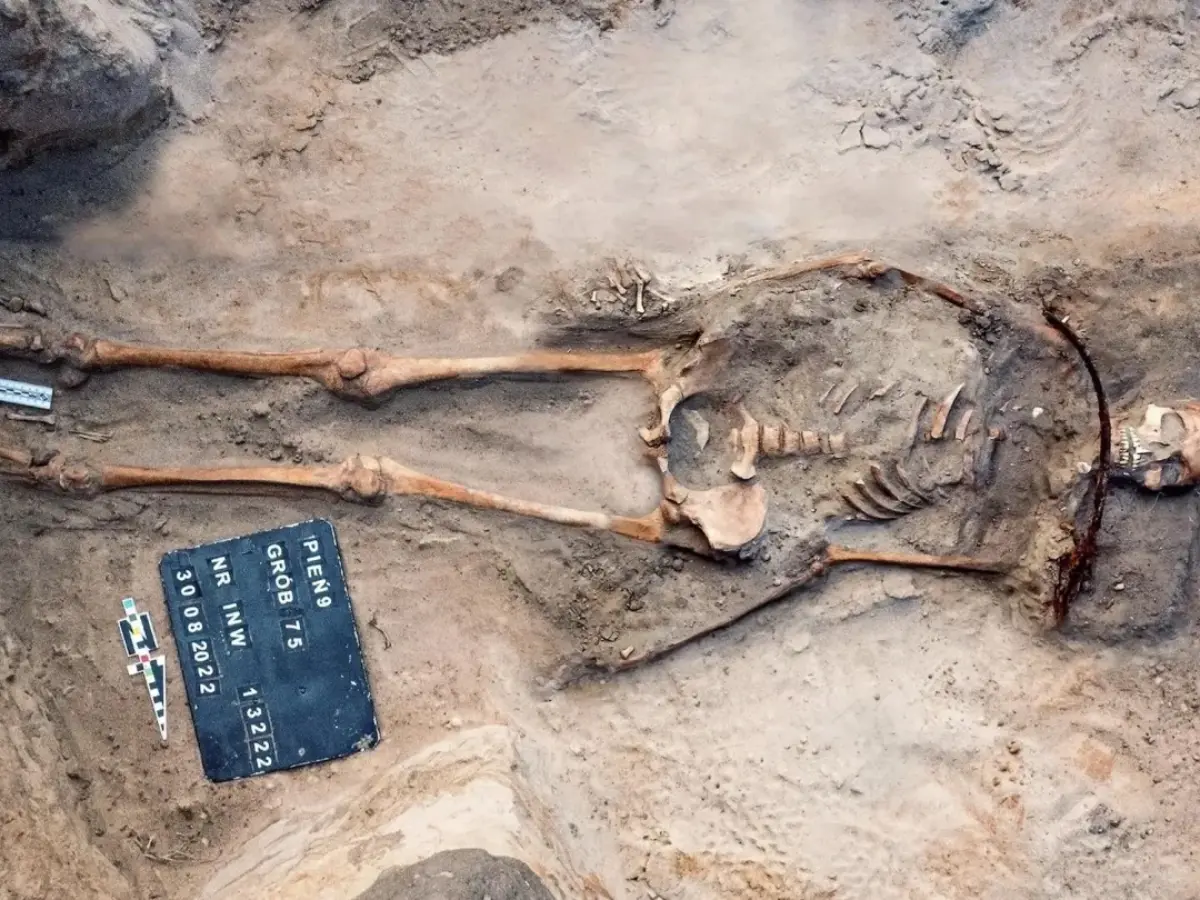)
400-year-old 'vampire' grave in Poland reveals non-existent genetic lineage
)
Dolly Parton, global icon and queen of country music, dies at 80
)
Nepal flash floods: Kailash Mansarovar yatra affected, close to 400 pilgrims out of contact
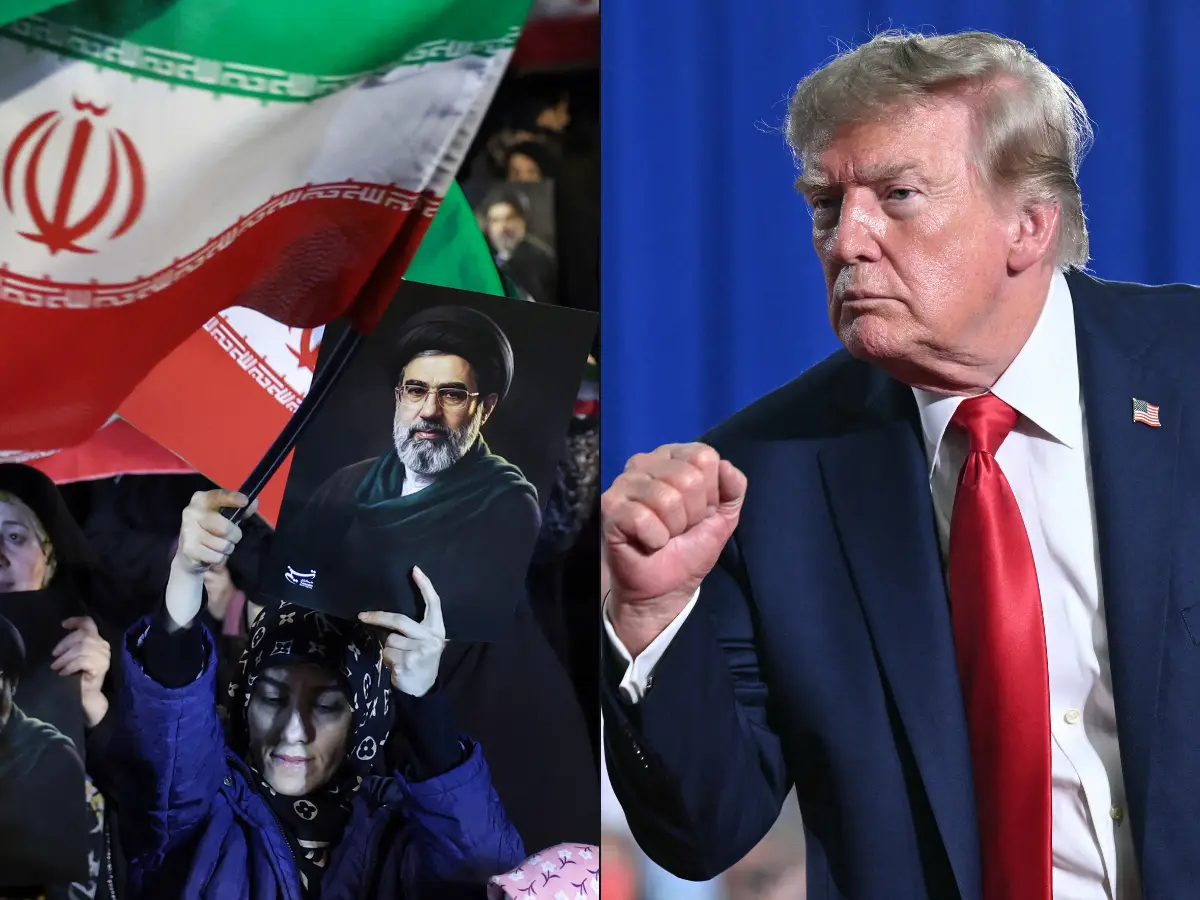)
'If he is dead, they're putting on a pretty good show': Trump casts fresh doubt over Mojtaba Khamenei's fate
)
Man arrested near US Capitol with guillotine in pickup truck: What happened?
&im=FitAndFill=(700,400))
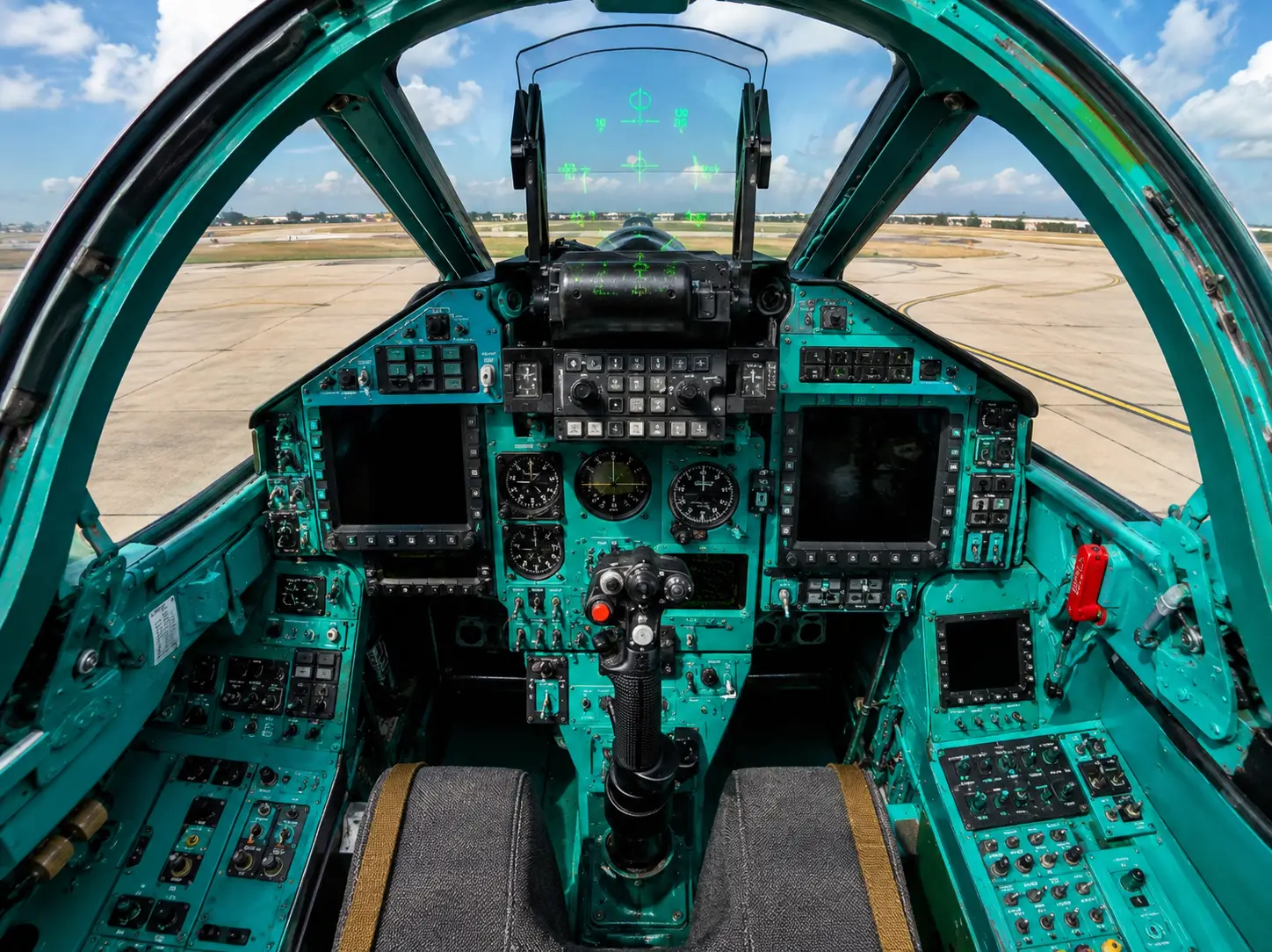
Why the Su-30MKI cockpit is painted bright turquoise green
Military analysts say the strikes suggest a wider effort by Washington to weaken Tehran's ability to control the strategically vital Strait of Hormuz, through which a significant share of the world's oil shipments passes.
Iran warns of escalation
Tehran has responded with increasingly sharp rhetoric as the campaign has intensified.
Mohsen Rezaei, a senior IRGC official and military adviser to Supreme Leader Mojtaba Khamenei, warned on Friday that Iran would launch a "full-scale offensive" if the United States continued its military operations.
So far, Iran has largely targeted US allies in the region rather than directly attacking American territory, drawing strong criticism from several Arab nations.
Human cost mounting
Many of the areas under attack are among Iran's poorest and most ethnically diverse provinces, home to minority communities that differ from the Persian-majority population centred around Tehran.
Although these regions host much of Iran's energy infrastructure and major commercial ports, they have long faced underinvestment, high unemployment and weaker public services. Continued strikes risk worsening humanitarian conditions in areas already grappling with economic hardship.
Fallout for India
The conflict has also affected India, one of the world's largest suppliers of maritime workers.
The Forward Seamen Union of India confirmed that an Indian seafarer who went missing after an Iranian attack on his vessel on Sunday has died.
In response to the deteriorating security situation, India has directed shipowners and operators not to deploy Indian seafarers on vessels transiting the Strait of Hormuz until further notice.

