United Nations raises alarm over ‘black rain’, 'acidic rain' after strikes on Tehran oil depots amid Iran war

&imwidth=600&imheight=450&format=webp&quality=medium "United Nations raises alarm over ‘black rain’, 'acidic rain' after strikes on Tehran oil depots amid Iran war")
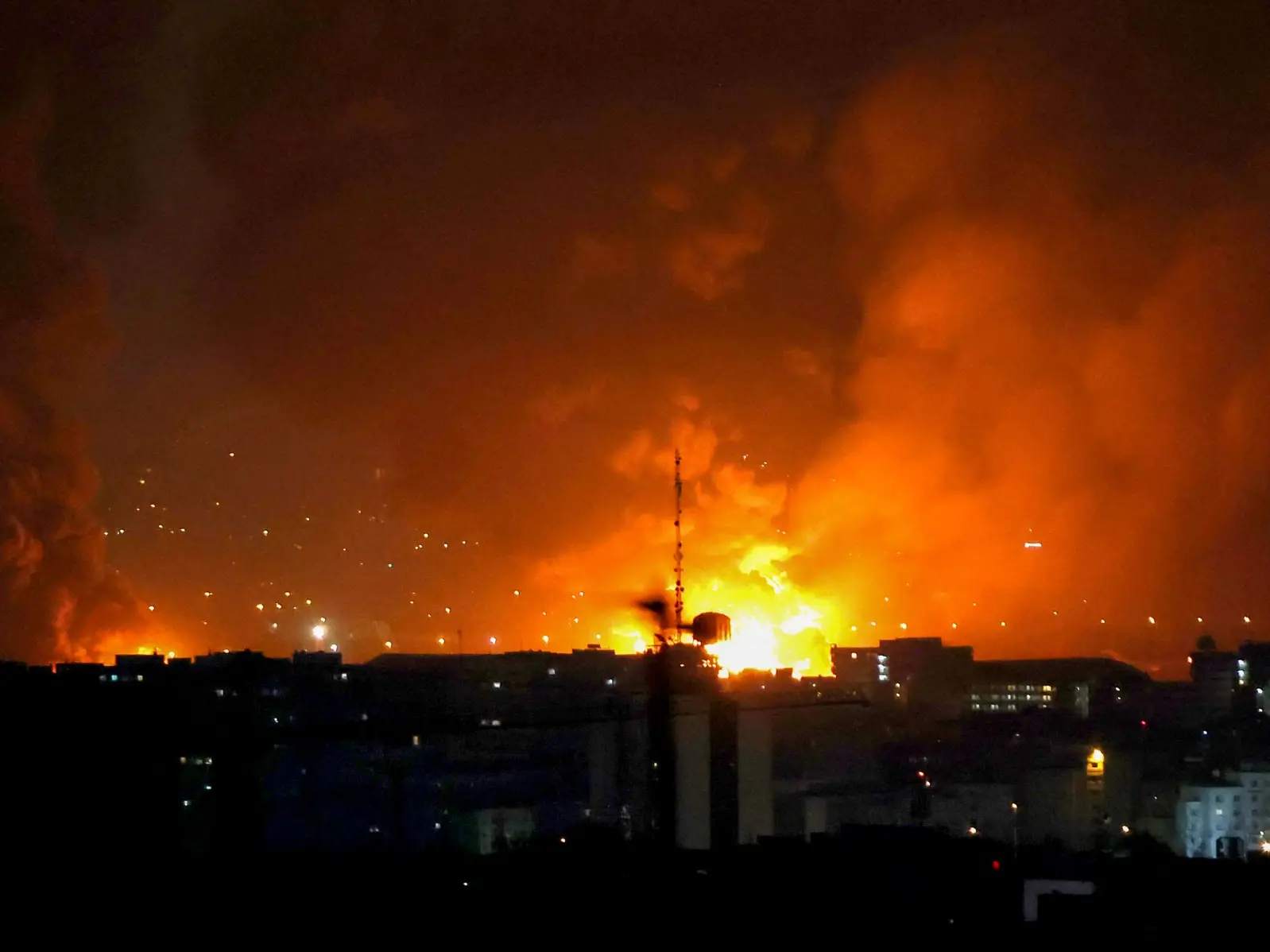
Smoke and fire rise from the site of airstrikes at Mehrabad International Airport in Tehran Photograph: (AFP)
UN officials warn Israeli-US strikes on Tehran oil depots may have caused toxic pollution and ‘black rain’, raising health risks and legal concerns
Speaking to reporters in Geneva, United Nations Human Rights Office spokesperson Ravina Shamdasani expressed concern about the environmental and health consequences of Israeli and US strikes on oil depots in Tehran. The attacks have reportedly released toxic pollutants into the air. Shamdasani said the situation raises serious questions as to whether the proportionality and precaution obligations under international humanitarian law were met during the strikes. She also noted that the locations targeted “do not appear to be of military exclusive usage.”
Meanwhile, World Health Organization spokesperson Christian Lindmeier warned that the unusual rainfall reported after the strikes poses a serious threat to public health. He said the ‘black rain’ and ‘acidic rain’ falling over Tehran ‘is indeed a danger’ for residents.
“We are in touch with the hospitals and with the authorities, and the Iranian authorities have issued an alert advising people to stay indoors, in light of the attacks on oil warehouses especially,” Lindmeier added. The WHO is also tracking the potential health impact of the “massive release” of pollutants, including toxic hydrocarbons, sulphur oxides, and nitrogen compounds into the atmosphere.
Lindmeier also pointed to concerns over a broader environmental fallout after reports that Iranian strikes targeted oil infrastructure in Bahrain and Saudi Arabia. Such incidents could increase the risk of regional pollution, with long-term consequences for respiratory health and possible contamination of water sources.
Trending Stories
)
)
)
)
)
)
)
&im=FitAndFill=(700,400))
)
)
)
)
)
)
&im=FitAndFill=(700,400))
)
)
)
)
)
&im=FitAndFill=(700,400))
)
)
)
)
)
)
)
)
)
)
)
)
)
)
)
)
Disclaimer: WION takes utmost care to accurately and responsibly report ongoing conflicts in West Asia involving Israel, Iran, US, Gulf nations and non-state actors like Hezbollah, Hamas, Houthis, Islamic State, and others. Claims and counterclaims, disinformation and misinformation are being made online and offline. Given this context, WION cannot independently verify the authenticity of all statements, social media posts, photos and videos.

