UN urges countries to consider reparations for slavery, colonialism

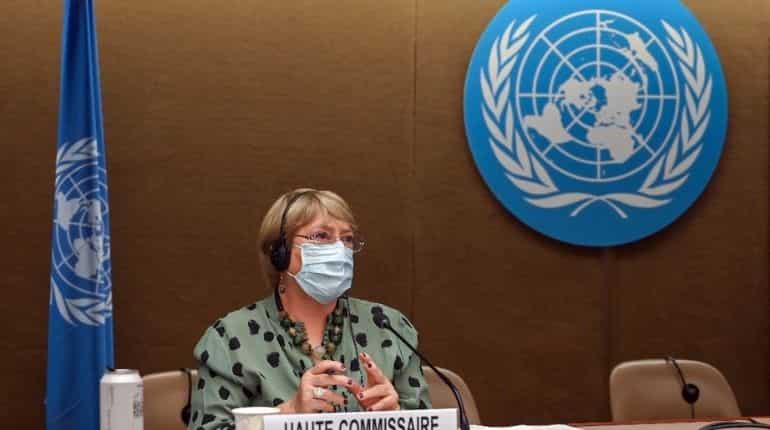
United Nations High Commissioner for Human Rights Michelle Bachelet looks on after delivering a speech on global human rights developments during a session of the Human Rights Council on June 21, 2021 in Geneva
The United Nation chief for rights on Monday urged countries to end systemic racism and provide "reparatory justice" for past wrongdoings like slavery and colonialism.
Michelle Bachelet was speaking before the United Nations Human Rights Council and described how systemic racism against Africans and those with African descent continues to paralyse many aspects of their lives.
Following the deathof George Floyd in the United States at the hands of a white police officer, Bachelet said that there was "an urgent need to confront the legacies of enslavement".

Her report also addressed systemic racism around the globe. She urged countries to confront legacies of "the transatlantic slave trade, colonialism and successive racially discriminatory policies and systems, and to seek reparatory justice."
In her report, Bachelet referred to 190 deaths of Africans and people of African descent at the hands of law enforcement officials - mostly in the Americans and Europe.
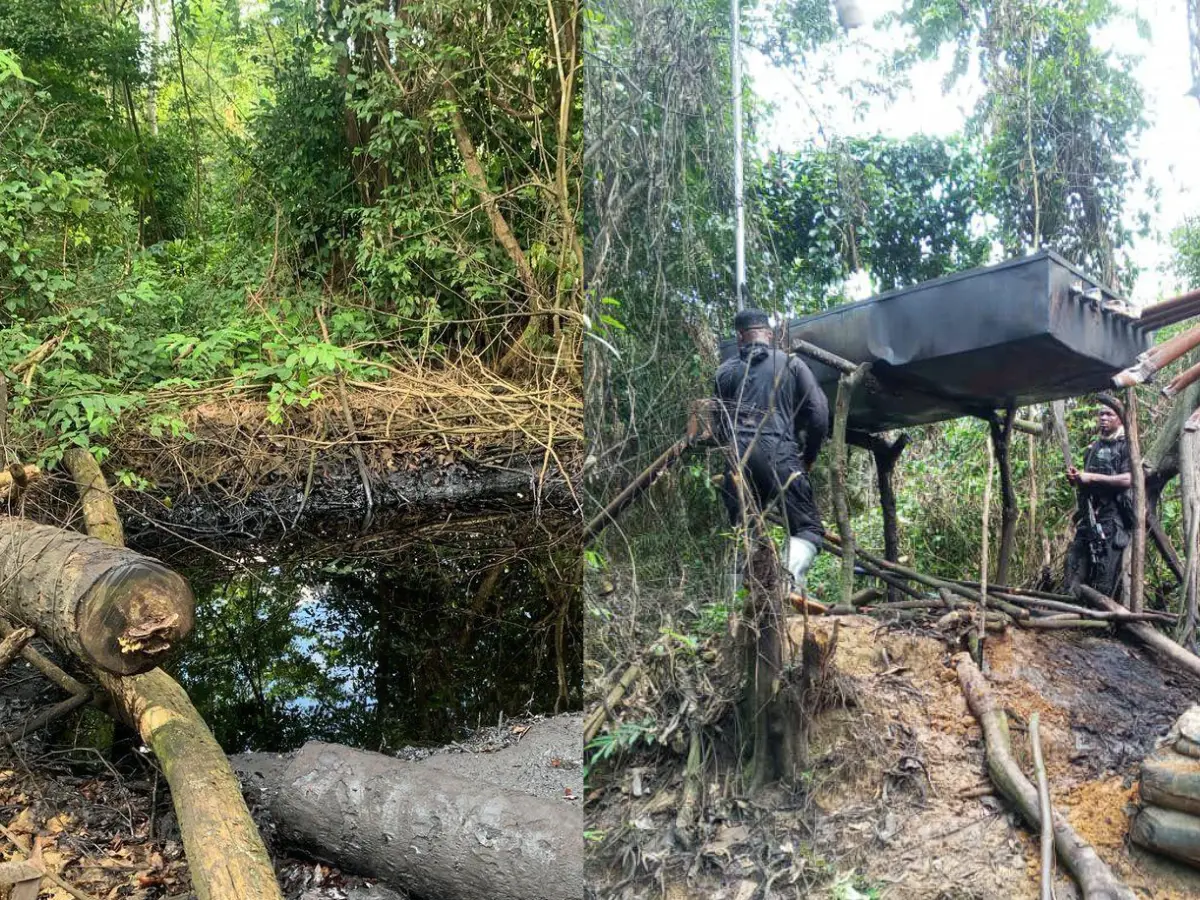)
Nigerian Navy discovers 99,000 litres of suspected stolen, illegally refined products as it intensifies anti-crude oil theft operations
)
Who is Aditi Paudel? 17-year-old becomes Japan's first literacy ambassador
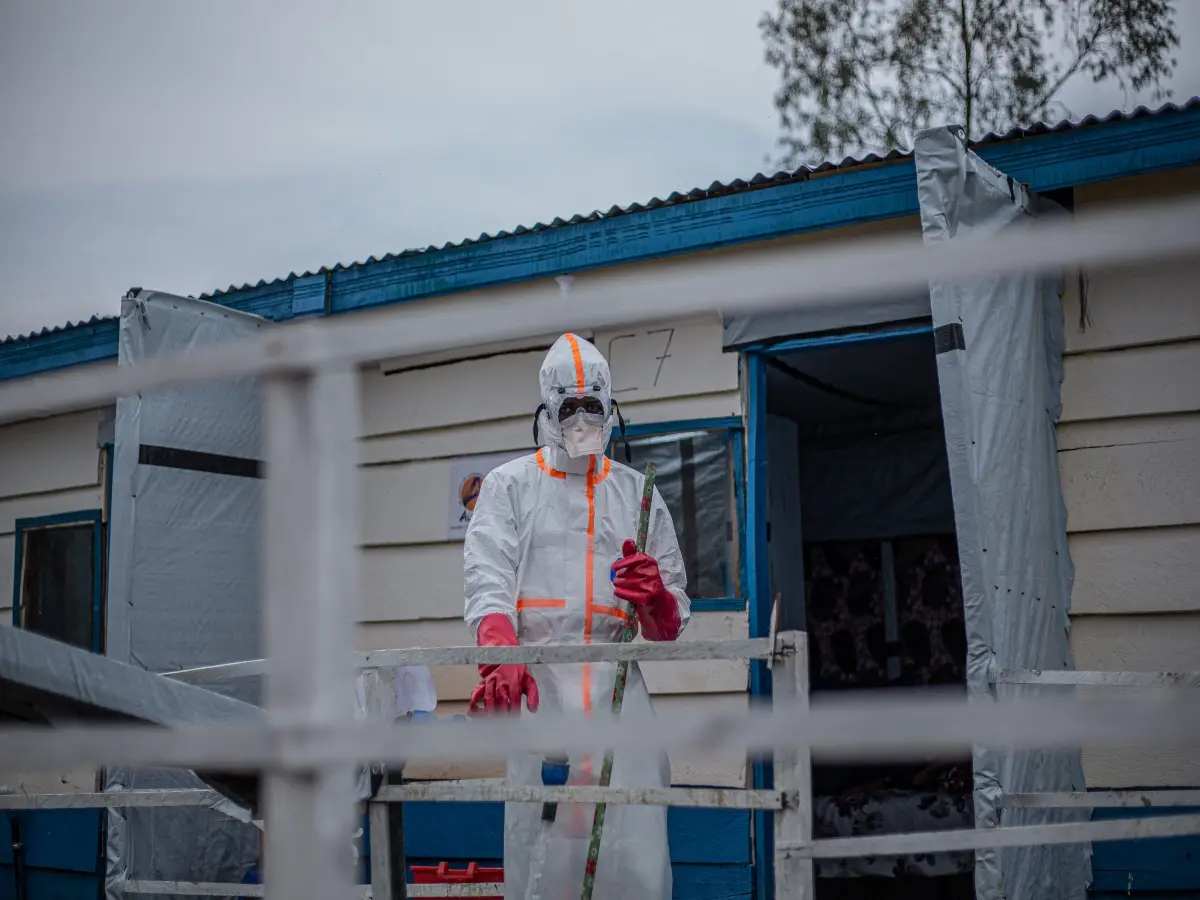)
What are the challenges Congo is facing in containing Ebola outbreak?
&im=FitAndFill=(700,400))
Why US tanks can spin their heavy turrets much faster than Russian tanks
)
Bolivia turns to crypto amid dollar crunch
)
‘Major escalation’: Zelensky accuses Russia of targeting SBU chief’s office
)
Women's Asia Cup 2026: India's Smriti Mandhana is now best batter ever in women's cricket
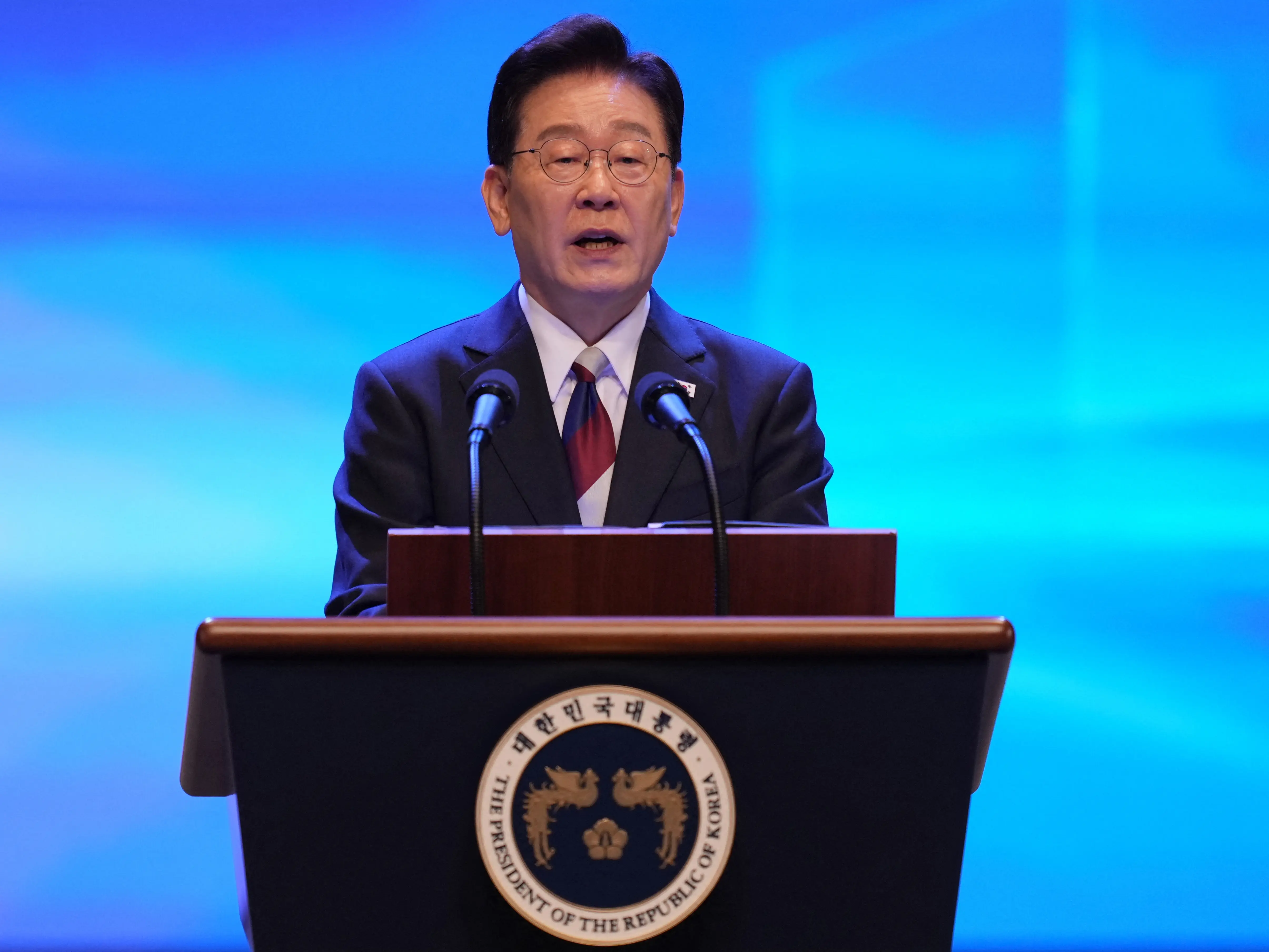)
South Korea mulls military deployment in Hormuz amid Trump’s pressure
)
Breaking | Vance takes the podium: First White House briefing since Leavitt's exit
)
Indian agencies uncover hawala, shell firms and fake trade used to hide illicit money, FATF says
)
Indian Air Force pilot Abhinandan Varthaman, who shot down Pak fighter jet retires, takes up private job
)
Bangladesh batter Towhid Hridoy creates history with 350 not out in South Africa
)
Brendan Fraser’s transformation fuels The Mummy 4 excitement as fans welcome back Rick O’Connell
)
‘Thank you for your friendship’: Meloni thanks PM Modi for wishes as she sets Italy’s postwar record
)
Missed Vikrant Massey in Mirzapur: The Movie? Here’s what the actor has to say about the film
&im=FitAndFill=(700,400))
Krishna Janmashtami 2026: From Dhaniya Panjiri to Makhana Kheer- 5 best sweet dishes perfect for celebrating Lord Krishna’s birth
)
EAM Jaishankar: Russia-Ukraine conflict is a war ‘without winners’
)
Lindsay Clancy murder trial: Tensions rise as juror disputes over 'reasonable doubt' as verdict remains elusive
)
‘I wouldn’t call it a war,’ says JD Vance on ongoing conflict with Iran
)
Iran's army conducts drone & missile attack on US bases
)
Husband uses secret camera to record wife’s affair, wins divorce case, ends up in jail for spying
)
Russia-Ukraine truce in sight? Trump sends US envoys with 'peace plan'; Zelensky offerst emporary ceasefire
&im=FitAndFill=(700,400))
BRICS by numbers: Global GDP share, trade share, intra-BRICS settlement volumes and NDB disbursements — All you need to know
)
Asian Games 2026: VVS Laxman back as India men's head coach for Shreyas Iyer-led side
&im=FitAndFill=(700,400))
Why Russian fighter jets use bulky, low-pressure tyres compared to US jets
&im=FitAndFill=(700,400))
Why US tanks weigh over 20 tons more than Russian tanks
)
Mirzapur: The Movie X review: ‘Peak Mass Entertainer', netizens praise Pankaj Tripathi and Ali Fazal's thriller
&im=FitAndFill=(700,400))
New Friday OTT releases (September 4, 2026): GDN, Dhamaal 4, Jagamae Sangeetham- Watch 6 new movies and TV shows on Netflix, Prime Video and more
)
Iran attacks US bases in Kuwait & UAE, supersecret missile project in focus | Gravitas
)
Killing the Himalayas slowly: Human urine is melting a glacier on Mount Everest
Bachelet added that racial violence and systemic racism were highly rooted in "the absence of formal acknowledgement of the responsibilities of states and others that engaged in or profited from" such practices, "as well as those who continue to profit from this legacy".
The text is due to be discussed later on Monday or Tuesday and has proposed the creation of "independent expert mechanism" in hopes of advancing "racial justice and equality" especially in the context of law enforcement in "all parts of the world".
Bachelet urged the council to create "a specific, time-bound mechanism to advance racial justice" while adding that it was only through past behaviourthat countries could hope to "transform the structures, institutions and behaviourthat lead to direct or indirect discrimination".