Ukraine shows off 'Long Neptune': A domestic missile that can hit targets 1,000 km inside Russia. Here's how it's an 'upgrade' on R-360 Neptune

&imwidth=600&imheight=450&format=webp&quality=medium "Ukraine shows off 'Long Neptune': A domestic missile that can hit targets 1,000 km inside Russia. Here's how it's an 'upgrade' on R-360 Neptune")
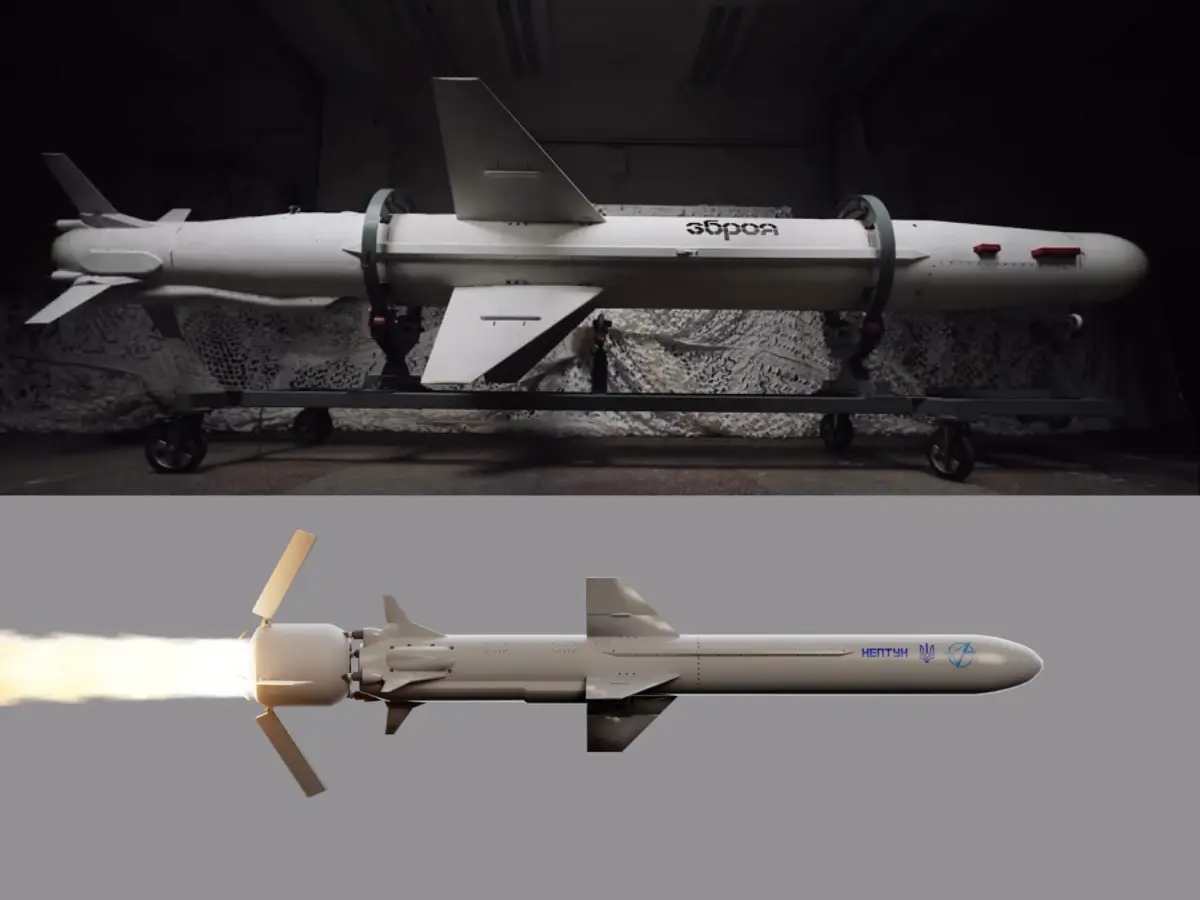
Neptune missiles vs new Long Neptune missiles Photograph: (Screenshot/Video/Zbroya-Instagram (Long Neptune), X (Neptune))
Ukraine has upgraded its Neptune anti-ship missile, now with a 1,000 km range. Dubbed 'Long Neptune,' the new weapon has been seen in an Instagram video and is believed to be a stunning upgrade to R-360 Neptune. Here's everything we know about Ukraine's new Neptune missile.
Ukraine has upgraded its domestically produced Neptune anti-ship missile, the same missile it had used to sink 'Moskva' the flagship of Russia's Black Sea Fleet in April 2022. While the earlier version of the Neptune missile had a maximum range of about 300 kilometres, the upgraded Neptune missile as per reports has the capability of hitting targets up to 1,000 kilometres away. The ameliorated version of domestically produced Neptune missiles has become an object of fascination after it made an appearance in an Instagram day video published by state-run weapons portal Zbroya on Ukraine's Independence Day. Here's all we know about Neptune 2.0 missiles.
What can 'Long Neptune' do? Its specifications REVEALED!
The newly unveiled missile has been informally dubbed 'Long Neptune, ' reports Defence Express. Why? Because it is believed to be an upgraded version of the original anti-ship Neptune missile.
According to Kyiv Independent, the exact specifications of the new Neptune missiles have not been revealed. However, in a March 2025 speech, Ukrainian President Volodymyr Zelensky revealed that the upgraded missile can strike targets up to 1,000 kilometres away.
The new Ukrainian weapon might have the capability to accommodate a warhead containing more explosives or a hardened penetrator, or a new guidance system, suggests Militarnyi.
Trending Stories
&imwidth=280&imheight=210&format=webp&quality=medium)
&imwidth=280&imheight=210&format=webp&quality=medium)
&imwidth=280&imheight=210&format=webp&quality=medium)
&imwidth=280&imheight=210&format=webp&quality=medium)
&im=FitAndFill=(700,400)&imwidth=280&imheight=210&format=webp&quality=medium)
&imwidth=280&imheight=210&format=webp&quality=medium)
&imwidth=280&imheight=210&format=webp&quality=medium)
&imwidth=280&imheight=210&format=webp&quality=medium)
&imwidth=280&imheight=210&format=webp&quality=medium)
&imwidth=280&imheight=210&format=webp&quality=medium)
&imwidth=280&imheight=210&format=webp&quality=medium)
&imwidth=280&imheight=210&format=webp&quality=medium)
&imwidth=280&imheight=210&format=webp&quality=medium)
&imwidth=280&imheight=210&format=webp&quality=medium)
&imwidth=280&imheight=210&format=webp&quality=medium)
&imwidth=280&imheight=210&format=webp&quality=medium)
&imwidth=280&imheight=210&format=webp&quality=medium)
&imwidth=280&imheight=210&format=webp&quality=medium)
&imwidth=280&imheight=210&format=webp&quality=medium)
&imwidth=280&imheight=210&format=webp&quality=medium)
&imwidth=280&imheight=210&format=webp&quality=medium)
&imwidth=280&imheight=210&format=webp&quality=medium)
&imwidth=280&imheight=210&format=webp&quality=medium)
&imwidth=280&imheight=210&format=webp&quality=medium)
&imwidth=280&imheight=210&format=webp&quality=medium)
&imwidth=280&imheight=210&format=webp&quality=medium)
&imwidth=280&imheight=210&format=webp&quality=medium)
&imwidth=280&imheight=210&format=webp&quality=medium)
&imwidth=280&imheight=210&format=webp&quality=medium)
&imwidth=280&imheight=210&format=webp&quality=medium)
&imwidth=280&imheight=210&format=webp&quality=medium)
&imwidth=280&imheight=210&format=webp&quality=medium)
&imwidth=280&imheight=210&format=webp&quality=medium)
&im=FitAndFill=(700,400)&imwidth=280&imheight=210&format=webp&quality=medium)
Difference between Neptune missiles and new Long Neptune missiles
The Neptune missile is a domestic anti-ship missile with a range of 25 kilometres from the coast and a maximum range of 300 kilometres. It is based on the Soviet Kh-35 anti-ship missile. The missile can carry a warhead payload of 150 kg (331 lbs). In April 2022, the anti-ship missile was used to take down the Moskva, which at the time was the largest warship Russia lost in combat since World War II. The first test of the missile was reportedly conducted in 2016, with a few tests later in subsequent years.
In comparison, the new Neptune missile is believed to boast a range of up to 1,000 kilometres. The missile was presumably used in May 2025 to carry out a strike on the Russian naval port of Novorossiysk under one of the longest range—over 750 kilometres— conventional missile strikes carried out by Ukraine since the start of the Russian invasion in 2022. This upgraded missile, as per reports, may be able to carry a warhead payload of around 350 kg (794 lbs). However, the final payload remains unspecified.
Also read | Protecting Putin? Trump administration quietly banned Ukraine from striking inside Russia, suggests report
Based on Long Neptune's pictures, which show larger fins, it is believed that the upgraded weapon would be able to provide more manoeuvrability. While Neptune was an anti-ship missile, the upgrade plans suggest that the Long Neptune may be capable of land-based surface-to-surface strikes.
Here's a table highlighting the main differences between Neptune anti-ship missiles and the upgraded ‘Long Neptune’ missiles:
| Feature | Anti-ship Neptune Missile | New 'Long Neptune' Missile (Upgraded) |
| Unofficial Name | N/A | Long Neptune' |
| Origin | Ukraine (based on Soviet Kh-35) | Ukraine (upgraded from original Neptune) |
| Role | Anti-ship missile | Land-based surface-to-surface strikes |
| Maximum Range | Up to 300 km | Up to 1,000 km |
| Warhead Payload | 150 kg (331 lbs) | Estimated around 350 kg (794 lbs), but unspecified |
| Guidance System | Anti-ship radar guidance that homes in on enemy ship | New guidance system, possibly imaging infrared (IIR) |
| Physical Appearance | 16.6 ft (5.06 metres) | Larger fins, increased length, and a thicker fuselage |
| Known Combat Use | Used to sink the Russian cruiser Moskva in April 2022 | Reportedly used to strike an oil refinery in Russia’s Krasnodar Oblast on March 14, 2025 and hit the Russian naval port of Novorossiysk in May 2025. |
| Status | In service since 2021 | Used in combat since March 2025 |
Why is Ukraine's new Neptune missile a big deal?
The unveiling of the domestically made long-range missile coincides with Zelensky's remark that Ukraine now possesses its own long-range weaponry. This comes on the heels of reports suggesting that the United States, since late spring, has quietly restricted Ukraine from using American-supplied long-range Army Tactical Missile System (ATACMS) to strike targets inside Russia. America has also reportedly restricted Ukraine's use of all foreign technology that uses American intelligence and components. The same restrictions also cover Britain's Storm Shadow cruise missiles, which rely on American targeting data.
Watch | Russia Unveils “Sea Terminator”: Hypersonic Missile Warship Targets Subs & Aircraft Carriers

