UAE exits OPEC: What it means for UAE, petrodollar system and global markets

&imwidth=600&imheight=450&format=webp&quality=medium "UAE exits OPEC: What it means for UAE, petrodollar system and global markets")
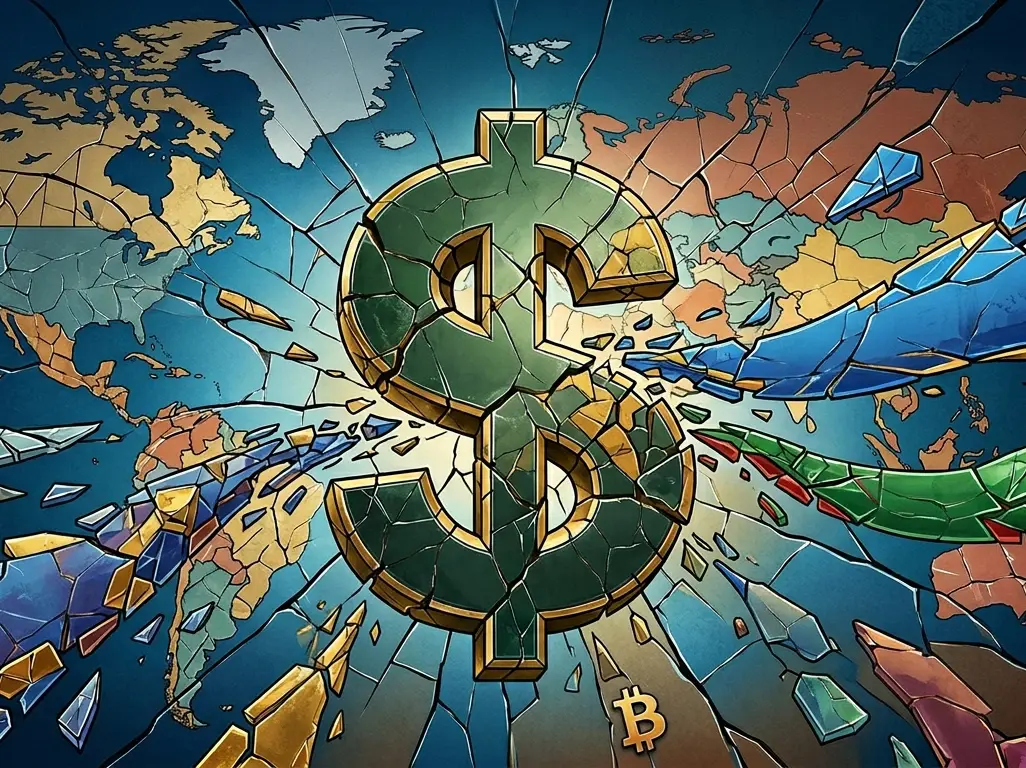
A fragmented petrodollar system Photograph: (AI)
UAE exits OPEC from May 1, 2026, a potential fragmentation of the petrodollar system, global markets, and increased volatility in oil prices
The UAE exiting OPEC and OPEC+ is a shocker that comes just days after US Treasury Secretary Scott Bessent publicly backed an emergency dollar swap line for Abu Dhabi before the US Senate. Rupee, Philippine Peso, along with other Asian currencies to the east of the Strait of Hormuz, are consistently sliding as oil prices remain three digits for the eighth consecutive day without any sign of thaw. The US war in Iran has left many in the Gulf countries without adequate dollars, creating a “dollar revenue gap”. Now the oil market will become more vulnerable with a rapid swing in prices as one of the largest producers of OPEC leaves the Saudi-led bloc.
What does this mean for the UAE?
The UAE is no longer bound to settle trade in US dollars; it can rewrite its own rules. Analysts suggest that it provides the UAE with greater autonomy and makes the Emirates more financially independent. The move comes amid years of infighting among the OPEC nations over disputes in production quotas. It intends to break free of the Saudi Arabia-imposed caps and have the freedom to pump to its maximum capacity of 5 million barrels per day by 2027. The move gives the UAE more leverage to build its oil infrastructure, and again portrays itself as a haven in the desert region.
“They also have some of the highest known reserves (of oil) in the world, north of 100 billion barrels, so unhooking themselves from the limitations of production caps is going to bode very well for them in the long term in terms of economic recovery from what is currently going on in the region,” said Caleb Jasso, a senior policy adviser at The Institute for Energy Research.
In early 2026, the UAE itself have warned the US-Israel coalition against a war with Iran, which will lead to devastating effects, including the closure of the Strait of Hormuz. However, since the barrage of appx 2400 missiles and drones from Iran, the UAE have reportedly shifted its stance. US media reports suggest that it had been openly lobbying for a military operation to open the Strait of Hormuz. Now Iran is a founding member of OPEC, so this move can be seen as a formalisation of its intention to launch a joint offensive outside of the Saudi-led bloc. Further, it was growing anixous of the lack of coordinated Gulf response against Iran's attacks and the growing Saudi-Pakistani axis.
What does this mean for the petrodollar system?
Trending Stories
)
)
)
)
)
)
)
)
)
)
)
)
)
)
)
)
)
)
)
)
)
)
)
)
)
)
)
)
)
)
)
)
)
)
)
Countries have previously left OPEC and OPEC+, like Qatar and Angola. Qatar mostly produces natural gas, and Angola has a modest oil output. The UAE, along with Saudi Arabia, Iraq and Iran, are among the biggest oil producers in OPEC. It was kind of like the central bank for oil. When there was too little supply, it could remove the cap to reduce prices and put a cap on production to raise prices if the demand ever fell.
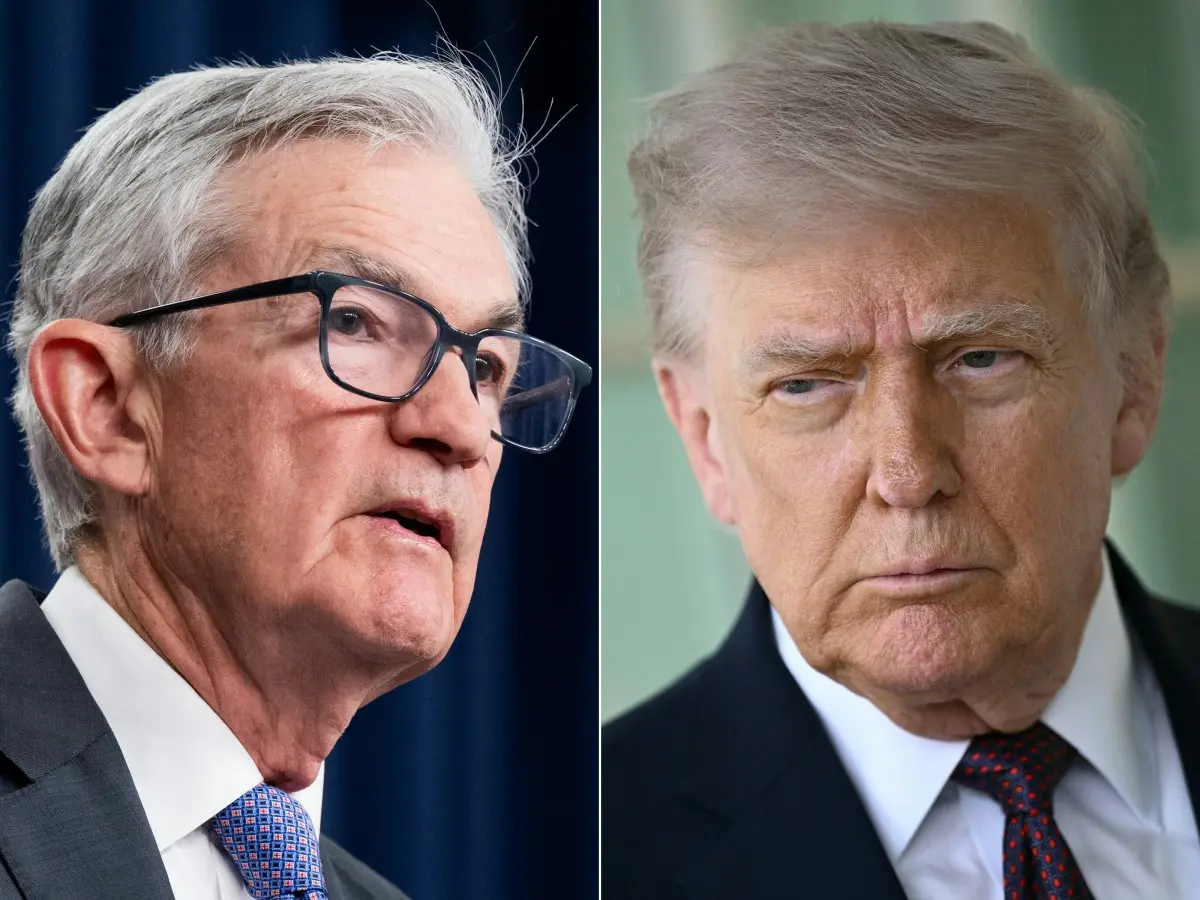
US President Donald Trump has repeatedly accused the oil cartel OPEC of “ripping off the rest of the world”, and it is directly backed by the security of the US military. He will celebrate this as a victory, a weakening of the cartel and a potential lowering of the energy prices. But with a key caveat, if and only if the US manages to open the Strait of Hormuz and the UAE manages to use this to trade oil, reduce prices, potentially taking months.
On the bigger macroeconomic picture, the UAE has floated the possibility of pricing some oil transactions in Chinese yuan if dollar liquidity tightens. Earlier in mid-April, Sheikh Khaled bin Mohamed bin Zayed Al Nahyan, the Crown Prince of Abu Dhabi, concluded an official three-day visit to China. As of 2026, the US dollar has reduced to roughly 57 per cent of Global Foreign Exchange reserves from its high of 72 per cent in 2001.
Countries passing through the Hormuz have occasionally settled trade in Yuan. India may now also be compelled to buy oil in Yuan, as reported by Fortune. Economists at Deutsche Bank have already warned that this war could be the catalyst for bringing Iran, China and Russia closer than ever and potentially creating an axis that accelerates the erosion of the petrodollar. It could become the straw that breaks the camel's back.
Paul Blustein of the Centre for Strategic and International Studies has argued that the Saudis began to price oil in dollars not because of their love of the US dollar, but because there was no other alternative. The US Dollar still remains the dominant currency for international transactions. The same is the importance of GCC’s sovereign wealth funds for the stability of the US economy. The GCC hold roughly $2 trillion in US assets and needs roughly $800 billion in dollar reserves.
This also implies that the UAE will have the leverage to make independent bilateral deals with eastern partners for settlements in Yuan, Ruble or Rupee if needed. A structurally weak OPEC may see its ability to control oil prices diminished, and create a domino effect as more nations like Iraq and Kuwait could be seen leaving the coalition. More chances of localised bilateral settlements and reduce of excess dollar trade by the Gulf states, as well as a decrease in the demand for dollars. The UAE is a leader in the "mBridge" project, a digital platform that allows countries to trade using Central Bank Digital Currencies (CBDCs), bypassing the US-led SWIFT banking system. This SWIFT system was used to effectively sanction Iran, Russia and Venezuela. This is not just a change in reserve currency, it's a change in the infrastructure, an accelerated fragmentation of the system.