Hormuz is a digital chokepoint: How can the US-Iran war threaten internet connectivity?

IRGC-linked Tasnim News Media warns of vulnerabilities in subsea cables in the Strait of Hormuz, a critical digital chokepoint carrying global internet traffic and the backbone of global financial systems.
IRGC warns of further escalation
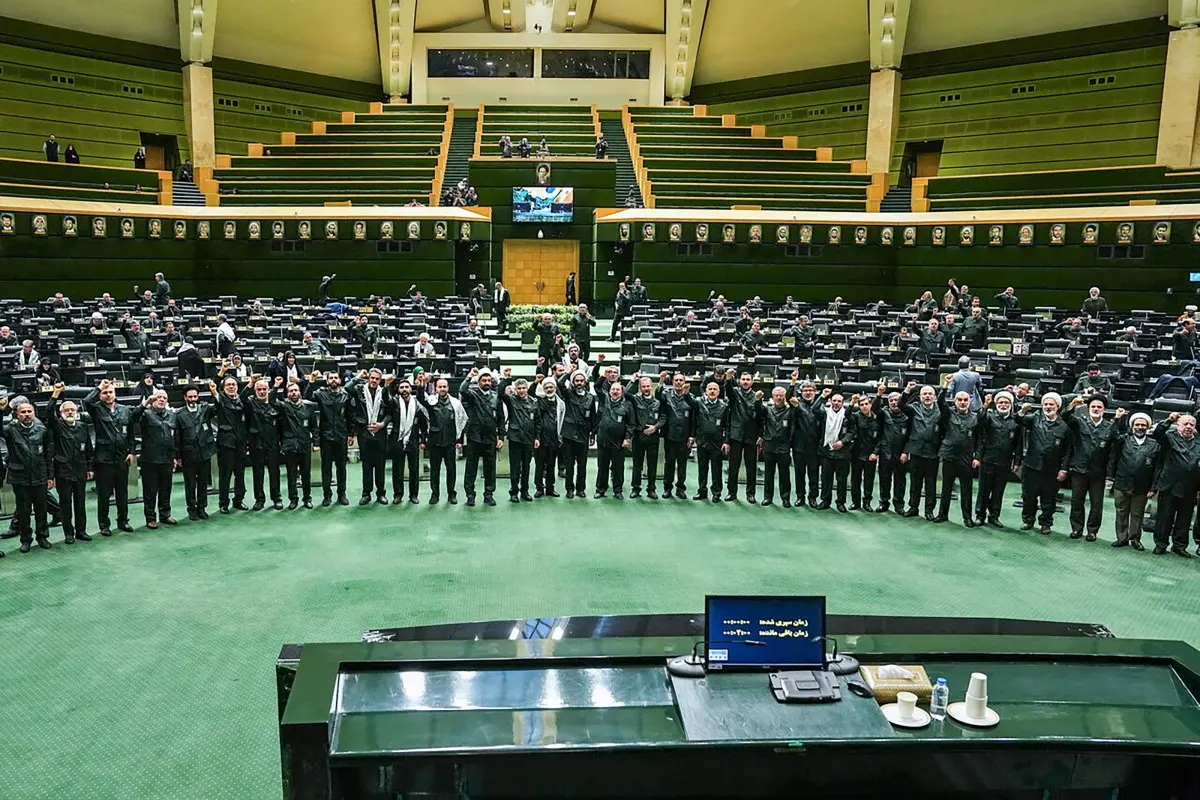
Iran's Islamic Revolutionary Guard Force, through state-linked media like the Tasnim News Agency, on April 22, warned of the vulnerability of the undersea submarine cable. The veiled warning, even though not official, highlighted an often overlooked part of global infrastructure.
“The concentration of many internet cables in a single narrow passage has made the Strait of Hormuz a vulnerable point for the region’s digital economy – a place where cables, after passing through the Strait, connect to coastal landing stations and major regional data centres,” read the report by Tasnim News agency.
Why are subsea cables important?
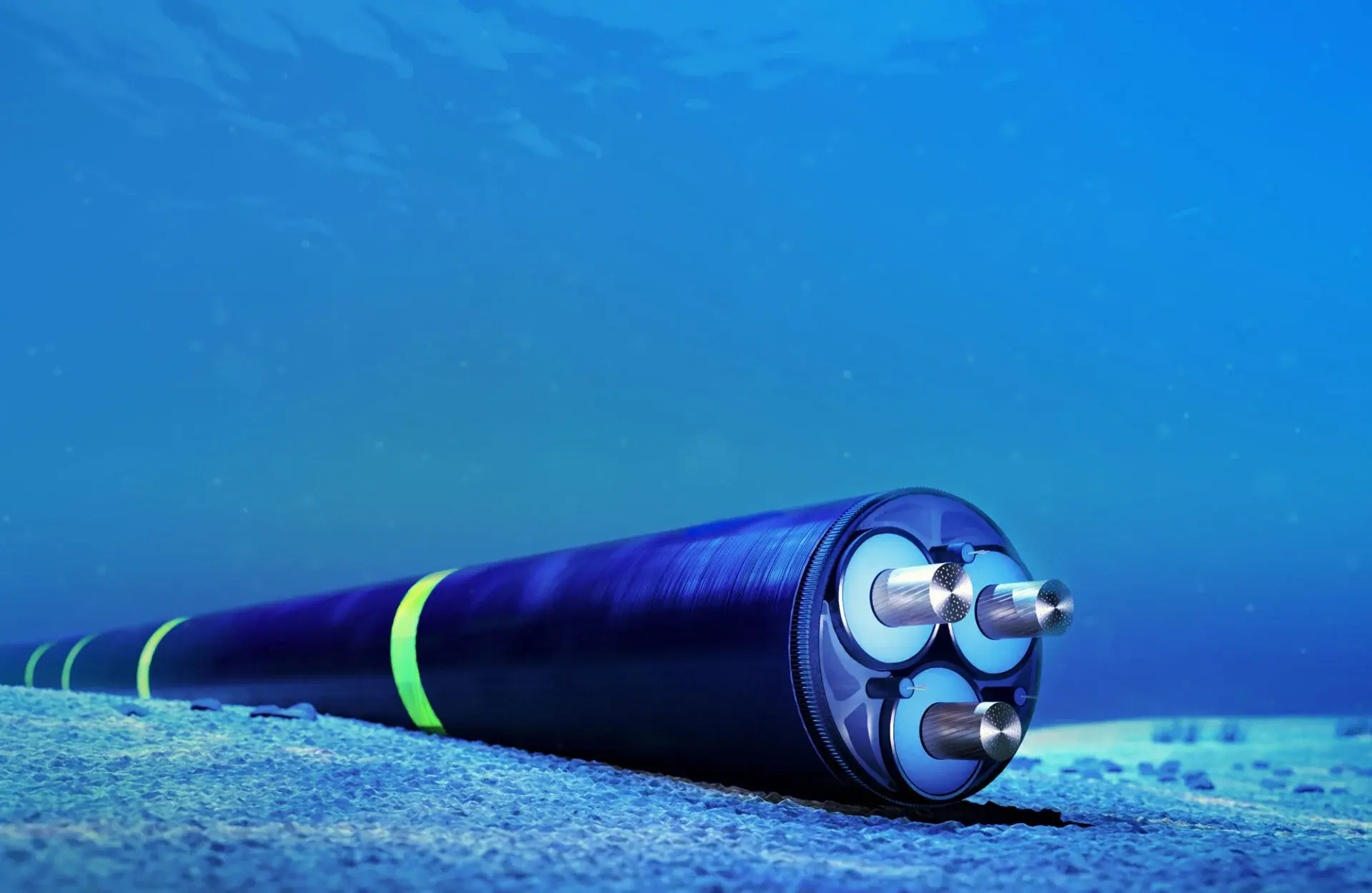
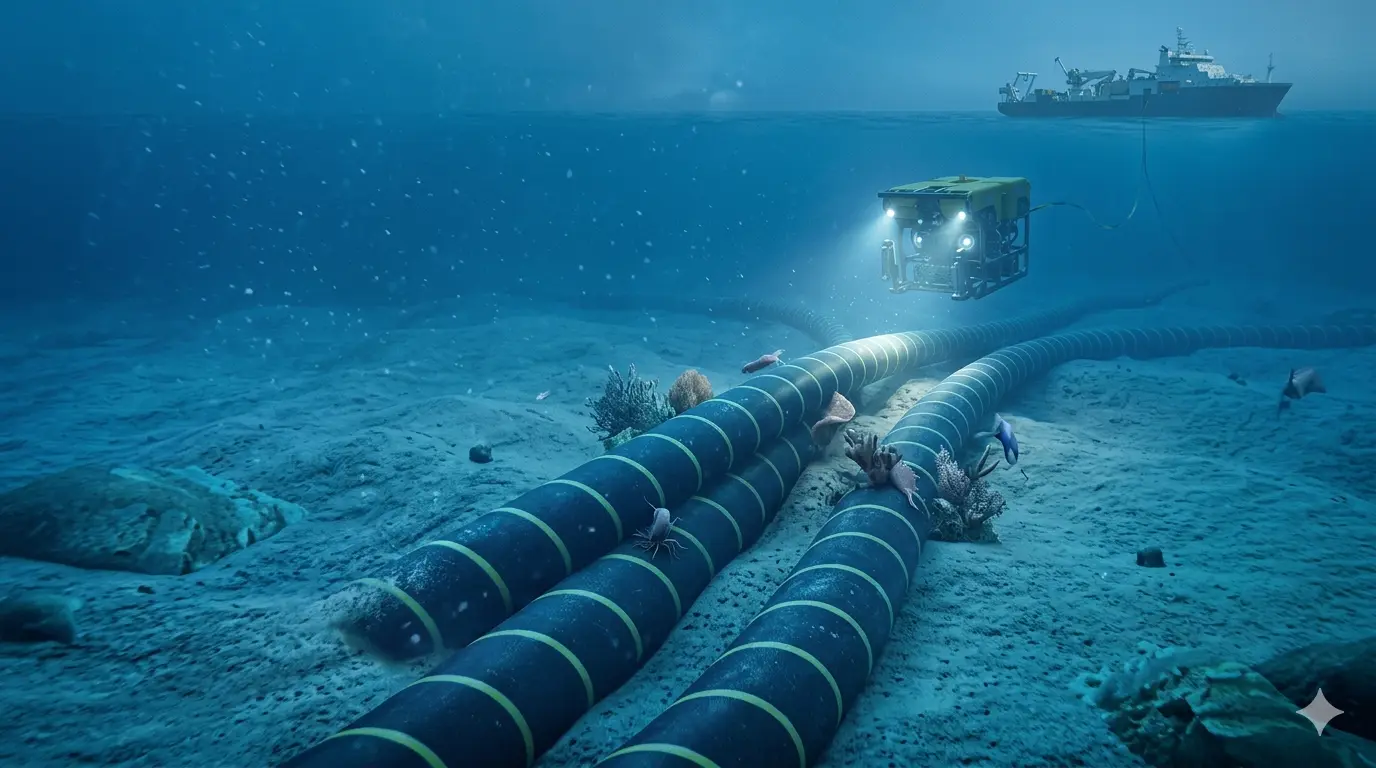
Submarine cables are optical fibres lying on the seabed that connect continents and carry around 99 per cent of the world’s internet traffic, according to the ITU, the United Nations specialised agency, for digital technologies. Despite transmitting massive data, these are like a thin garden hose, with glass optical fibre, shielded by copper/aluminium, steel and polythylene. Damaged cables mean slowed transmission, loss of connectivity, e-commerce disruptions, delayed financial transactions and disruption of cloud services.
Why Strait of Hormuz is a Digital Chokepoint?
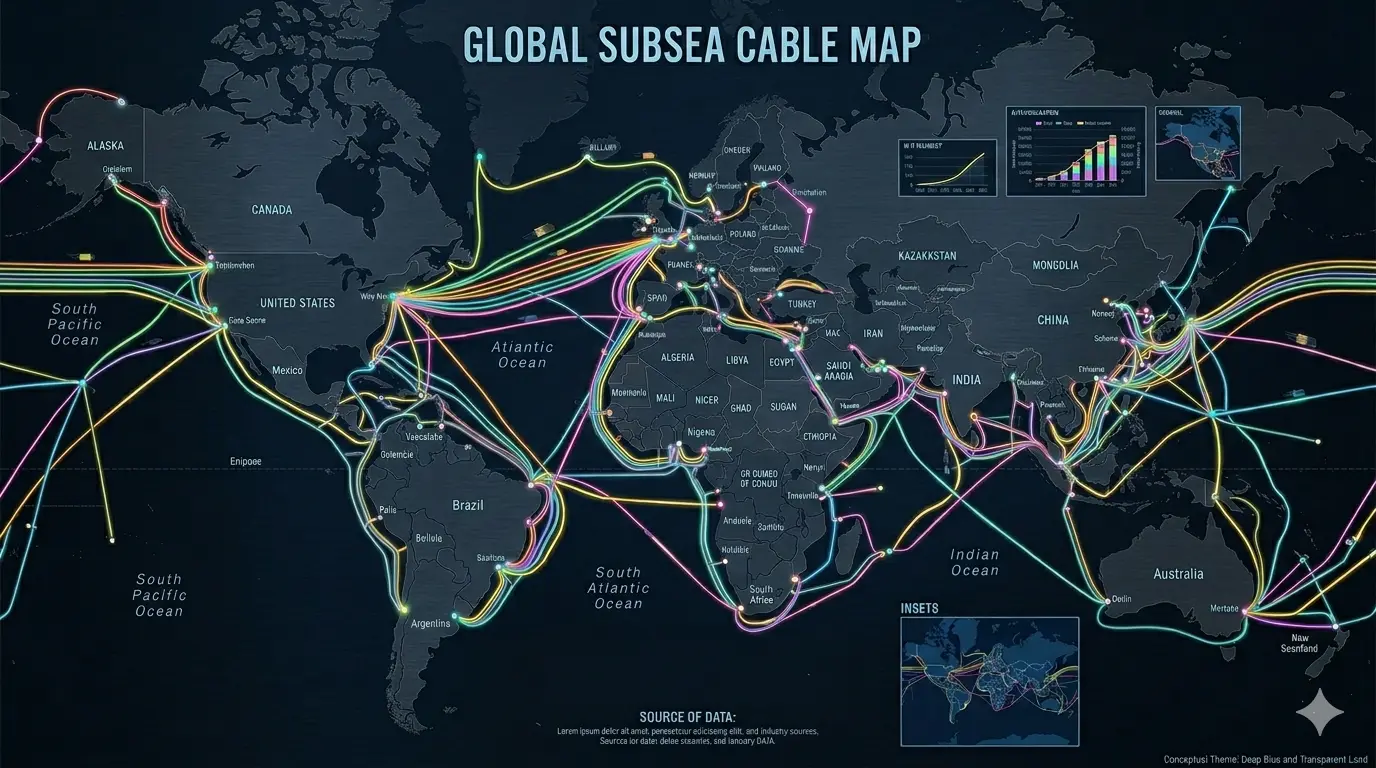
More than 97 per cent of global internet traffic runs through the Strait of Hormuz, via Falcon, AAE-1, TGN-Gulf and SEA-ME-WE cables, which connect a large number of the region's data centres in West Asia, Southeast Asia and Africa to Europe. These cables support over $10 trillion in daily financial transactions. The data centres of the Silicon Valley tech giants, such as Amazon Web Services, Oracle, Microsoft Azure, OpenAI and other hyperscale AI infrastructure in the Gulf economies like Saudi Arabia, the UAE, Oman and Bahrain are dependent on these cables.
What are the risks?
While data centres house servers, these are just empty boxes without the Cable Landing Stations (CLS) that feed them. While they would not cause a complete connectivity loss, data traffic will slow down and will become more expensive. In late February 2024, Houthis targeted the UK-based MV Rubymar with ballistic missiles; the ship dropped anchor, which ploughed the seabed, disrupting cables as it drifted. 25 per cent of data traffic between Asia, the Middle East, and Europe was disrupted.
Why is it challenging to repair them in conflict zone
Once damaged, these can't be easily fixed, as the war continues. While repairing subsea cables is not that hard, deliberate damage, the presence of mines and escalating conflict could further complicate the situation. Alan Mauldin, research director at telecom research firm TeleGeography, said, “Often one of the biggest problems with doing repairs is you have to get permits into the waters where the damage is. That can take a long time sometimes and can be the biggest source (of problems)” He further added that “It’s not as though you could just switch to satellite. That’s not an alternative,” noting that satellites rely on connections to land-based networks and are better suited for objects in motion like aeroplanes and ships.
)
)
)
)
)