Two fronts, one stage: Russia-Ukraine and West Asia crises shadow BRICS Summit

&imwidth=600&imheight=450&format=webp&quality=medium "Two fronts, one stage: Russia-Ukraine and West Asia crises shadow BRICS Summit")
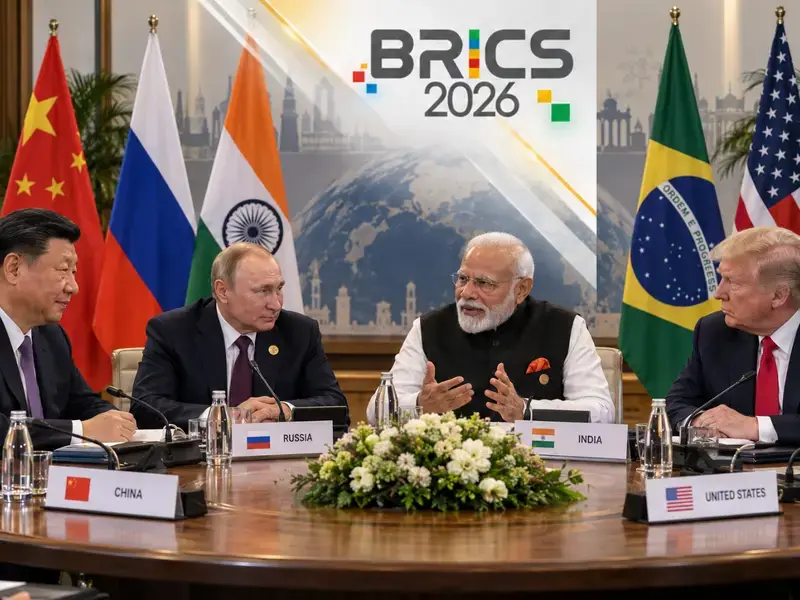
For representative purpose only Photograph: (Photograph: (AI-generated image))
As geopolitical friction intensifies across Eurasia and the Middle East, the BRICS summit brings key global players together under one roof. Explore how the bloc attempts to broker diplomacy and manage an uneasy peace amidst the ongoing Russia-Ukraine war and rising Iran-US-Israel tensions.
As India prepares to host the 18th BRICS Summit on September 12, at Bharat Mandapam, the expanded geopolitical bloc faces its most critical diplomatic test to date. The summit brings together leaders from across the Global South under the theme "Building for Resilience, Innovation, Cooperation, and Sustainability," yet the meeting is overshadowed by two simultaneous security crises involving major member states and key global powers.
The bloc now sits at the intersection of two major war theatres: the ongoing Russia-Ukraine conflict and escalating military confrontations involving Iran, the United States, and Israel. Russian President Vladimir Putin is scheduled to attend in person, marking his second visit to New Delhi in under a year. At the same time, Iranian leadership continues to urge BRICS partners to present a unified diplomatic front against Western military actions and economic sanctions.
The dual conflicts highlight deep structural contradictions within the group. Following its recent expansion which brought Iran, the United Arab Emirates, Egypt, Ethiopia, and Indonesia into the fold alongside original members Brazil, Russia, India, China, and South Africa BRICS now encompasses states with starkly divergent geopolitical alignments. While Moscow and Tehran seek to leverage the platform to actively counter Western pressure and foster non-dollar trade systems, other key members like India and the UAE maintain essential strategic, economic, and security relationships with Washington and Western nations.
The broader economic impacts of these conflicts remain a core focus for the summit. Military disruptions near the Strait of Hormuz and broader West Asian volatility have rattled global energy markets, keeping crude oil prices hovering above $80 per barrel and threatening international maritime shipping lines. In response, the summit’s economic agenda emphasises building resilient global value chains, strengthening trade access for small businesses, and advancing cross-border payment mechanisms using local currencies and interconnected digital infrastructure to mitigate exposure to international supply shocks.
Trending Stories
&imwidth=280&imheight=210&format=webp&quality=medium)
&imwidth=280&imheight=210&format=webp&quality=medium)
&imwidth=280&imheight=210&format=webp&quality=medium)
&imwidth=280&imheight=210&format=webp&quality=medium)
&im=FitAndFill=(700,400)&imwidth=280&imheight=210&format=webp&quality=medium)
&imwidth=280&imheight=210&format=webp&quality=medium)
&imwidth=280&imheight=210&format=webp&quality=medium)
&imwidth=280&imheight=210&format=webp&quality=medium)
&imwidth=280&imheight=210&format=webp&quality=medium)
&imwidth=280&imheight=210&format=webp&quality=medium)
&imwidth=280&imheight=210&format=webp&quality=medium)
&imwidth=280&imheight=210&format=webp&quality=medium)
&imwidth=280&imheight=210&format=webp&quality=medium)
&imwidth=280&imheight=210&format=webp&quality=medium)
&imwidth=280&imheight=210&format=webp&quality=medium)
&imwidth=280&imheight=210&format=webp&quality=medium)
&imwidth=280&imheight=210&format=webp&quality=medium)
&imwidth=280&imheight=210&format=webp&quality=medium)
&imwidth=280&imheight=210&format=webp&quality=medium)
&im=FitAndFill=(700,400)&imwidth=280&imheight=210&format=webp&quality=medium)
&imwidth=280&imheight=210&format=webp&quality=medium)
&imwidth=280&imheight=210&format=webp&quality=medium)
&imwidth=280&imheight=210&format=webp&quality=medium)
&imwidth=280&imheight=210&format=webp&quality=medium)
&imwidth=280&imheight=210&format=webp&quality=medium)
&imwidth=280&imheight=210&format=webp&quality=medium)
&imwidth=280&imheight=210&format=webp&quality=medium)
&imwidth=280&imheight=210&format=webp&quality=medium)
&imwidth=280&imheight=210&format=webp&quality=medium)
&imwidth=280&imheight=210&format=webp&quality=medium)
&imwidth=280&imheight=210&format=webp&quality=medium)
&imwidth=280&imheight=210&format=webp&quality=medium)
&imwidth=280&imheight=210&format=webp&quality=medium)
&imwidth=280&imheight=210&format=webp&quality=medium)
For host nation India, the summit represents a delicate balancing act of strategic autonomy. New Delhi will be navigating internal ideological divisions while preserving the bloc’s core mandate as a constructive platform for multilateral governance reform and global economic stability. As world leaders convene, the gathering underscores how an expanded BRICS must manage the uneasy peace among its diverse membership while addressing the far-reaching spillovers of global warfare.

