Trump signs orders extending coronavirus relief after talks with Congress break down

Donald Trump
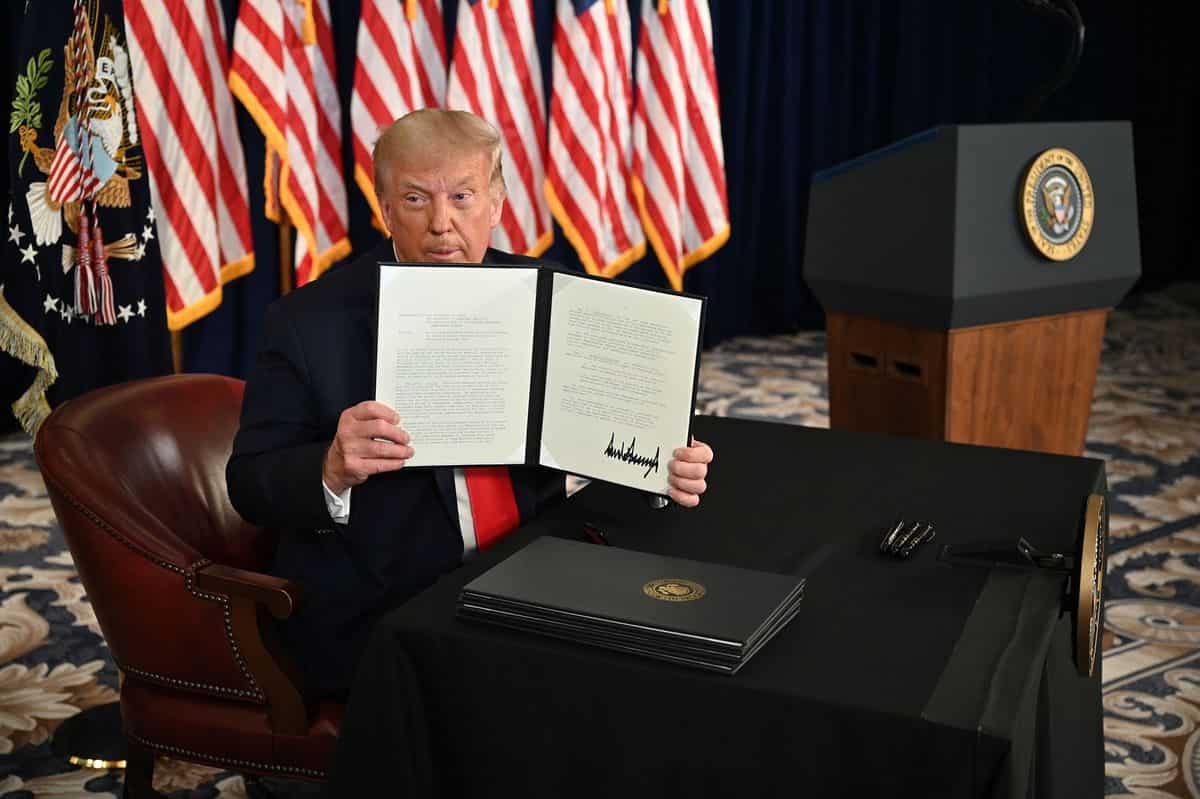
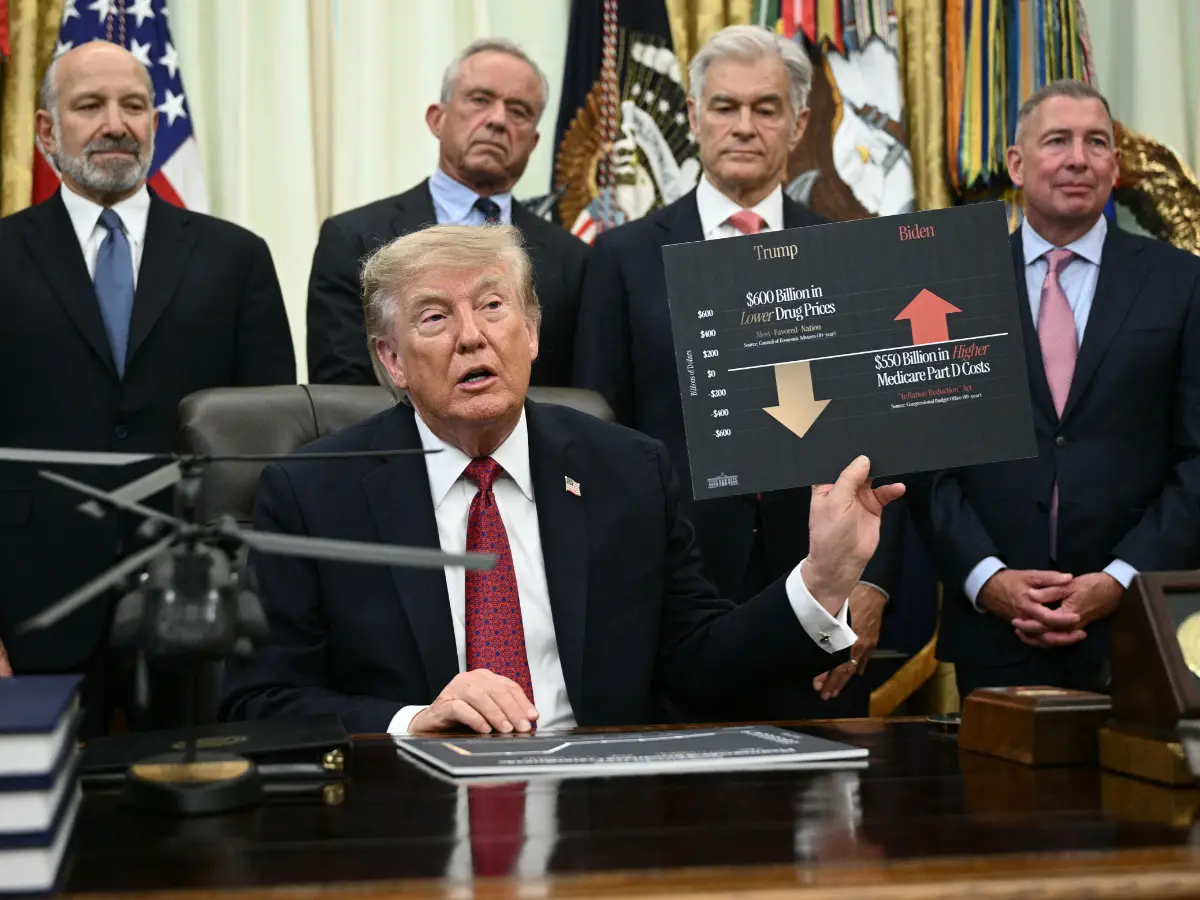
US President Donald Trump has signed executive orders partly restoring enhanced unemployment payments to the tens of millions of Americans who lost jobs during the coronavirus pandemic, as the country marked a grim milestone of 5 million cases.
Negotiations between his Republican party and opposition Democrats had earlier failed, and they could not agree on a new stimulus package.
"We've had it and we're going to save American jobs and provide relief to the American workers," Trump said, at a press conference in his golf club in Bedminster, New Jersey on Saturday.

With double digit unemployment, massive disruption to businesses from social distancing rules, and stubbornly high rates of coronavirus infection, many Americans have been relying on relief measures approved earlier by Congress, but which mostly expired in July.
Trump said his decision to circumvent Congress with executive orders would mean relief money getting "rapidly distributed."
Trump said the orders would provide an extra $400 per week in unemployment payments, less than the $600 per week passed earlier in the crisis. Some of the measures were likely to face legal challenges, as the US Constitution gives Congress authority over federal spending.
)
Emmys 2026: Matthew Rhys wins Best Actor twice, sets historic 78-year record
)
3 Italians fly from Delhi to Munich without immigration clearance; Air India gets notice on major security lapse
)
Did India risk its US trade deal despite softer stance at BRICS?
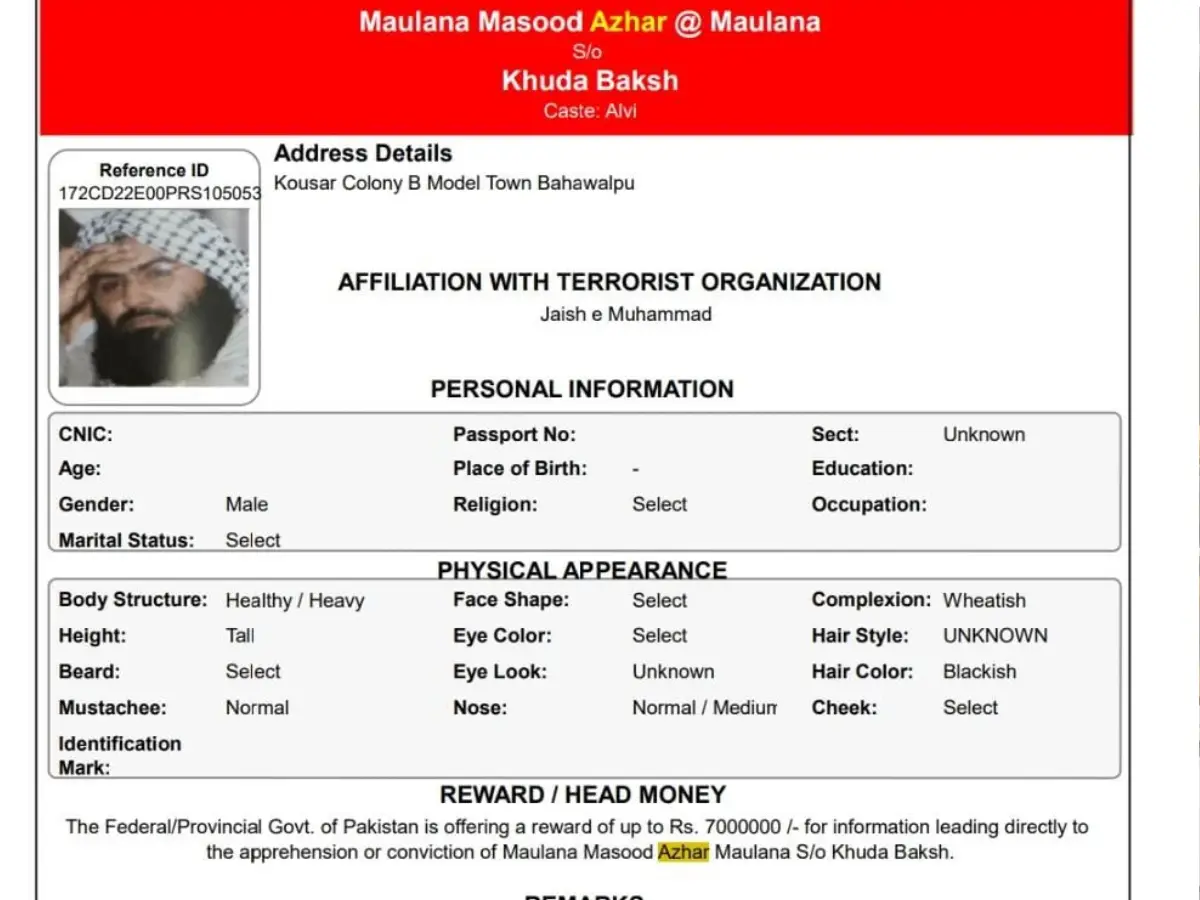)
Pakistan puts Pak Rs 70 lakh bounty on UN terrorist Masood Azhar; move draws skepticism in Delhi
)
‘US ensuring global energy supplies’: Trump demands reimbursement for securing Strait of Hormuz
)
'She married her brother': Ilhan Omar faces criminal probe over immigration fraud claims
)
'Huge destructive power': North Korea calls its latest missile launches 'live-fire drill' even as US dismisses 'immediate threat'
)
Ukraine strikes Syzran Oil Refinery deep inside Russia, fires erupt
)
‘Let’s go’: Newly declassified videos show dramatic rescue of US Air Force officers downed in Iran
)
Emmy Awards 2026: Widow's Bay and The Pitt win in lead categories- check out the complete list of winners
)
Emmys 2026 In Memoriam: Catherine O’Hara honoured by on-screen children Macaulay Culkin, Annie Murphy, Dan Levy; Dolly Parton, Rob Reiner remembered
)
Iran, India agree to deepen humanitarian and political ties, President Pezeshkian says
)
‘Want to reset ties with India, have engagement based on mutual interests,’ says Bangladesh minister
&im=FitAndFill=(700,400))
Emmys 2026 Red Carpet: Zendaya, Nicole Kidman and Julia Garner lead the glamour peak
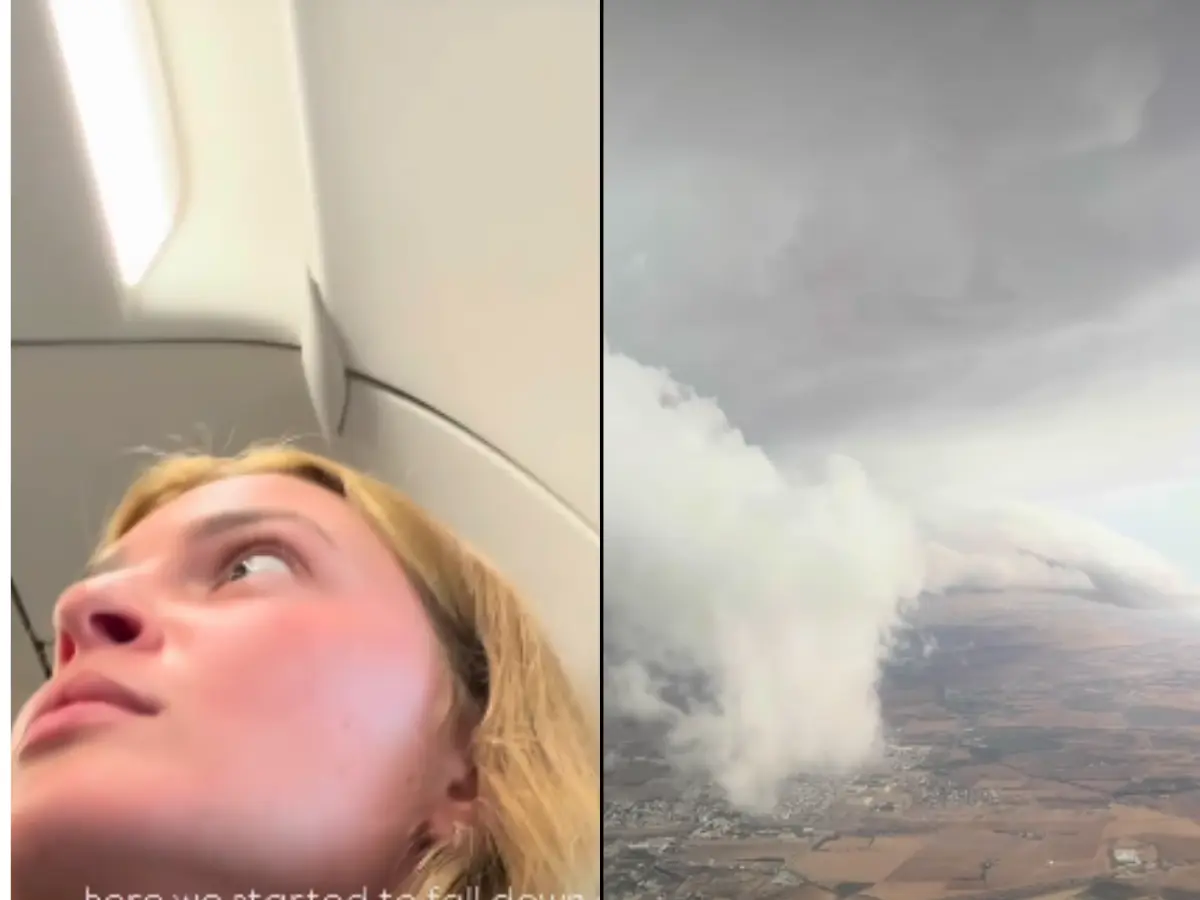)
Turkish Airlines plane flies through a storm three times, triggering severe turbulence
&im=FitAndFill=(700,400))
Why Chinese PL-15 air-to-air missiles use dual-pulse motors compared to European interceptors
)
What is Hyrox, in news for athlete who soiled herself, but kept running and using common equipment?
)
Russia proposes to build 360 kmph Ivolga FG trains in India: What happened on sidelines of BRICS
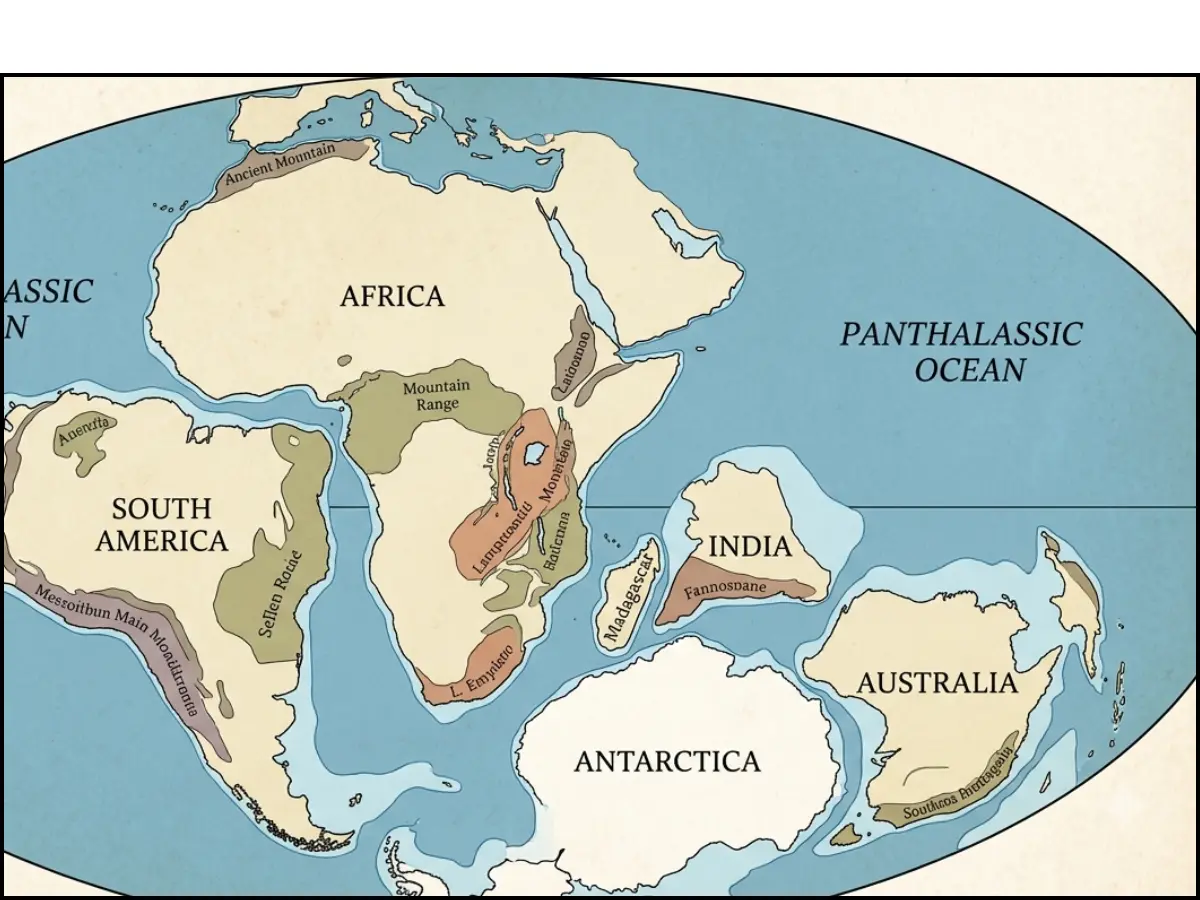)
800 million years old - Scientists discover 'fingerprints' of supercontinent Gondwana in ancient rocks
)
Former Pak PM Imran Khan's ex-wife Jemima Goldsmith marries Australian financier: Who is Cameron O'Reilly
)
Plane carrying prominent figure crashes at Libya’s Misrata airport: Report
)
UPI payments up to Rs 2,000 to stays free, but bigger transactions may soon cost you: Govt
&im=FitAndFill=(700,400))
New OTT releases this week (September 14-20, 2026): Lust Stories 3, Waiting Hai, Irumudi- 5 new titles coming on Netflix, Prime Video and more
)
Sent home midway from UK tour, Pakistan's Salman Agha hits 300* in domestic return
)
Who is Kalyan Bainsla, accused in the Gurugram hit-and-run case involving woman biker?
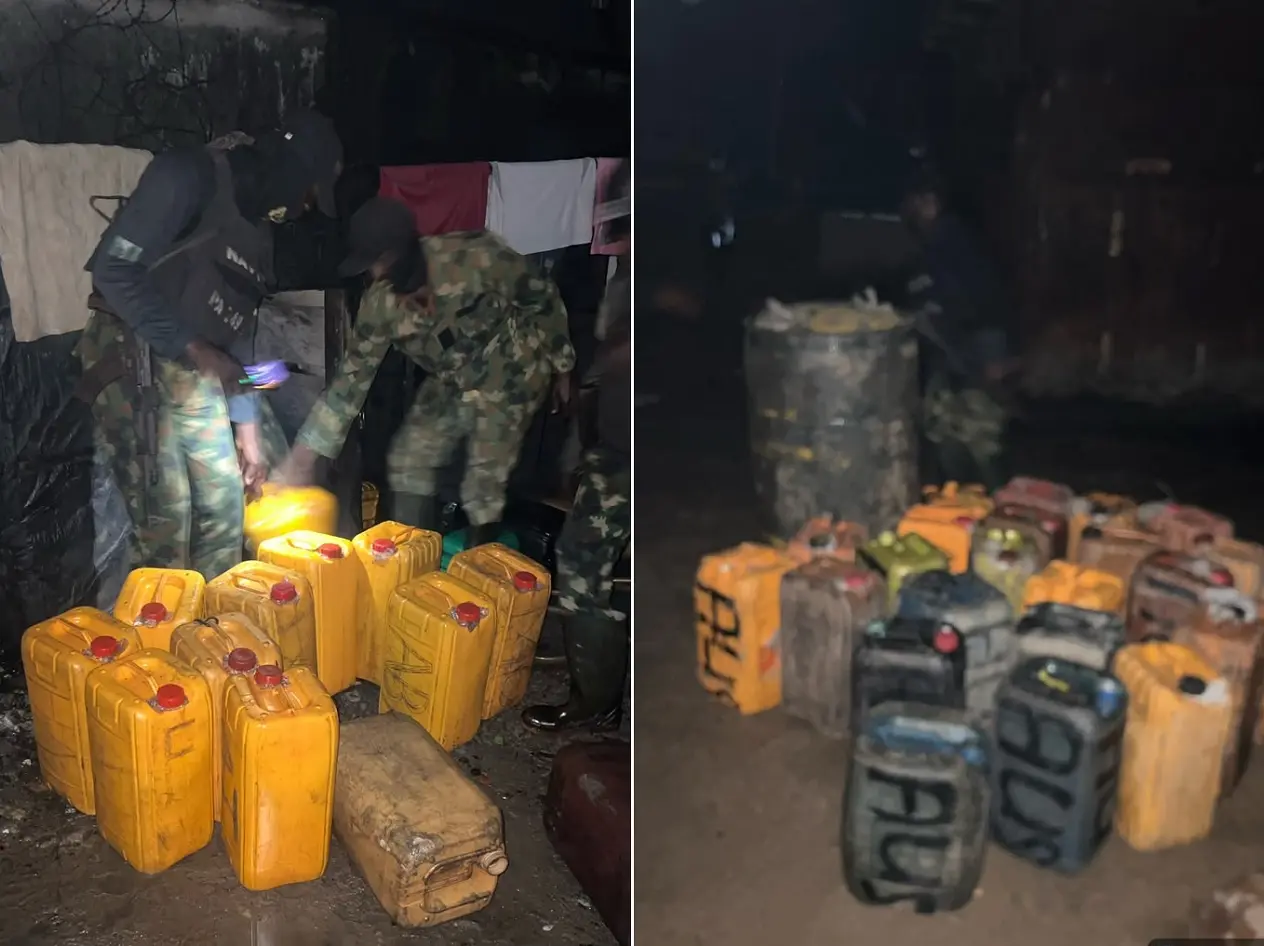)
Nigerian Navy seizes 10,000 litres of suspected illegal fuel in Rivers State crackdown
)
Saudi Arabia discovers 110 million tonnes of Uranium-rich ore in Madinah region
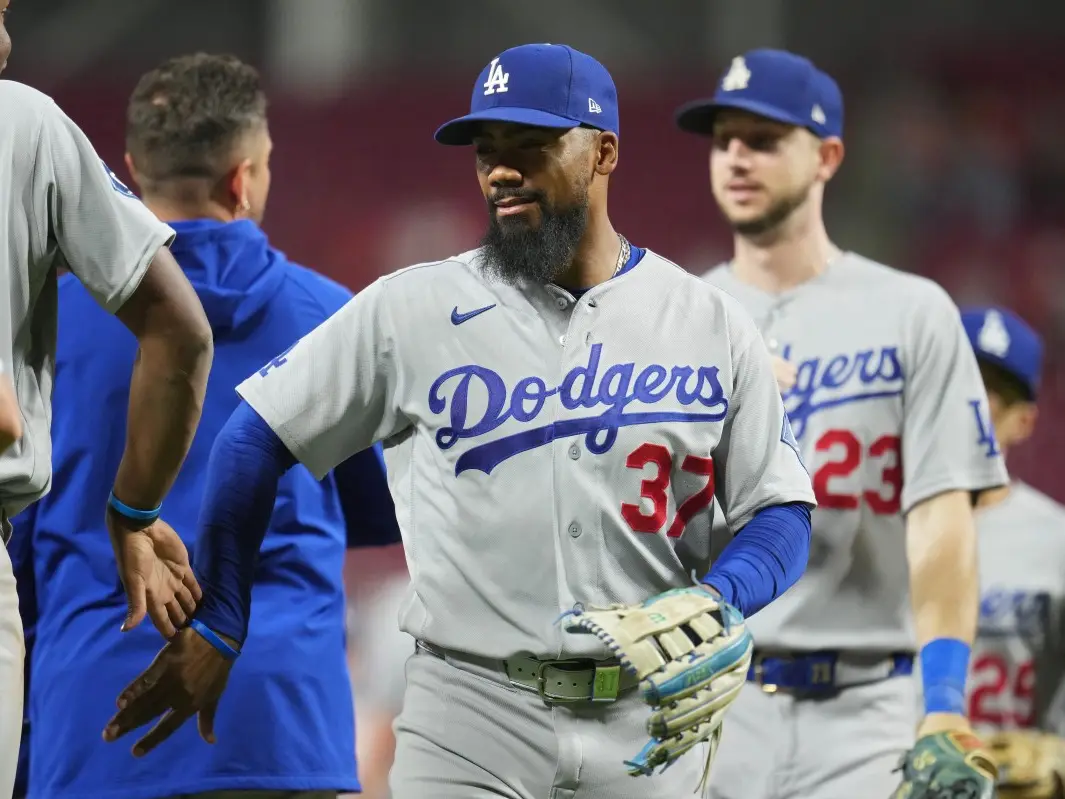)
Dodgers beat Reds for playoff berth in bid for third consecutive World Series
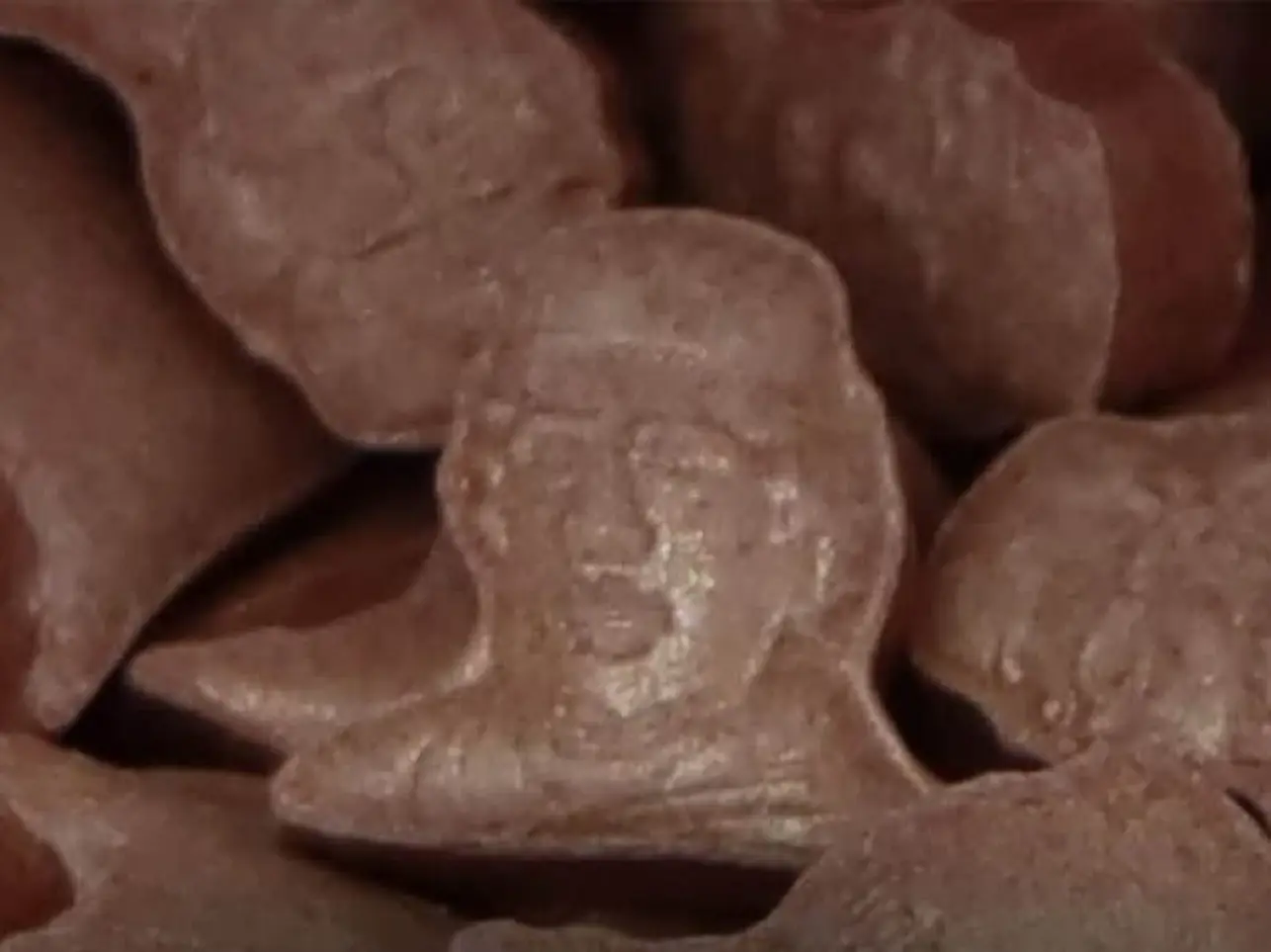)
Ecstasy tablets are rage in 'drug haven' Libya | Gravitas
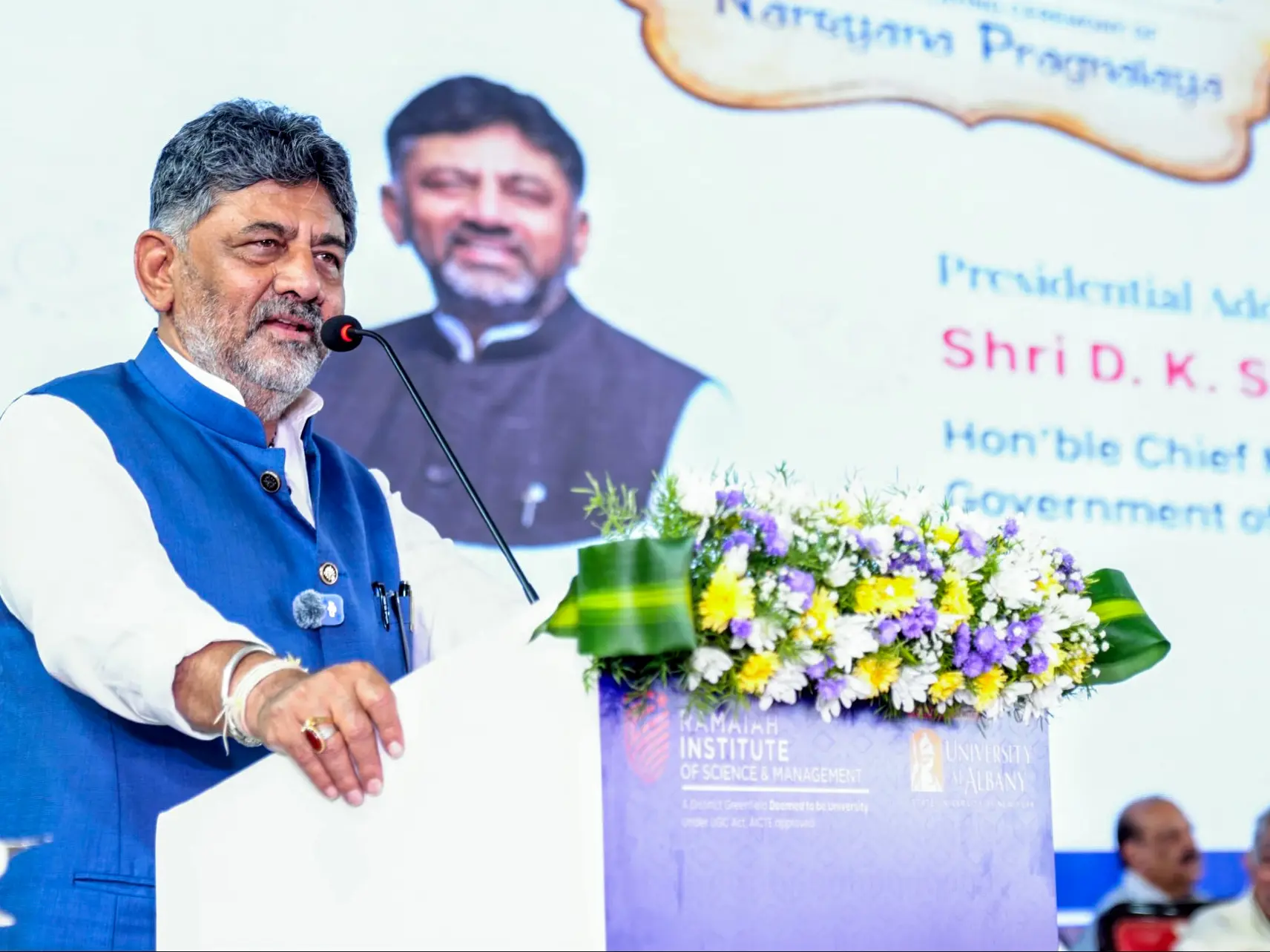)
'Now Trump is copying us': Shivakumar links US $5,000 plan to Congress guarantees
)
Video of Pakistani lawmaker struggling to read English tribute to Jinnah goes viral - WATCH
)
Trump downplays China's alleged 'help' to Iran in strike on Jordan base | Gravitas
)
Trump loses Supreme Court battle over mail ballots ahead of US midterms: What happened?
)
BCCI VP Rajeev Shukla says Mohsin Naqvi 'did not object' India refusing trophy from ACC chief
)
Photographs, LeT labels vanish from two 2008 Mumbai attack entries in Pakistan’s most wanted list
)
Delhi govt to roll out ₹13,820 crore development projects under Seva Sankalp Abhiyan: CM Rekha Gupta
)
UK man admits drugging, raping wife for 20 years in shocking abuse case
)
Extreme warming in Indian Ocean added 695 billion tons of ice to Antarctica ice sheet
)
China thinned Himalayan troop presence in 2025, India defence report says; terms border situation 'stable'
"This is the money they need, this is the money they want, this gives them an incentive to go back to work," the Republican president said of the lower payments. He said 25% of it would be paid by states, whose budgets have been hard hit by the crisis.
Republicans have argued that higher payments were a disincentive for unemployed Americans to try to return to work, though economists, including Federal Reserve officials, disputed that assertion.
Trump`s move to take relief measures out of the hands of Congress drew immediate criticism from some Democrats.
Trump also said he was suspending collection of payroll taxes, which pay for Social Security and other federal programs, an idea that he has repeatedly raised but has been rejected by both parties in Congress. He said the suspension would apply to people making less than $100,000 per year.
His orders would also stop evictions from rental housing that has federal financial backing and extend zero percent interest on federally financed student loans.
Democrats pushed for a massive new $3 trillion stimulus package aimed at propping up the economy, repairing the tattered postal system in time for the presidential election, and giving the unemployed an extra $600 a week.
Democrats later announced they could drop the price tag but refused the Republicans' offer of a $1 trillion package.
Trump, who is down in the polls against Democrat Joe Biden, faces broad criticism over his handling of the health and economic responses to the coronavirus pandemic.
He initially played down the disease's threat and has drawn criticism for inconsistent messages on public health steps such as social distancing and masks.
(with inputs from agencies)