
&imwidth=800&imheight=600&format=webp&quality=medium "Trump says unified Ireland would be 'fantastic', UK reacts: What is Irish reunification?")
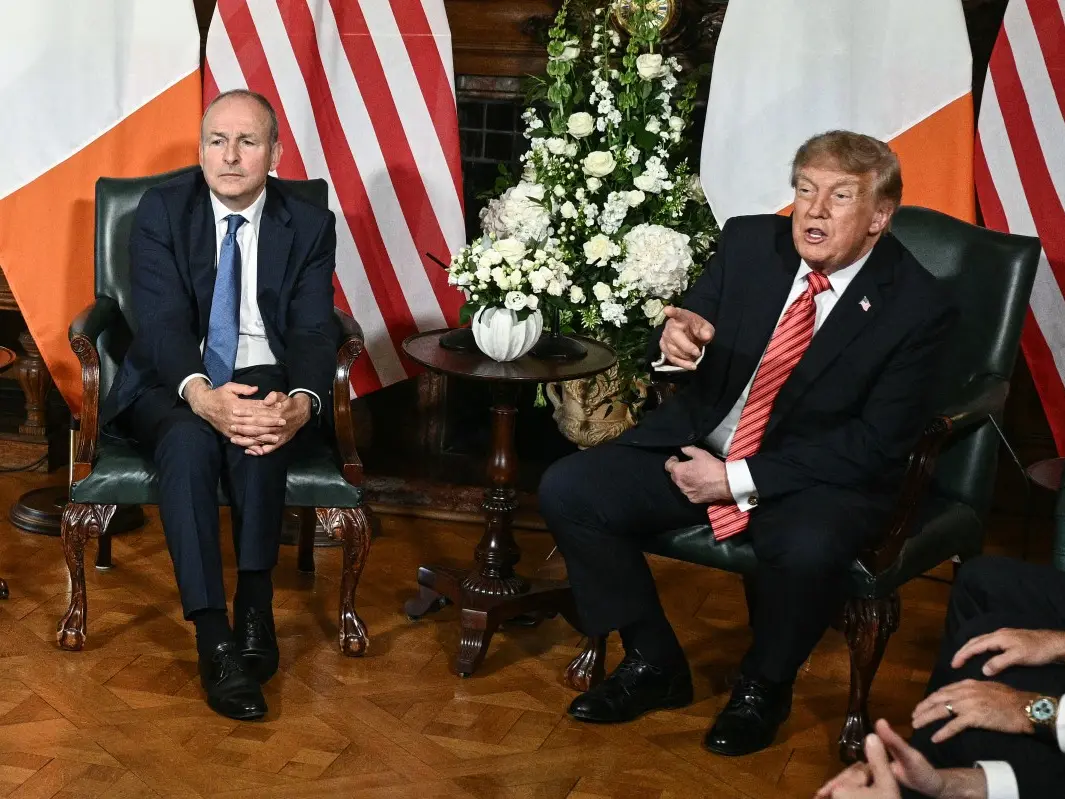
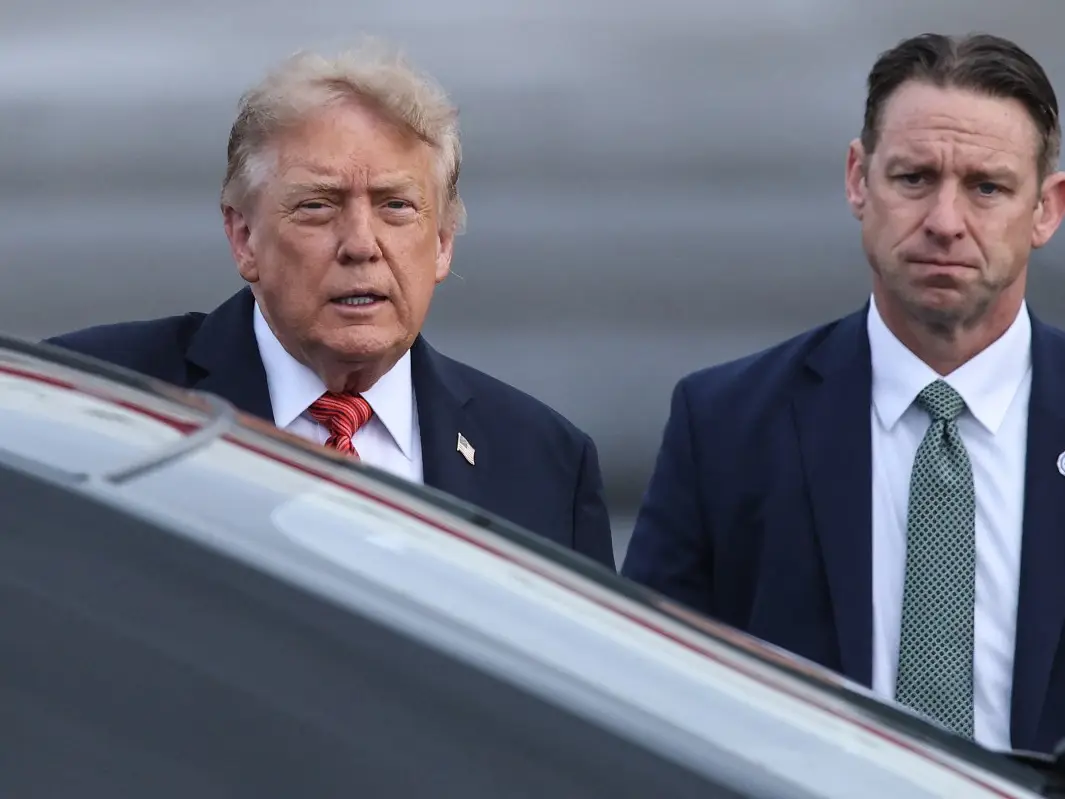
US President Donald Trump on Saturday (Sep 13) said that he would “love” to see a united Ireland, predicting that reunification would happen eventually. He said that such a thing would be a “fantastic thing” during his visit to Dublin. "Well, I don’t want to cause any problems, but I will tell you, I’d love to see it unified,” Trump told reporters, while sitting next to Ireland’s Prime Minister, Micheal Martin. “It’s going to happen eventually … I think it would be a fantastic thing,” he said. “Now the UK will have something to say about it … but I think it would be a great thing,” he added. His remarks came as Dublin witnessed anti-war and anti-Trump protests. An seemingly embarrassed Martin declined to respond to reporters’ questions to comment.
How UK reacted?

British Prime Minister Andy Burnham's office said that the position on Irish unification remains unchanged. Responding to questions from lawmakers in parliament on Wednesday about a possible border poll in Northern Ireland, Burnham said: "I am not aware that there is majority public support for another referendum, and until that changes, there will not be one."
What has been US stance on the matter?
The United States has traditionally maintained a stance of strict neutrality on Irish unification. In fact, it helped broker the 1998 Good Friday Agreement under the Clinton administration. For decades, Washington avoided taking sides, stating that any decision regarding the border must be left entirely to the democratic consent of the people of Northern Ireland and the Republic of Ireland. Rather than treating the issue as a sensitive internal UK-Irish matter, Trump described the potential unification as a positive "merger" and suggested that Irish Taoiseach Micheál Martin was "the right man... to get it moving." The sudden shift in tone has sparked a diplomatic row
Trending Stories
)
Why asking questions could be more important than memorising answers
)
BRICS Summit 2026 full schedule: Day-wise agenda, timings and key issues - All you need to know
)
BRICS Summit 2026: Iran's Pezeshkian praises PM Modi at BRICS
)
'Iran won't surrender': Pezeshkian sends blunt message to US while attending BRICS Summit in India
)
BRICS rejects EU carbon tax as ‘punitive’, ‘discriminatory’; warns of burden on Global South
)
Why dehydration is the hidden cause of travel fatigue on long flights
)
Top 5 places to visit in Goa beyond its famous beaches
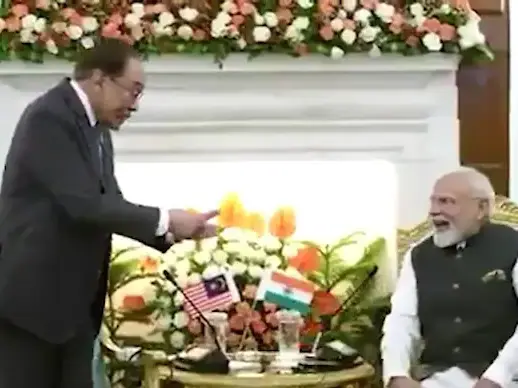)
'He is popular...': Malaysian PM Anwar Ibrahim's praise for PM Modi during bilateral meeting | WATCH
)
BRICS Summit 2026: 30+ countries seek BRICS membership
)
Frustrated man demolishes his kitchen after thousands flock to see Mother Mary his wife spotted on the wall
)
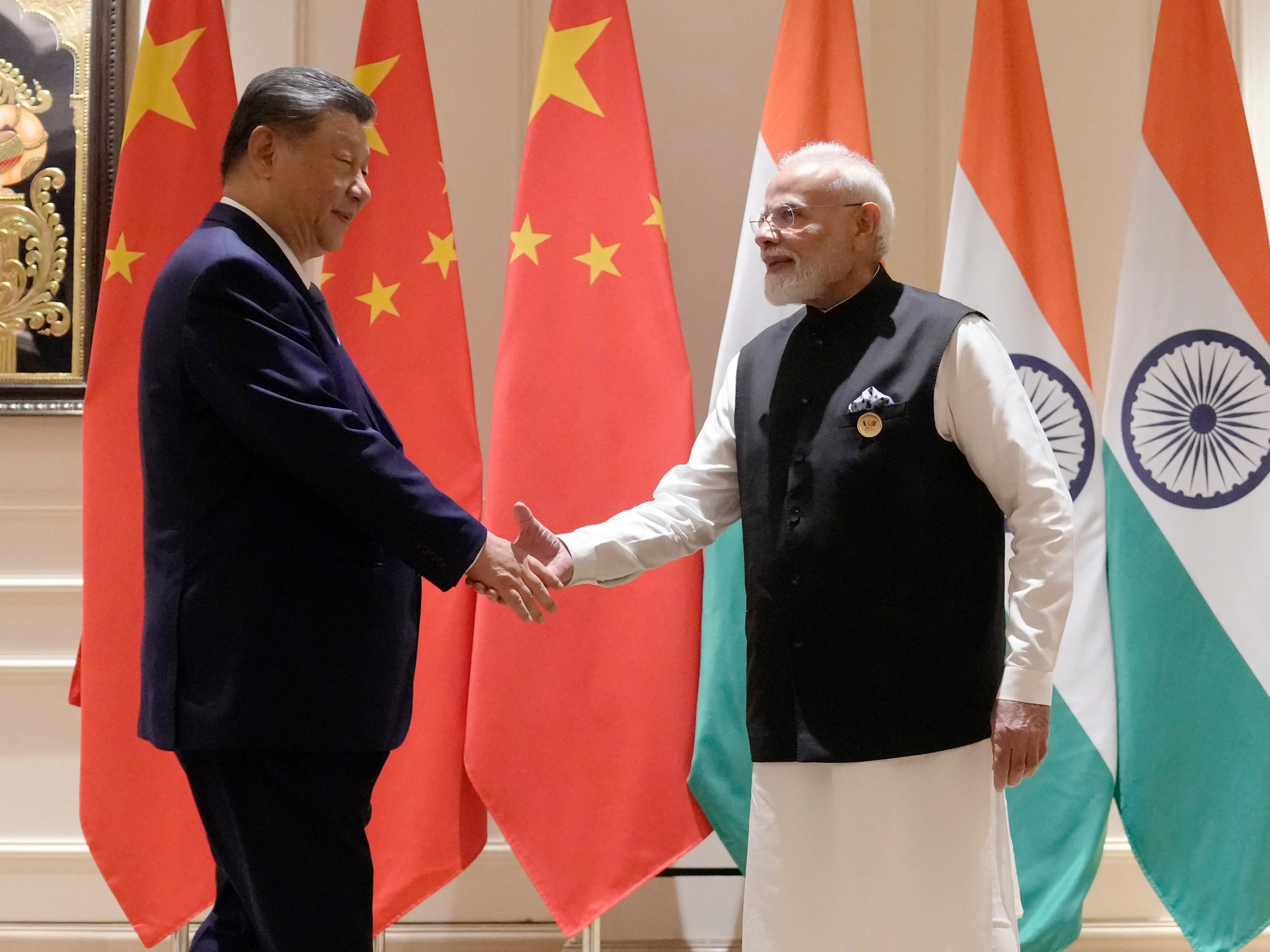
BRICS Summit 2026: PM Modi, Xi reach key consensus on ties, China to assume BRICS chairmanship in 2027
)
Trump says Canada eager to reach a deal, it could come ‘fairly soon’ if Ottawa treats US farmers better
)
From drones to KAAN fighters: Turkey outlines 229% surge in defence spending amid regional shifts
)
‘Partners, not rivals’: Xi outlines four point plan for stronger India-China ties
)
Could staying indoors all day affect your health?
)
Bigg Boss 20: Uditi Singh reacts to ex Karan Wahi’s possible wildcard entry
)
Why going digital does not always mean becoming more efficient
)
800 million years old - Scientists discover 'fingerprints' of supercontinent Gondwana in ancient rocks
)
Israel spent nearly $470,000 on PM's hair, makeup since 2019, data shows
)
From severe mobility problems to recovery: Madhuri the elephant’s journey of wildlife care
)
BRICS Summit day 1: New Delhi declaration adopted with full consensus, big diplomatic win for India
)
From India, Putin warns Europe against sending troops to Ukraine, Zelensky expresses willingness to meet him at G20 Summit
)
Did Iran President Pezeshkian touch feet of Hindu spiritual leader at Delhi event as shown in viral video?
)
9-year-old Chennai prodigy clears Cambridge IGCSE grade 10 exams
)
9/11 attack anniversary: The day that changed America forever
)
Reacher actor Alan Ritchson, wife Catherine part ways after 20 years of marriage
)
Why does your body need time to adjust after a long journey?
)
Baba Vanga's first prophecy for 2027 is out, and straight out of science fiction
)
Why does your skin need protection from UV rays?
)
How does the loss of forests affect the way wildlife lives and moves?
)
IND vs AFG, 1st T20I: When and where to watch live streaming in India?
)
Anthropic is giving Claude to schools free, and the reason is not philanthropy
)
BRICS Summit: China resumes Guangzhou-New Delhi flight, issues 'good-neighbourliness' remark ahead of Xi-Modi meet
)
Why do wild animals need quiet places to survive?
)
Humans may lose control of AI: Anthropic CEO calls for slowdown, Altman, Musk back him
What is Irish reunification?
Irish unification is the proposal that the island of Ireland should become a single, sovereign independent state, ending the partition that separates the Republic of Ireland and Northern Ireland. Ireland was partitioned in May 1921. The Republic of Ireland governs the majority of the island, while Northern Ireland remains part of the United Kingdom. A 1998 Good Friday Agreement forms the base of the reunification debate. It ended three decades of sectarian violence known as the Troubles. According to it, a border poll or referendum can be called if it appears likely that a majority in Northern Ireland would vote for Irish unification. The UK government maintains that Northern Ireland remains part of the United Kingdom as long as a majority of its people want it to. Proponents highlight economic ties and healthcare coordination. Opponents point to unionist identity, distinct ties to Britain, and high economic costs.

