Trump's 'Project Freedom' gets boost as Saudi Arabia, Kuwait lift curbs in Strait of Hormuz: Report

&imwidth=600&imheight=450&format=webp&quality=medium "Trump's 'Project Freedom' gets boost as Saudi Arabia, Kuwait lift curbs in Strait of Hormuz: Report")
Trump's 'Project Freedom' gets boost as Saudi Arabia, Kuwait lift curbs in Strait of Hormuz: Report Photograph: (AFP)
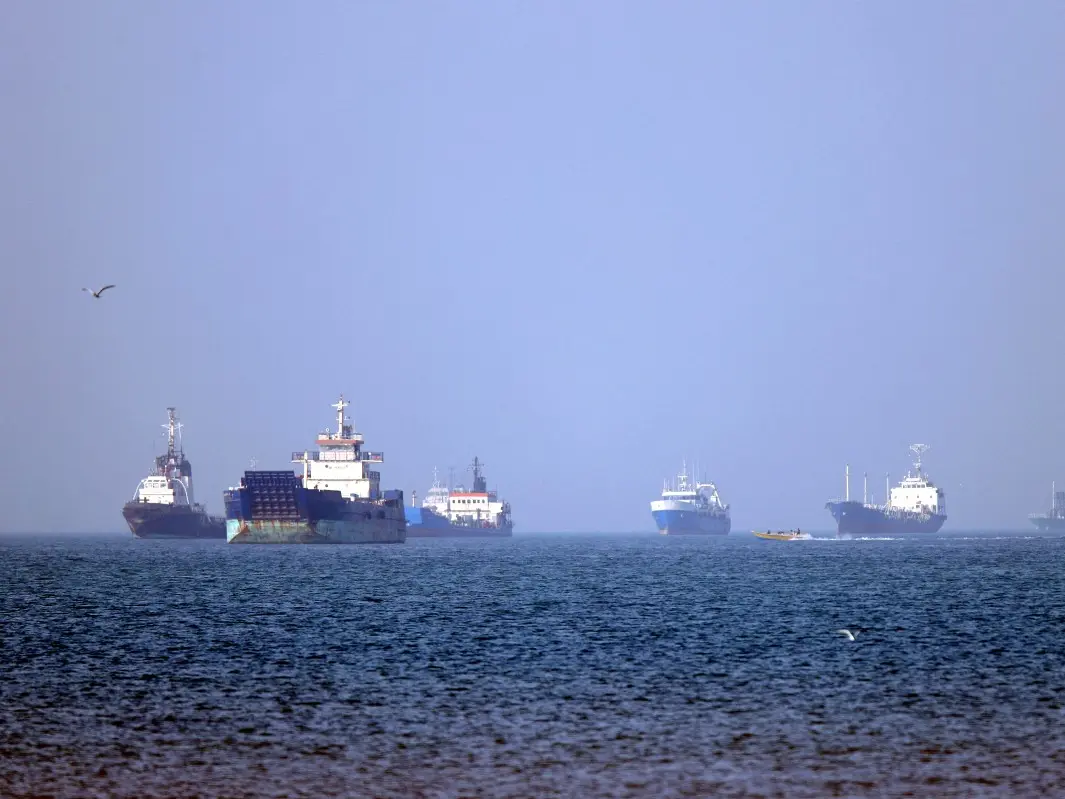
According to reports, Saudi Arabia and Kuwait have restored US military access after tensions over Trump’s Strait of Hormuz operation against Iran
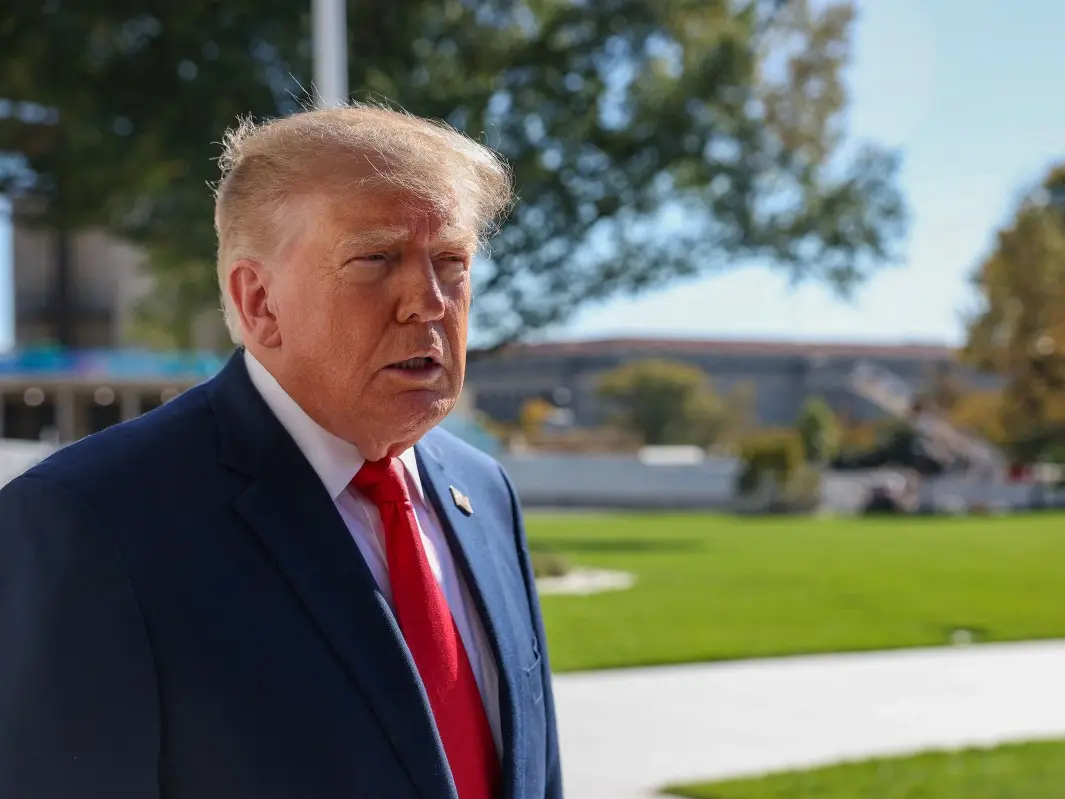
Saudi Arabia and Kuwait have lifted restrictions on the US military’s use of their bases and airspace after initially limiting access following Washington’s operation to reopen the Strait of Hormuz, according to US and Saudi officials. The decision removes a major obstacle for President Donald Trump’s maritime security initiative aimed at protecting commercial shipping through one of the world’s most critical energy corridors. US officials said the Trump administration is now considering restarting the operation, known as ‘Project Freedom’, which had been paused after running for just 36 hours earlier this week. Pentagon officials indicated the mission could resume as early as this week.
The operation relied heavily on a vast deployment of aircraft, warships, drones, and surveillance systems to shield commercial vessels from potential Iranian missile and drone attacks. Access to Saudi and Kuwaiti bases and airspace was considered essential to the mission’s success. However, the initiative triggered one of the most serious disputes in recent years between Washington and Riyadh, prompting urgent calls between Trump and Saudi Crown Prince Mohammed bin Salman and raising concerns over the future of long-standing security ties between the two countries.
Saudi Arabia and Kuwait reportedly imposed the restrictions after senior US officials downplayed Iranian attacks in the Persian Gulf linked to the operation. Saudi officials said Gulf nations feared the US might not adequately defend them if tensions escalated further. According to Saudi officials, Trump decided to suspend Project Freedom on Tuesday evening after speaking with Crown Prince Mohammed bin Salman, who expressed concerns about the operation and informed the president about the restrictions on US military access.
Also Read: Marco Rubio meets Pope Leo XIV as US-Vatican reaffirm 'strong' relations after Trump's criticism
The officials said Trump attempted to persuade the Saudi leader to reconsider. The president later wrote on social media that he had agreed to pause the operation at the request of Pakistan and other countries. US and Saudi officials confirmed that access to Saudi bases and airspace was restored after another conversation between Trump and the crown prince. Saudi Arabia and Kuwait did not immediately comment publicly. The Pentagon referred questions to the White House, while the White House stated that Gulf allies had been informed in advance about Project Freedom. However, officials declined to discuss negotiations regarding military access.
NBC News had earlier reported the restrictions on US military overflight and basing rights in Saudi Arabia.
Trending Stories
&imwidth=280&imheight=210&format=webp&quality=medium)
&imwidth=280&imheight=210&format=webp&quality=medium)
&imwidth=280&imheight=210&format=webp&quality=medium)
&imwidth=280&imheight=210&format=webp&quality=medium)
&imwidth=280&imheight=210&format=webp&quality=medium)
&im=FitAndFill=(700,400)&imwidth=280&imheight=210&format=webp&quality=medium)
&imwidth=280&imheight=210&format=webp&quality=medium)
&imwidth=280&imheight=210&format=webp&quality=medium)
&imwidth=280&imheight=210&format=webp&quality=medium)
&imwidth=280&imheight=210&format=webp&quality=medium)
&im=FitAndFill=(700,400)&imwidth=280&imheight=210&format=webp&quality=medium)
&imwidth=280&imheight=210&format=webp&quality=medium)
&imwidth=280&imheight=210&format=webp&quality=medium)
&imwidth=280&imheight=210&format=webp&quality=medium)
&imwidth=280&imheight=210&format=webp&quality=medium)
&imwidth=280&imheight=210&format=webp&quality=medium)
&im=FitAndFill=(700,400)&imwidth=280&imheight=210&format=webp&quality=medium)
&imwidth=280&imheight=210&format=webp&quality=medium)
&imwidth=280&imheight=210&format=webp&quality=medium)
&imwidth=280&imheight=210&format=webp&quality=medium)
&imwidth=280&imheight=210&format=webp&quality=medium)
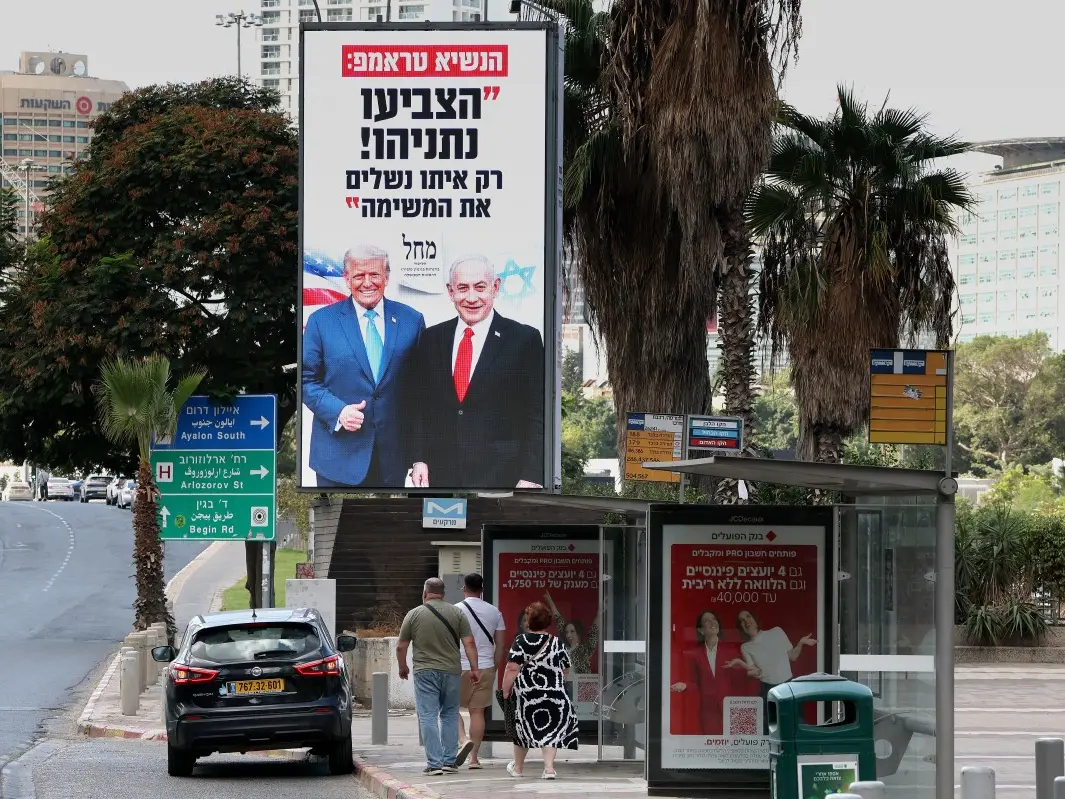&imwidth=280&imheight=210&format=webp&quality=medium)
&imwidth=280&imheight=210&format=webp&quality=medium)
&imwidth=280&imheight=210&format=webp&quality=medium)
&imwidth=280&imheight=210&format=webp&quality=medium)
&im=FitAndFill=(700,400)&imwidth=280&imheight=210&format=webp&quality=medium)
&imwidth=280&imheight=210&format=webp&quality=medium)
&imwidth=280&imheight=210&format=webp&quality=medium)
&imwidth=280&imheight=210&format=webp&quality=medium)
&imwidth=280&imheight=210&format=webp&quality=medium)
&imwidth=280&imheight=210&format=webp&quality=medium)
&imwidth=280&imheight=210&format=webp&quality=medium)
&imwidth=280&imheight=210&format=webp&quality=medium)
&imwidth=280&imheight=210&format=webp&quality=medium)
Defense officials familiar with the mission said any future phase of Project Freedom would involve directing commercial ships through a narrow corridor cleared of mines and protected by US naval forces and aircraft. Following the initial launch of the operation, Defense Secretary Pete Hegseth said on Tuesday that, “As a direct gift from the United States to the world, we have established a powerful red, white, and blue dome over the strait.” “American destroyers are on station, supported by hundreds of fighter jets, helicopters, drones, and surveillance aircraft, providing 24/7 overwatch for peaceful commercial vessels.”
Iran responded to the US operation by launching missiles and drones toward the United Arab Emirates. The attacks struck the Gulf nation’s only functioning oil-export hub. Saudi Arabia reportedly became increasingly worried that Washington would not respond strongly enough to future Iranian attacks after Chairman of the Joint Chiefs of Staff Gen. Dan Caine described Tehran’s actions against ships and the UAE as low-level harassment. Trump and Hegseth later stated that the ceasefire remained intact.
During the operation, US forces escorted two American-flagged ships out of the Persian Gulf. The mission also triggered clashes in which Iran launched cruise missiles and drones at US warships and commercial vessels. US forces intercepted the attacks and destroyed several Iranian fast-attack boats, though Iran reportedly succeeded in striking multiple non-American vessels. Tehran also launched 15 missiles and several drones at the UAE, hitting the oil hub at Fujairah. These marked the first direct attacks linked to Iran since the US-Iran ceasefire began last month.
Gulf states are now increasingly concerned that Iran may conclude it can target neighboring countries without facing serious consequences. Iran has denied responsibility for attacks against the UAE but warned of a “crushing response” if any military action was launched from the Gulf monarchy against Tehran.
Disclaimer: WION takes utmost care to accurately and responsibly report ongoing conflicts in West Asia involving Israel, Iran, the US, Gulf nations, and non-state actors like Hezbollah, Hamas, Houthis, Islamic State, and others. Claims and counterclaims, disinformation and misinformation are being made online and offline. Given this context, WION cannot independently verify the authenticity of all statements, social media posts, photos, and videos.

