Trump-Musk feud in out in the open AGAIN! Why is Tesla boss opposing US president's ‘big beautiful bill’? WION Explains

&imwidth=600&imheight=450&format=webp&quality=medium "Trump-Musk feud in out in the open AGAIN! Why is Tesla boss opposing US president's ‘big beautiful bill’? WION Explains")
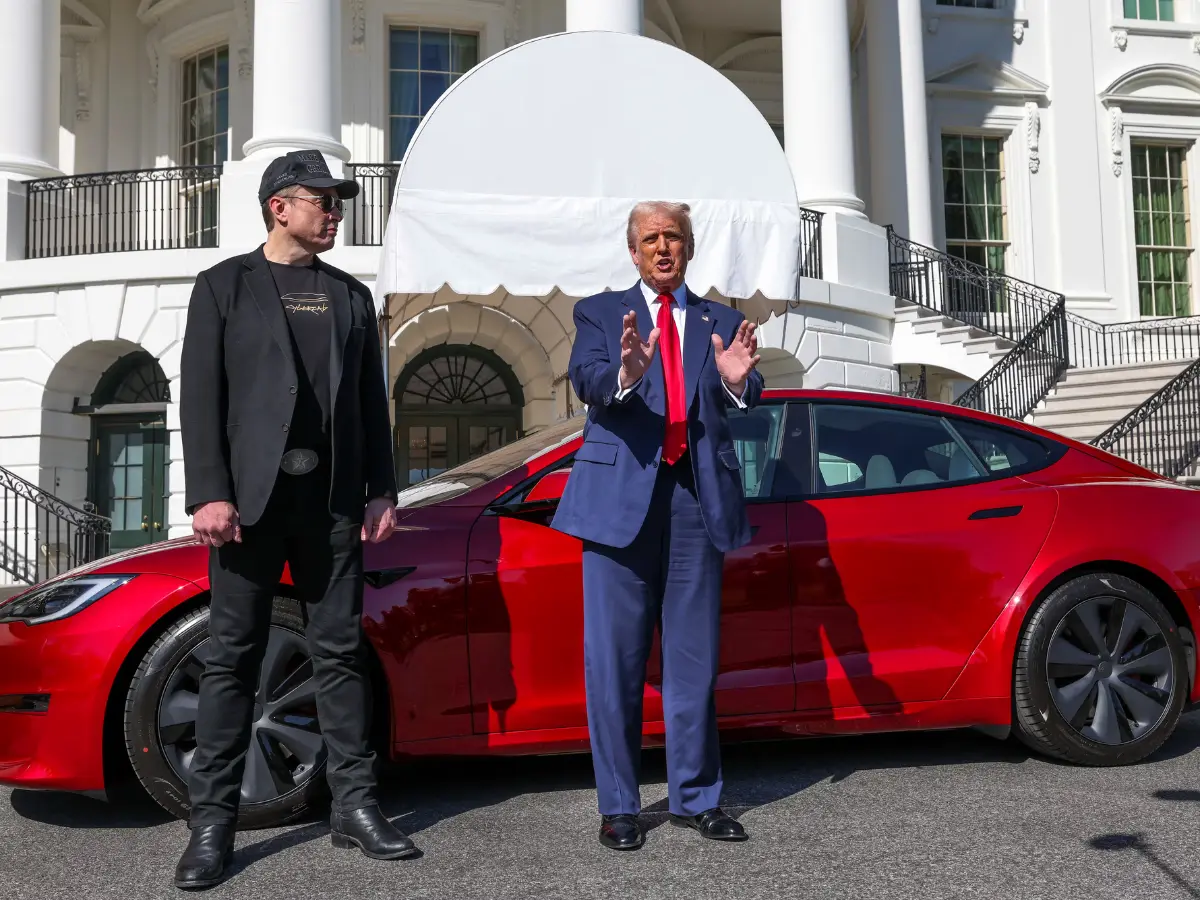
US President Donald Trump and Tesla boss Elon Musk Photograph: (Reuters)
While US President Donald Trump claims that the bill will increase defence budget and help secure the nation, tech giant Elon Musk claims that it will increase the debt ceiling, thus increasing the national debt and burdening the Americans. Both are right and wrong
Donald Trump and Elon Musk - once best buddies - are now again at war publically on 'big beautiful bill' as marathon voting session in the US Senate on the bill is underway on Tuesday. While Trump claims that the bill will increase defence budget and help secure the nation, Musk claims that it will increase the debt ceiling, thus increasing the national debt and burdening the Americans. While both Trump and Musk are right, the real reason why the two former best friends are facing off on the bill may be different from what is stated.
Why is Elon Musk opposing ‘big beautiful bill’?
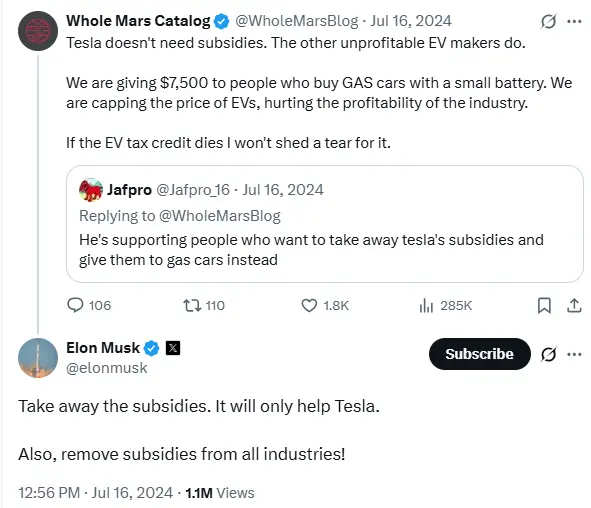
2. Secondly, the bill also threatens tax incentives for solar energy, battery storage, and clean grid infrastructure, which would negatively impact
Tesla’s growing energy business. “Abruptly ending the energy tax credits would threaten America’s energy independence and the reliability of our grid”, said Tesla’s solar power unit in its own post on X last month. “There is no change to tax incentives for oil & gas, just EV/solar,” said Musk in a follow-up post. Although Musk has criticised subsidies in the past, in this case, he sees the bill as a politically driven attack on clean energy, favouring the fossil fuel industry over technological innovation. He said in a post last month, ”It’s a fossil fuel protection act in disguise.”
3. Another crucial point regarding the bill is a clause that includes a "special rule" to keep IRA tax credits in place through "taxable year" 2026 but only for automakers that haven't yet sold 200,000 EV units by the end of 2025. Investors dot com pointed out that this would be beneficial for Rivian, Lucid and other EV startups while Tesla, General Motors, Ford and others would not be able to take advantage.
Trending Stories
&imwidth=280&imheight=210&format=webp&quality=medium)
&imwidth=280&imheight=210&format=webp&quality=medium)
&imwidth=280&imheight=210&format=webp&quality=medium)
&imwidth=280&imheight=210&format=webp&quality=medium)
&imwidth=280&imheight=210&format=webp&quality=medium)
&imwidth=280&imheight=210&format=webp&quality=medium)
&imwidth=280&imheight=210&format=webp&quality=medium)
&imwidth=280&imheight=210&format=webp&quality=medium)
&imwidth=280&imheight=210&format=webp&quality=medium)
&imwidth=280&imheight=210&format=webp&quality=medium)
&imwidth=280&imheight=210&format=webp&quality=medium)
&imwidth=280&imheight=210&format=webp&quality=medium)
&imwidth=280&imheight=210&format=webp&quality=medium)
&imwidth=280&imheight=210&format=webp&quality=medium)
&imwidth=280&imheight=210&format=webp&quality=medium)
&imwidth=280&imheight=210&format=webp&quality=medium)
&imwidth=280&imheight=210&format=webp&quality=medium)
&imwidth=280&imheight=210&format=webp&quality=medium)
&imwidth=280&imheight=210&format=webp&quality=medium)
&imwidth=280&imheight=210&format=webp&quality=medium)
&imwidth=280&imheight=210&format=webp&quality=medium)
&imwidth=280&imheight=210&format=webp&quality=medium)
&im=FitAndFill=(700,400)&imwidth=280&imheight=210&format=webp&quality=medium)
&imwidth=280&imheight=210&format=webp&quality=medium)
&imwidth=280&imheight=210&format=webp&quality=medium)
&imwidth=280&imheight=210&format=webp&quality=medium)
&imwidth=280&imheight=210&format=webp&quality=medium)
&im=FitAndFill=(700,400)&imwidth=280&imheight=210&format=webp&quality=medium)
&imwidth=280&imheight=210&format=webp&quality=medium)
&imwidth=280&imheight=210&format=webp&quality=medium)
&imwidth=280&imheight=210&format=webp&quality=medium)
&im=FitAndFill=(700,400)&imwidth=280&imheight=210&format=webp&quality=medium)
&imwidth=280&imheight=210&format=webp&quality=medium)
&imwidth=280&imheight=210&format=webp&quality=medium)
4. Moreover, the House-passed tax and spending bill would not only repeal many EV incentives, but it also includes a provision for the Federal Highway Administration to impose a $250 annual fee registration for an EV vehicle and a $100 annual fee for hybrid vehicles. This proposal aims to ensure that EV owners, contribute to road maintenance, as the current funding model relies heavily on gasoline taxes which EVs bypass. Supporters argue it's a necessary step for fairness and infrastructure funding, critics worry it could hinder EV adoption and contradict climate goals.

