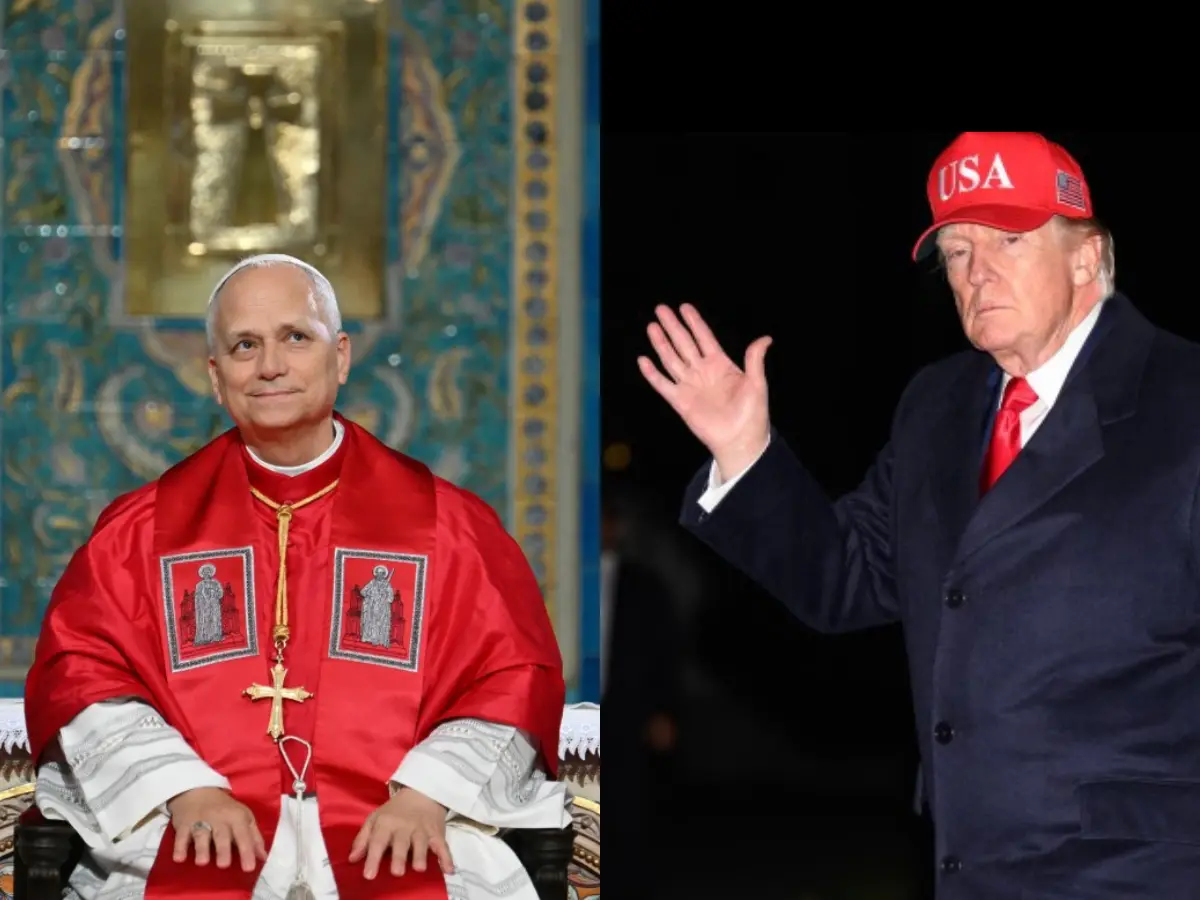
Trump deletes AI image depicting him as Jesus after backlash from his own base

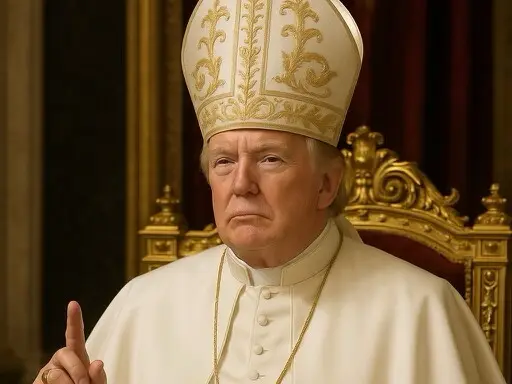&imwidth=600&imheight=450&format=webp&quality=medium "Trump deletes AI image depicting him as Jesus after backlash from his own base")
Trump deletes AI image depicting him as Jesus after backlash from his own base Photograph: (AI generated image)
Trump denied that the image was meant to portray him as Jesus. “I thought it was me as a doctor, making people better,” he said, adding that the intention was linked to healing, not religion.
US President Donald Trump on Monday (April 13) deleted an AI-generated image from his Truth Social account after it remained online for nearly 13 hours, following sharp backlash from his own support base, particularly religious conservatives who called the post “sacrilegious” and “blasphemous”.
The image showed Trump in flowing white robes, holding a glowing orb while placing his hand on the forehead of a sick man in a hospital bed, closely resembling traditional depictions of Jesus Christ performing a healing miracle.
The background featured religious and patriotic imagery, including the Statue of Liberty, an eagle and fighter jets.
The controversy comes amid heightened tensions over remarks by the Pope, who recently warned against a “delusion of omnipotence” while calling for peace in the ongoing Iran conflict. Trump responded by criticising the pontiff on social media, calling him “weak on crime” and accusing him of undermining US interests.
Trump denies intent, backlash spreads
Responding to questions, Trump denied that the image was meant to portray him as Jesus. “I thought it was me as a doctor, making people better,” he said, adding that the intention was linked to healing, not religion.
Trending Stories
&im=FitAndFill=(700,400)&imwidth=280&imheight=210&format=webp&quality=medium)
&imwidth=280&imheight=210&format=webp&quality=medium)
&imwidth=280&imheight=210&format=webp&quality=medium)
&imwidth=280&imheight=210&format=webp&quality=medium)
&imwidth=280&imheight=210&format=webp&quality=medium)
&imwidth=280&imheight=210&format=webp&quality=medium)
&imwidth=280&imheight=210&format=webp&quality=medium)
&imwidth=280&imheight=210&format=webp&quality=medium)
&imwidth=280&imheight=210&format=webp&quality=medium)
&imwidth=280&imheight=210&format=webp&quality=medium)
&imwidth=280&imheight=210&format=webp&quality=medium)
&imwidth=280&imheight=210&format=webp&quality=medium)
&imwidth=280&imheight=210&format=webp&quality=medium)
&imwidth=280&imheight=210&format=webp&quality=medium)
&imwidth=280&imheight=210&format=webp&quality=medium)
&imwidth=280&imheight=210&format=webp&quality=medium)
&imwidth=280&imheight=210&format=webp&quality=medium)
&imwidth=280&imheight=210&format=webp&quality=medium)
&imwidth=280&imheight=210&format=webp&quality=medium)
&im=FitAndFill=(700,400)&imwidth=280&imheight=210&format=webp&quality=medium)
&imwidth=280&imheight=210&format=webp&quality=medium)
&imwidth=280&imheight=210&format=webp&quality=medium)
&imwidth=280&imheight=210&format=webp&quality=medium)
&imwidth=280&imheight=210&format=webp&quality=medium)
&im=FitAndFill=(700,400)&imwidth=280&imheight=210&format=webp&quality=medium)
&imwidth=280&imheight=210&format=webp&quality=medium)
&imwidth=280&imheight=210&format=webp&quality=medium)
&imwidth=280&imheight=210&format=webp&quality=medium)
&imwidth=280&imheight=210&format=webp&quality=medium)
&imwidth=280&imheight=210&format=webp&quality=medium)
&imwidth=280&imheight=210&format=webp&quality=medium)
&imwidth=280&imheight=210&format=webp&quality=medium)
&imwidth=280&imheight=210&format=webp&quality=medium)
&imwidth=280&imheight=210&format=webp&quality=medium)
&imwidth=280&imheight=210&format=webp&quality=medium)
Despite the clarification, the post triggered strong reactions from prominent conservative Christian voices, traditionally among Trump’s core supporters.
Critics argued that the imagery crossed religious boundaries and reflected poor judgment.
This is not the first time Trump has shared religious-themed content. During his 2023 bank fraud trial, he posted artwork showing himself seated beside Jesus in a courtroom. His allies have also occasionally framed him in messianic terms.
World leaders react
The fallout extended beyond America's religious right, with Italian Prime Minister Giorgia Meloni, navigating the delicate balance between her alliance with Washington and the deep Catholic sentiments of her electorate, initially issuing a cautious statement supporting the Pope's "mission of peace" without naming Trump directly, before her office later described the verbal attacks on the Pope as "unacceptable" after coming under domestic pressure.
In a surprising turn, Iran too weighed in, with a government spokesperson condemning the image and stating that the "desecration" of Jesus, who is revered as a prophet in Islam, was "unacceptable to any free person," making it a rare moment in which Tehran and Trump's own conservative base found themselves on the same side of an argument.