
&imwidth=800&imheight=600&format=webp&quality=medium "Trump confirms secret call with Maduro. What was really said?")
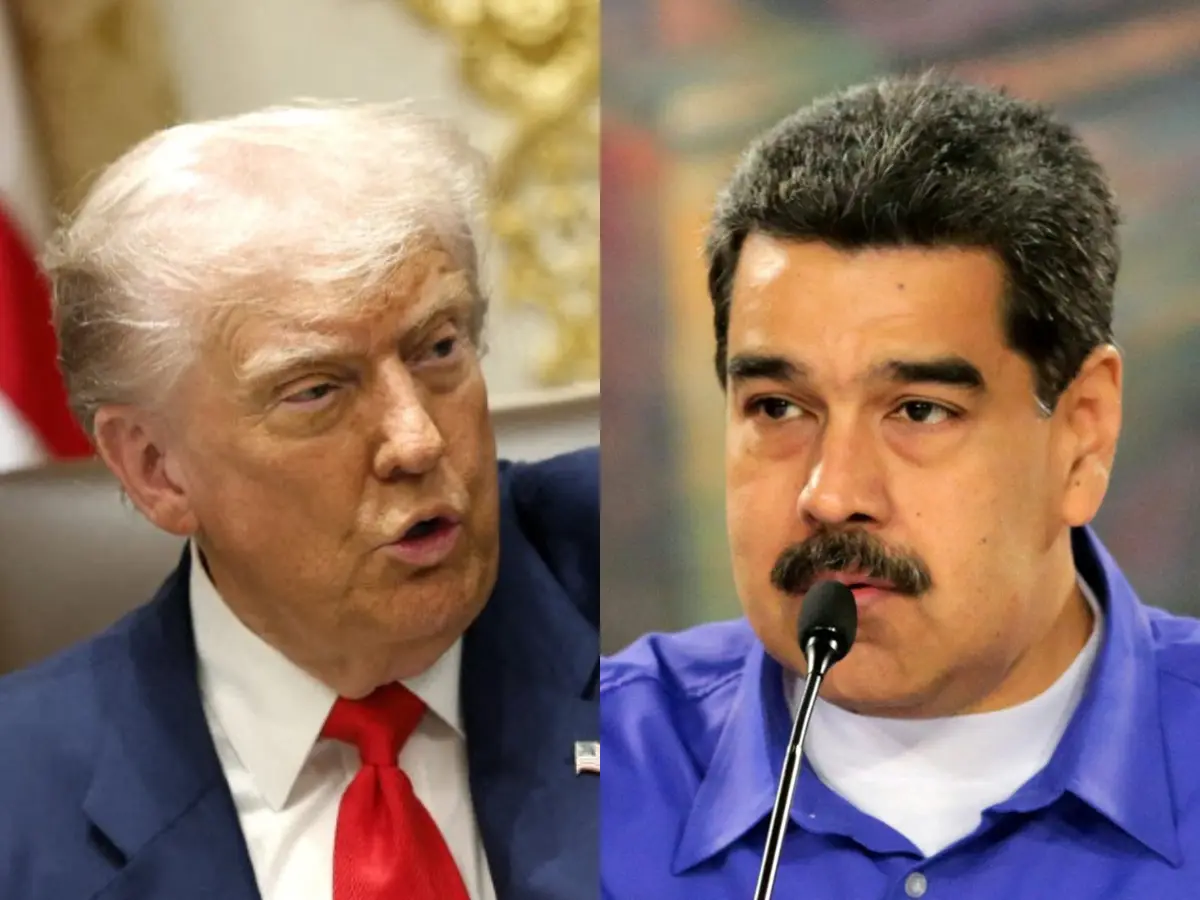
US President Donald Trump confirmed on Sunday (Nov 30) that he recently spoke with Venezuelan leader Nicolas Maduro. The revelation comes amid the sharpest tension in years between Washington and Caracas. The call was reportedly brief, and Trump refused to reveal whether it "went well or badly". While talking to reporters aboard Air Force One, he said, "I wouldn't say it went well or badly. It was a phone call", offering little detail beyond the acknowledgement itself.
What did Trump-Maduro talk about?
The New York Times reported days earlier that the two leaders discussed conditions for a potential face-to-face meeting, while the Wall Street Journal said the call touched on possible amnesty should Maduro were to step down. On Sunday, Republican Senator Markwayne Mullin, while appearing on CNN's "State of the Union" talk show, said that the US has offered Maduro the chance to leave his country for Russia or elsewhere.

Also read | Trump signals new push to choke off drug flow, says land crackdowns against Venezuela are coming 'very soon'
Attack or anti-narcotics operation?
Caracas, meanwhile, has accused the United States of preparing for an attack. Venezuelan officials point to an expanding deployment of US naval and air assets in nearby waters, as well as statements from Washington claiming Venezuelan airspace is now effectively closed. US officials, however, insist that the build-up was part of a sweeping anti-drug operation launched in September, aimed at shutting down trafficking routes.
Trending Stories
)
Why asking questions could be more important than memorising answers
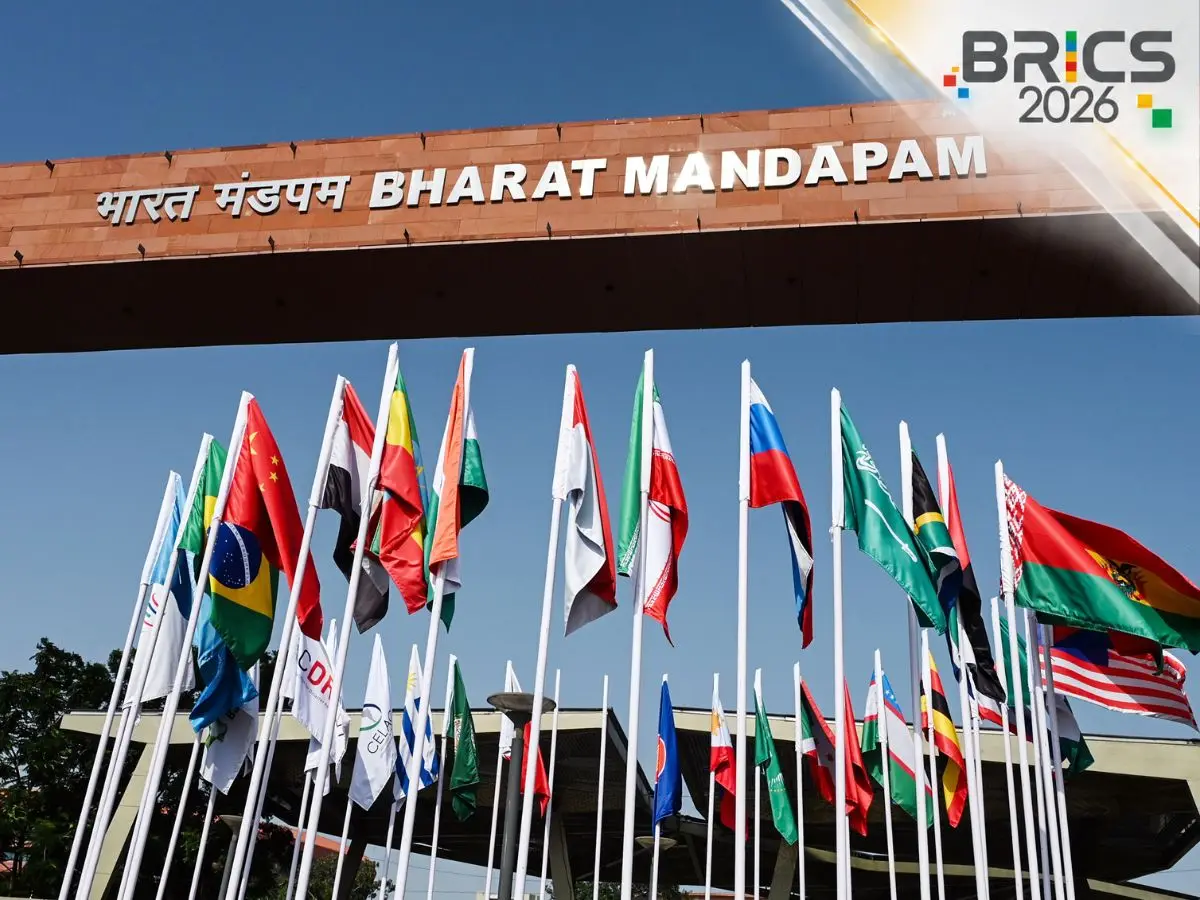)
BRICS Summit 2026 full schedule: Day-wise agenda, timings and key issues - All you need to know
)
BRICS Summit 2026: Iran's Pezeshkian praises PM Modi at BRICS
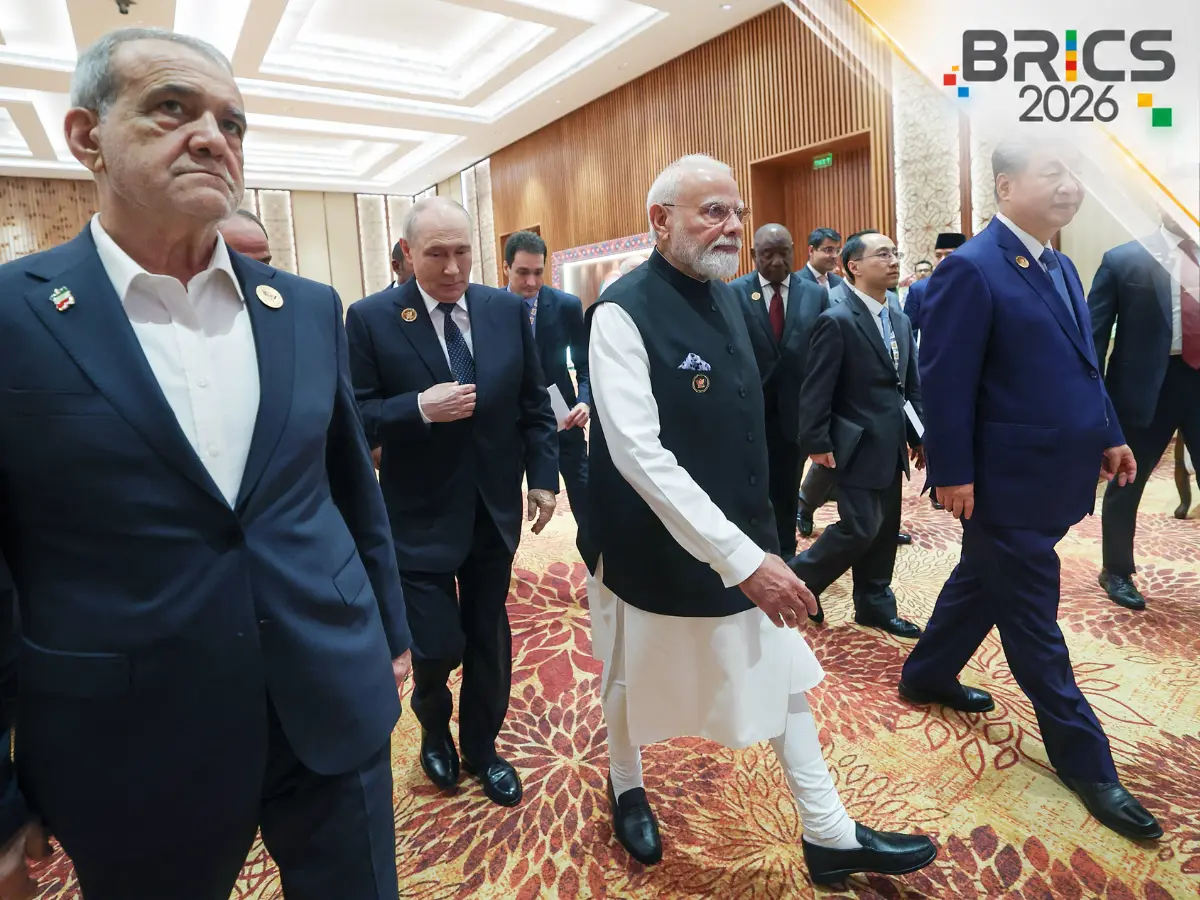)
'Iran won't surrender': Pezeshkian sends blunt message to US while attending BRICS Summit in India
)
Why dehydration is the hidden cause of travel fatigue on long flights
)
Top 5 places to visit in Goa beyond its famous beaches
)
'He is popular...': Malaysian PM Anwar Ibrahim's praise for PM Modi during bilateral meeting | WATCH
)
BRICS Summit 2026: 30+ countries seek BRICS membership
)
Frustrated man demolishes his kitchen after thousands flock to see Mother Mary his wife spotted on the wall
)
BRICS Summit 2026: PM Modi, Xi reach key consensus on ties, China to assume BRICS chairmanship in 2027
)
Trump says Canada eager to reach a deal, it could come ‘fairly soon’ if Ottawa treats US farmers better
)
From drones to KAAN fighters: Turkey outlines 229% surge in defence spending amid regional shifts
)
‘Partners, not rivals’: Xi outlines four point plan for stronger India-China ties
)
Could staying indoors all day affect your health?
)
Bigg Boss 20: Uditi Singh reacts to ex Karan Wahi’s possible wildcard entry
)
Why going digital does not always mean becoming more efficient
)
800 million years old - Scientists discover 'fingerprints' of supercontinent Gondwana in ancient rocks
)
ENG vs PAK: Joe Root breaks Sachin Tendulkar’s record for most Test fifties
)
Israel spent nearly $470,000 on PM's hair, makeup since 2019, data shows
)
From severe mobility problems to recovery: Madhuri the elephant’s journey of wildlife care
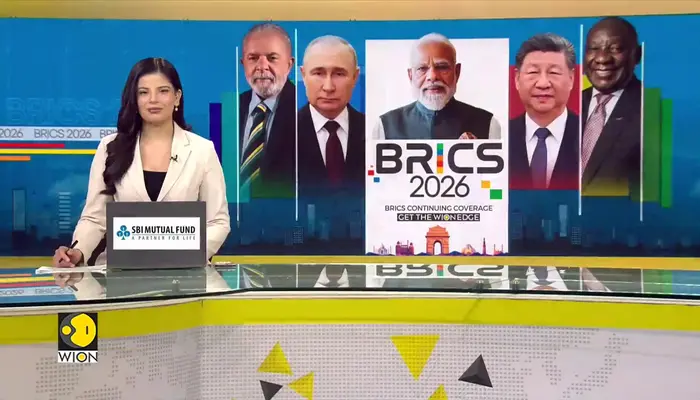)
BRICS Summit day 1: New Delhi declaration adopted with full consensus, big diplomatic win for India
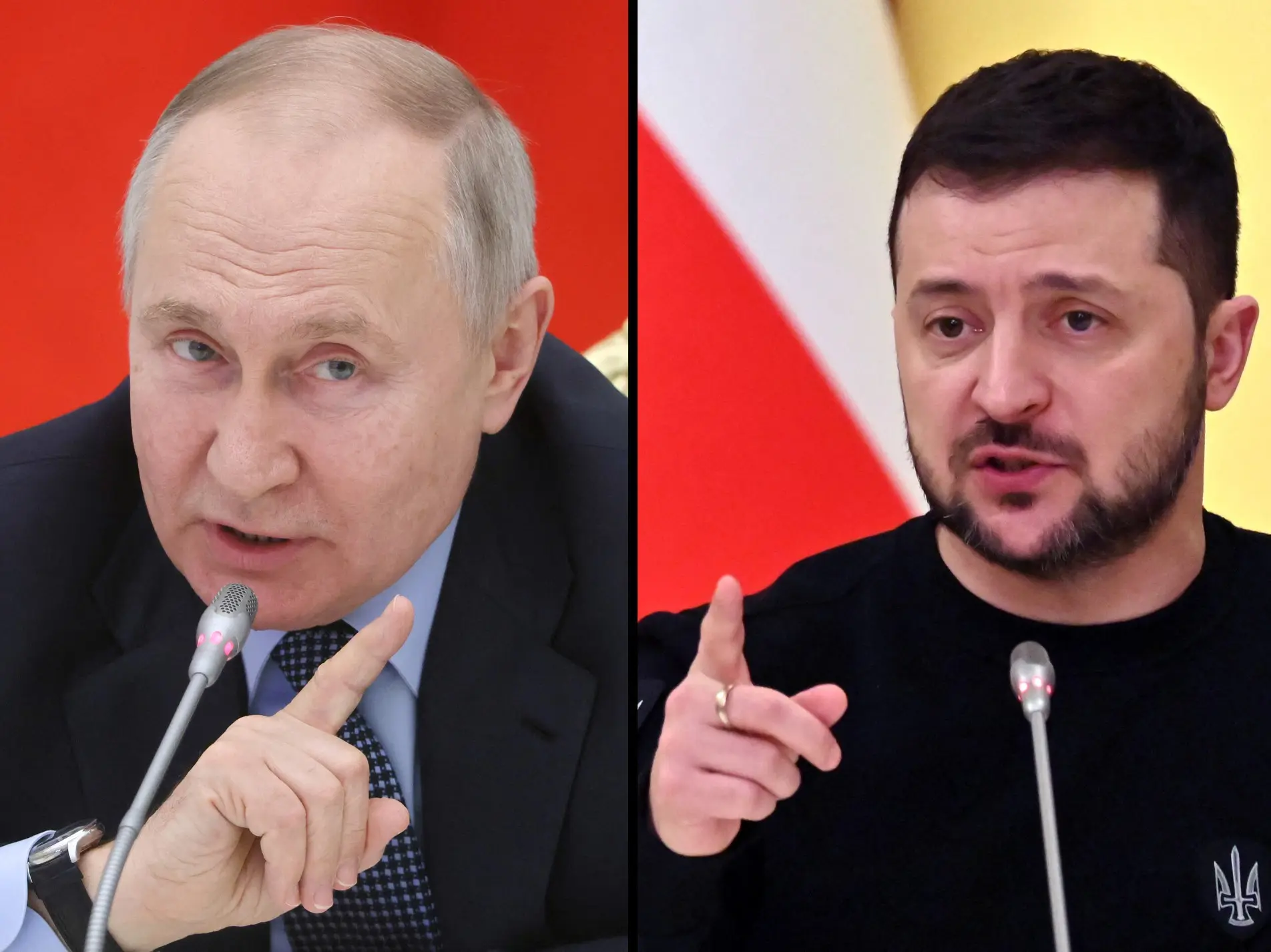)
From India, Putin warns Europe against sending troops to Ukraine, Zelensky expresses willingness to meet him at G20 Summit
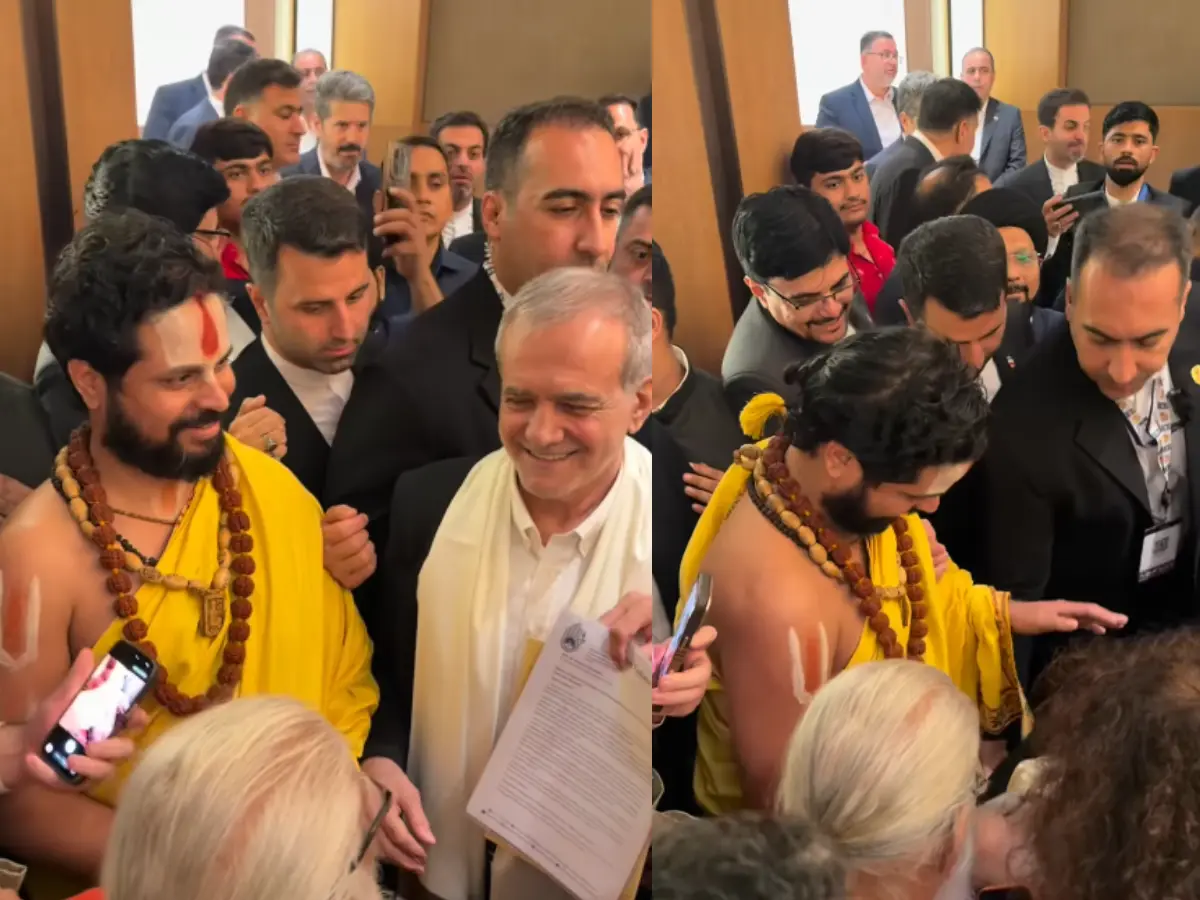)
Did Iran President Pezeshkian touch feet of Hindu spiritual leader at Delhi event as shown in viral video?
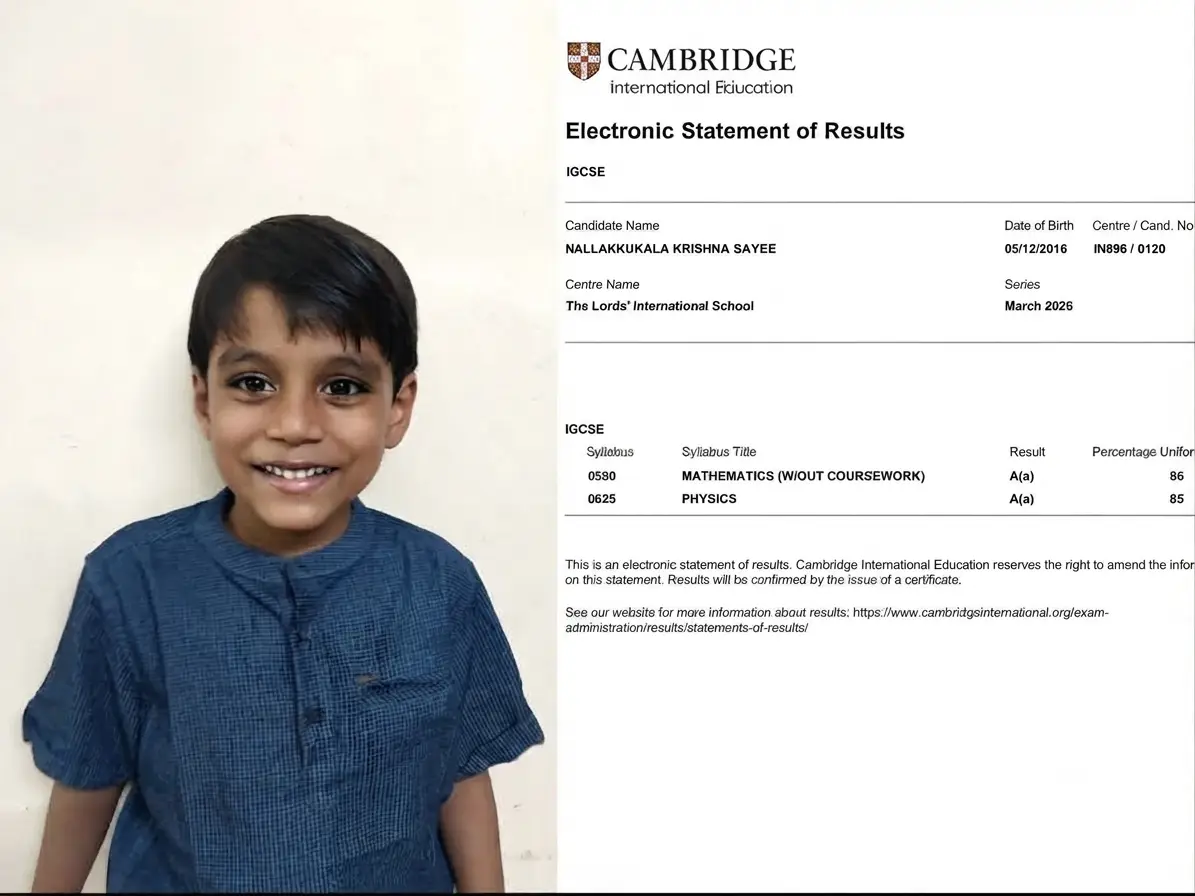)
9-year-old Chennai prodigy clears Cambridge IGCSE grade 10 exams
)
9/11 attack anniversary: The day that changed America forever
)
Why does your body need time to adjust after a long journey?
)
Baba Vanga's first prophecy for 2027 is out, and straight out of science fiction
)
Why does your skin need protection from UV rays?
)
How does the loss of forests affect the way wildlife lives and moves?
)
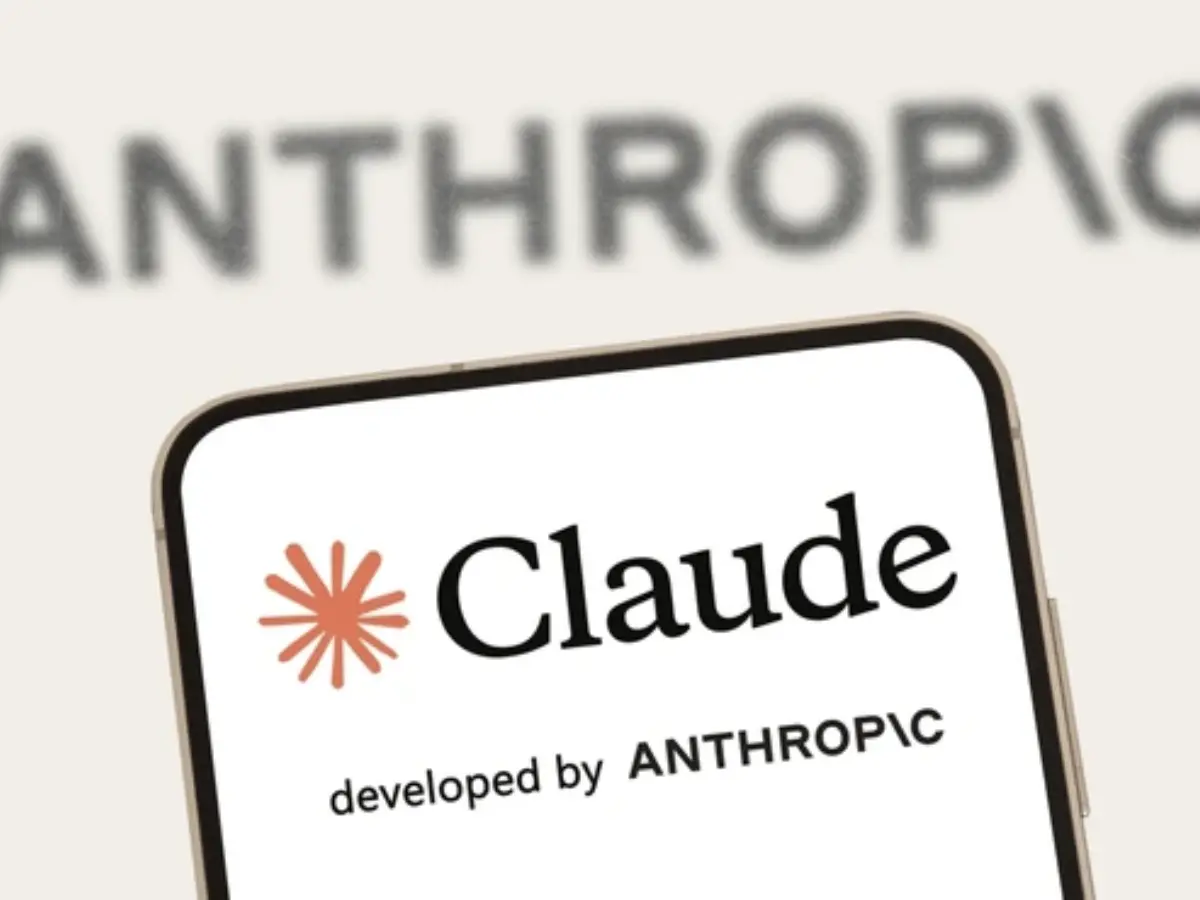
IND vs AFG, 1st T20I: When and where to watch live streaming in India?
)
Anthropic is giving Claude to schools free, and the reason is not philanthropy
)
BRICS Summit: China resumes Guangzhou-New Delhi flight, issues 'good-neighbourliness' remark ahead of Xi-Modi meet
)
Why do wild animals need quiet places to survive?
)
Humans may lose control of AI: Anthropic CEO calls for slowdown, Altman, Musk back him
Trump has framed the mission as a crackdown on what Washington calls the "Cartel of the Suns," a group it claims is run by Maduro and senior figures in Venezuela’s security forces. The US has even offered a $50 million reward for Maduro’s capture. However, Venezuelan officials and experts say the cartel is more rumour than fact and insist that it refers to the corruption of senior officials by criminal gangs.
Venezuela seeks OPEC's help
Inside Venezuela, the government is moving to shore up political support abroad. Maduro has formally asked Organization of the Petroleum Exporting Countries (OPEC) to intervene and help "stop this (American) aggression, which is being readied with more and more force." In a letter to the group, Maduro alleged Washington "is trying to seize Venezuela's vast oil reserves, the biggest in the world, by using military force," Maduro wrote in the letter.

