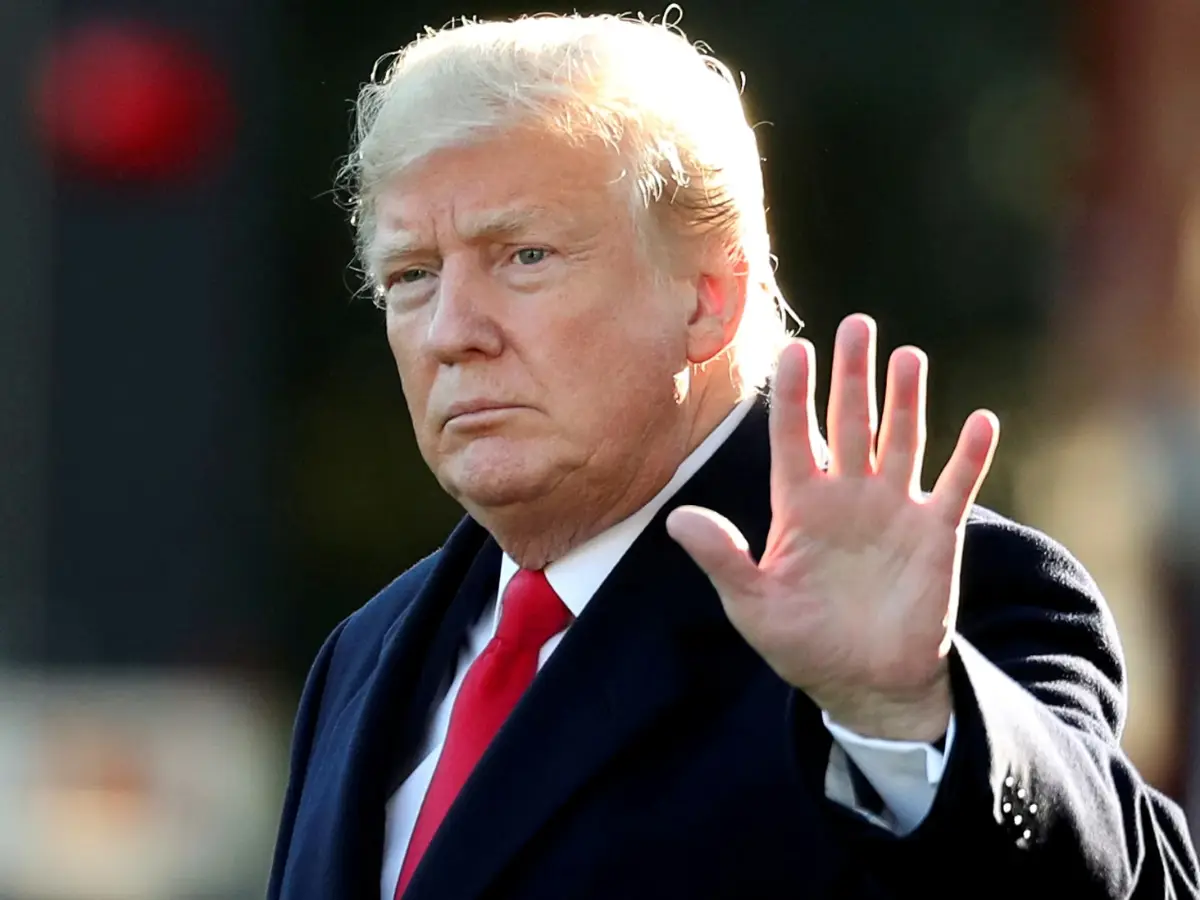
Trump blocks deportation of South Korean Hyundai workers after US factory raid; urges Koreans to 'train Americans'

&imwidth=600&imheight=450&format=webp&quality=medium "Trump blocks deportation of South Korean Hyundai workers after US factory raid; urges Koreans to 'train Americans'")
Trump blocks deportation of South Korean Hyundai workers after US factory raid Photograph: (Reuters)
Over 300 South Korean workers were detained in a US immigration raid at a Hyundai–LG plant. Trump intervened to stop deportations, urging they stay to train American workers, prompting diplomatic concerns.
More than 300 South Korean workers were detained during a raid by US immigration authorities at a Hyundai–LG battery plant under construction in Ellabell, Georgia. Homeland Security Investigations described the operation as part of a “criminal investigation into allegations of unlawful employment practices and serious federal crimes.” The detentions sparked diplomatic concern in Seoul, with fears that the move could strain business ties between South Korea and the United States.
Trump’s intervention
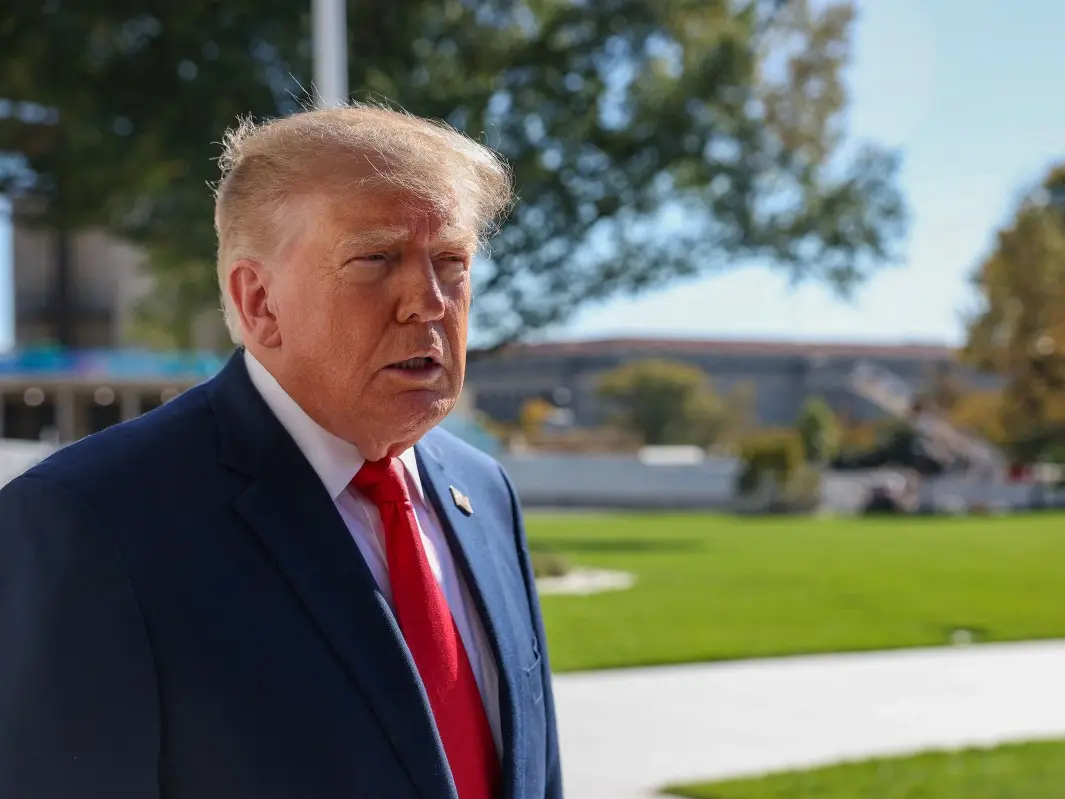
According to the Financial Times, US President Donald Trump personally ordered that the workers should not be deported. Instead, he reportedly asked officials to “encourage” them to stay in the country and help train American staff. A South Korean foreign ministry official said Trump had suggested the workers remain “to continue to train or educate Americans.” Although a charter flight had been prepared to send the group back, Trump’s order delayed its departure, Seoul confirmed.
Seoul’s response
South Korean Foreign Minister Cho Hyun, who was in Washington for talks with US Secretary of State Marco Rubio, proposed that the workers should first return home to recover and then come back if they wished. Meanwhile, South Korean President Lee Jae Myung warned that the raid could hurt business confidence. He said companies would hesitate to invest in the US without a proper visa system to support their employees.
Trending Stories
&imwidth=280&imheight=210&format=webp&quality=medium)
&im=FitAndFill=(700,400)&imwidth=280&imheight=210&format=webp&quality=medium)
&imwidth=280&imheight=210&format=webp&quality=medium)
&imwidth=280&imheight=210&format=webp&quality=medium)
&imwidth=280&imheight=210&format=webp&quality=medium)
&imwidth=280&imheight=210&format=webp&quality=medium)
&imwidth=280&imheight=210&format=webp&quality=medium)
&imwidth=280&imheight=210&format=webp&quality=medium)
&imwidth=280&imheight=210&format=webp&quality=medium)
&imwidth=280&imheight=210&format=webp&quality=medium)
&imwidth=280&imheight=210&format=webp&quality=medium)
&imwidth=280&imheight=210&format=webp&quality=medium)
&imwidth=280&imheight=210&format=webp&quality=medium)
&imwidth=280&imheight=210&format=webp&quality=medium)
&imwidth=280&imheight=210&format=webp&quality=medium)
&imwidth=280&imheight=210&format=webp&quality=medium)
&imwidth=280&imheight=210&format=webp&quality=medium)
&imwidth=280&imheight=210&format=webp&quality=medium)
&imwidth=280&imheight=210&format=webp&quality=medium)
&imwidth=280&imheight=210&format=webp&quality=medium)
&imwidth=280&imheight=210&format=webp&quality=medium)
&im=FitAndFill=(700,400)&imwidth=280&imheight=210&format=webp&quality=medium)
&imwidth=280&imheight=210&format=webp&quality=medium)
&im=FitAndFill=(700,400)&imwidth=280&imheight=210&format=webp&quality=medium)
&imwidth=280&imheight=210&format=webp&quality=medium)
&imwidth=280&imheight=210&format=webp&quality=medium)
&imwidth=280&imheight=210&format=webp&quality=medium)
&imwidth=280&imheight=210&format=webp&quality=medium)
&imwidth=280&imheight=210&format=webp&quality=medium)
&imwidth=280&imheight=210&format=webp&quality=medium)
&imwidth=280&imheight=210&format=webp&quality=medium)
&imwidth=280&imheight=210&format=webp&quality=medium)
&imwidth=280&imheight=210&format=webp&quality=medium)
&imwidth=280&imheight=210&format=webp&quality=medium)
Concerns over investment in the US
President Lee noted that South Korea plans to send workers home on a charter flight, while also urging discussions on improving the US visa process. “After the detentions, South Korean companies can’t help but question whether setting up a plant in the US is worth the potential risks. This could have a significant impact on future investment decisions, particularly when evaluating the feasibility of direct operations in the US,” Lee said.
He suggested that cultural misunderstandings partly explained the situation, pointing out that in South Korea, Americans teaching English while on tourist visas was not considered “a serious issue.”
