The Capitals: Tehran's retaliation for Damascus strike; BJP's 'Vishwa Bandhu' pitch for New Delhi; and more


A reuters image of Iranian Supreme Leader Ali Khamenei alongside India's PM Narendra Modi
Twoweeks after a deadly strike on Iran's embassy in Syria's capital Damascus killed General Mohammed Reza Zahedi— one of the top commanders of the Quds Force, the overseas arm of the Islamic Revolutionary Guard Corps (IRGC)— Tehran launched an unprecedented attack on Israel, whose impact the world's only Jewish state managed to withhold due to its incredible advanced air-defence system.
Iran launched some 185 drones, 110 surface-to-surface missiles, and 36 cruise missiles at Israel. Most of the launches were from Iran but a small portion came from Iraq and Yemen. But 99 per cent of them were destroyed while in-air, Israel said and the US and western forces later confirmed.
A veteran of the Iran-Iraq war and a former confidant of Qassem Soleimani, the Quds Force chief who was assassinated by the US in Baghdad in January 2020, Gen. Zahedi was in charge of the IRGC’s operations in Lebanon and Syria, two critical theatres where Iran has built deep influence through its network of proxy Shia militias.

Iran has lost a number of senior IRGC figures since the beginning of war in Gaza after October 7 last year. Gen. Zahedi's loss was another bodily blow for the Shia powerhouse.
Tehran said it told its neighbours 72 hours in advance of its plans to attack Israel.
Meanwhile,President Joe Biden informed Israel's Prime Minister Benjamin Netanyahu in a phone call overnight that the US would not participate in retaliatory action.
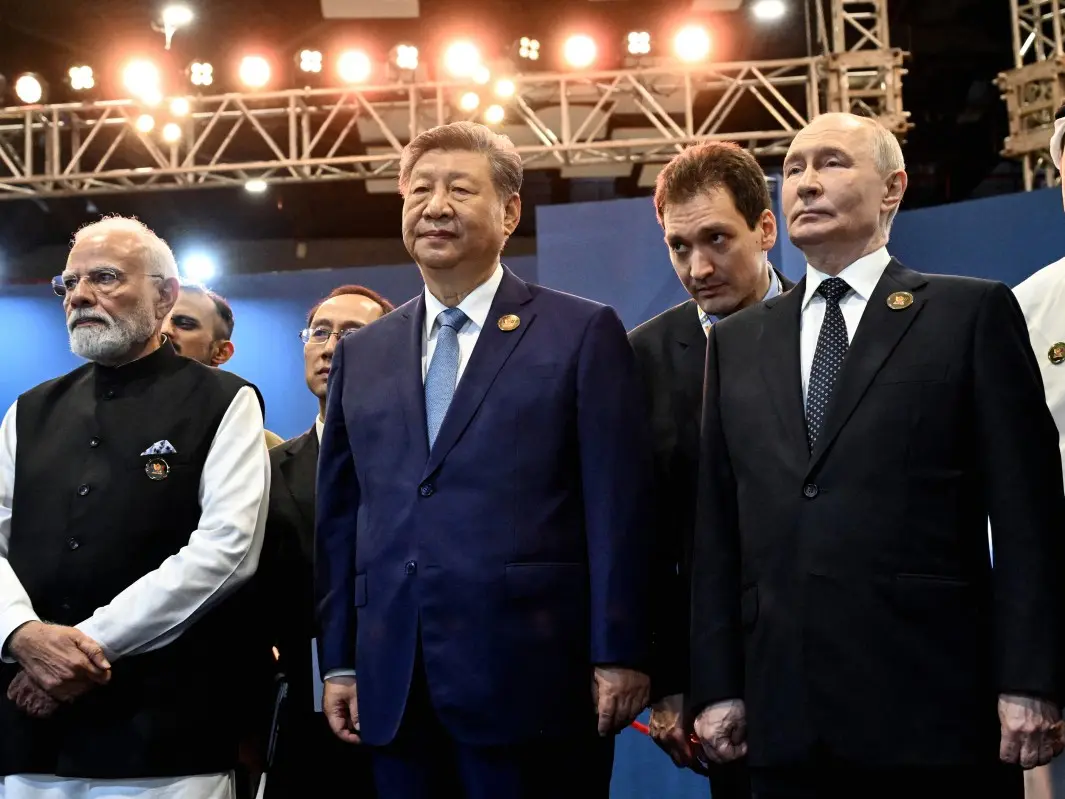)
Did India risk its US trade deal despite softer stance at BRICS?
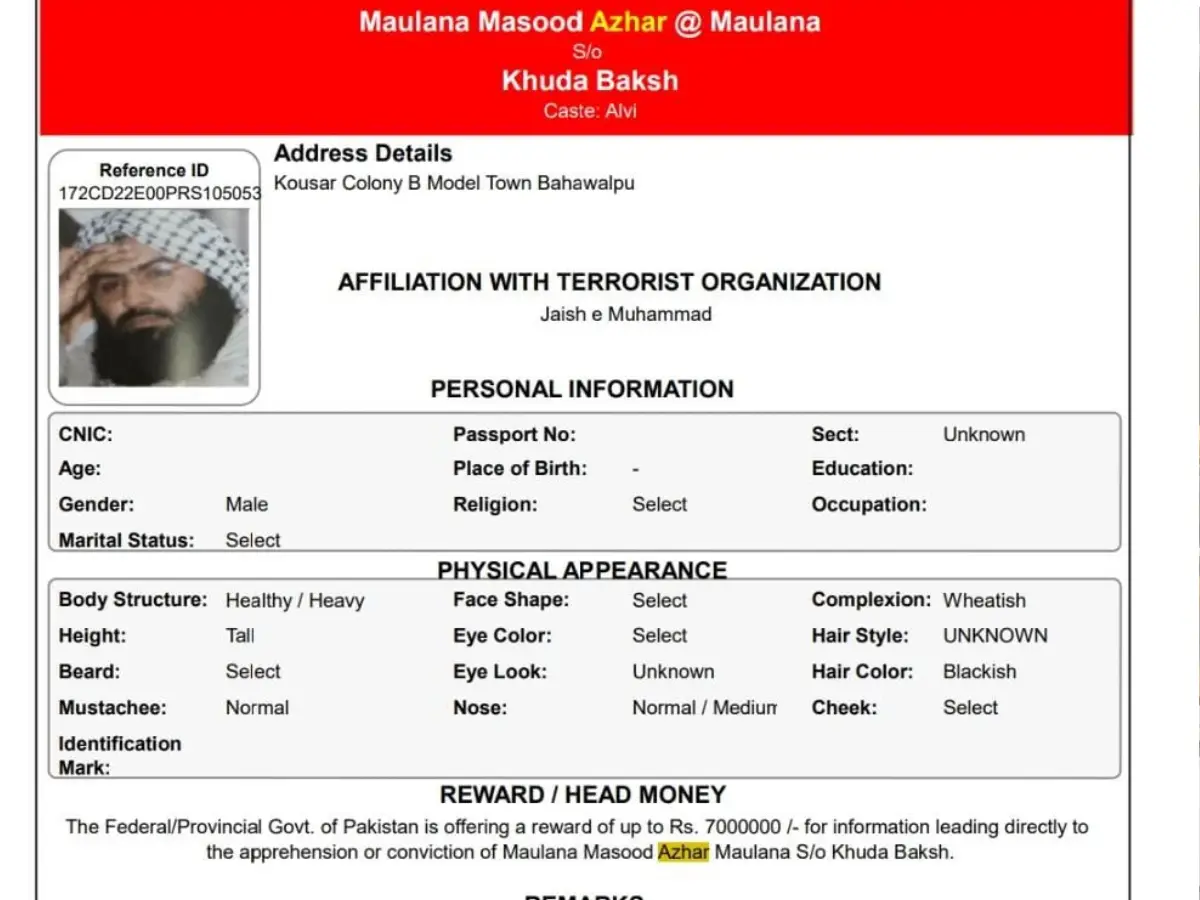)
Pakistan puts Pak Rs 70 lakh bounty on UN terrorist Masood Azhar; move draws skepticism in Delhi
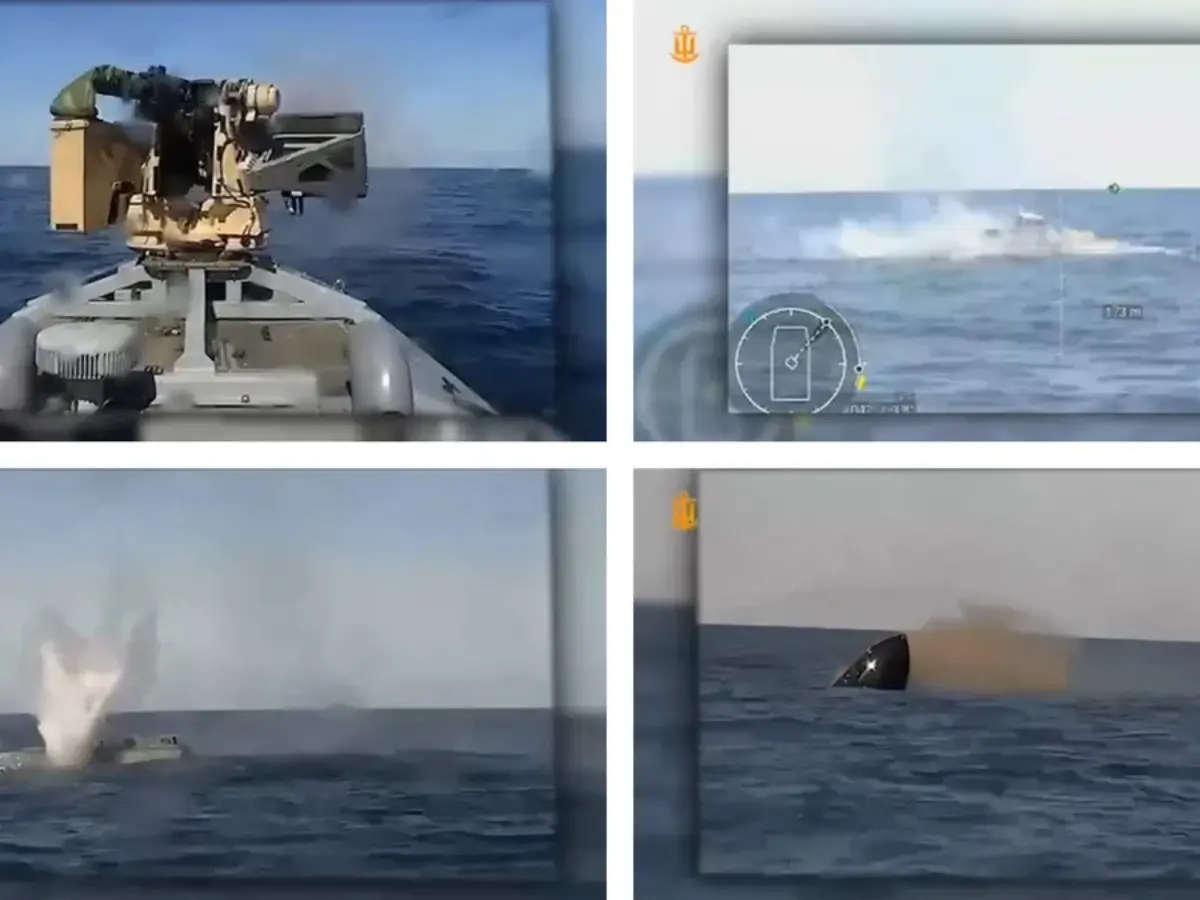)
First naval drone battle? Ukraine says Sargan 3000 sank Russian unmanned boat
)
Practical Magic 2 breaks Spidey spell over North American box office
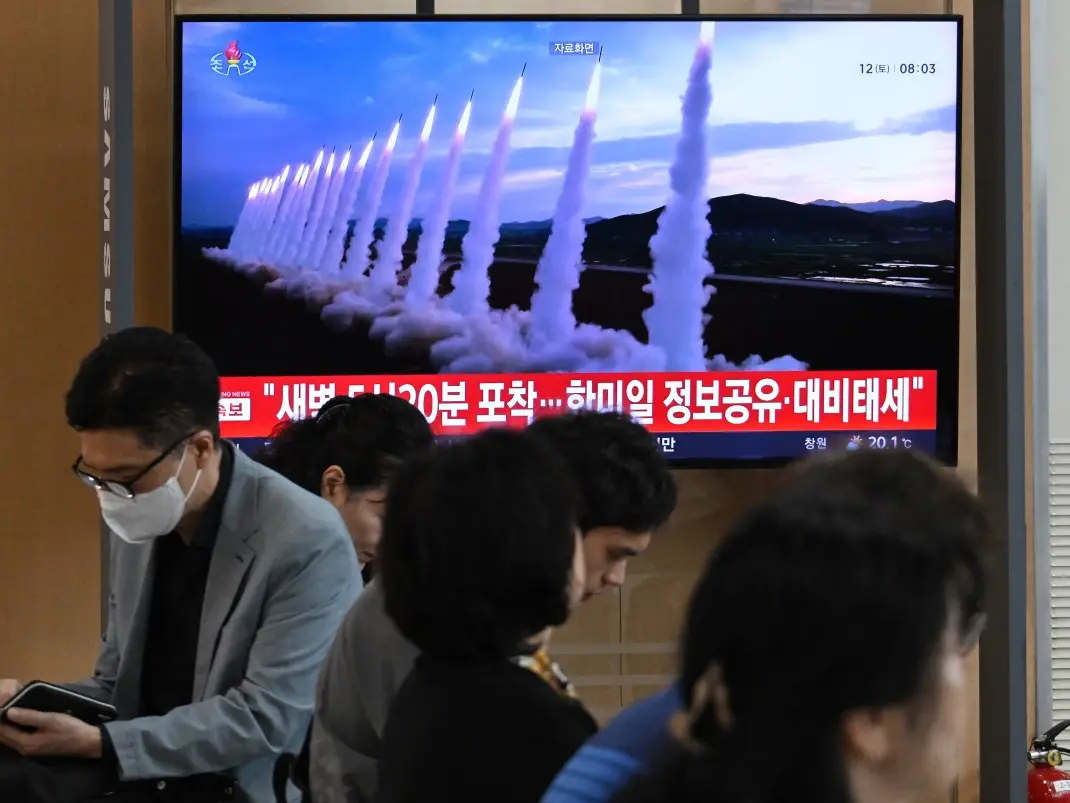)
'Huge destructive power': North Korea calls its latest missile launches 'live-fire drill' even as US dismisses 'immediate threat'
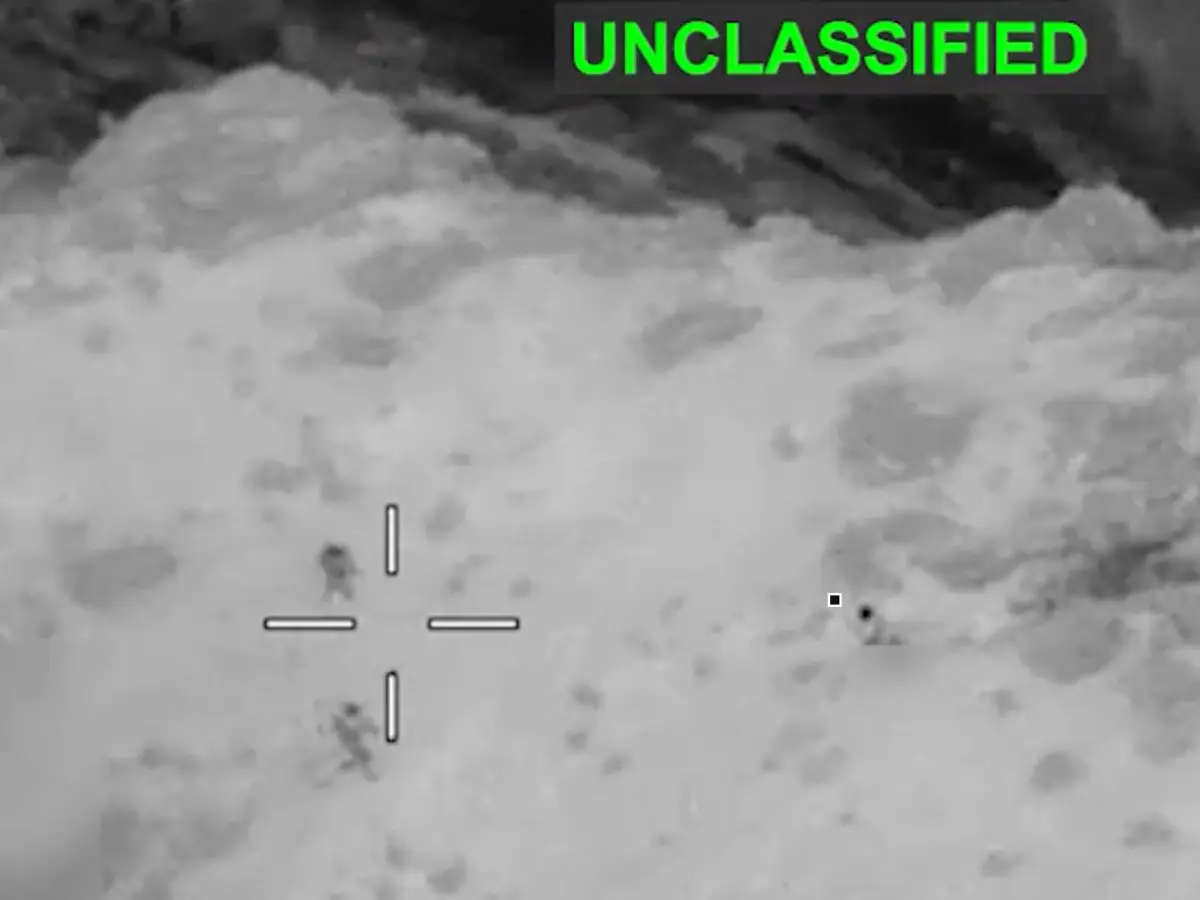)
‘Let’s go’: Newly declassified videos show dramatic rescue of US Air Force officers downed in Iran
)
Ganesh Chaturthi 2026: Devotees throng the iconic Lalbaugcha Raja pandal in Mumbai
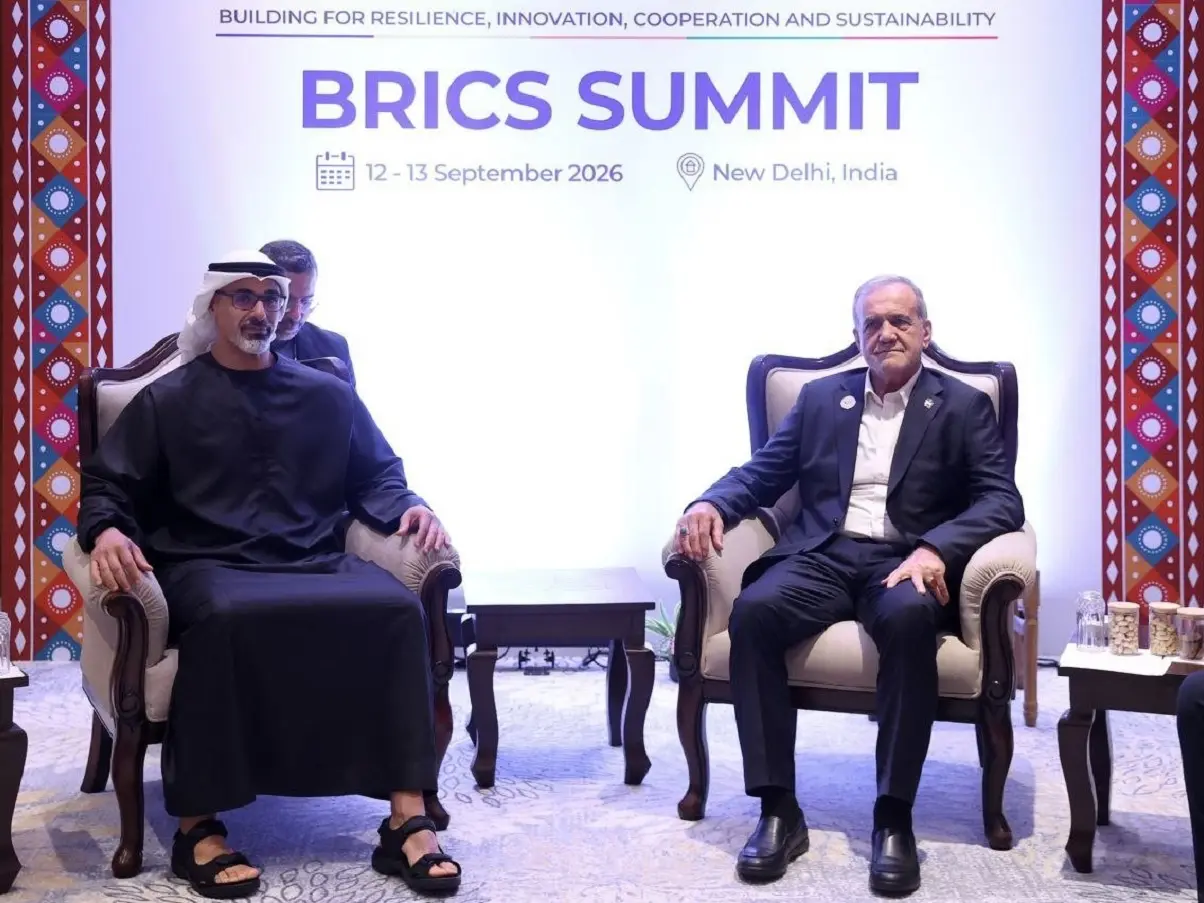)
Delhi’s balancing act: BRICS serves as a stage for West Asia diplomacy
&im=FitAndFill=(700,400))
Why European Meteor missiles use ramjet engines compared to standard US solid rockets
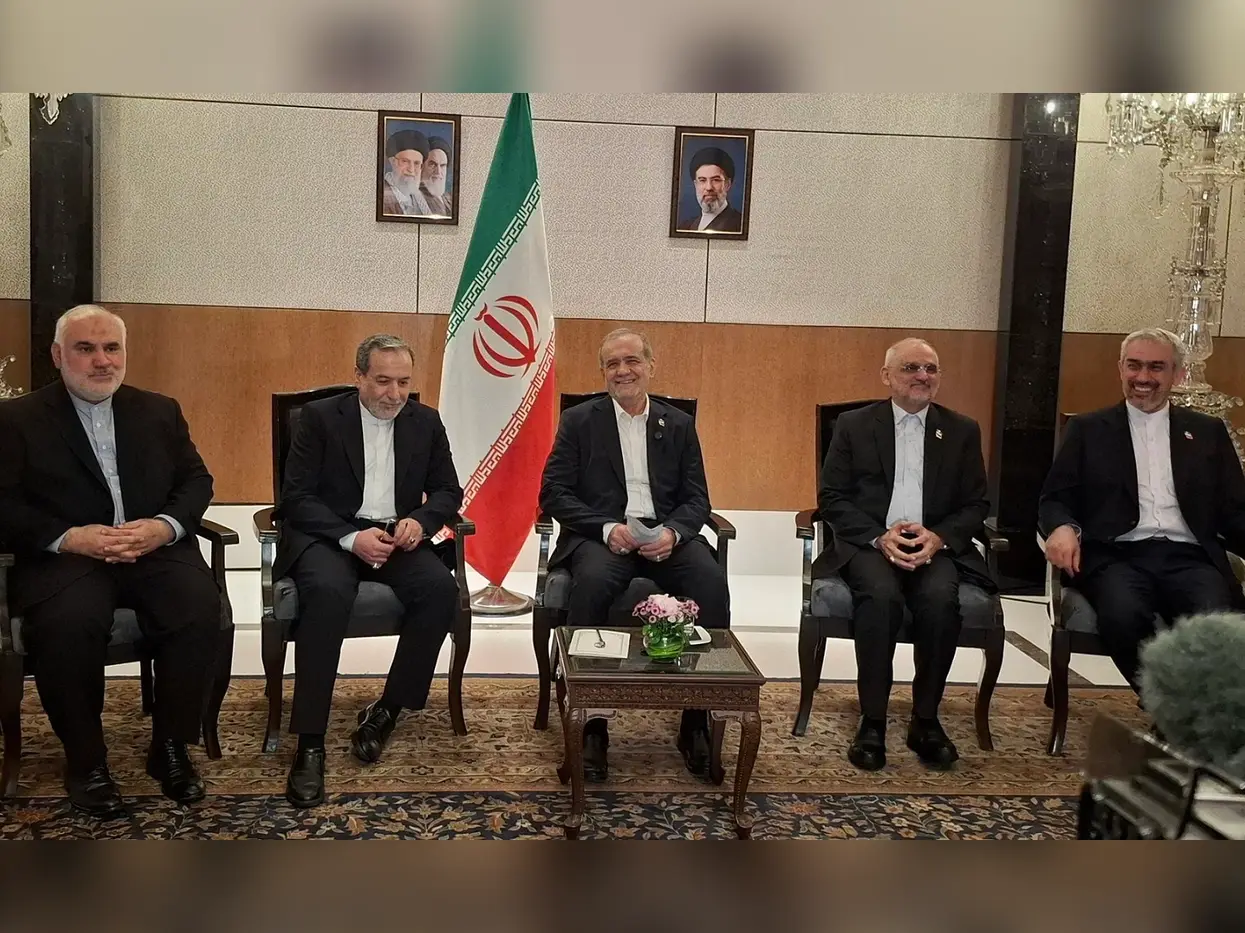)
Iran, India agree to deepen humanitarian and political ties, President Pezeshkian says
)
‘Want to reset ties with India, have engagement based on mutual interests,’ says Bangladesh minister
)
Trump says Canada eager to reach a deal, it could come ‘fairly soon’ if Ottawa treats US farmers better
)
Turkish Airlines plane flies through a storm three times, triggering severe turbulence
&im=FitAndFill=(700,400))
Why Chinese PL-15 air-to-air missiles use dual-pulse motors compared to European interceptors
)
Orlando Bloom addresses Pirates of the Caribbean comeback and reunion with Johnny Depp
)
China thinned Himalayan troop presence in 2025, India defence report says; terms border situation 'stable'
)
Russia proposes to build 360 kmph Ivolga FG trains in India: What happened on sidelines of BRICS
)
800 million years old - Scientists discover 'fingerprints' of supercontinent Gondwana in ancient rocks
)
Israeli minister calls to strip Gaza film directors of citizenship
)
Natural caffeine sources gain popularity; matcha & botanicals offer calm energy
)
China discovers vast gold and silver 'mine' in the Pacific with unheard-of deposits
)
Russian drone hits Warsaw-bound train near Polish border, Zelensky accuses Moscow of ‘deliberate’ targeting
)
Plane carrying prominent figure crashes at Libya’s Misrata airport: Report
)
Veteran Bollywood actress Nafisa Ali shares health update as Stage 4 cancer progresses, starts targeted therapy
&im=FitAndFill=(700,400))
New OTT releases this week (September 14-20, 2026): Lust Stories 3, Waiting Hai, Irumudi- 5 new titles coming on Netflix, Prime Video and more
)
Liam Neeson sparks romance rumours after holding hands with Stella Stocker at TIFF 2026
)
Saudi Arabia discovers 110 million tonnes of Uranium-rich ore in Madinah region
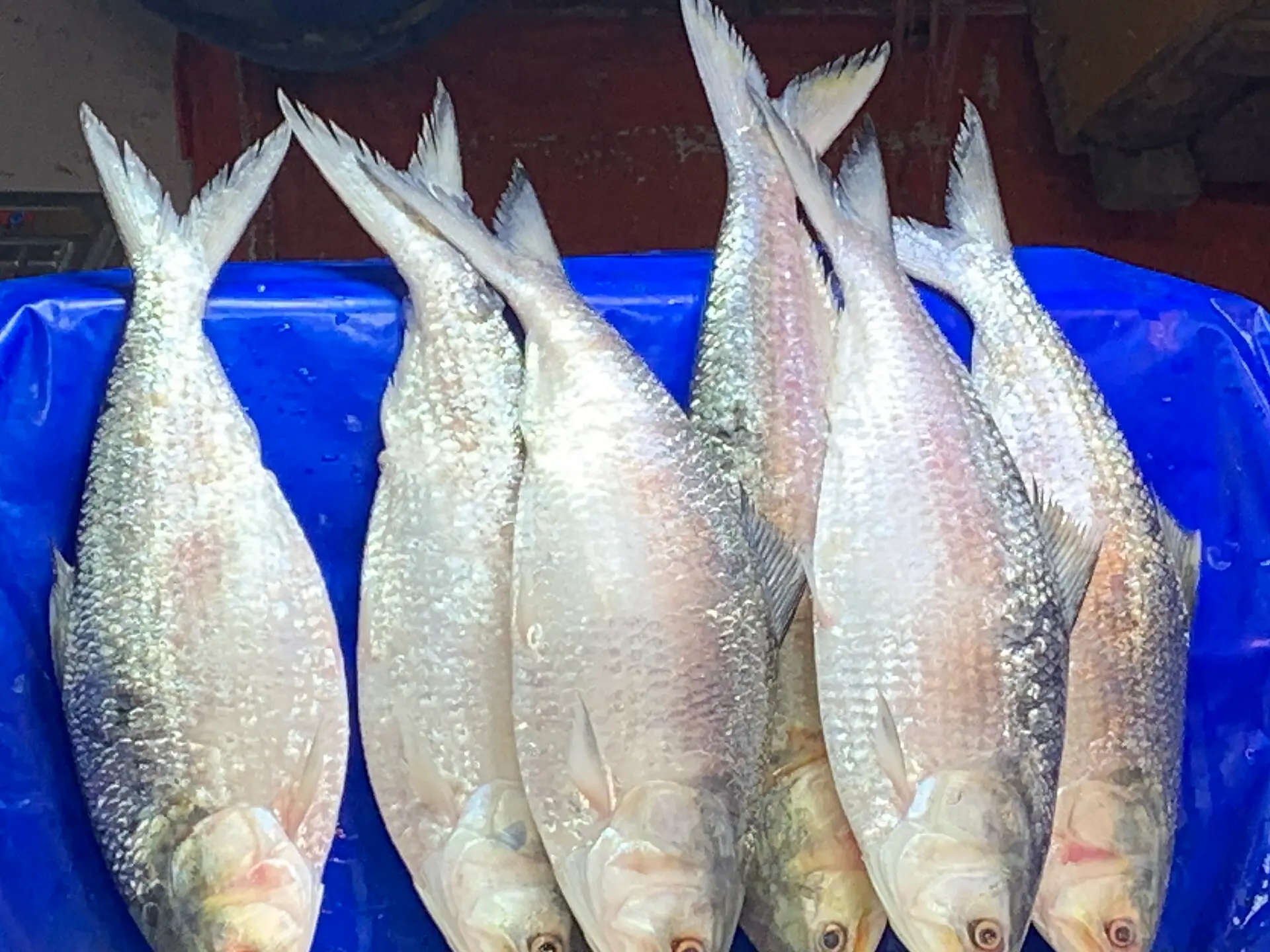)
Indian importers urge Bangladesh to lift export ban on 'Hilsa' fish ahead of Durga Puja
)
Video of Pakistani lawmaker struggling to read English tribute to Jinnah goes viral - WATCH
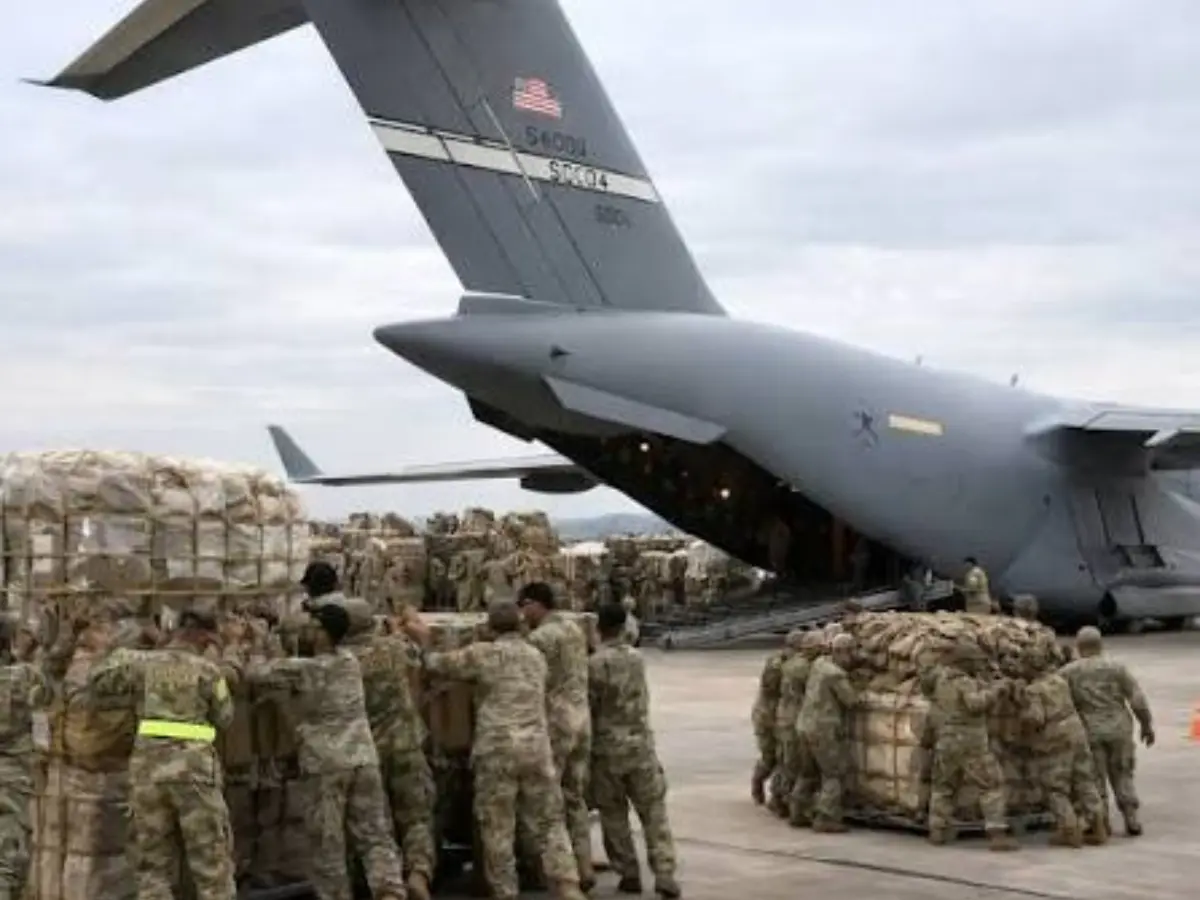)
Did China give Iran intel before US base strike that killed 3 troops? Trump says, 'You’re right...'
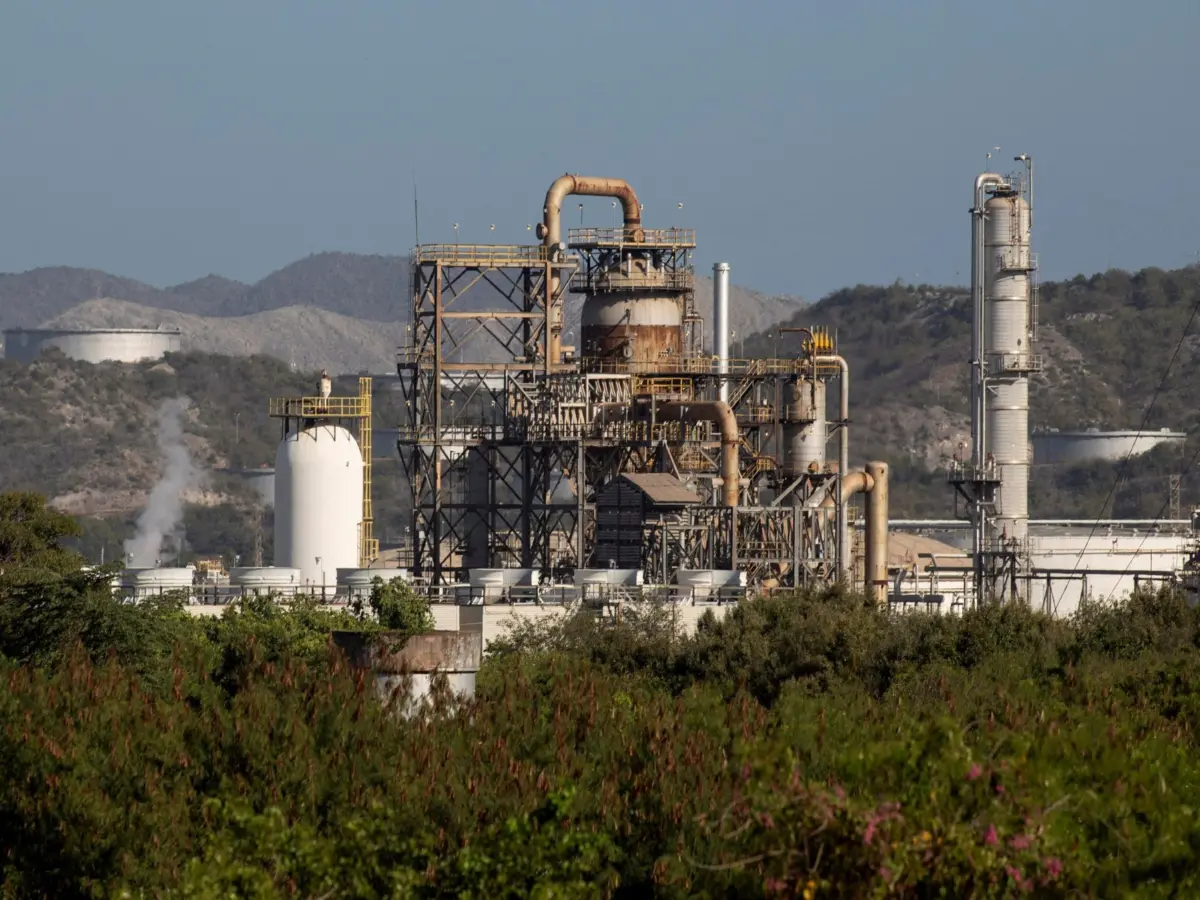)
Crude oil prices jump more than $107 per barrel following Houthi attacks on Saudi
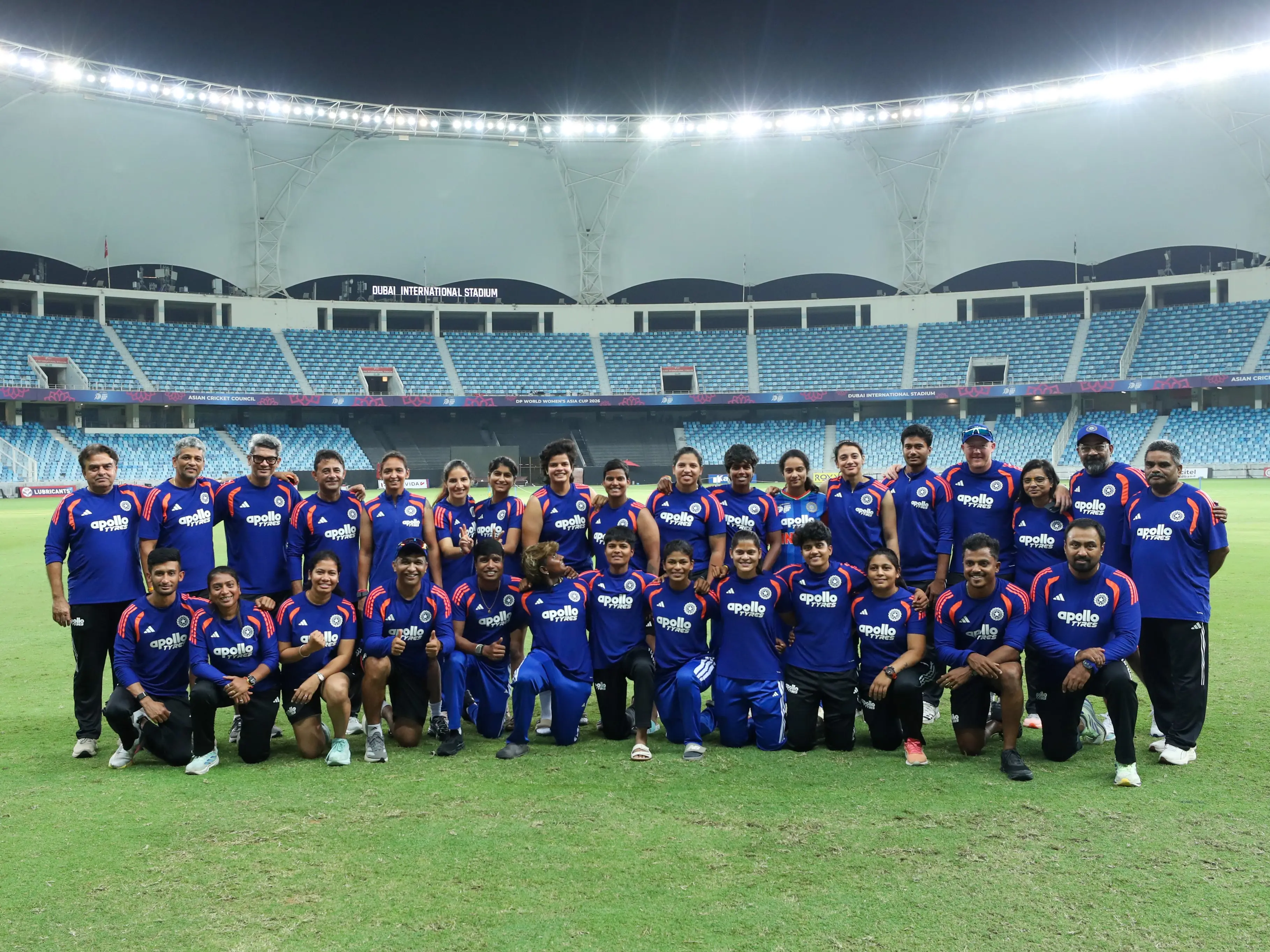)
Women's Asia Cup 2026: India denied trophy once again despite winning the title
)
Humans may lose control of AI: Anthropic CEO calls for slowdown, Altman, Musk back him
The US will continue to help Israel defend itself, but does not want war, John Kirby, the White House's top national security spokesperson, told ABC News'This Week' programme.
New Delhi, India
The ruling Bharatiya Janata Party released its manifesto of promises for India's over 970 million voters who, starting April 19, will begin voting for their Lok Sabha candidates.
With New Delhi G20 Leaders Summit from September 2023 photographically symbolising New Delhi's rising geopolitical clout during PM Modi's years in power, the BJP projected that its leaders have established Bharat as a "reliable, trusted and dependable voice globally in the last ten years," and that if elected to power later this summer, its foreign policy focus would be to ensure that New Delhi is a 'Vishwa Bandhu'(friend of the world).
"We have established Bharat as a reliable, trusted and dependable voice globally in the last ten years. We have demonstrated Bharat's independence of thought and action for the benefit of humanity. Our human-centric worldview has helped to be a consensus builder, first responder and a voice of the Global South," it said.
The BJP said that it is committed to ensure that New Delhi becomes a permanent member of the UN Security Council and is committed to "creating a global consensus on fight against terrorism". Reflecting on one of the key highlights from the sidelines of New Delhi G20 summit, the BJP manifesto said that it will facilitate the establishment of the India-Middle East-Europe-Economic Corridor (IMEC).
Seoul, South Korea
In South Korea's corridors of power, in a major setback to President Yoon Suk Yeol, the liberal opposition party won a landslide majority in the country's general election to retain control of parliament.
The Democratic Party (DPK) and smaller opposition parties jointly won 192 of 300 seats in the National Assembly. The DPK's win means they will be able to fast-track and push legislation through parliament.
President Yoon Suk Yeol now has three years left in office.
This is a crushing defeat for Yoon and his People Power Party (PPP), who will now struggle to achieve its agenda in a legislature dominated by the DPK.
"This isn't the Democratic Party's victory but a great victory for the people," said DPK leader Lee Jae-myung earlier this week on Thursday.
Yoon is under pressure to address issues including rising food prices, a rapidly ageing population and an ongoing doctor's strike.
Yoon has been accused of being out of touch with the impact of inflation on voters.
He was recently criticised for commenting during a visit to a Seoul supermarket that a bundle of green onions priced at 875 won ( $0.65) was "reasonable".
The comment sparked a backlash, with bundles of green onions later being used as props at farmers' protests and DPK election rallies.
Beijing, China
Chinese leader Xi Jinping once called his Russian counterpart Vladimir Putin his "most intimate friend". On Xi's birthday in 2019, Putin gifted him a box of ice cream, in a show of bonhomie not much seen among global strongmen leaders.
It was of little surprise earlier this week when the Russian foreign minister Sergey Lavrov visited the Chinese capital, to purportedly lay the ground for a Putin visit to the world's second biggest economy and Russia's most crucial Asian neighbour.
Lavrov's two-day visit to China was his first high-accord visit abroad after Russian President Vladimir Putin was elected Russian president for an unprecedented fifth term last month.
The Kremlin confirmed that Putin's China visit was "in the works", and added that Lavrov's trip could be viewed as "preparations for upcoming interaction at the highest level", state-run news agency TASS reported.
Putin has deployed Russian ties with China to partly escape the crippling nature of Western economic sanctions imposed on Russia by the West after Moscow launched a military offensive on Ukraine in February 2022. The diplomatic optics of a Xi-Putin meet would hold consequence for a world under conflict with respect to Beijing's role in bringing cessation of hostilities in Ukraine.