Strait of Hormuz crisis: Gulf states rush with alternative pipelines, infra to bypass chokepoint amid Iran war. What can they do, what are problems?

&imwidth=600&imheight=450&format=webp&quality=medium "Strait of Hormuz crisis: Gulf states rush with alternative pipelines, infra to bypass chokepoint amid Iran war. What can they do, what are problems?")
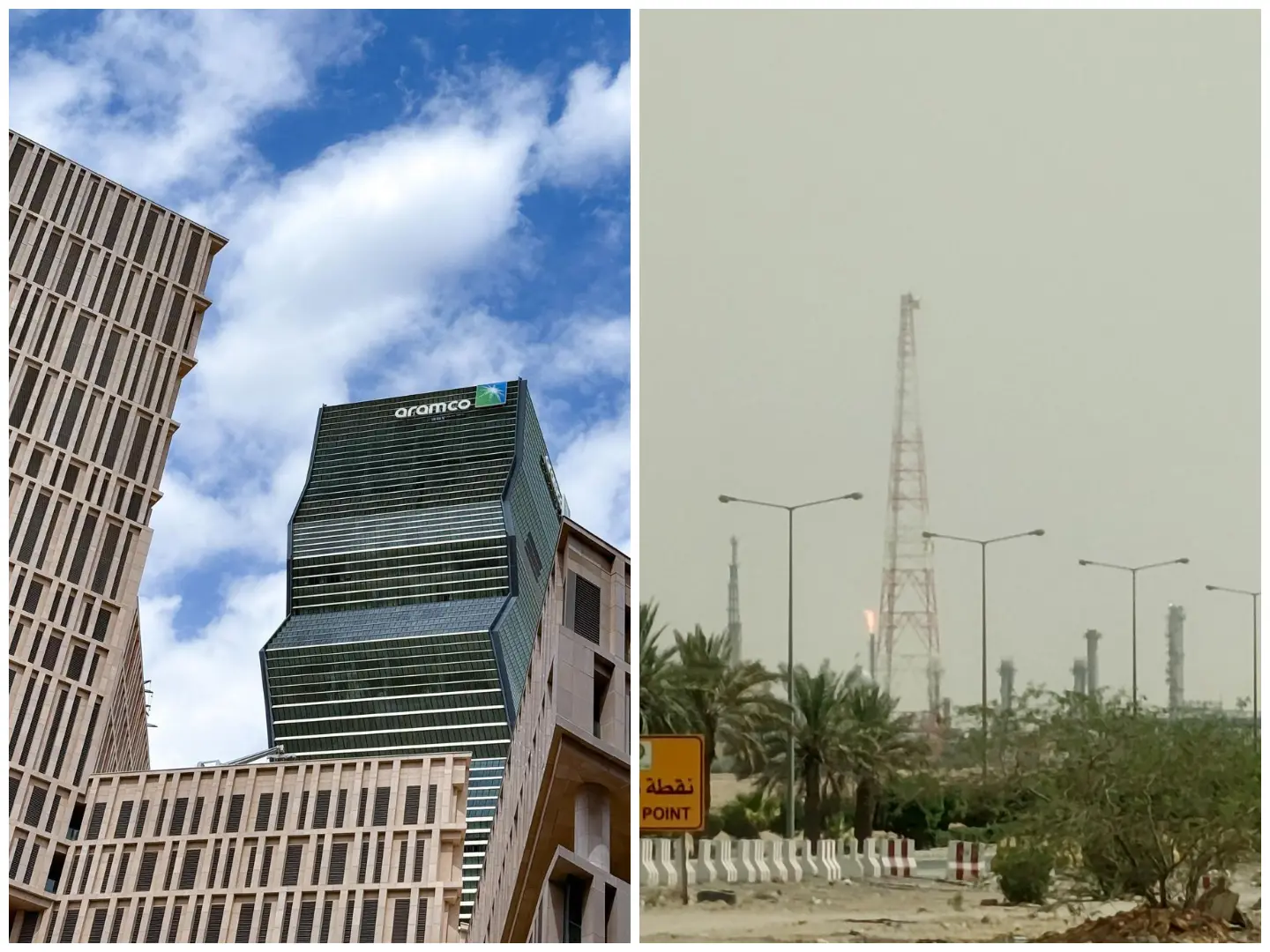
Major oil producers like Saudi Arabia would be looking at alternatives to Strait of Hormuz Photograph: (Others)
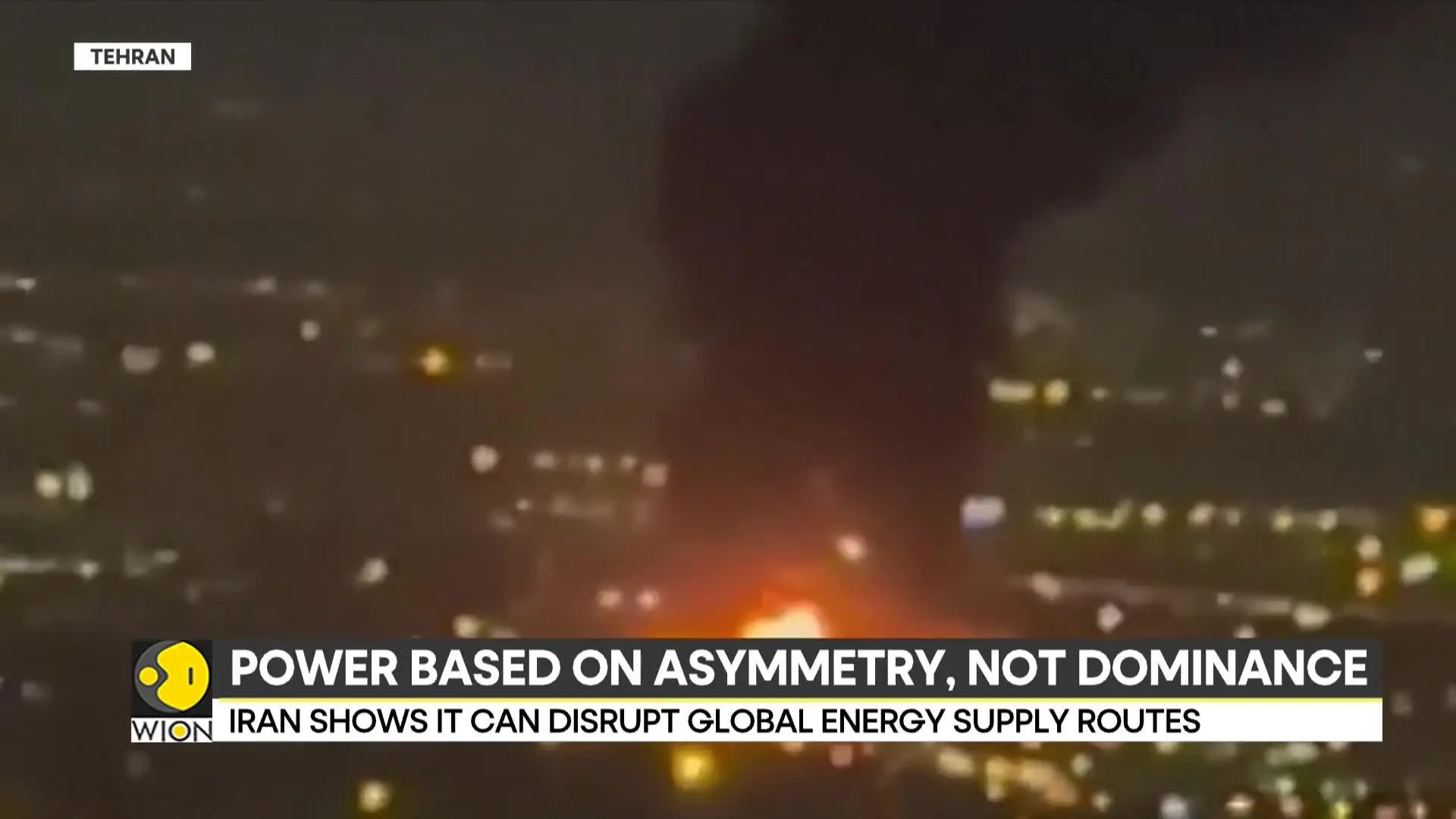
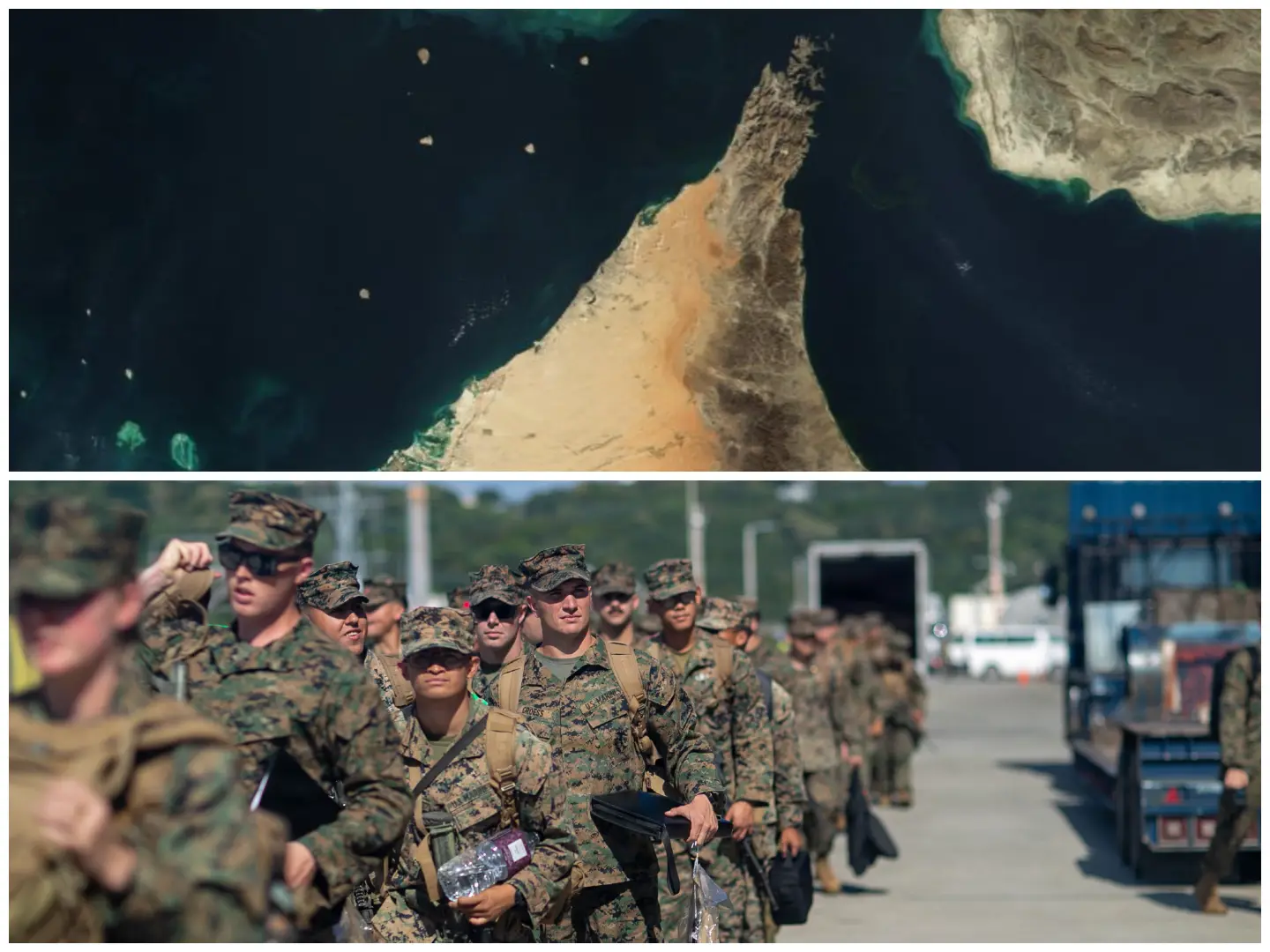
Days of dependency on Strait of Hormuz for global oil trade will be over, even if it takes several years, as the Iran war has proven how Tehran can put a chokehold on the chokepoint. Gulf states are accelerating pipeline and transport plans to bypass the strait. But will they succeed?
The Iran war has shown that the Strait of Hormuz is no longer a fully reliable route for global oil trade. Oil-producing nations in the Gulf, caught in tensions involving the US, Israel and Iran, are now urgently advancing plans for new pipelines, transport corridors and infrastructure to bypass the chokepoint. These projects had been discussed for years, but were repeatedly delayed. Now, they are being treated as a strategic necessity despite high costs and political complexities.
Existing pipelines are operating at full capacity
Saudi Arabia’s East-West Petroline, stretching 1,200 km from Abqaiq to the Red Sea port of Yanbu, is operating at its full capacity of roughly 7 million barrels per day (mbpd). The UAE’s Abu Dhabi Crude Oil Pipeline (ADCOP), which carries up to 1.8 mbpd from Habshan to Fujairah outside the strait, is also at maximum capacity. Together, these routes provide around 8–9 mbpd of bypass capacity—far short of the estimated 17–21 mbpd that typically transits through the Strait of Hormuz.
Alternative plans in the UAE, Oman and Iraq
One key proposal is the expansion of the UAE’s Fujairah corridor. Plans include an additional pipeline that could add about 1.5 mbpd and link offshore fields directly to export terminals outside Hormuz. Another proposal is a pipeline to Oman’s Duqm port on the Arabian Sea, likely to cost around $10 billion. This would provide a direct outlet for Gulf crude beyond the Strait of Hormuz.
There are also plans to expand the Iraq–Turkey pipeline from Kirkuk to the Mediterranean port of Ceyhan, which has a nominal capacity of 1.6 mbpd. The project was delayed by political disputes, but possible extensions to southern Iraqi or Gulf-linked supplies make it a candidate for increased use. The long-dormant Iraq Pipeline through Saudi Arabia (IPSA), which runs to the Red Sea, is also being reconsidered for reactivation.
Trending Stories
&im=FitAndFill=(700,400)&imwidth=280&imheight=210&format=webp&quality=medium)
&imwidth=280&imheight=210&format=webp&quality=medium)
&imwidth=280&imheight=210&format=webp&quality=medium)
&imwidth=280&imheight=210&format=webp&quality=medium)
&imwidth=280&imheight=210&format=webp&quality=medium)
&imwidth=280&imheight=210&format=webp&quality=medium)
&imwidth=280&imheight=210&format=webp&quality=medium)
&imwidth=280&imheight=210&format=webp&quality=medium)
&imwidth=280&imheight=210&format=webp&quality=medium)
&imwidth=280&imheight=210&format=webp&quality=medium)
&imwidth=280&imheight=210&format=webp&quality=medium)
&imwidth=280&imheight=210&format=webp&quality=medium)
&imwidth=280&imheight=210&format=webp&quality=medium)
&imwidth=280&imheight=210&format=webp&quality=medium)
&imwidth=280&imheight=210&format=webp&quality=medium)
&imwidth=280&imheight=210&format=webp&quality=medium)
&imwidth=280&imheight=210&format=webp&quality=medium)
&imwidth=280&imheight=210&format=webp&quality=medium)
&imwidth=280&imheight=210&format=webp&quality=medium)
&imwidth=280&imheight=210&format=webp&quality=medium)
&imwidth=280&imheight=210&format=webp&quality=medium)
&imwidth=280&imheight=210&format=webp&quality=medium)
&imwidth=280&imheight=210&format=webp&quality=medium)
&imwidth=280&imheight=210&format=webp&quality=medium)
&imwidth=280&imheight=210&format=webp&quality=medium)
&imwidth=280&imheight=210&format=webp&quality=medium)
&imwidth=280&imheight=210&format=webp&quality=medium)
&im=FitAndFill=(700,400)&imwidth=280&imheight=210&format=webp&quality=medium)
&im=FitAndFill=(700,400)&imwidth=280&imheight=210&format=webp&quality=medium)
&imwidth=280&imheight=210&format=webp&quality=medium)
&imwidth=280&imheight=210&format=webp&quality=medium)
&imwidth=280&imheight=210&format=webp&quality=medium)
&imwidth=280&imheight=210&format=webp&quality=medium)
&imwidth=280&imheight=210&format=webp&quality=medium)
&im=FitAndFill=(700,400)&imwidth=280&imheight=210&format=webp&quality=medium)
&imwidth=280&imheight=210&format=webp&quality=medium)
New overland energy corridors
Several proposed corridors aim to link Gulf producers directly to the Mediterranean and possibly beyond. These include pipelines from Qatar and the UAE across Saudi Arabia, and potentially through Iraq or Jordan, to terminals in Israel or Egypt. Such routes would bypass not only Hormuz but also the Bab el-Mandeb strait in the Red Sea—another flashpoint during Iran-linked conflicts—as well as the Suez Canal. The India–Middle East–Europe Economic Corridor is another ambitious initiative with potential energy components.
Rail and logistics networks
Governments in the region are also examining rail and logistics corridors. Projects include Saudi Arabia’s planned landbridge and the UAE’s Etihad Rail. These could transport refined products and support pipeline distribution to alternative export hubs, including Oman’s Sohar and Duqm ports.
Costs, terrain and political barriers still persist
Despite growing momentum, major obstacles remain. Many routes pass through countries that have political tensions with one another. Terrain challenges and regional rivalries add further complications. Approvals could take years for some projects. Tens of billions of dollars in investment will be required. Cross-border agreements and security guarantees will be difficult to secure.
Shift away from Hormuz dependence is the need of the hour
In spite of these challenges, the Iran conflict has highlighted how easily threats to the Strait of Hormuz can disrupt global energy markets. This has pushed governments and industries to prioritise alternative routes and logistics. Contingency plans are now being treated as core investments in energy security. While change will take time, reliance on the Strait of Hormuz as the primary artery of global oil trade is set to decline.