Starting July 1, THIS nation will allow psychedelics for treatment of PTSD, depression

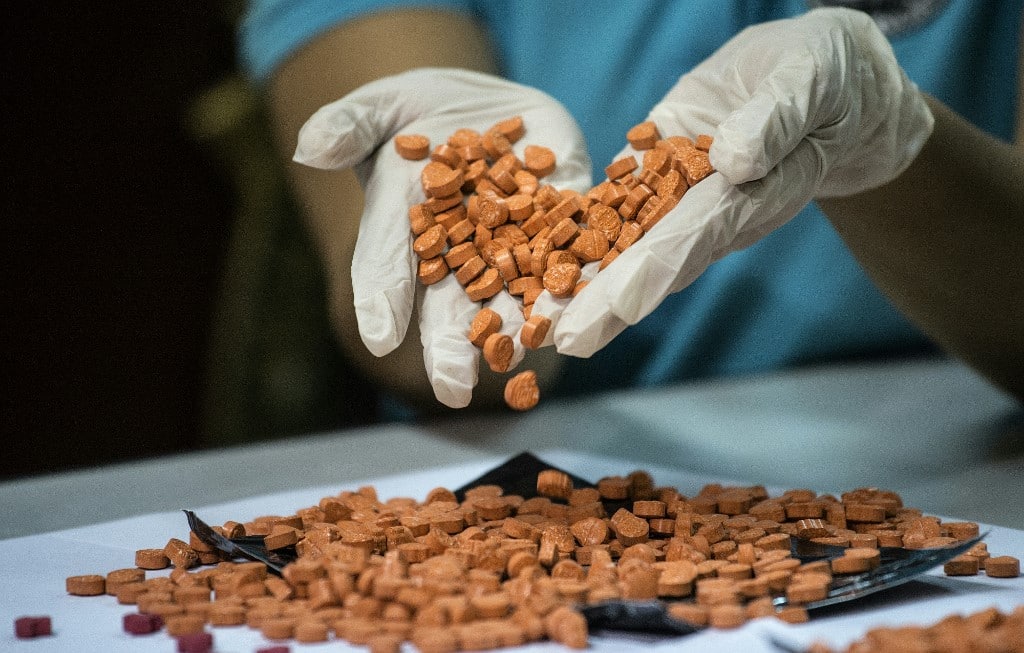
Australia announces legalisation of MDMA and magic mushrooms for medical treatment.
Starting Saturday (July 1), Australia will become the world's first country to allow doctors to prescribe MDMA and magic mushrooms to treat psychiatric conditions such as depression and Post Trauma Stress Disorder (PTSD). Although the decision was taken in February earlier this year, it remains a controversial move.
Therapeutic Goods Administration (TGA), Australia's drug watchdog, approved the move, following a three-year process which included extensive consultation with experts.
For long, it has been believed thatpsychedelic drugs have the ability to treat mental health conditions. However, the stigma around such drugs caused governments to take a reactionary stance. The experiment in Australia, though, will be closely monitored across the globe and could potentially set a precedent to follow.

MDMA, a synthetic drug, also known as "molly" or "ecstasy" is usually linked to rave parties. As for magic mushrooms, they are known for providing an excessively trippy experience to the user due to the presence of "psilocybin", an active compound.Both drugs are currently "prohibited substances" and authorities can only use them in closely controlled clinical trials.
The advocates hope that the drugs will be one day used for treating eating disorders, alcohol dependence and obsessive-compulsive disorder.
&imwidth=180&imheight=135&format=webp&quality=medium)
US considering use of ‘mother of all bombs’ in its war with Iran: Report
&imwidth=180&imheight=135&format=webp&quality=medium)
US midterms 2026: Trump under election watch? Democrats deploy 100 observers across nine states
&imwidth=180&imheight=135&format=webp&quality=medium)
US midterms: Trump rallies behind Husted as Brown mounts challenge in crucial Ohio race
&imwidth=180&imheight=135&format=webp&quality=medium)
US judge blocks Trump administration sanctions on human rights groups supporting Gaza war crimes investigation
&imwidth=180&imheight=135&format=webp&quality=medium)
Arijit Singh 9-city India stadium tour to start from January: Check venue and ticket prices
&imwidth=180&imheight=135&format=webp&quality=medium)
Washington calls for 'de-escalation' as Ethiopia-Eritrea tensions fuel war fears
&imwidth=180&imheight=135&format=webp&quality=medium)
‘Rise up, young patriots!’: American singer Mary Millben says US donors funding CJP, backs Modi govt
&imwidth=180&imheight=135&format=webp&quality=medium)
Did the US withhold missile warnings? Ukraine questions Washington's 'bad weather' explanation after Russian strikes kill six, cut power to 600,000
&imwidth=180&imheight=135&format=webp&quality=medium)
Girl 'dead' for 8 hours wakes up at her own funeral, dad insists she wasn't breathing
&imwidth=180&imheight=135&format=webp&quality=medium)
Indonesia Wildfires: Thousands deployed to fight massive wildfire
&im=FitAndFill=(700,400)&imwidth=180&imheight=135&format=webp&quality=medium)
New OTT releases this week (October 12-18, 2026): Sacrifice, Koffee with Karan S9, Roadies Rebirth- 6 titles coming on Netflix, JioHotstar and more
&imwidth=180&imheight=135&format=webp&quality=medium)
'Turn approver, resign, we'll forgive you': Rahul Gandhi claims receiving messages from CEC Gyanesh Kumar
&imwidth=180&imheight=135&format=webp&quality=medium)
Group of men cheered and asked 'when’s it my turn?' as woman was assaulted inside bathroom at University of Chicago frat party
&imwidth=180&imheight=135&format=webp&quality=medium)
Australian woman charged for adding snail poison to lover's curry at work
&imwidth=180&imheight=135&format=webp&quality=medium)
‘My president, I mean my husband’: Trump's new press secretary Katie Zacharia's first briefing goes off the rails in 14 minutes
&imwidth=180&imheight=135&format=webp&quality=medium)
'White supremacist' terror plot against Illinois Hindu temple foiled by jammed gun: Who is Alexandros Paporakis?
&imwidth=180&imheight=135&format=webp&quality=medium)
Ankita Bhandari’s parents detained after overnight India Gate protest; released later: Why are they protesting
&imwidth=180&imheight=135&format=webp&quality=medium)
India’s naval priorities: Ex-Navy Chief calls for third aircraft carrier, more warships and submarines
&imwidth=180&imheight=135&format=webp&quality=medium)
'Girls are uncomfortable': Salman Khan calls out paparazzi for bad angles, speaks on PR on Koffee With Karan
&im=FitAndFill=(700,400)&imwidth=180&imheight=135&format=webp&quality=medium)
World's 7 most innovative countries in 2026 REVEALED: Did India make the list? | In Pics
&imwidth=180&imheight=135&format=webp&quality=medium)
Zelensky feels betrayed by Trump, urges Musk to restore Starlink in Ukraine; Musk responds
&imwidth=180&imheight=135&format=webp&quality=medium)
Is America trying to ‘destabilise’ India or change its regime? How influence operations became a recurring theme in political rhetoric
&imwidth=180&imheight=135&format=webp&quality=medium)
US police foil alleged mass shooting plot targeting Illinois Hindu temple during Navratri; 19-year-old’s manifesto called Indians ‘subhumans’
&imwidth=180&imheight=135&format=webp&quality=medium)
Who is Abu Dhabi royal Mahrah Al Nahyan, found unconscious on London street with toddler after cocaine use
&imwidth=180&imheight=135&format=webp&quality=medium)
Researchers believe AI could cure cancer patients around the world
&imwidth=180&imheight=135&format=webp&quality=medium)
Hidden video recording device found on Australian Navy ship amid claims of secret filming
&imwidth=180&imheight=135&format=webp&quality=medium)
India-Afghanistan relations: Growing India-Kabul ties to rattle Islamabad?
&imwidth=180&imheight=135&format=webp&quality=medium)
Nobel Peace Prize winner Navi Pillay calls on US to 'get back to' being defender of human rights
&imwidth=180&imheight=135&format=webp&quality=medium)
Leave India notice to Imran Khan explained: What are OCI rules and why can't foreigners protest in India?
&imwidth=180&imheight=135&format=webp&quality=medium)
'Don't ever mess with nature!': Trump’s tiger attack post triggers social media backlash as victim's family issues heartbreaking tribute
&imwidth=180&imheight=135&format=webp&quality=medium)
'Leakers should be shot': Trump rages over leak of US military plans to attack Iran, slams media
&imwidth=180&imheight=135&format=webp&quality=medium)
Iranian woman, 23, handed death sentence for ‘blasphemy’ in social media post; appeals for help
&imwidth=180&imheight=135&format=webp&quality=medium)
Bangladesh man killed after mob storms hospital, drags him away over blasphemy allegations
&imwidth=180&imheight=135&format=webp&quality=medium)
Actor Imran Khan asked to leave India by the Mumbai Police days after participating in CJP-led protest
&imwidth=180&imheight=135&format=webp&quality=medium)
Mars is not for man: Human heart is too weak to survive the trip, study shows
&imwidth=180&imheight=135&format=webp&quality=medium)
Russian woman and Bihar boy's love story goes viral after she reaches India to marry him
&imwidth=180&imheight=135&format=webp&quality=medium)
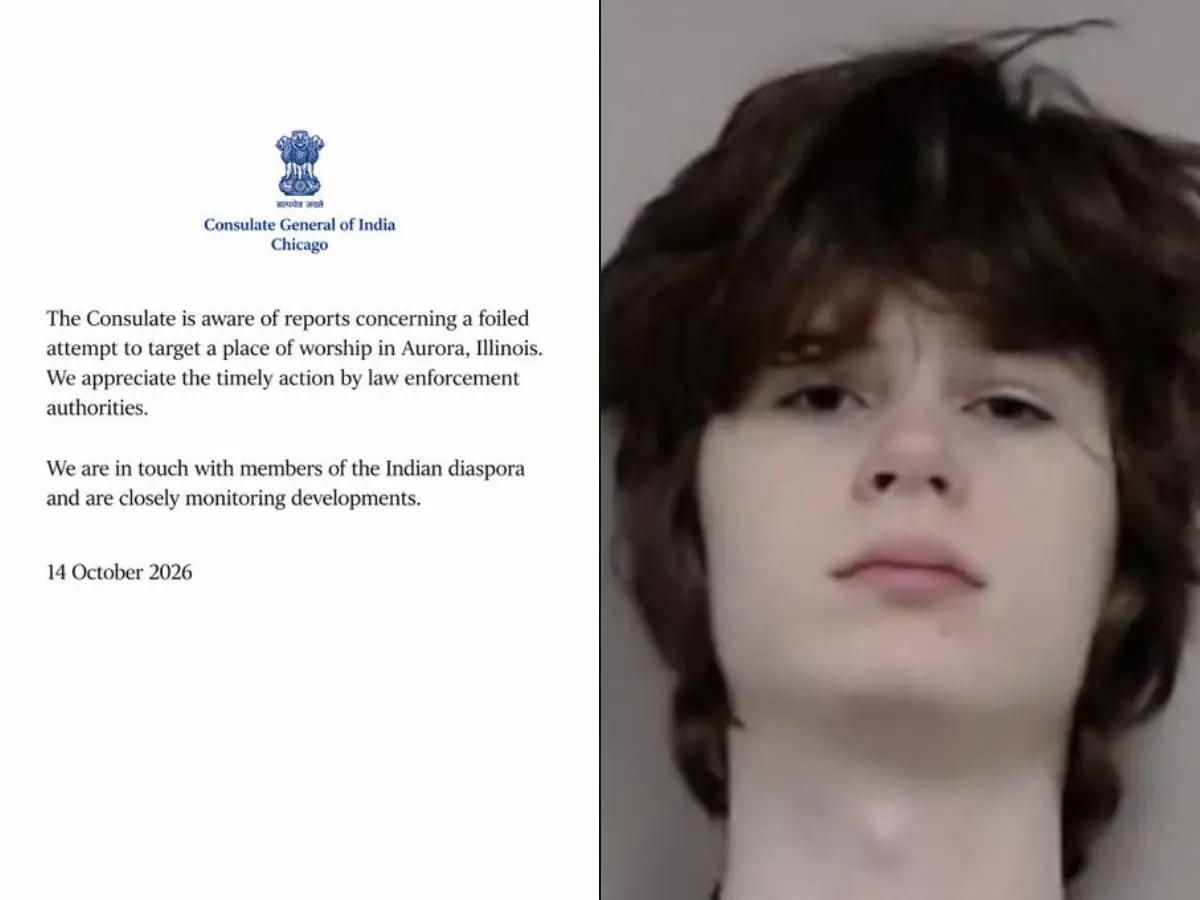
'Troubling pattern of threats': Hindu groups issue advisory after man arrested for alleged plot to target Illinois temple
Critics not enthused by the move
While a big lobby is aggressively batting for the legalisation of synthethis as well as natural hard drugs, some critics are concerned that research is yet to show which patients are best suited to the treatments.
"It’s not for everybody. We need to work out who these people are that are going to have bad experiences, and not recommend it,”Susan Rossell, a psychiatrist at Swinburne University of Technology, Melbourne was quoted as saying by Nature.
WATCH |Gravitas: Australia approves medical use of MDMA
Rossell is conducting Australia'sonly active clinical trial testing psilocybin-assisted psychotherapy for treatment-resistant depression. Her study revealed that 10 to 20 per cent of the participants who received the psychedelic drugs had a "really terrible time". She fears that if administered properly, the drugs could give seriously bad trips and leave them more prone to psychological issues.
Rossell and her colleagues questioned TGA by co-authoring a report in May. It asked the watchdog why didn't it consult them, given their rareexperience of administeringpsilocybin to treat depression.
“Instead, it seems the TGA has yielded to pressure from the public and lobby groups to increase access to these experimental treatments, outside of clinical trials.Sufficient levels of evidence have not yet been generated for broad-scale implementation to be justified.”
(With inputs from agencies)
WATCH WION LIVE HERE: