South Korea tries $500 incentive to encourage reclusive kids to venture out


Reclusive kids
The government of South Korea is urging reclusive kids to step out of their homes and experience the world outside.
The country's Ministry of Gender Equality and Family said that the cabinet approved a resolution on Tuesday to potentially spend thousands of dollars year on education, career counselling, and health support for those who are living as recluses and are between the ages of nineand 24, reported Bloomberg.
The programme, which expands on a November statement, is aimed at people who have significant social withdrawal, or "hikikomori," a term coined in Japan to describe the condition, which likely became worse by the pandemic.

Youth in South Korea who meet certain criteria can get funding in a number of categories, including a monthly living expense allowance of 650,000 won (US$490).
The ministry issued a statement stating that the government is "strengthening its support to enable reclusive youth to recover their daily lives and reintegrate into society."
ALSOREAD |What is hikikomori? The trend keeping almost 1.5mn Japanese in isolation
)
Three labourers killed as DU student loses control of his car, rams into them on Dwarka Expressway
)
Pentagon revives mandatory testosterone testing for male troops aged 30 and above
)
FACT CHECK: Why did PM Modi ask Xi ‘is it okay’ at BRICS Summit? New video reveals...
)
India seeks to build a full semiconductor supply chain
&im=FitAndFill=(700,400))
From Abhishek Sharma to Sahil Chauhan, 5 batters with fastest T20I hundreds
)
Indian activist-lawyer Prashant Bhushan's post brings focus on ‘conflict of interest’ appointments of ex-govt officials at Reliance, Adani groups
)
Pyongyang dismisses US, western pressure over nuclear programme
)
US And Denmark reach Greenland deal, Trump announces expanded military presence
)
Google’s Gemini AI hacks real systems by guessing passwords during security test
)
China may have gained access to US's classified F-35 jets; parts meant for repairs diverted to Hong Kong, sparking Pentagon inquiry
)
NASA research plane reaches 61,000 feet over Panama
)
Godfather of AI Geoffrey Hinton gives US lawmakers a one-year warning on AI
)
Shivakumar attends 79th Kalyana Karnataka Utsav in Kalaburagi
)
Trump signs Russia sanctions law: India faces fresh 100% tariff threat over Russian oil
)
Brigitte Bardot’s private collection set for Paris auction; key items and prices revealed
)
Why Ranveer Singh’s Dhurandhar missed India’s Oscar entry; FFI jury member reveals what happened
)
‘Will go to any extent’: Pakistan vows to defend Saudi Arabia amid Houthi attacks
)
The Verdict | When precision fails: US commits war crime in Minab school strike, UN finds
)
Trump signs Russia sanctions bill into law, targets Moscow’s energy sector
&im=FitAndFill=(700,400))
New Friday OTT releases (September 18, 2026): Lust Stories 3, You+Me, Best of the Best- 8 new titles coming on Netflix, Prime Video and more
)
Fast bowler Brydon Carse faces no charges over Derby nightclub incident
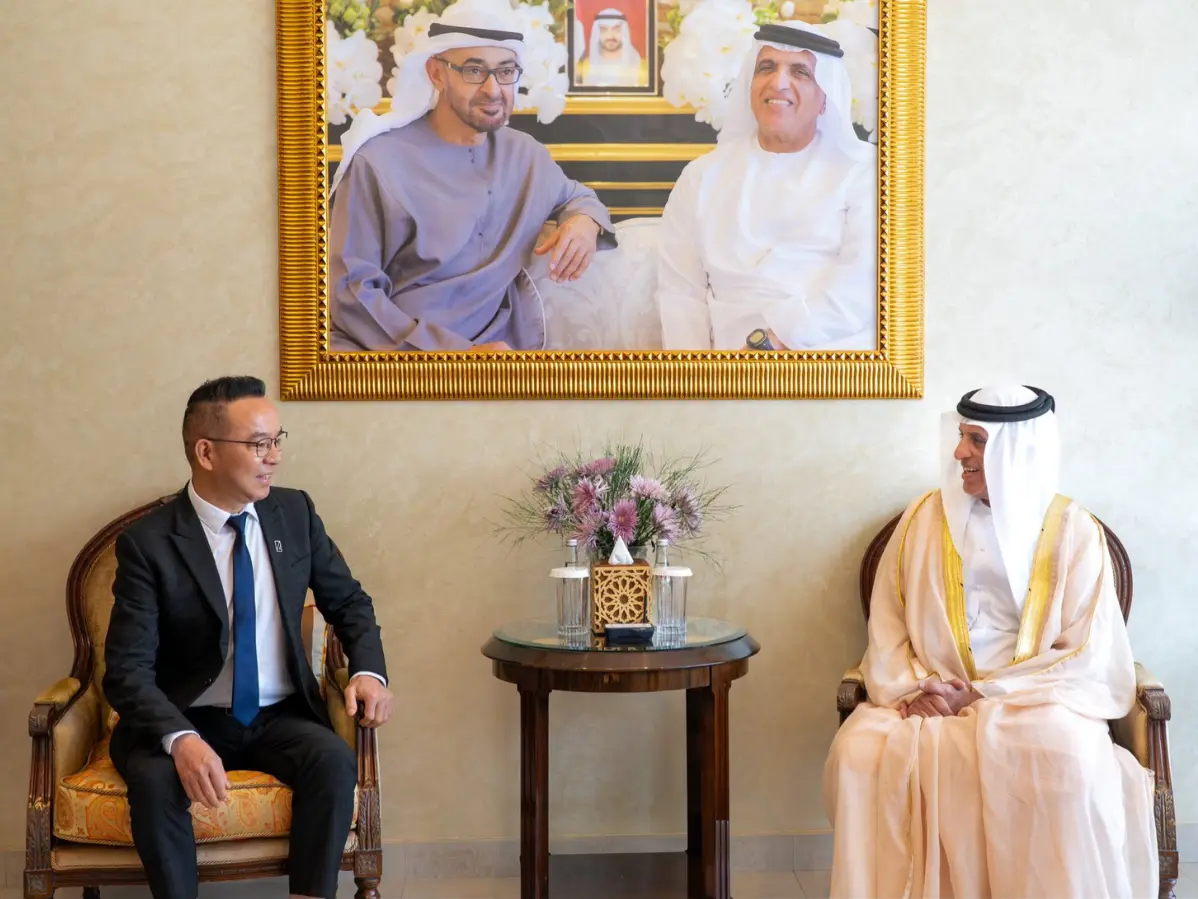)
Flying cars in UAE: Ras Al Khaimah signs deal with Chinese company to test new transport
)
Africa is splitting, and a lot sooner than estimated, giving way to a new ocean
)
'Gangsta' crab shoves knife blade at man and his dog in Florida - Watch
)
Trump bans CNN, MS NOW and Politico from White House over ‘FAKE NEWS’
)
Trump 2.0: Dark days ahead for America’s ‘imperial presidency’
)
Trump's Greenland dream comes true? POTUS announces 'Infinite Life' deal with Denmark, claims permanent US control
)
Drone strikes cooling tower at Russia's Kursk Nuclear Plant, IAEA confirms
)
Who is Khalilur Rahman? All you need to know about 81st UN General Assembly President
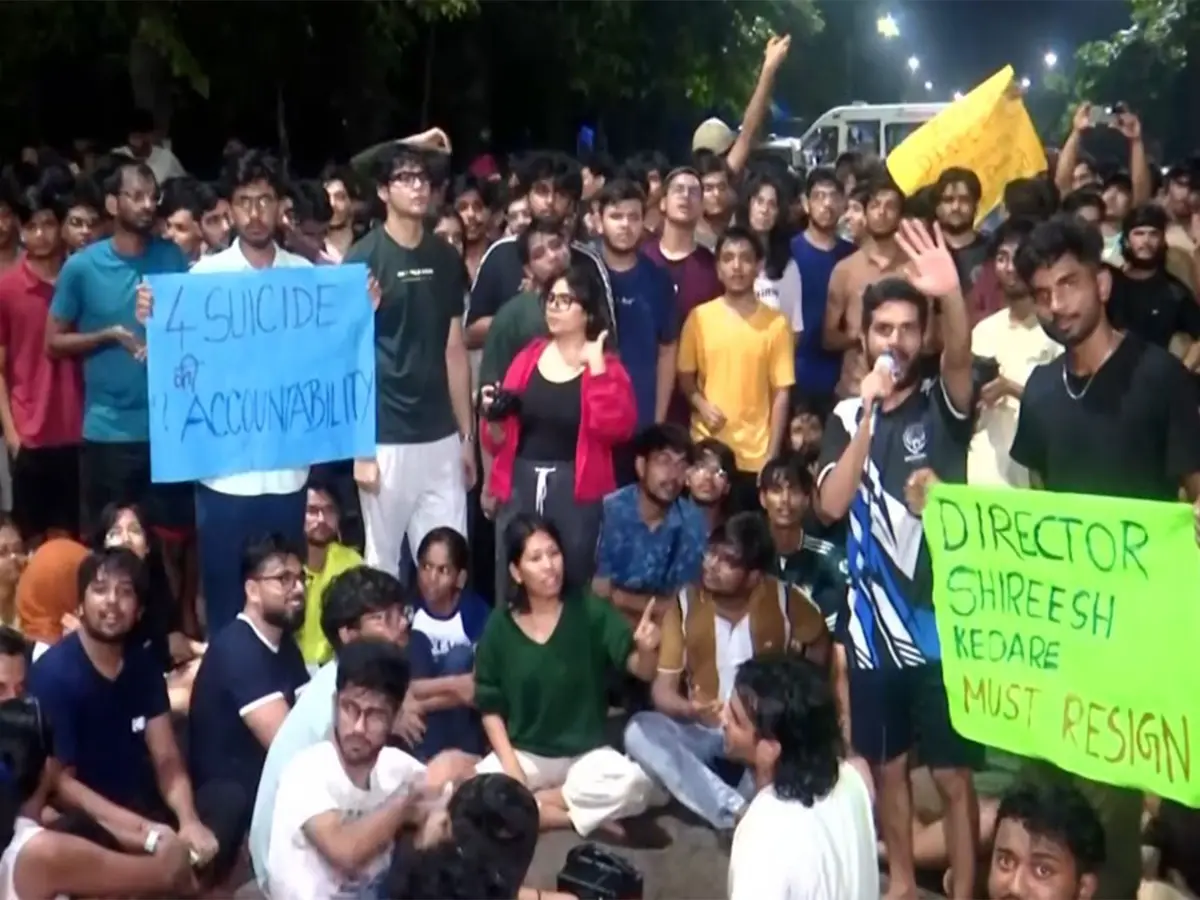)
IIT Bombay student dies by suicide, was caught seeking AI help during exams
&im=FitAndFill=(700,400))
Meet top 5 bowlers in latest ICC T20I rankings
)
Indian Cinema bets big on mythology, brings ancient stories to modern audiences
)
Ukraine plans record $109 bn defence spending, nearly two thirds of budget amid Russia war
)
Russia holds first parliamentary elections since the beginning of the Ukraine war
&im=FitAndFill=(700,400))
Meet top 5 Indian batters with fastest T20I centuries
The primary objective of the policy is to assist underprivileged kids, but it is also a means by which the nation might address its declining working-age population in the face of frighteningly low birthrates and stringent immigration regulations.
By 2044, South Korea is expected to have an ageing population that will only be surpassed by Hong Kong in terms of the proportion of the population that is over 65.
Government officials have responded by making a number of emergency actions, such as providing childcare subsidies to raise the lowest fertility rate in the world. Attempts to raise the country’s population through births have cost more than $200 billion so far, but with limited success.
ALSOWATCH |Pentagon leak shows South Korea divided on sending Ukraine weapons | Trending on WION
This action was taken right after President Yoon Suk Yeol urged officials to approach the matter with a "emergency mindset" and dubbed the birthrate and subsequent drop in productivity a "crucial national agenda".
“This policy is fundamentally a welfare measure,” saidShin Yul, a political science professor at Myongji University in Seoul, who spoke to Bloomberg.“While it’s good to try various approaches to boost working age population, it cannot be seen as a long-term solution to fix the population problem here.”
Despite the country's booming economy in recent years, South Korea continues to struggle with high youth unemployment, which is the highest among all age groups at 7.2 per cent.
(With inputs from agencies)
WATCH WION LIVE HERE: