

&imwidth=800&imheight=600&format=webp&quality=medium "Salary every 15 days? Nepal to pay govt employees twice a month. Here’s why")
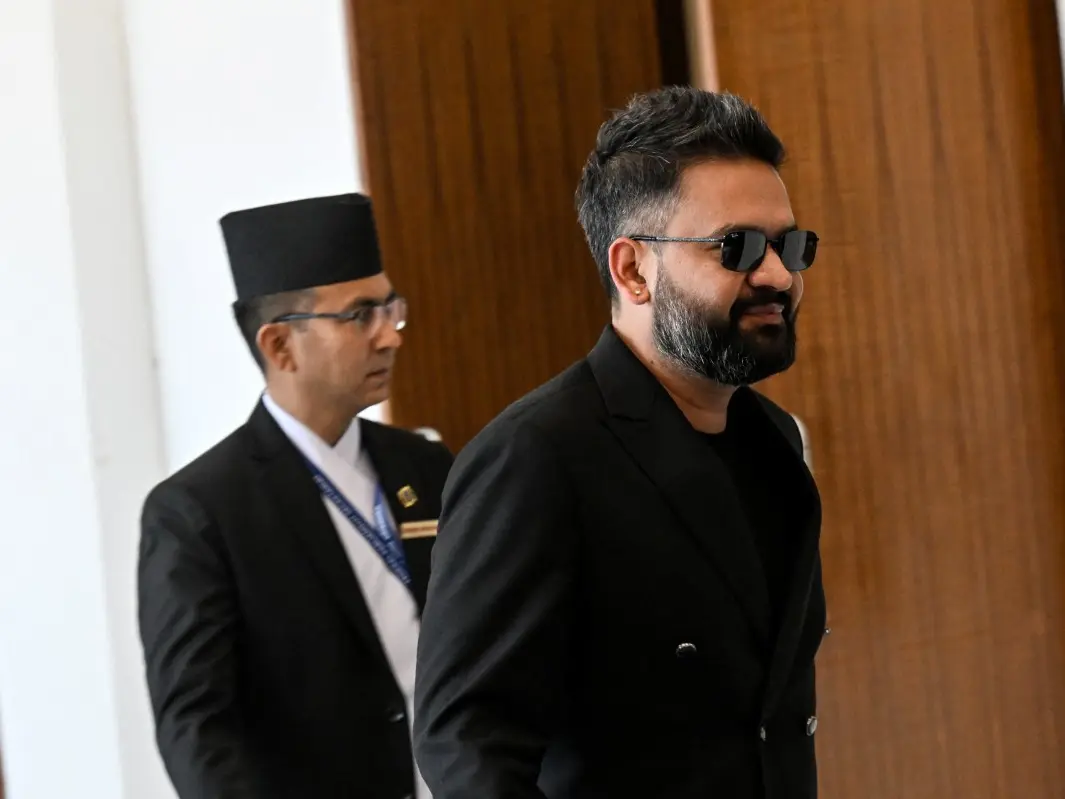
Nepal has announced a shift from monthly to fortnightly salary payments for government employees, in a move officials say could help stimulate economic activity and improve cash flow across the country. The decision was taken by the finance ministry on Friday, with a circular already issued to relevant government agencies to begin preparations for implementation. Under the new system, civil servants and other state employees will be paid twice a month instead of the traditional once-a-month schedule.
Government officials said the policy is aimed at revitalising the economy by putting money into the hands of employees more frequently, thereby encouraging higher and more regular spending. They added that improved cash flow could help sustain economic circulation, particularly in a country where public sector employment forms a significant part of the formal workforce.
Officials believe the move could create a multiplier effect on consumption, as more frequent pay cycles may lead to steadier spending patterns. While uncommon globally, the approach mirrors salary systems followed in countries such as the United States, Brazil and Australia, where biweekly or fortnightly payments are more widely practised.
Within South Asia, however, Nepal’s decision marks a clear departure from the norm. Countries including India, Pakistan, Bangladesh, Bhutan, Sri Lanka and the Maldives continue to follow a monthly salary system for government employees.
Despite the policy announcement, legal challenges remain. Nepal’s Civil Service Act currently mandates monthly salary payments, with Section 28 stating that civil servants are to receive their pay and allowances only after the completion of each month. This means amendments to existing legislation may be required before the new system can be fully implemented.
Trending Stories
&imwidth=180&imheight=135&format=webp&quality=medium)
Priyanka Chopra celebrates Dussehra 2026 with Nick Jonas and daughter Malti Marie | See pics
&imwidth=180&imheight=135&format=webp&quality=medium)
Diljit Dosanjh's Oct 30 Delhi show hits roadblock, Delhi Police denies permission
&imwidth=180&imheight=135&format=webp&quality=medium)
China's dancing robot turns violent bodyguard, lifts cars and fights intruders - Watch
&imwidth=180&imheight=135&format=webp&quality=medium)
Will Rohit and Kohli play ODI World Cup 2027? BCCI president Manhas says board 'not in a position to comment'
&imwidth=180&imheight=135&format=webp&quality=medium)
Rafale Marine fighter begins flight trials in Goa ahead of Indian Navy induction
&imwidth=180&imheight=135&format=webp&quality=medium)
Feds obtain DNA evidence that could prove Ilhan Omar married her brother: Report
&imwidth=180&imheight=135&format=webp&quality=medium)
16-foot doomsday fish in Chile triggers fears that the next earthquake is coming
&imwidth=180&imheight=135&format=webp&quality=medium)
US midterms 2026: What polls and prediction markets indicate about Congress
&imwidth=180&imheight=135&format=webp&quality=medium)
Pakistan signs another defence pact even as Makkah Alliance shows no teeth. This time, it's with Qatar, Indonesia, Turkey
&im=FitAndFill=(700,400)&imwidth=180&imheight=135&format=webp&quality=medium)
New OTT releases this week (October 19-25, 2026): Gajab Raat to Chaar Yaar-8 titles to watch during Dussehra week on Netflix, Prime Video and more
&imwidth=180&imheight=135&format=webp&quality=medium)
Why websites around the world are suddenly going offline? What you need to know about PHP
&imwidth=180&imheight=135&format=webp&quality=medium)
From Agni-V to Project Kusha: How are India’s indigenous missile systems and defence shield reshaping modern warfare
&imwidth=180&imheight=135&format=webp&quality=medium)
Are the US and Israel preparing for another major attack on Iran? Here's what report claims
&imwidth=180&imheight=135&format=webp&quality=medium)
Ranbir Kapoor apologises for Dussehra speech slip, clarifies remark at Ramayana event
&imwidth=180&imheight=135&format=webp&quality=medium)
'Gyanu must go': CJP's Saurav Das, Ashutosh Ranka after release, despite Jantar Mantar protest undertaking
&imwidth=180&imheight=135&format=webp&quality=medium)
US-Iran war: Bibi, Trump gamble on new Iran war to save themselves in polls
&imwidth=180&imheight=135&format=webp&quality=medium)
Viral video shows cross falling on Colombia priest, no official confirmation | WATCH
&imwidth=180&imheight=135&format=webp&quality=medium)
Australia police arrest former national 100m champ Jake Doran for alleged child abuse
&imwidth=180&imheight=135&format=webp&quality=medium)
Kolkata airport: CISF detects ₹1.13 crore in US dollars hidden in bags of 2 Bangkok-bound passengers
&imwidth=180&imheight=135&format=webp&quality=medium)
EU probes Booking.com under Digital Services Act
&imwidth=180&imheight=135&format=webp&quality=medium)
'Father of all bombs' vs 'mother of all bombs': Iran threatens US with new weapon as Trump hints at MOAB strike
&imwidth=180&imheight=135&format=webp&quality=medium)
WATCH: Woman IPS officer fires several rounds of AK-47, ignites debate online
&imwidth=180&imheight=135&format=webp&quality=medium)
‘I caution the president...’: Trump’s ex-press secretary warns after Zacharia’s exit
&imwidth=180&imheight=135&format=webp&quality=medium)
'It's a crime not to see this scene': Tehran puts Trump 'behind bars'
&imwidth=180&imheight=135&format=webp&quality=medium)
US to get 850 F-35 stealth fighter jets under 10-year Pentagon-Lockheed deal
&imwidth=180&imheight=135&format=webp&quality=medium)
'You are a dummy, you are a stupid person': Trump loses temper with CNN, ABC reporters after questions about Russia sanctions
&imwidth=180&imheight=135&format=webp&quality=medium)
US midterms 2026: Trump's approval rating hits record low as Democrats gain ground
&imwidth=180&imheight=135&format=webp&quality=medium)
Meta slapped with $25 billion fine in New Mexico over Facebook data practices, company plans appeal
&imwidth=180&imheight=135&format=webp&quality=medium)
Ilhan Omar breaks silence over alleged marriage to her brother; Trump thinks it's 'really good answer'
Dipak Lamichhane, spokesperson for the Financial Comptroller General Office, said there were no technical barriers to executing the change. “Technically, there is no problem for us to implement this system,” he told IANS, adding that salaries for civil servants, the Nepal Army, Police and Armed Police Force could be released at any time.
However, he acknowledged the legal constraints, saying, “Perhaps some way out could be found to implement the government’s decision early.” With parliament not currently in session, the government may consider introducing an ordinance to fast-track the rollout. Authorities said discussions are ongoing on how best to operationalise the decision, but it remains unclear when the new payment system will formally come into effect.

