Refinery attacks in Russia-Ukraine war and West Asia conflicts trigger global fuel price surge

&imwidth=600&imheight=450&format=webp&quality=medium "Refinery attacks in Russia-Ukraine war and West Asia conflicts trigger global fuel price surge")
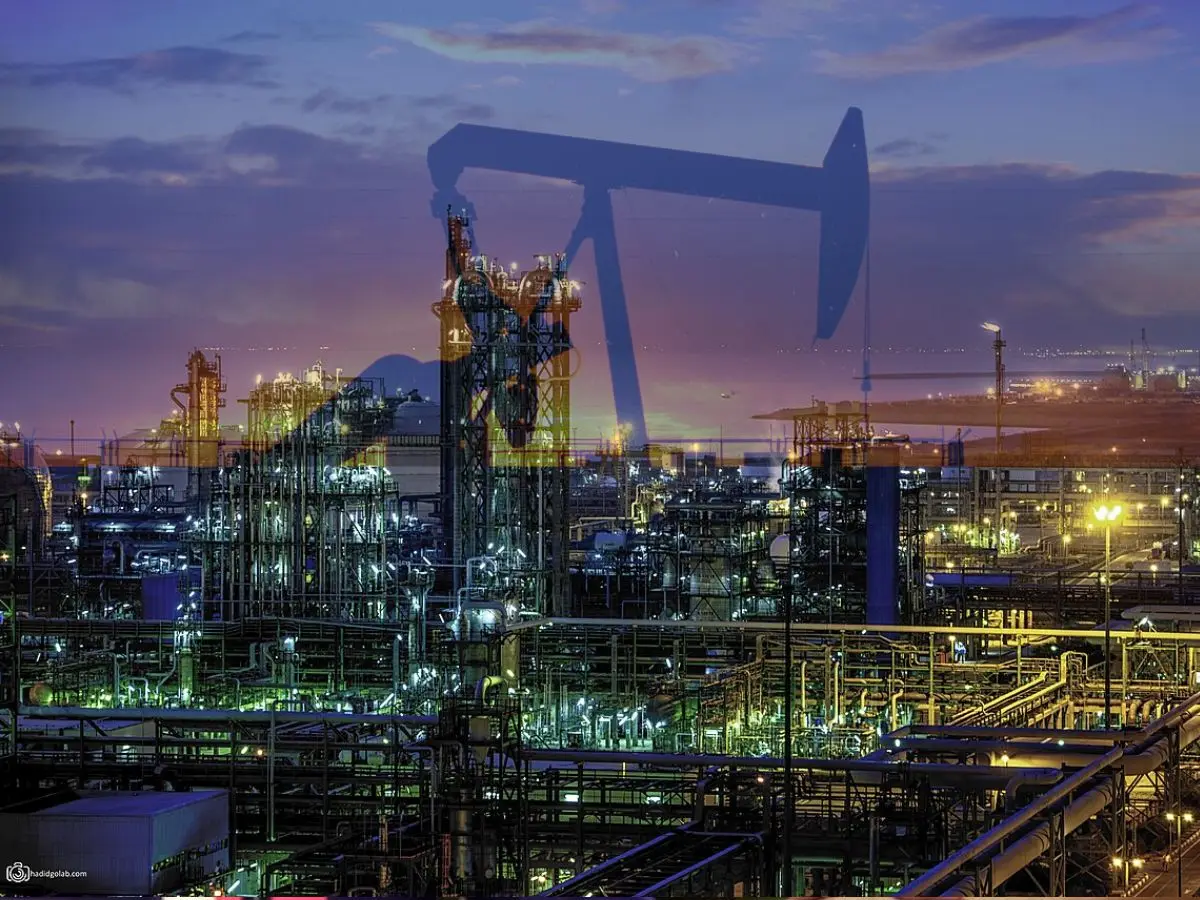
Representative image. Photograph: (Wikimedia Commons)
A key benchmark for refining margins has surged past $70 per barrel, well above its typical range of under $20. Refineries are running at unusually high utilisation rates to offset supply losses from the Middle East and Russia, but this comes with limits.
Continuous attacks by Ukraine on a Russian refinery and a Houthi attack on a Saudi refining facility has disturbed in balance of Global fuel supply, resulting in surged of diesel prices. According to media reports, refining margins in Europe had increased by 10 per cent. This outcome is due to the war in the Middle East and the Ukrainian drone attacks on the refinery network of Russia.
The report also indicated that diesel futures in the United States booked their sharpest rise since July on Monday, adding 7.4 per cent to $4.19 per gallon. According to AAA data, the average retail price for a gallon of diesel was $5.32 on Tuesday, which rose from $4.88 per gallon a month ago and $3.71 per gallon a year ago.
“Refining margins remain elevated because every additional barrel of product has become significantly more valuable than every additional barrel of crude,” Kpler lead analyst for refining supply and modelling, Sumit Ritolia, told the Wall Street Journal this week.
The report also indicates that the 3-2-1 crack spread, a key benchmark for refining margins, has surged past $70 per barrel, well above its typical range of under $20. Refineries are running at unusually high utilisation rates to offset supply losses from the Middle East and Russia, but this comes with limits. Kpler's Ritolia told the WSJ that utilisation above 90-95 per cent leaves refineries with almost no operational flexibility. Exxon and Chevron recently reported utilisation rates between 95-97 per cent, while Shell's exceeded 100 per cent.
As refineries now enter maintenance season, a critical period for ensuring fuel supply security, some output will inevitably be lost, likely pushing fuel prices higher still. Certain regions face a broader refinery shortage, particularly Europe, where refineries have been shutting down for years amid EU and national decarbonization efforts aimed at mass transport electrification. Since this shift hasn't fully materialised, demand for hydrocarbon fuels remains strong, even as domestic refining capacity shrinks, leaving the EU more exposed to global energy markets and driving up its import costs.
Rebalance of supply chain
Trending Stories
&imwidth=280&imheight=210&format=webp&quality=medium)
&im=FitAndFill=(700,400)&imwidth=280&imheight=210&format=webp&quality=medium)
&im=FitAndFill=(700,400)&imwidth=280&imheight=210&format=webp&quality=medium)
&imwidth=280&imheight=210&format=webp&quality=medium)
&imwidth=280&imheight=210&format=webp&quality=medium)
&imwidth=280&imheight=210&format=webp&quality=medium)
&imwidth=280&imheight=210&format=webp&quality=medium)
&imwidth=280&imheight=210&format=webp&quality=medium)
&imwidth=280&imheight=210&format=webp&quality=medium)
&imwidth=280&imheight=210&format=webp&quality=medium)
&imwidth=280&imheight=210&format=webp&quality=medium)
&imwidth=280&imheight=210&format=webp&quality=medium)
&imwidth=280&imheight=210&format=webp&quality=medium)
&imwidth=280&imheight=210&format=webp&quality=medium)
&imwidth=280&imheight=210&format=webp&quality=medium)
&imwidth=280&imheight=210&format=webp&quality=medium)
&imwidth=280&imheight=210&format=webp&quality=medium)
&imwidth=280&imheight=210&format=webp&quality=medium)
&imwidth=280&imheight=210&format=webp&quality=medium)
&imwidth=280&imheight=210&format=webp&quality=medium)
&imwidth=280&imheight=210&format=webp&quality=medium)
&imwidth=280&imheight=210&format=webp&quality=medium)
&im=FitAndFill=(700,400)&imwidth=280&imheight=210&format=webp&quality=medium)
&imwidth=280&imheight=210&format=webp&quality=medium)
&imwidth=280&imheight=210&format=webp&quality=medium)
&imwidth=280&imheight=210&format=webp&quality=medium)
&imwidth=280&imheight=210&format=webp&quality=medium)
&imwidth=280&imheight=210&format=webp&quality=medium)
&imwidth=280&imheight=210&format=webp&quality=medium)
&imwidth=280&imheight=210&format=webp&quality=medium)
&imwidth=280&imheight=210&format=webp&quality=medium)
&imwidth=280&imheight=210&format=webp&quality=medium)
&imwidth=280&imheight=210&format=webp&quality=medium)
Analysts currently expect refining margins to remain significantly higher than usual until the end of the year. If the war in the Middle East ends in future, it will likely take time to rebalance the supply chain. China, which had prevented a spike in global crude oil futures by cutting back on imports, doesn't appear poised to do the same for fuel prices.
While the country has maintained its export restrictions, it has eased them somewhat, permitting refiners to export more fuel in August. This temporary relaxation of export caps applies for the month, though refiners unable to secure buyers for their full allotment will be allowed to carry some volumes over into September.
This move is unlikely to ease the global fuel shortage, much like record U.S. exports haven't fully resolved it — even though they've helped offset some of the shortfall from Russia and the Middle East. Meanwhile, within the U.S., diesel inventories have dropped to their lowest level for this time of year in three decades, according to Reuters' reporting on record diesel prices. This means the U.S., despite being the world's largest oil and fuel exporter, has limited room to further increase exports to fuel-starved regions.
The US Energy Information Administration stated earlier this week that it expects some oil production in the Middle East to remain offline well into 2027, potentially through the end of the year. This points to a prolonged supply squeeze on both crude oil and fuel supplies. Such a trend could accelerate toward electrification, though rising fuel costs spreading across industries, including EV manufacturing, might also dampen demand for EVs themselves.

