

&imwidth=800&imheight=600&format=webp&quality=medium "RBI says West Asia conflict poses short-term risks to India’s growth and inflation, FY27 GDP growth projected at 6.9%")
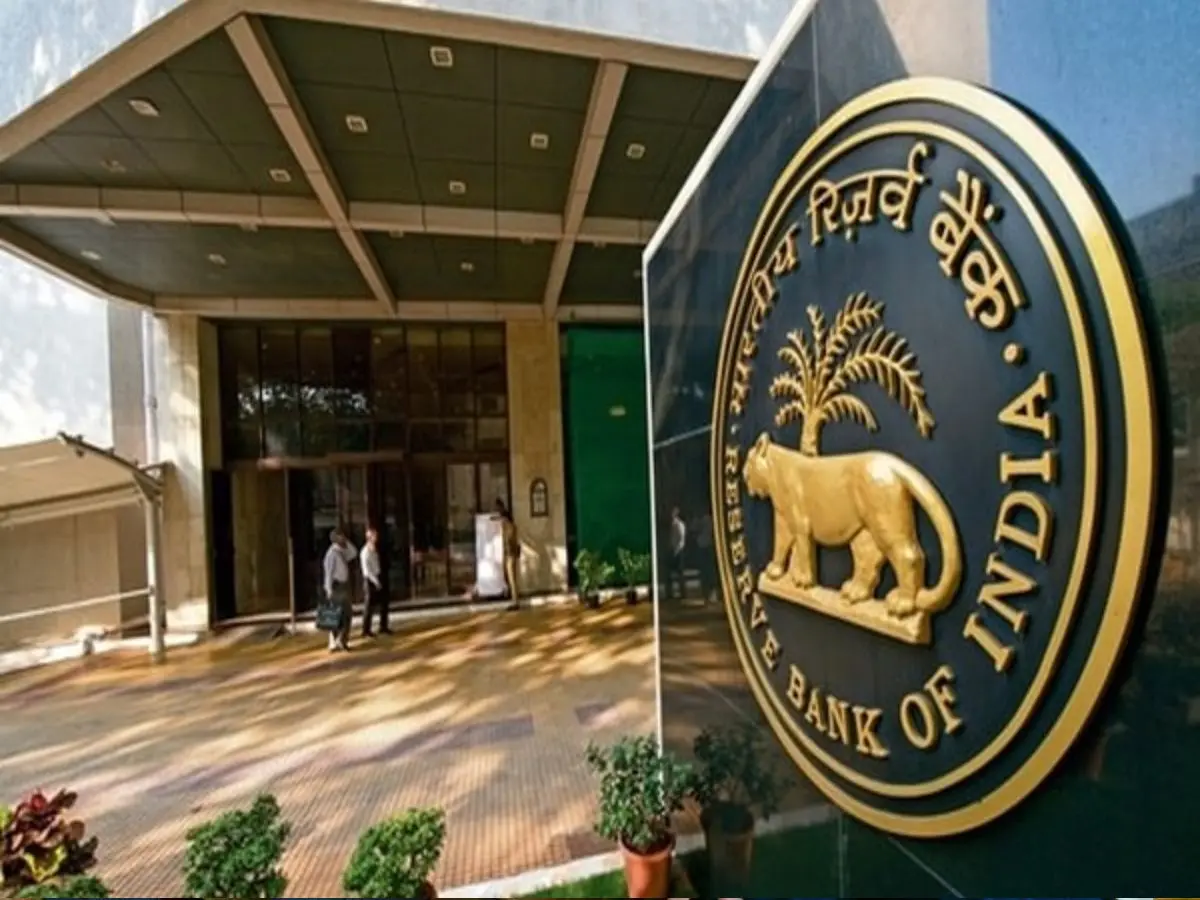
The Reserve Bank of India has warned that a prolonged conflict in West Asia could disrupt India’s growth and inflation trajectory, even as it maintained that ‘the outlook for the Indian economy in 2026-27 remains positive, supported by strong macroeconomic fundamentals’. The RBI nevertheless retained its FY27 real GDP growth forecast at 6.9 per cent, assuming the impact of the West Asia conflict remains contained in the near term. Inflation for FY27 has been projected at 4.6 per cent, although the central bank said risks remain “tilted to the upside”.
Energy Prices and Supply Chains in Focus
The central bank flagged elevated crude oil and commodity prices as a key concern, warning that any escalation in the conflict could intensify inflationary pressures globally and domestically. “With continued geopolitical tensions, inflation faces upside risks. The surging energy prices and disruptions in key shipping routes could intensify supply-side pressures,” the RBI said.
The report noted that global growth could weaken to 3.1 per cent in 2026 amid the ongoing West Asia conflict. World trade volume growth, projected at 2.8 per cent in 2026, also remains vulnerable to geopolitical shifts and inflation linked to energy prices. According to the RBI, evolving growth-inflation dynamics may force central banks worldwide to carefully balance inflation control against protecting economic growth.
India’s Growth Outlook Remains Positive
Trending Stories
&imwidth=180&imheight=135&format=webp&quality=medium)
Brendan Taylor overtakes Andy Flower to become Zimbabwe’s leading ODI run-scorer
&imwidth=180&imheight=135&format=webp&quality=medium)
Researchers name newly discovered Andean plant after Argentina legend Lionel Messi
&imwidth=180&imheight=135&format=webp&quality=medium)
Lawrence Bishnoi gang claims responsibility for firing at Tiger Shroff over ties to Salman Khan
&imwidth=180&imheight=135&format=webp&quality=medium)
Flying car race: Alef Aeronautics welcomes Tesla Roadster '11 years' later, but are the two models the same?
&imwidth=180&imheight=135&format=webp&quality=medium)
Shastri backs Shami comeback; lauds Bhuvi and warns Bumrah on format workload ahead of World Cup
&imwidth=180&imheight=135&format=webp&quality=medium)
Netanyahu rival Benny Gantz quits Israel election race, vows to push for unity government
&imwidth=180&imheight=135&format=webp&quality=medium)
Saudi Arabia asks skyscraper employees to work from home amid Houthi threats
&imwidth=180&imheight=135&format=webp&quality=medium)
NFl 2026/27 - Saints vs Steelers to go ahead in Paris next week despite protest
&imwidth=180&imheight=135&format=webp&quality=medium)
4 killed, 19 critically injured in grass fire at Canada's largest military base
&im=FitAndFill=(700,400)&imwidth=180&imheight=135&format=webp&quality=medium)
Ghaziabad is world's fastest-growing city; Surat, Patna, Rajkot also feature on list
&imwidth=180&imheight=135&format=webp&quality=medium)
Nobel laureate Machado, who dedicated prize to Trump, confirmed as Venezuela opposition leader
&imwidth=180&imheight=135&format=webp&quality=medium)
After Kennedy Center and reflecting pool disputes, Trump turns to Washington golf course plan amid legal battle
&imwidth=180&imheight=135&format=webp&quality=medium)
Why France looks the most fragile in the G7 amid protests and budget deadlock
&imwidth=180&imheight=135&format=webp&quality=medium)
Asian Para Games: Nishad Kumar clinches T47 long jump gold; Ravi Budigina bags swimming silver
&imwidth=180&imheight=135&format=webp&quality=medium)
China responds to Trump's Press Secretary Katie Zacharia after toilet remark: 'Visit China more often'
&imwidth=180&imheight=135&format=webp&quality=medium)
PCB omits Atherton, Hussain from tri-series commentary panel over Imran Khan interview row
&imwidth=180&imheight=135&format=webp&quality=medium)
Anthropic’s public benefit plan: What its 5% share commitment means for AI’s future
&imwidth=180&imheight=135&format=webp&quality=medium)
Girl 'dead' for 8 hours wakes up at her own funeral, dad insists she wasn't breathing
&imwidth=180&imheight=135&format=webp&quality=medium)
MI5 is opening an AI threat centre, and OpenAI just told MPs the worst isn't over
&imwidth=180&imheight=135&format=webp&quality=medium)
Elon Musk features on Lucknow's 'anti-India' Ravan poster alongside Rahul Gandhi, Akhilesh
&im=FitAndFill=(700,400)&imwidth=180&imheight=135&format=webp&quality=medium)
New OTT releases this week (October 19-25, 2026): Gajab Raat to Chaar Yaar-8 titles to watch during Dussehra week on Netflix, Prime Video and more
&imwidth=180&imheight=135&format=webp&quality=medium)
Kylie Jenner makes Victoria’s Secret debut in $50 million diamond-encrusted design as Timothée Chalamet cheers
&imwidth=180&imheight=135&format=webp&quality=medium)
Putin wants joint meeting with Trump-Xi summit on Ukraine war, proposes talks alongside APEC: Report
&imwidth=180&imheight=135&format=webp&quality=medium)
No Ravindra Jadeja, Yashasvi Jaiswal in India’s 2027 ODI World Cup plans: Report
&imwidth=180&imheight=135&format=webp&quality=medium)
India moves to buy 10,000 more AI chips for a national compute pool open to startups
&imwidth=180&imheight=135&format=webp&quality=medium)
Anirudh Ravichander-Kavya Maran wedding: Telangana CM reveals Chennai reception date
&im=FitAndFill=(700,400)&imwidth=180&imheight=135&format=webp&quality=medium)
Tesla Roadster engineering: The hidden hardware behind its flying demonstration
&imwidth=180&imheight=135&format=webp&quality=medium)
Karan Johar reimagines Student Of The Year with thriller series After Dark, Shanaya Kapoor to debut on OTT
&imwidth=180&imheight=135&format=webp&quality=medium)
US to review Russia sanctions waiver within 60 days as Rubio cites India’s ‘substantial’ Russian energy imports
&imwidth=180&imheight=135&format=webp&quality=medium)
'Grassroots leagues help bridge the gap': India's ODI WC winner Suresh Raina lauds ISCL ahead of Season 2
&imwidth=180&imheight=135&format=webp&quality=medium)
'We feel like Mr India': Gujarat’s undercover SHE team guard garba nights at Navratri
&imwidth=180&imheight=135&format=webp&quality=medium)
Cattle-feed bran in biscuits, detergent in milk: FSSAI acts against 3 companies
&imwidth=180&imheight=135&format=webp&quality=medium)
'It's a joy to see the makers bring it on such a grand scale': SS Rajamouli on Ramayana
&imwidth=180&imheight=135&format=webp&quality=medium)
Priest dies after crucifix falls on his head during livestreamed Mass in Ecuador | VIDEO
Despite external headwinds, the RBI said India remains the world’s fastest-growing major economy, expanding by 7.6 per cent in 2025-26 compared with 7.1 per cent a year earlier. The central bank attributed this resilience to “strong domestic consumption, sustained investment, proactive policy initiatives and sound macroeconomic fundamentals”.
“The healthy balance sheets of the corporate and banking sectors along with the government’s continued thrust on capital expenditure bode well for India’s strong growth trajectory,” the RBI said. It also pointed to trade agreements with key partners as a potential source of further economic momentum.
Banking System and Inflation Risks
The RBI said India’s banking system remains resilient due to improved asset quality, stable credit growth and adequate capital buffers. However, lingering geopolitical tensions could still affect corporate earnings and loan portfolios.
The report also warned that domestic bond yields could rise if global monetary easing slows in response to persistent oil price shocks. Still, the RBI expressed confidence that adequate foodgrain stocks, stable agricultural prospects and sufficient reservoir levels would help keep inflation broadly under control.

