Philippines cancels classes, flights as it braces for new storm after 9 killed in 'Typhoon Ragasa'

&imwidth=600&imheight=450&format=webp&quality=medium "Philippines cancels classes, flights as it braces for new storm after 9 killed in 'Typhoon Ragasa'")
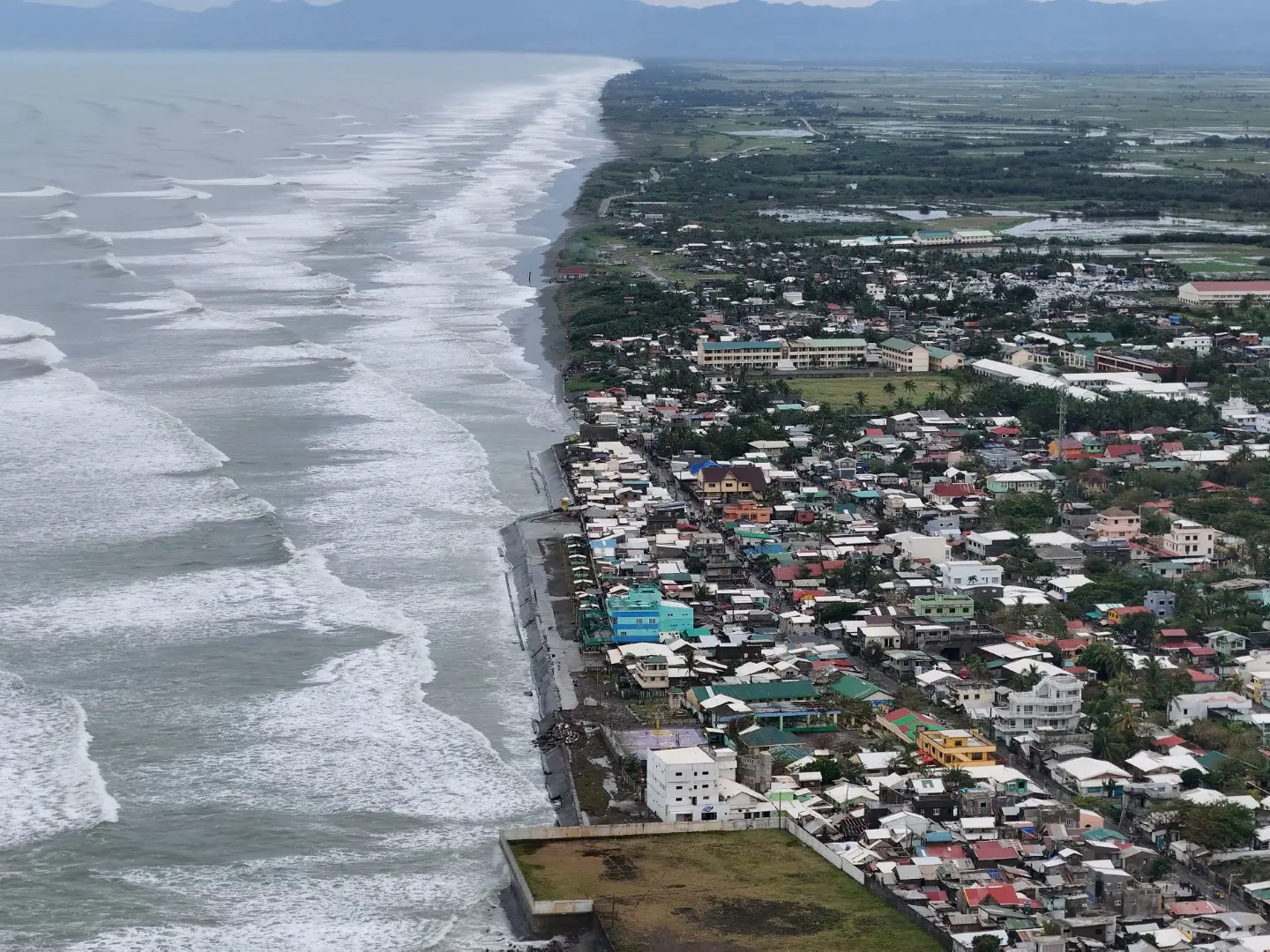
Representational Image. Photograph: (AFP)
The storm claimed the lives of several fishermen in Cagayan’s northern waters when massive waves overturned their boat during Ragasa, while another victim was killed by a falling tree.
After a fresh storm threatened to hit just days after a super typhoon, Ragasa, known in the Philippines as Nando, killed nine people, the government has decided to shut schools and scrap flights on Thursday (Sep 25). The weather agency forecasted that a severe Tropical Storm is likely to intensify into a typhoon on Friday, and it will hit the southern end of the Philippines' largest island, Luzon.
"Widespread flooding and landslides in mountainous areas are possible," Benison Estareja from the nation's weather service told in a briefing, news agency AFP reported. Scientists indicated that the warming of Earth due to the effects of human-driven climate change is prompting storms to become more powerful. Officials also warned that the coming storm might be of a "high risk of life-threatening" up to three meters (10 feet).
Meanwhile, the Philippine Coast Guard claimed that around 1,500 people were stranded in ports of Bicol, where the typhoon is likely to hit. In addition, thousands were also still displaced in the rain-soaked nation following the passing of Super Typhoon Ragasa over the northern end of the country that claimed the lives of at least nine people.
The weather bureau added that the exterior bands of Bualoi are likely to bring rain to the northern Philippines. "These rains are continuous and may cause renewed flooding, and landslides, especially in areas that are already saturated," Civil Defence Administrator Harold Cabreros said late Wednesday.
President Ferdinand Marcos's assurance of relief supplies
Seven fishermen also lost their lives in Cagayan’s northern waters when massive waves overturned their boat during Ragasa, while another victim was killed by a falling tree. In Benguet province, north of Manila, a typhoon-induced landslide claimed the life of a 74-year-old man and left at least seven others injured.
Trending Stories
)
)
)
)
)
)
)
)
)
)
)
)
)
)
)
)
)
)
)
)
)
)
)
)
)
)
)
)
)
)
)
)
)
)
&im=FitAndFill=(700,400))
)
)
)
)
President Ferdinand Marcos said late Wednesday that food, medicine, and other relief supplies had been pre-positioned in regions expected to be affected by Typhoon Bualoi. The storm strikes as public frustration mounts over an alleged flood-control scam that reportedly drained billions from taxpayers.
The Philippines faces an average of 20 storms and typhoons each year, leaving millions of residents in vulnerable areas trapped in cycles of recurring hardship.

