Pentagon gives clean chit to Defense Secretary Lloyd Austin on secret hospitalisations

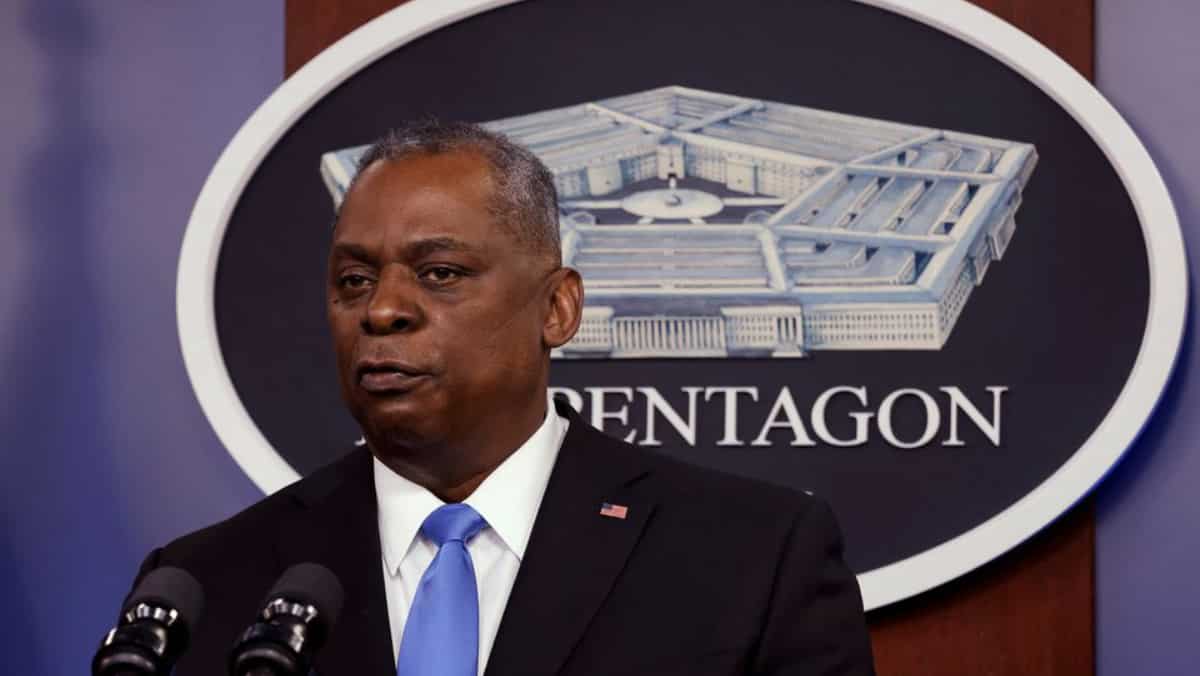
Lloyd Austin
Pentagon has given a clean chit to US Secretary of Defense Lloyd Austin over his secret hospitalisations related to his cancer diagnosis. In a three-page concluding report released on Monday (Feb 26), the Pentagon said it found no"indication of ill intent or an attempt to obfuscate" by Austin or his staff.
The Pentagon chief had not informed the top government leaders during two separate secret hospitalisation incidents which led to a boiling controversy with opposition leaders demanding his resignation for negligence.
Pentagon in its report accepted that the process followed under which Austin transferred his powers to his deputy could have been improved.

“Although, as hindsight has shown, the process for making decisions to transfer the Secretary’s authority could and should be improved. Nothing examined during this review demonstrated any indication of ill intent or an attempt to obfuscate,” the report added.
The assessment by the Pentagon comes a couple of weeks after Austin was once again hospitalised at theWalter Reed National Military Medical Center.
Unlikethe previous hospitalisations that were kept secret, deputy defense secretary Kathleen Hicks, Joint Chiefs of Staff, the White House and Congress were notified about Austin's health crisis.
)
The Early Spring is proof not everyone can talk about their real feelings, and it is perfectly OK
)
UN votes to ‘correct the map’ as India backs fairer world view
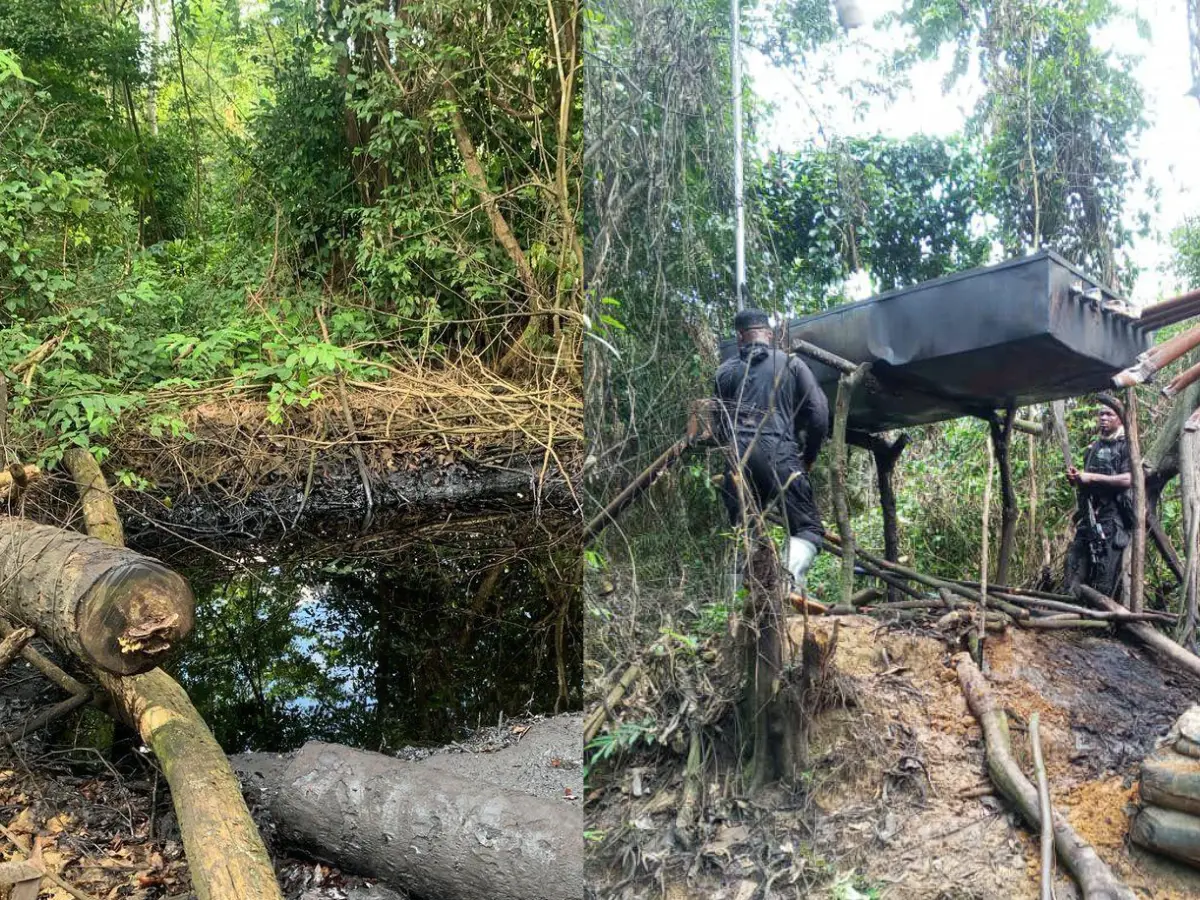)
Nigerian Navy discovers 99,000 litres of suspected stolen, illegally refined products as it intensifies anti-crude oil theft operations
)
Who is Aditi Paudel? 17-year-old becomes Japan's first literacy ambassador
)
Bengaluru: Officials find 40 kg expired chilli at chairman's club
)
Jaishankar rejects trade link to ending Ukraine war
)
Israeli strikes on Lebanon kill three, injure 23 despite truce
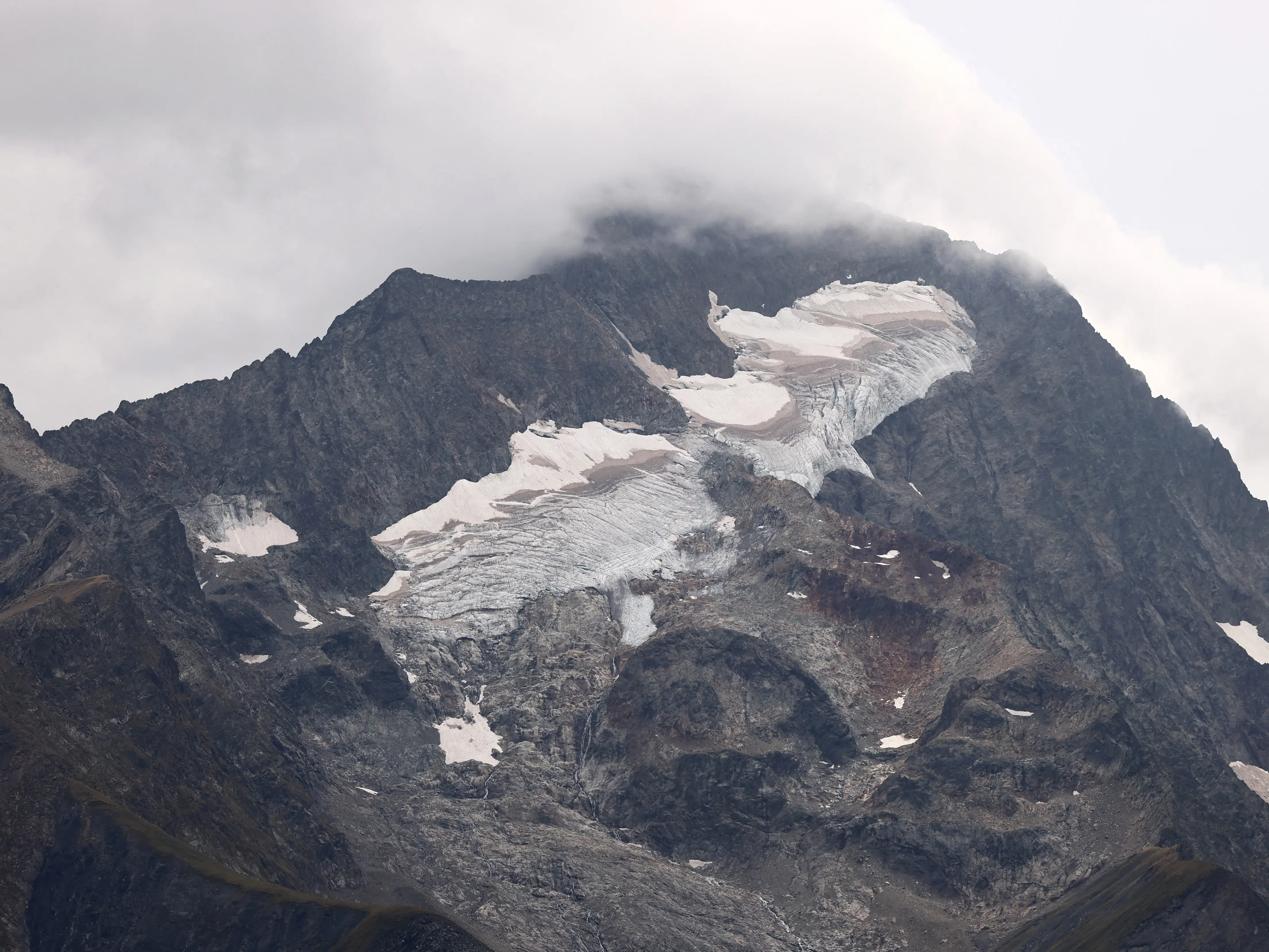)
Alpine glacier was covered with sheep wool sheets to prevent melting. It worked
)
South Korea mulls deploying military assets to Strait of Hormuz
)
World's fifth-largest economy, British army can't afford to train
)
Breaking | Vance takes the podium: First White House briefing since Leavitt's exit
)
Taiwan raises 'concerns' over China's missile test
)
BRICS 2026: $1 trillion sovereign capital set to converge in Delhi for first iBRICS Summit
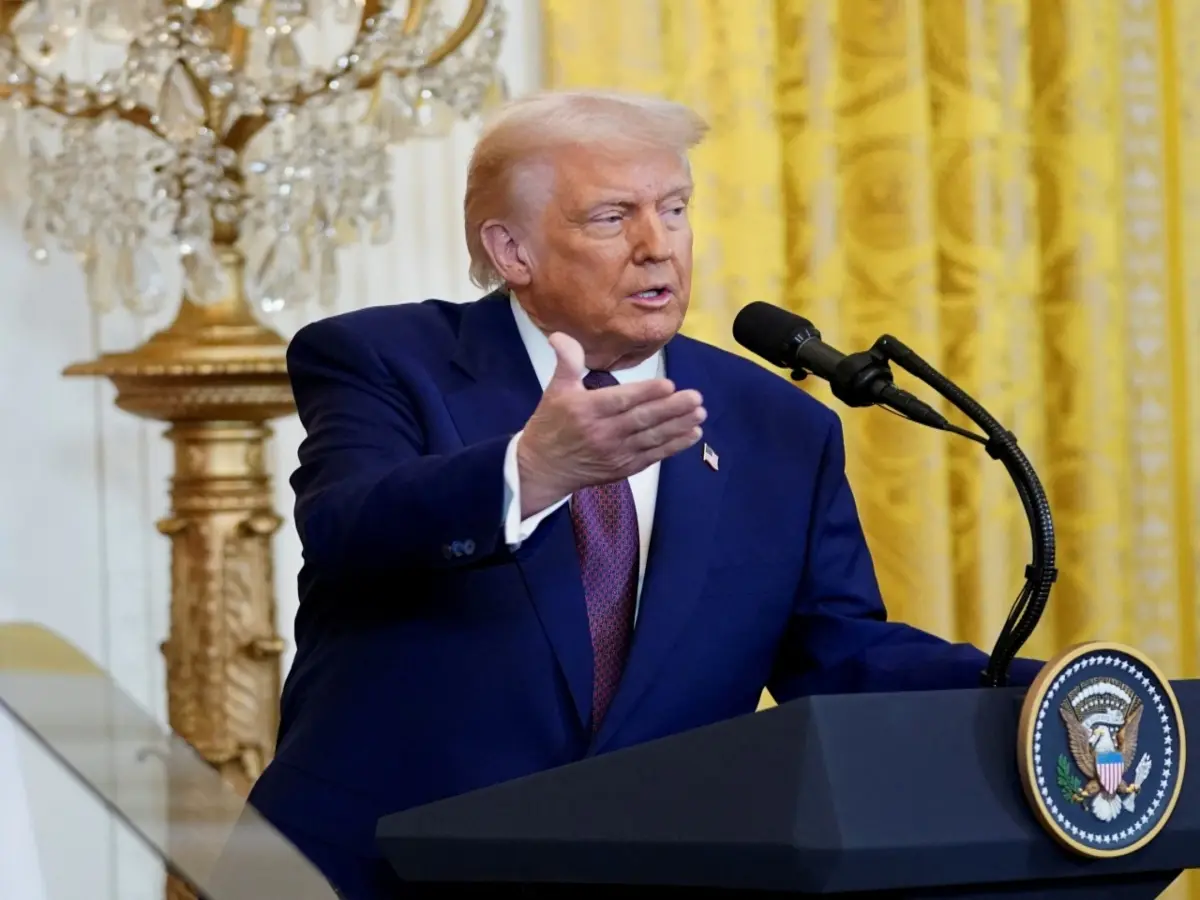)
What is Iran's Pickaxe Mountain that Trump has again threatened to bomb?
)
UN votes to correct world map that visually shrank Africa for 450 years
)
Former NewJeans member Danielle launches YouTube channel, hints at new solo journey
)
Bangladesh batter Towhid Hridoy creates history with 350 not out in South Africa
)
Brendan Fraser’s transformation fuels The Mummy 4 excitement as fans welcome back Rick O’Connell
&im=FitAndFill=(700,400))
Krishna Janmashtami 2026: From Dhaniya Panjiri to Makhana Kheer- 5 best sweet dishes perfect for celebrating Lord Krishna’s birth
)
Donald Trump plans to travel to Ireland on Qatari-donated jet amid security concerns
)
Nazi-looted art to return to Jewish heirs
)
Eight killed in Kerala’s Thrissur after car rams into lorry parked on highway
&im=FitAndFill=(700,400))
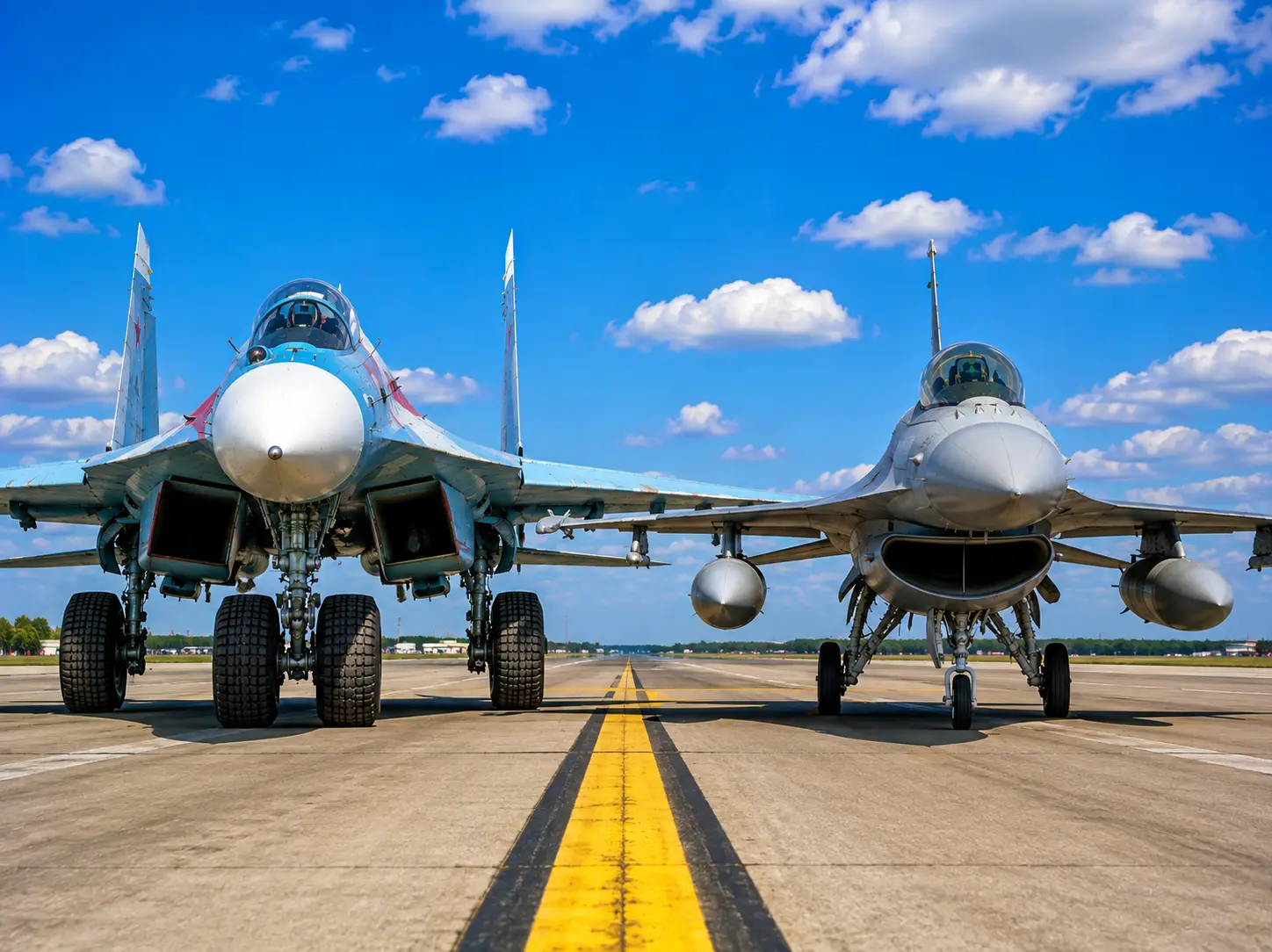
Why Russian fighter jets use bulky, low-pressure tyres compared to US jets
)
FBI-wanted fraud accused arrested in Jalandhar over $600,000 scam
&im=FitAndFill=(700,400))
Why US tanks weigh over 20 tons more than Russian tanks
&im=FitAndFill=(700,400))
New Friday OTT releases (September 4, 2026): GDN, Dhamaal 4, Jagamae Sangeetham- Watch 6 new movies and TV shows on Netflix, Prime Video and more
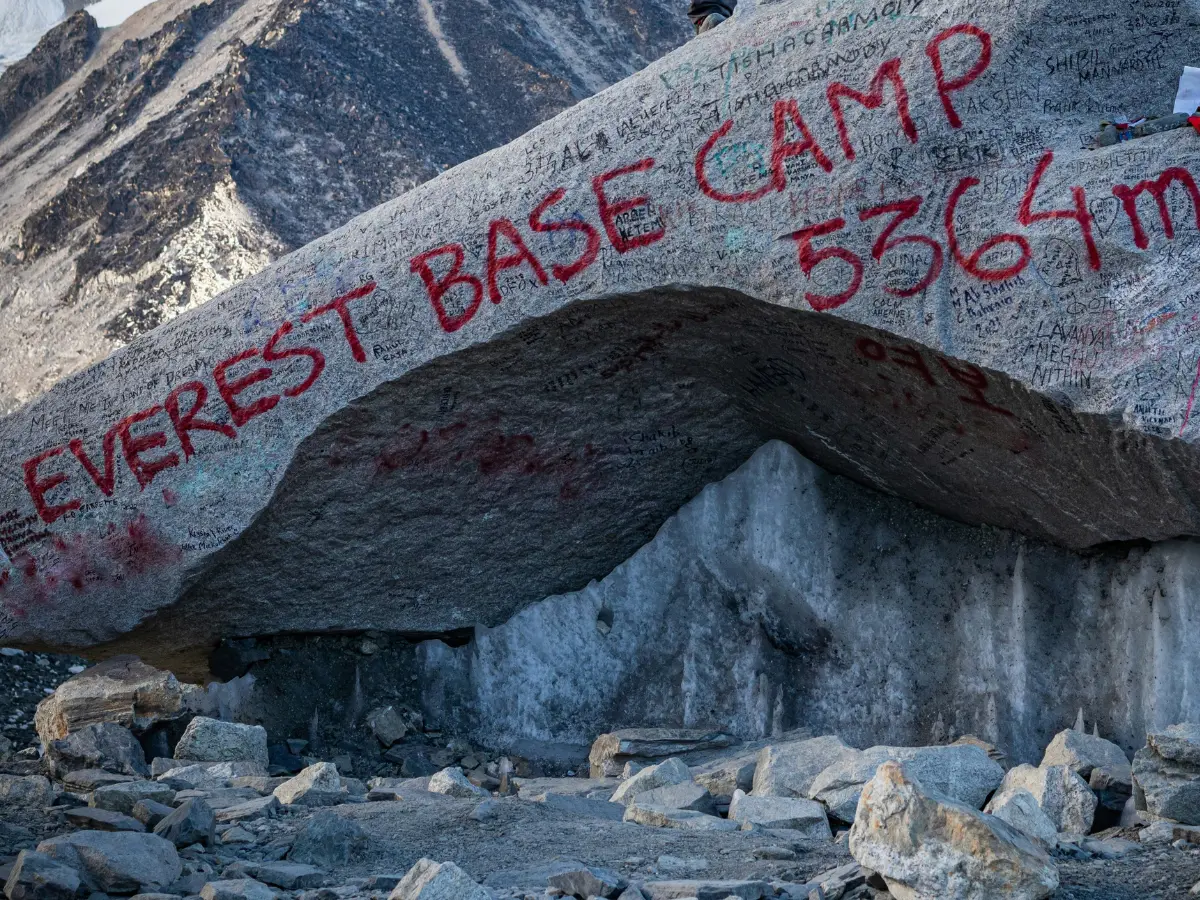)
Killing the Himalayas slowly: Human urine is melting a glacier on Mount Everest
Watch |US defense secretary Lloyd Austin's secret hospitalization: All you need to know
What happened to Austin?
Austin had vanished from the public eye in Decemberand early January this year after suffering complications from treatment for prostate cancer.
Austin kept the hospitalisations secret, with the White House, Pentagon and other important departments and people remaining oblivious that President Joe Biden's top military adviser was missing from action for an extended period.
Austin, 70, had undergone minor surgery on December 22 after early detection of prostate cancer in routine screening.
After the procedure, Austin recovered without event and returned home the next morning. However, complications soon emerged and evaluation revealed that abdominal fluid collection was impairing the function of his small intestines.
The defense secretary was hospitalised on New Year's Day (Jan 1) in the Intensive Care Unit (ICU) due to complications from an elective medical procedure.
Surprisingly, the Pentagon did not make any official announcement until four days later while waiting to notify other top government officers about Austin's absence.
The US defense secretary is only below the president in the chain of command for the US military and is regarded as one of the most important cabinet members. Hence, Austin'sprolonged absence from the office with multiple wars happening simultaneously, raised a lot of eyebrows.
(With inputs from agencies)