

&imwidth=800&imheight=600&format=webp&quality=medium "Pakistan unveils FATAH-3 supersonic cruise missile modelled on Chinese technology. Know in detail")
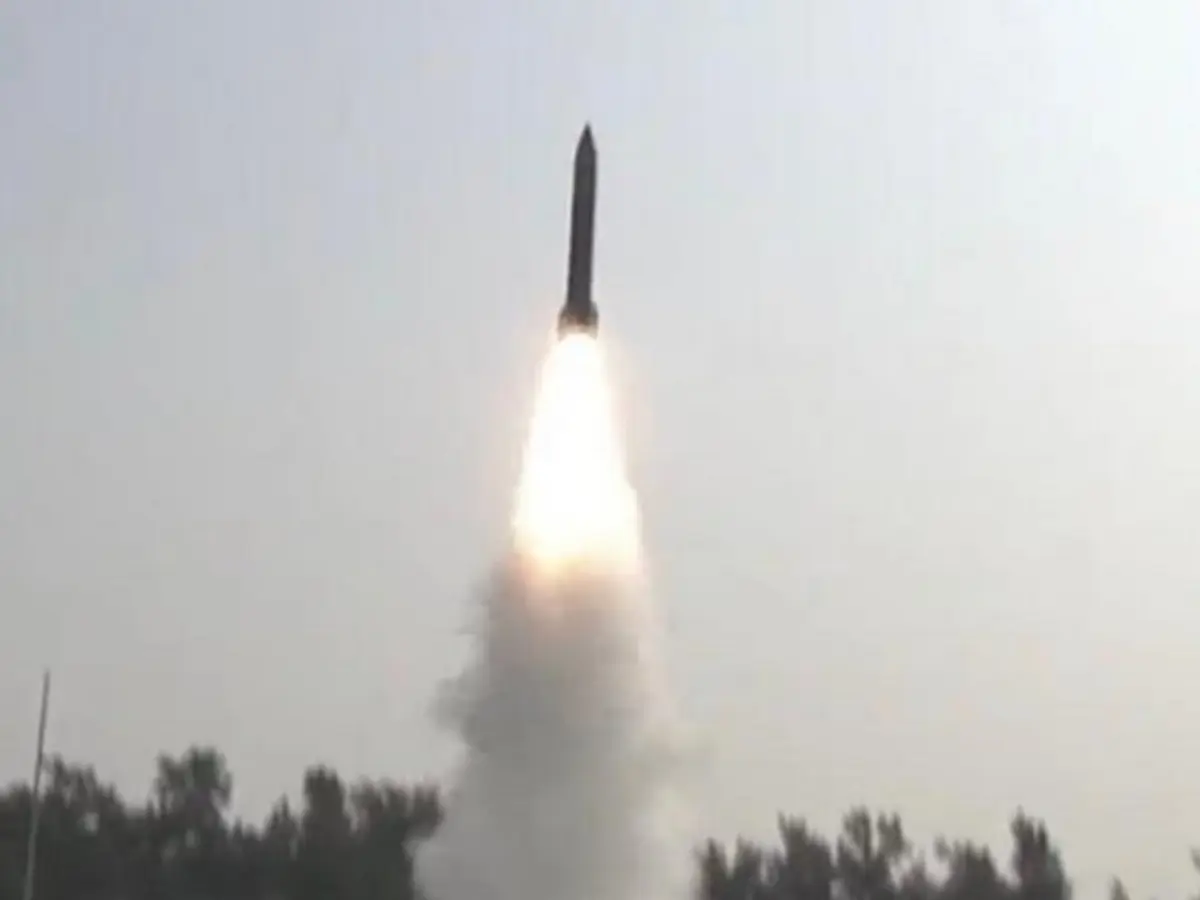
Pakistan on Thursday (May 7) unveiled its FATAH-3 supersonic cruise missile modelled on Chinese technology. The missile was showcased to the public on the first anniversary of last year’s four-day conflict with India. The missile, a derivative of China’s HD-1, not only reflects its deepening ties with Beijing but Islamabad wants to project it as an answer to India’s BrahMos, which has an upper hand in operational supersonic strike system.
Modelled on China's HD-1, here are some key points about the capabilities of this missile.
- The system has Mach 2.5 to Mach 4 terminal velocity
- Has terrain-hugging and sea-skimming flight characteristics
- sharply compresses interception timelines for conventional air-defence networks while complicating radar tracking
- Capable of complicating radar tracking, engagement sequencing and layered interception calculations
- Also compresses interception timelines for conventional air-defence networks
On May 7, India too marked the anniversary of Operation Sindoor launched to avenge the lives lost during the Pahalgam terror attack in Jammu and Kashmir on April 22 in which 26 people were killed.
During Operation Sindoor, Indian armed forces launched precision strikes, targeting terror camps deep inside Pakistan and Pakistan-occupied Kashmir (PoK). In the attacks, India struck several key Lashkar-e-Taiba and Jaish-e-Mohammad targets, killing hundreds of terrorists.
What happened on April 22?
Trending Stories
&imwidth=180&imheight=135&format=webp&quality=medium)
Viral video shows cross falling on Colombia priest, no official confirmation | WATCH
&imwidth=180&imheight=135&format=webp&quality=medium)
Trump’s approval ratings hit a new low, Democrats want US president to campaign more
&imwidth=180&imheight=135&format=webp&quality=medium)
France reports first human case of livestock virus Shamonda, patient dies; what we know so far
&imwidth=180&imheight=135&format=webp&quality=medium)
Trump called Musk to lift Starlink restrictions affecting Ukraine's military operation: Report
&imwidth=180&imheight=135&format=webp&quality=medium)
Two BrahMos missiles on Tejas, triple the range and 100% indigenisation, says former BrahMos CEO
&imwidth=180&imheight=135&format=webp&quality=medium)
Ilhan Omar breaks silence over alleged marriage to her brother; Trump thinks it's 'really good answer'
&imwidth=180&imheight=135&format=webp&quality=medium)
Pakistan signs another defence pact even as Makkah Alliance shows no teeth. This time, it's with Qatar, Indonesia, Turkey
&imwidth=180&imheight=135&format=webp&quality=medium)
Netanyahu dials PM Modi, invites him and Capt Smit Machchhar to light torch on Israel’s Independence Day
&imwidth=180&imheight=135&format=webp&quality=medium)
Iran to invade neighbours soon, Israeli jets in action, American troops ready to strike any moment
&imwidth=180&imheight=135&format=webp&quality=medium)
US midterms 2026: US Supreme Court allows New Hampshire to restrict student IDs for voting
&imwidth=180&imheight=135&format=webp&quality=medium)
A secret code, a midnight escape and 300 deaths: The Russian officer who turned on Putin
&imwidth=180&imheight=135&format=webp&quality=medium)
Trump ordered to answer questions under oath in BBC defamation lawsuit by December 11
&imwidth=180&imheight=135&format=webp&quality=medium)
Putin says Russia is ready to resume Ukraine-US peace talks but rejects 'short ceasefire' amid deadly attacks
&imwidth=180&imheight=135&format=webp&quality=medium)
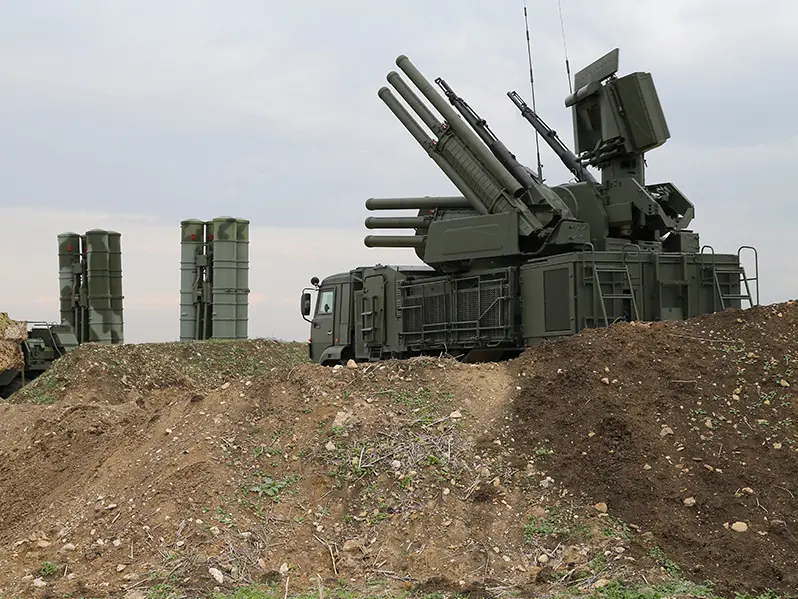
From Agni-V to Project Kusha: How are India’s indigenous missile systems and defence shield reshaping modern warfare
&imwidth=180&imheight=135&format=webp&quality=medium)
'It's a crime not to see this scene': Tehran puts Trump 'behind bars'
&imwidth=180&imheight=135&format=webp&quality=medium)
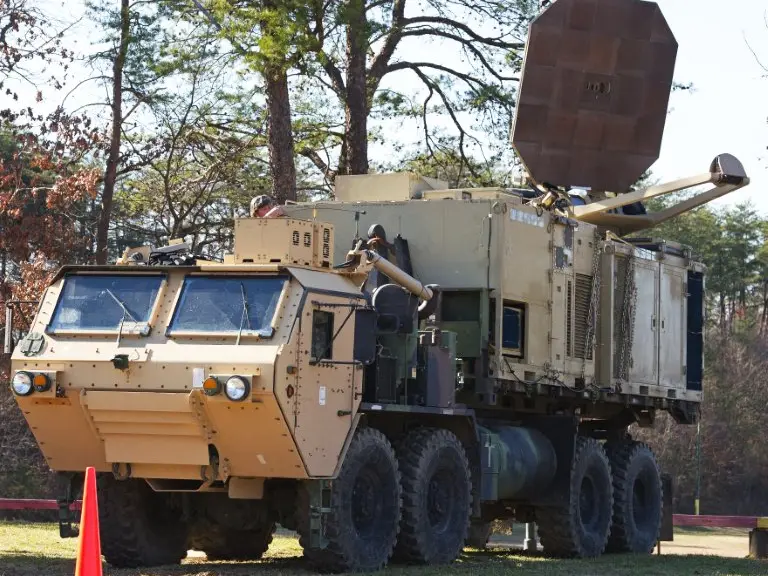
What is the ‘heat ray’ weapon? Pete Hegseth reportedly authorises DHS to test it at US-Mexico border
&imwidth=180&imheight=135&format=webp&quality=medium)
China's dancing robot turns violent bodyguard, lifts cars and fights intruders - Watch
&imwidth=180&imheight=135&format=webp&quality=medium)
Watch: India rejects ‘imprecise and unsupported’ references in UN migrant rights report
&imwidth=180&imheight=135&format=webp&quality=medium)
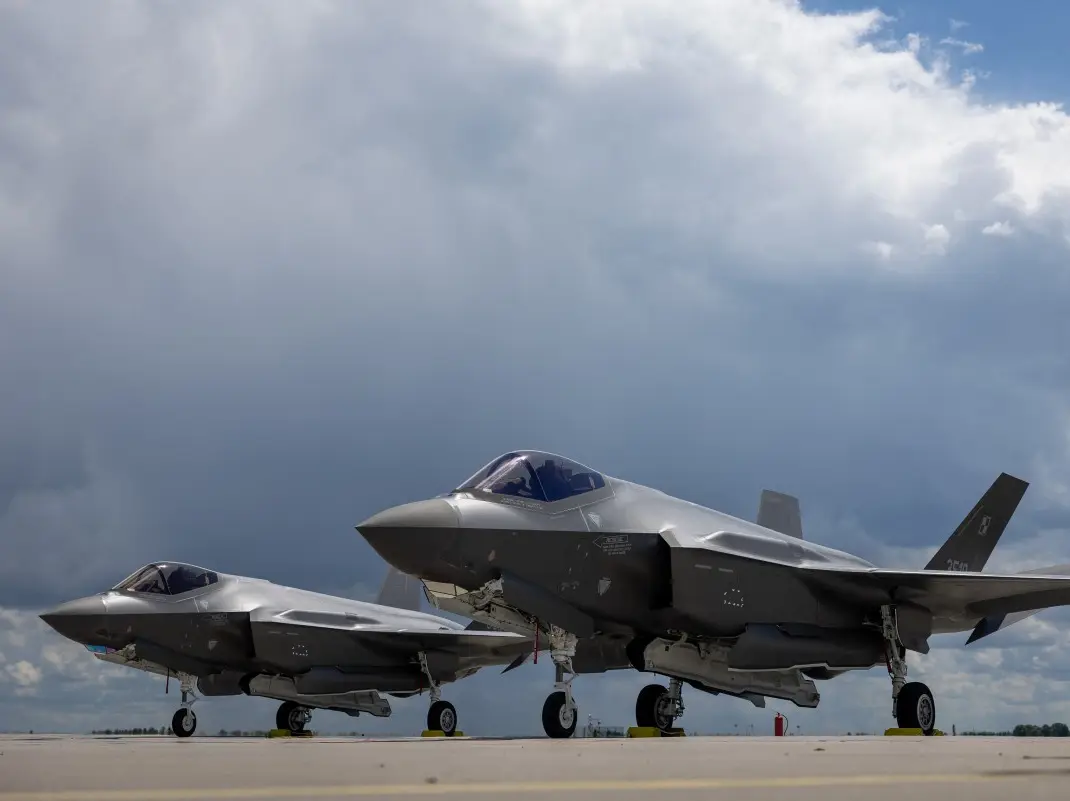
US to get 850 F-35 stealth fighter jets under 10-year Pentagon-Lockheed deal
&imwidth=180&imheight=135&format=webp&quality=medium)
GRAVITAS | Putin fires nuclear-capable hypersonic missiles, Zelensky ready to surrender 25% territory
&imwidth=180&imheight=135&format=webp&quality=medium)
'That was great, who threw that punch?': Trump asks as protester punched at rally
&imwidth=180&imheight=135&format=webp&quality=medium)
‘I caution the president...’: Trump’s ex-press secretary warns after Zacharia’s exit
&im=FitAndFill=(700,400)&imwidth=180&imheight=135&format=webp&quality=medium)
Serbia elections: Nearly 150,000 people take to streets in massive rally against Aleksandar Vucic | In pics
&imwidth=180&imheight=135&format=webp&quality=medium)
'This is despicable': Amy Acton hits back at Vivek Ramaswamy over Ohio campaign ad featuring her estranged mother
&imwidth=180&imheight=135&format=webp&quality=medium)
'Gyanu must go': CJP's Saurav Das, Ashutosh Ranka after release, despite Jantar Mantar protest undertaking
&imwidth=180&imheight=135&format=webp&quality=medium)
Finance influencer dies by suicide in Chennai; father accuses tech CEO, who denies charge
&imwidth=180&imheight=135&format=webp&quality=medium)
'Vivek should keep it up': Trump defends Ramaswamy's controversial campaign ad targeting Amy Acton
&imwidth=180&imheight=135&format=webp&quality=medium)
One man, 8 months of work, and a river dirty again: Why Bittu Tabahi may quit
&imwidth=180&imheight=135&format=webp&quality=medium)
ENG vs SL: Harry Brook’s 202 goes in vain as Sri Lanka pull off second-highest ODI chase
&imwidth=180&imheight=135&format=webp&quality=medium)
ENG vs SL: Harry Brook breaks Shubman Gill’s record for fastest ODI double century
&imwidth=180&imheight=135&format=webp&quality=medium)
US midterms 2026: Elon Musk’s political spending hits $445 million as Republicans battle to retain Senate control
&imwidth=180&imheight=135&format=webp&quality=medium)
Saudi Arabia targeted yacht carrying 14 Indians in Red Sea, rescue underway, Houthis claim
On the fateful day of April 22, 2025, when the tourists were enjoying the picturesque scenery of the Baisaran Valley in Jammu and Kashmir’s Pahalgam, shots echoed across the meadow. Armed terrorists of Pakistan-based Lashkar-e-Taiba (LeT) targeted Hindu men after infiltrating the Indian territory, killing 26 civilians in one of the deadliest terror attacks since the 2008 Mumbai attacks.
On May 7, India retaliated against the devastating Pahalgam terror attack by launching precision strikes against nine terror targets in Pakistan and Pakistan-occupied Kashmir. The strikes conducted under Operation Sindoor targeted the Jaish-e-Mohammad stronghold of Bahawalpur and the Lashkar-e-Taiba Muridke base. Over 100 terrorists were killed in the operation, including Yusuf Azhar, Abdul Malik Rauf and Mudasir Ahmed.
