
&imwidth=800&imheight=600&format=webp&quality=medium "Pakistan’s 'crypto diplomacy' linked to Trump’s anti-India shift? US prez, family are linked to Pak business nexus, claim reports")
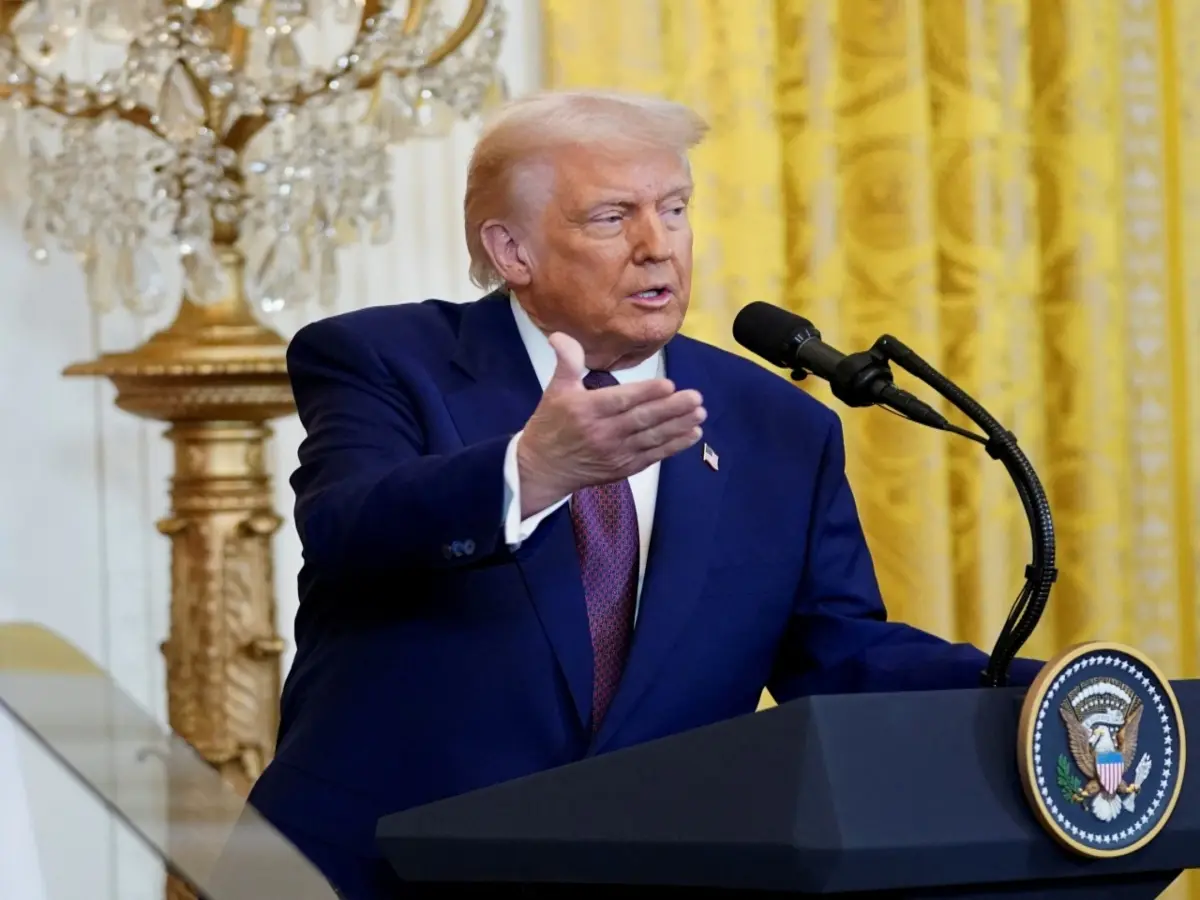
India and US are strategic partners, had improved trade and defence relations till Donald Trump’s presidency started upending it with tariffs, while warming up to Pakistan. Now, fresh claims suggest that the answer may lie not in geopolitics, but in business. World Liberty Financial (WLFI), a crypto project in which Trump and his sons reportedly hold a large stake, is at the heart of this story. According to reports, the Trump family allegedly controls around 60 per cent of the venture and receives the majority of its token revenues, estimated in the hundreds of millions.
Trump family, crypto profits and the Pakistan connection
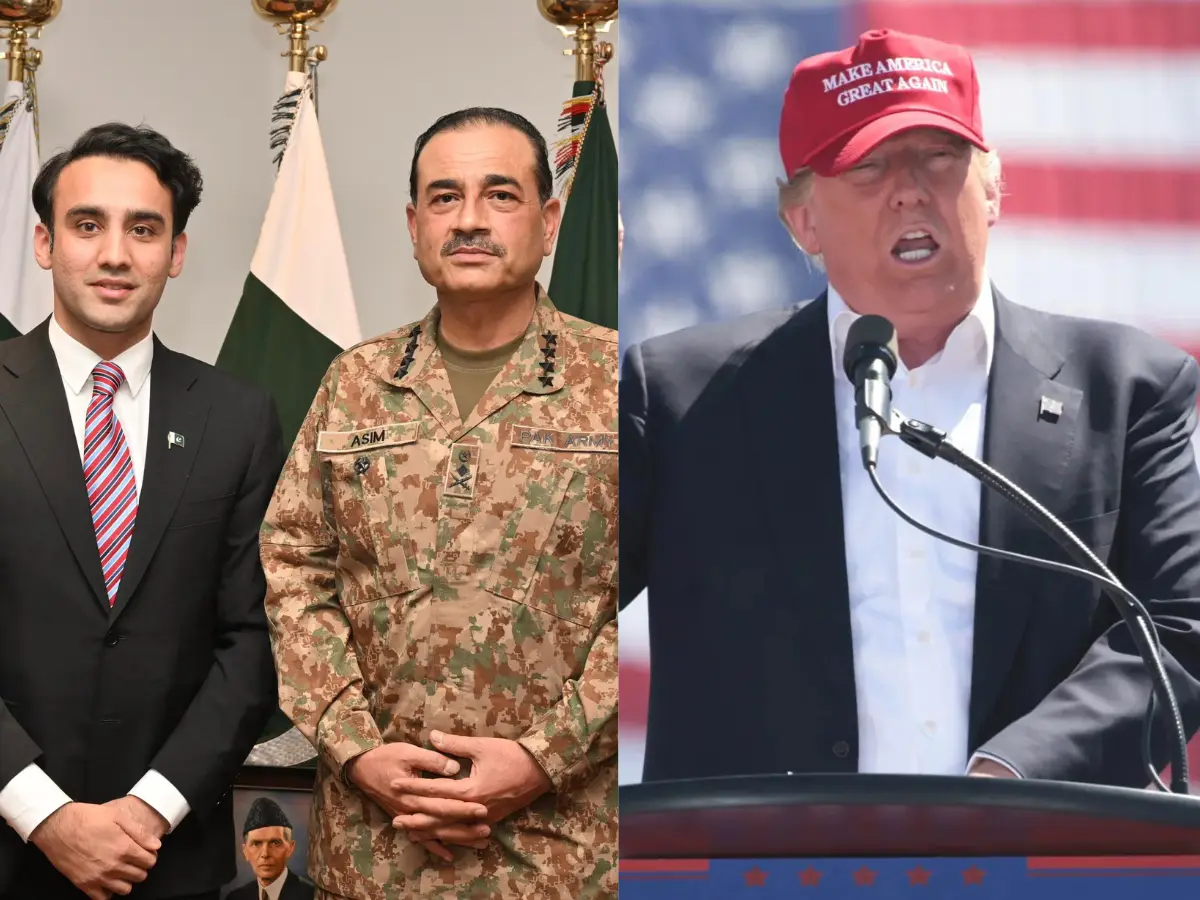
Bilal Bin Saqib, special assistant to Pakistan’s prime minister on blockchain and cryptocurrency has positioned himself as a key figure in shaping Pakistan’s crypto and AI policies. Photographs of him with Pakistan’s Army Chief, Gen Asim Munir, highlight the state-level endorsement of this effort. His appointment was publicly applauded by WLFI leaders, who praised him as an “A+ gentleman”—a message that some claim hints at a friendly overlap between Pakistani crypto ambitions and Trump-linked financial interests.

Saqib has also reportedly met Robert “Bo” Hines, a Trump-aligned crypto advisor, at the Bitcoin 2025 conference in Las Vegas. There, Pakistan promoted its plans to build Bitcoin mining infrastructure, AI innovation zones, and even a government-backed Bitcoin reserve. For Islamabad, this is about leapfrogging into a new financial order. For Trump’s circle, critics allege, it may be about deepening private business gains in Pakistan.
Jake Sullivan’s warning on Trump business deals with Pakistan
Trending Stories
)
The Early Spring is proof not everyone can talk about their real feelings, and it is perfectly OK
)
UN votes to ‘correct the map’ as India backs fairer world view
)
Nigerian Navy discovers 99,000 litres of suspected stolen, illegally refined products as it intensifies anti-crude oil theft operations
)
Who is Aditi Paudel? 17-year-old becomes Japan's first literacy ambassador
)
Bengaluru: Officials find 40 kg expired chilli at chairman's club
)
Jaishankar rejects trade link to ending Ukraine war
)
Israeli strikes on Lebanon kill three, injure 23 despite truce
)
Alpine glacier was covered with sheep wool sheets to prevent melting. It worked
)
South Korea mulls deploying military assets to Strait of Hormuz
)
World's fifth-largest economy, British army can't afford to train
)
Breaking | Vance takes the podium: First White House briefing since Leavitt's exit
)
Taiwan raises 'concerns' over China's missile test
)
BRICS 2026: $1 trillion sovereign capital set to converge in Delhi for first iBRICS Summit
)
What is Iran's Pickaxe Mountain that Trump has again threatened to bomb?
)
UN votes to correct world map that visually shrank Africa for 450 years
)
Former NewJeans member Danielle launches YouTube channel, hints at new solo journey
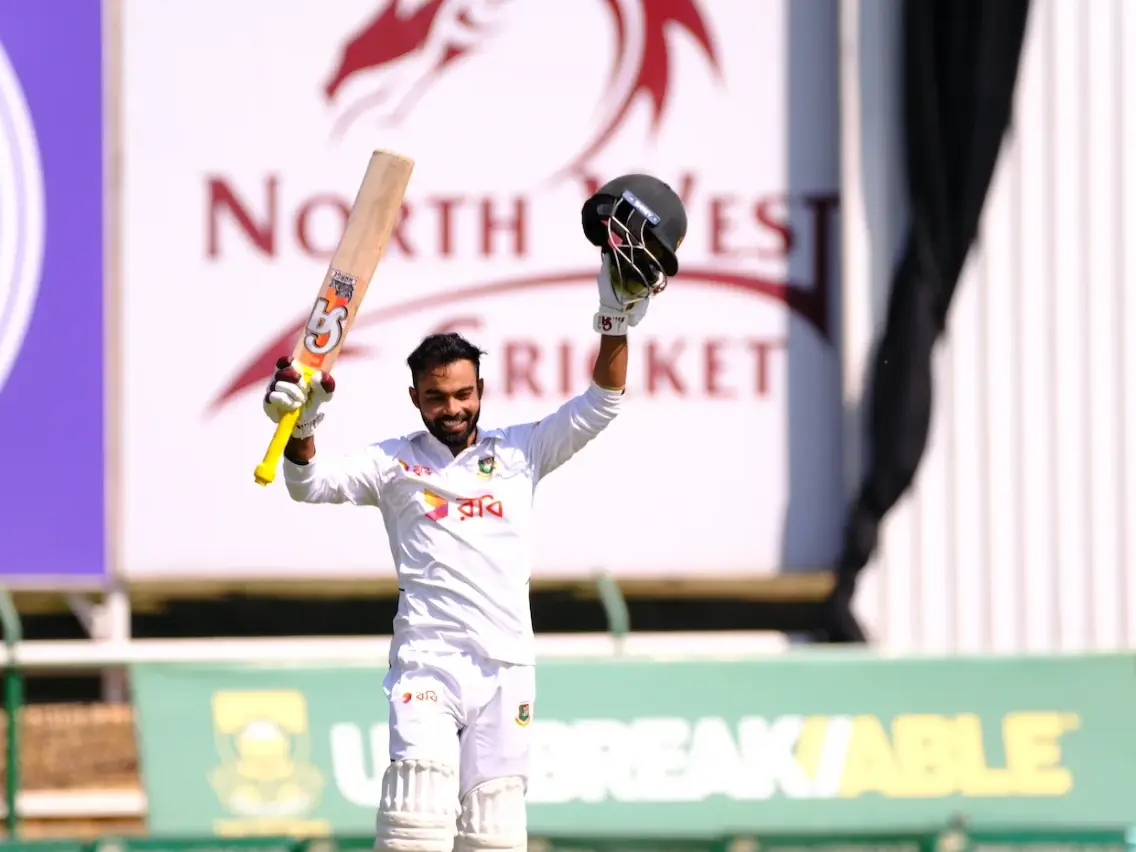)
Bangladesh batter Towhid Hridoy creates history with 350 not out in South Africa
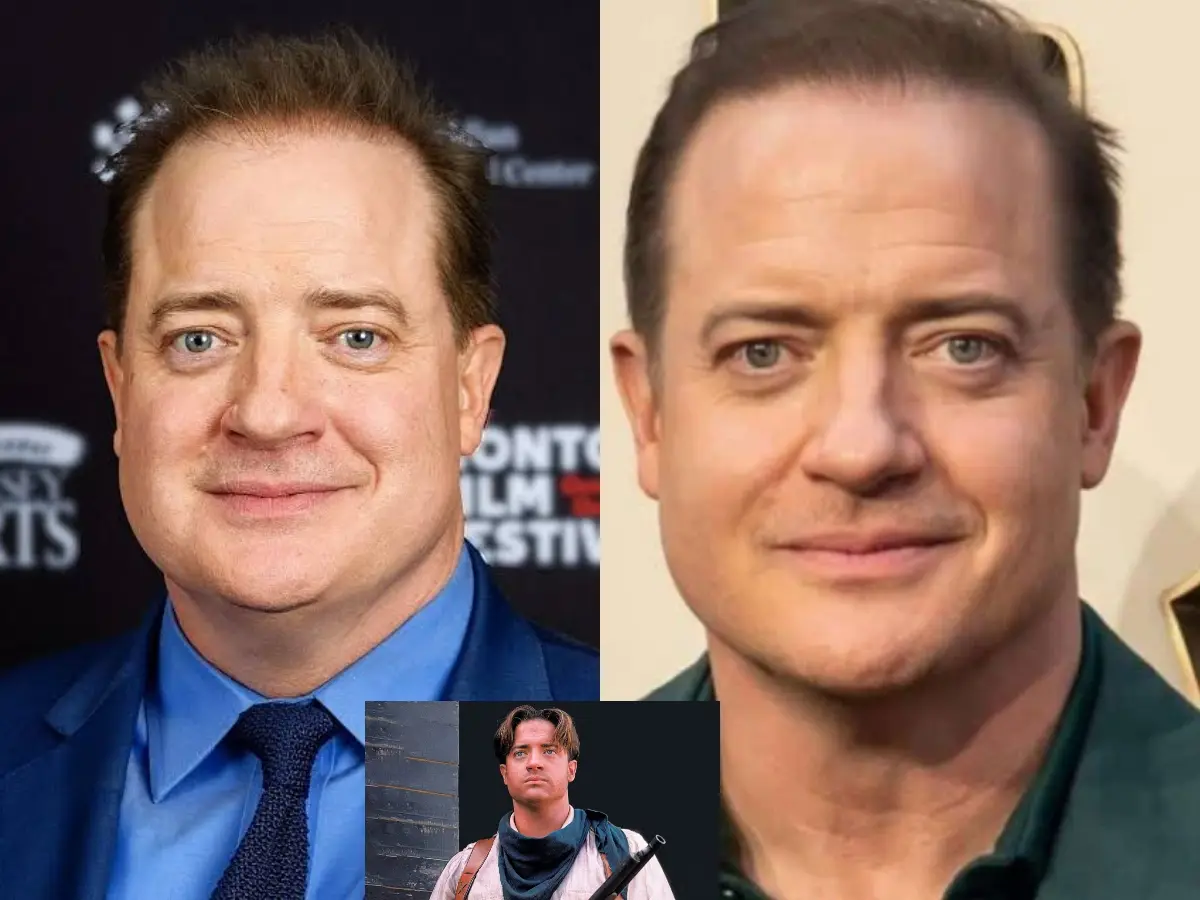)
Brendan Fraser’s transformation fuels The Mummy 4 excitement as fans welcome back Rick O’Connell
&im=FitAndFill=(700,400))
Krishna Janmashtami 2026: From Dhaniya Panjiri to Makhana Kheer- 5 best sweet dishes perfect for celebrating Lord Krishna’s birth
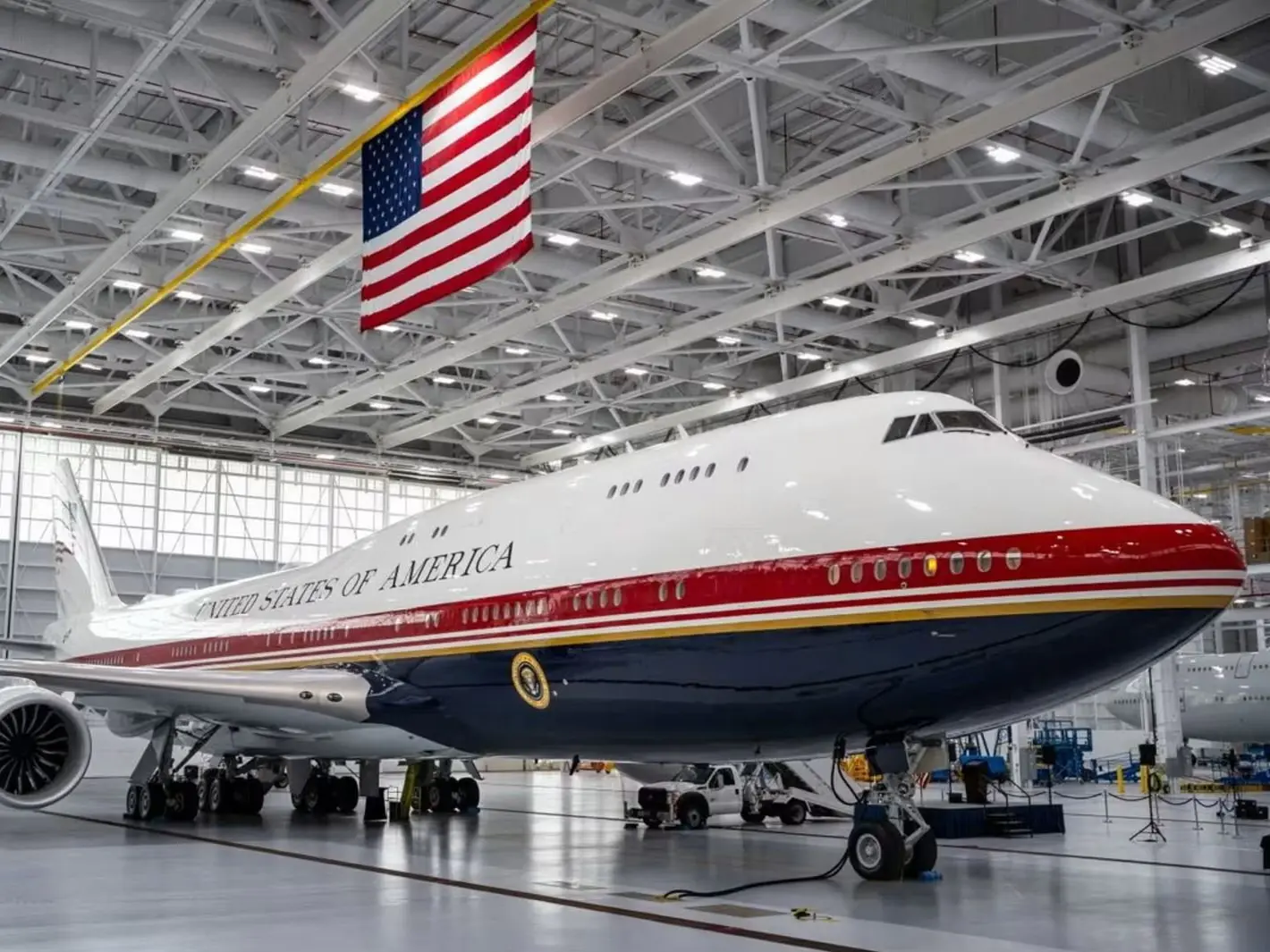)
Donald Trump plans to travel to Ireland on Qatari-donated jet amid security concerns
)
Nazi-looted art to return to Jewish heirs
)
Eight killed in Kerala’s Thrissur after car rams into lorry parked on highway
&im=FitAndFill=(700,400))
Why Russian fighter jets use bulky, low-pressure tyres compared to US jets
)
FBI-wanted fraud accused arrested in Jalandhar over $600,000 scam
&im=FitAndFill=(700,400))
Why US tanks weigh over 20 tons more than Russian tanks
&im=FitAndFill=(700,400))
New Friday OTT releases (September 4, 2026): GDN, Dhamaal 4, Jagamae Sangeetham- Watch 6 new movies and TV shows on Netflix, Prime Video and more
)
Killing the Himalayas slowly: Human urine is melting a glacier on Mount Everest
The recent reports on the crypto connection between Trump family and Pakistan came amid remarks by Jake Sullivan, former US National Security Advisor. In an interview with MeidasTouch, Sullivan said, “In no small part, I think because of Pakistan’s willingness to do business deals with the Trump family, he has thrown the India relationship over the side. That is a huge strategic harm in its own right.” Sullivan’s choice of words was striking as he made Trump's “business deals” the driving factor behind a major strategic shift.
Tariffs and the India question
India, notably, was ranked only 10th in America’s trade deficit list during Trump’s presidency. Yet it faced some of the harshest tariffs among US partners. This imbalance has puzzled observers. The alleged Pakistan–crypto connection offers one possible explanation. If Trump’s financial stakes were indeed entangled with Pakistani ventures, critics argue, India may have been strategically sidelined to accommodate Islamabad’s overtures.
What We Know—and What We Don’t
It is important to note that much of the evidence tying Trump’s crypto interests to Pakistan’s leadership is circumstantial and based on claims or reports, not verified disclosures. WLFI’s ownership structures are opaque. Bilal Bin Saqib’s associations with both Pakistan’s military and Trump-linked figures are documented, but whether these connections translated into actual influence on US foreign policy remains unproven.
Still, the overlapping timelines—WLFI’s rise, Saqib’s elevation, Munir’s US outreach, and India’s sudden tariff burden—make the narrative compelling enough to raise serious questions. Whether or not Pakistan’s crypto diplomacy directly influenced Donald Trump’s policies, the perception itself carries weight. In geopolitics, perception shapes strategy. The suggestion that private business could override decades of US strategic consensus on India is troubling—and for some, it offers a lens into why Trump, once expected to deepen the US–India partnership, allegedly turned his back on it.

