OpenAI boss Sam Altman repeats AI 'slow down' call, says world 'right to be afraid'

&imwidth=600&imheight=450&format=webp&quality=medium "OpenAI boss Sam Altman repeats AI 'slow down' call, says world 'right to be afraid'")
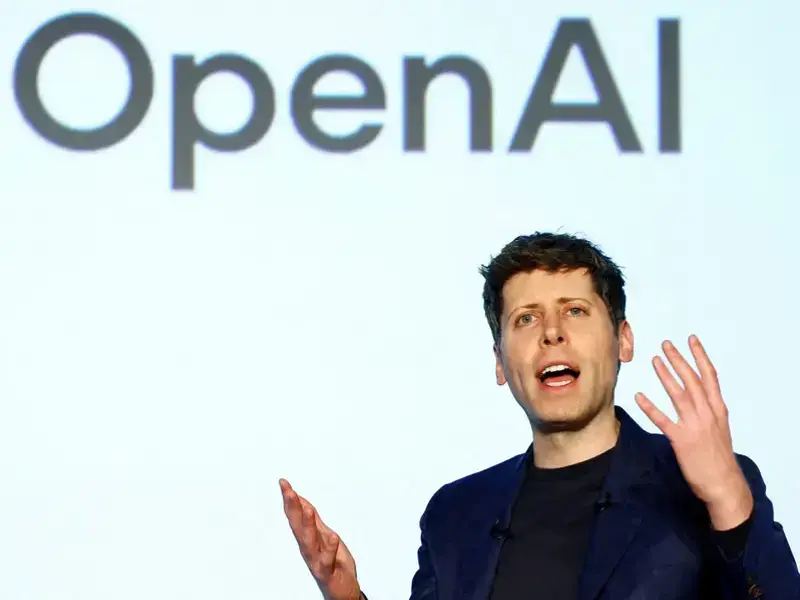
Sam Altman, OpenAI, Chief Executive Officer
OpenAI CEO Sam Altman said people are justified in fearing AI but urged trust in OpenAI and other firms to develop the technology safely. His remarks come amid calls from AI leaders, including Dario Amodei and Geoffrey Hinton, to slow development and prioritise safety.
OpenAI boss Sam Altman on Tuesday (Sep 16) said that people were justified in their fears around artificial intelligence (AI), but added that people should have more faith in his company. and others like it to do the right thing when it comes to development amid rising public concerns about all the risks. Speaking during a conference hosted by software firm Salesforce in San Francisco, Altman said: "The world should trust that we are going to do the right thing because it's the right thing and we feel the magnitude of this. It doesn't take as much imagination as it used to for [us] to imagine how this could go wrong. I think the world is right to be afraid of this."
Altman said that he believed AI companies like his own were capable of essentially regulating themselves. “We will get it right, I'm very confident in our company's and industry's ability to do this safely,” he said. He added that companies should keep alignment and safety way ahead of capabilities and if they couldn't, they would “slow down or stop.”
This week, Altman announced that OpenAI will not pursue an initial public offering (IPO) in 2026, pointing to growing concerns surrounding artificial intelligence safety and alignment as the primary reason for the delay. Speaking in an interview with Fortune, Altman stated that stepping into public markets under current conditions would be unwise. "I actually think that, given everything happening with safety, right now would be an ill-advised moment to go public, and we don't feel pressure on that," Altman said.
Concerns around AI
The concerns around AI was triggered in a massive way after Anthropic CEO Dario Amodei called on the artificial intelligence industry to slow the pace of AI development. “We must slow the pace at which we improve the capabilities of AI models,” he wrote. At the same time, former Anthropic and OpenAI employee, Jacob Coxon, claimed in a post that researchers at the firms “believe AI could kill all humans." Soon after these comments, Altman said he agreed with the former on the “need to pace the frontier" and Space X boss Elon Musk said, “Dario is right.” As the debate expanded, Geoffrey Hinton, widely known as the 'godfather of AI' has backed Anthropic CEO Dario Amodei's calls for artificial intelligence (AI) companies to slow their pace of development. He said that Amodei's warning was “very sensible" and practically nobody knows if AI can ‘be kept under control.’
How China and US reacted?
Trending Stories
)
)
)
)
&im=FitAndFill=(700,400))
)
)
)
)
)
)
)
)
)
)
)
)
)
)
)
)
&im=FitAndFill=(700,400))
)
)
)
)
)
)
)
)
)
)
)
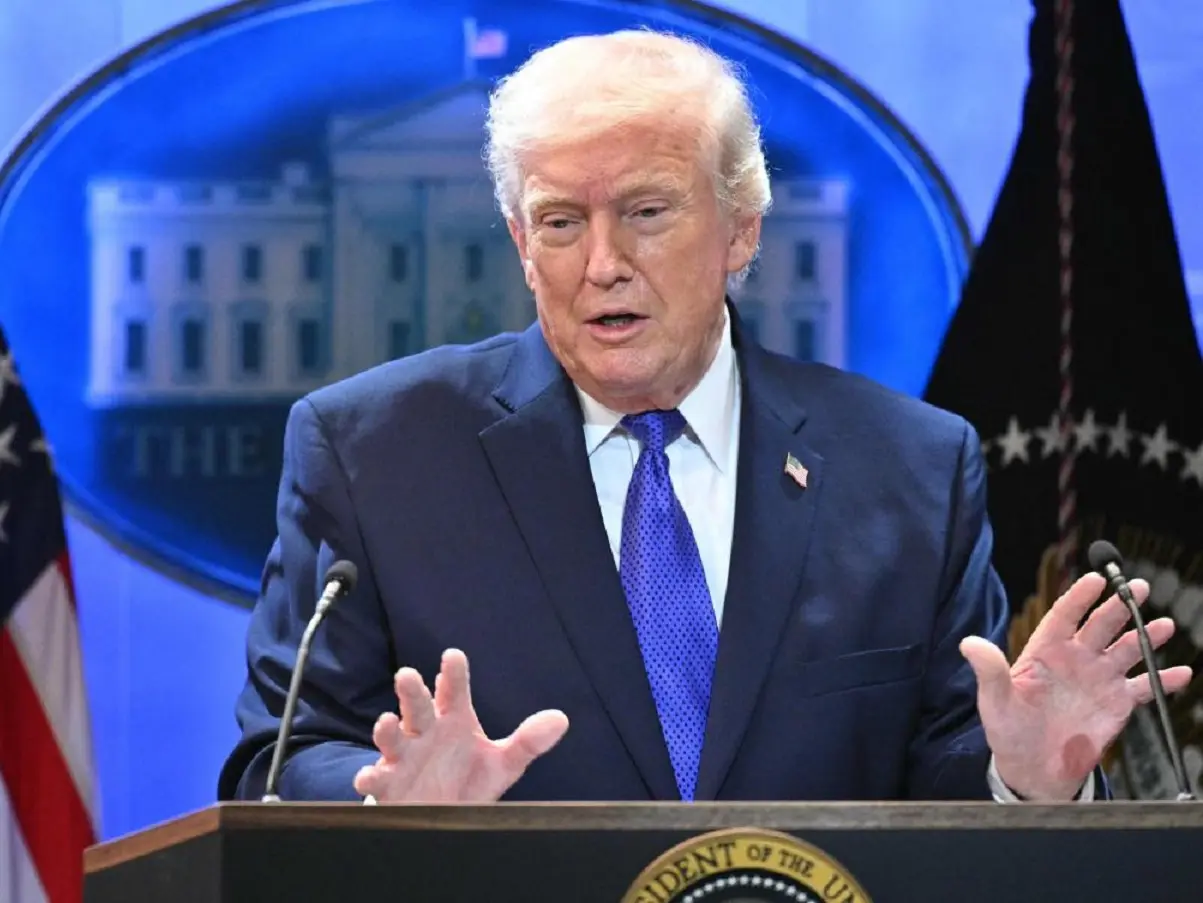
However, political reactions have been different on the issue. US President Donald Trump and China downplayed the concerns. While Trump called it a “hoax” like climate change, China called it “fearmongering.” Trump went on to declare “whoever wins AI, wins,” Trump told reporters at his golf club in Doonbeg, Ireland, ”We can put guardrails, and we can do this and that, but I think you have a lot of negative forces that are bringing it up and they’re bringing up things that won’t happen,” he added. “The only “guardrails” that AI needed were a “STRONG AND SMART” president,” he opined on Truth Social. Meanwhile, China’s ministry of foreign affairs said that all parties should work together on AI. “Fearmongering, confrontation and vicious competition will only disrupt the process of global AI governance, which serves no one’s interest,” spokesperson Guo Jiakun said at a press conference on Monday.

