‘We should be worried’: Oil prices surge as renewed US-Iran attacks threaten Hormuz and Red Sea shipping routes

&imwidth=600&imheight=450&format=webp&quality=medium "‘We should be worried’: Oil prices surge as renewed US-Iran attacks threaten Hormuz and Red Sea shipping routes")
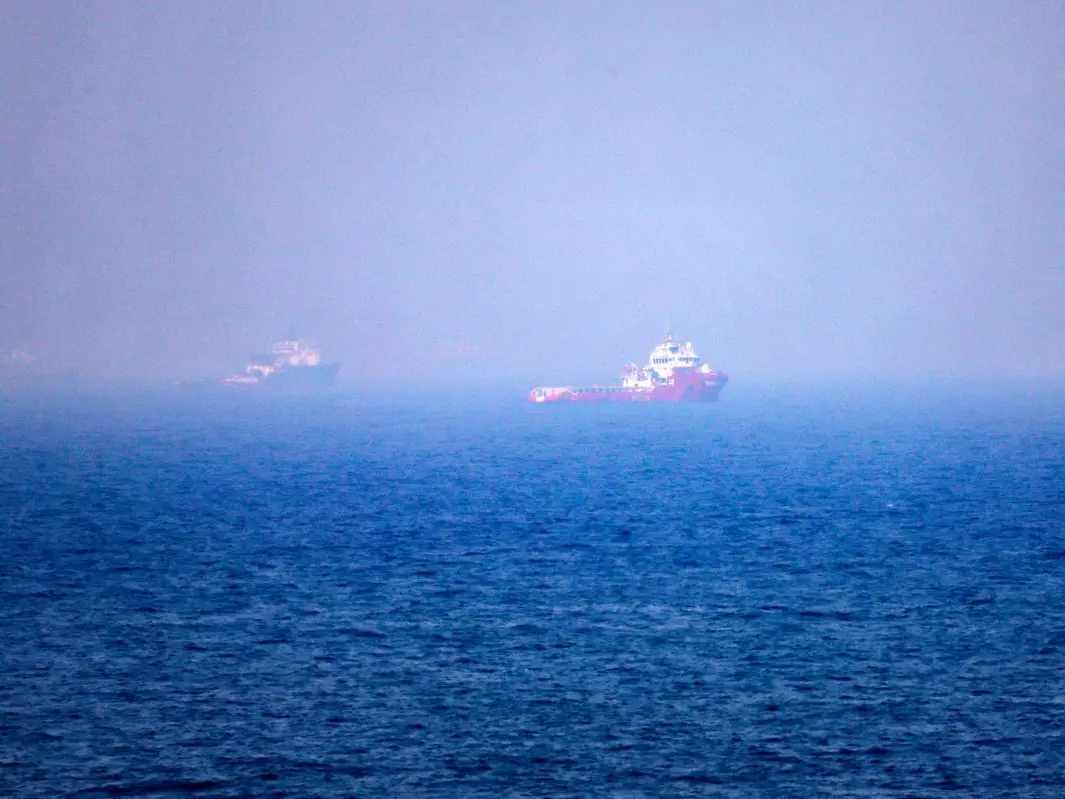
This picture shows ships sailing near the Strait of Hormuz off the eastern coast of the United Arab Emirates at Khor Fakkan on July 13, 2026. Photograph: (AFP)
Oil prices climbed after fresh US-Iran attacks heightened fears of supply disruptions through the Strait of Hormuz and the Red Sea. Brent rose above $85 a barrel, extending strong weekly gains.
Oil prices soared once again on Friday (Jul 17) amid renewed military escalation between the United States and Iran, triggering concerns over disruption of gOil prices jump as US-Iran conflict raises fears over Hormuz and Red Sea supplieslobal energy supply in the Gulf region. Brent crude futures rose to around $85.3 a barrel, while US West Texas Intermediate (WTI) crude traded near $80 a barrel, recovering from losses in the previous session. The gains capped a strong week for both benchmarks, with Brent and WTI posting double-digit weekly increases amid mounting geopolitical tensions.
The market reacted after Washington launched another round of airstrikes on Iran, extending its military campaign for a sixth consecutive night. US Central Command said the strikes targeted Iranian military sites, describing the operation as part of efforts to degrade Tehran’s military capabilities.
Iran has answered with missile and drone attacks on US military facilities across the region, including an air base in Jordan, keeping investors focused on the risk of a wider conflict.
Supply concerns deepened after Tehran asked Yemen’s Houthi movement to be ready to close the Red Sea oil route if US strikes hit Iranian power infrastructure, Reuters reported. Any disruption in the Red Sea or the Strait of Hormuz would threaten one of the world’s busiest energy corridors, through which a significant share of global crude exports moves.
The prospect of tighter supplies has added a geopolitical premium to oil prices, reversing losses seen in the previous session.
‘We should be worried’
Trending Stories
)
)
&im=FitAndFill=(700,400))
)
)
)
)
&im=FitAndFill=(700,400))
)
)
)
)
&im=FitAndFill=(700,400))
)
)
)
)
)
)
)
)
&im=FitAndFill=(700,400))
)
)
&im=FitAndFill=(700,400))
)
)
)
)
)
&im=FitAndFill=(700,400))
)
)
)
)
&im=FitAndFill=(700,400))
)
)
)
Speaking in Washington on Thursday, International Energy Agency Executive Director Fatih Birol said the conflict remained a risk for global energy markets.
“We should be worried, and I am worried, if the situation does not improve in the next few weeks,” Birol said.
Analysts have said prices could remain supported as long as the conflict shows no sign of easing, with traders closely tracking developments around the Gulf's key oil shipping routes.

